Consultant Work Contract For Employees In Michigan
Description

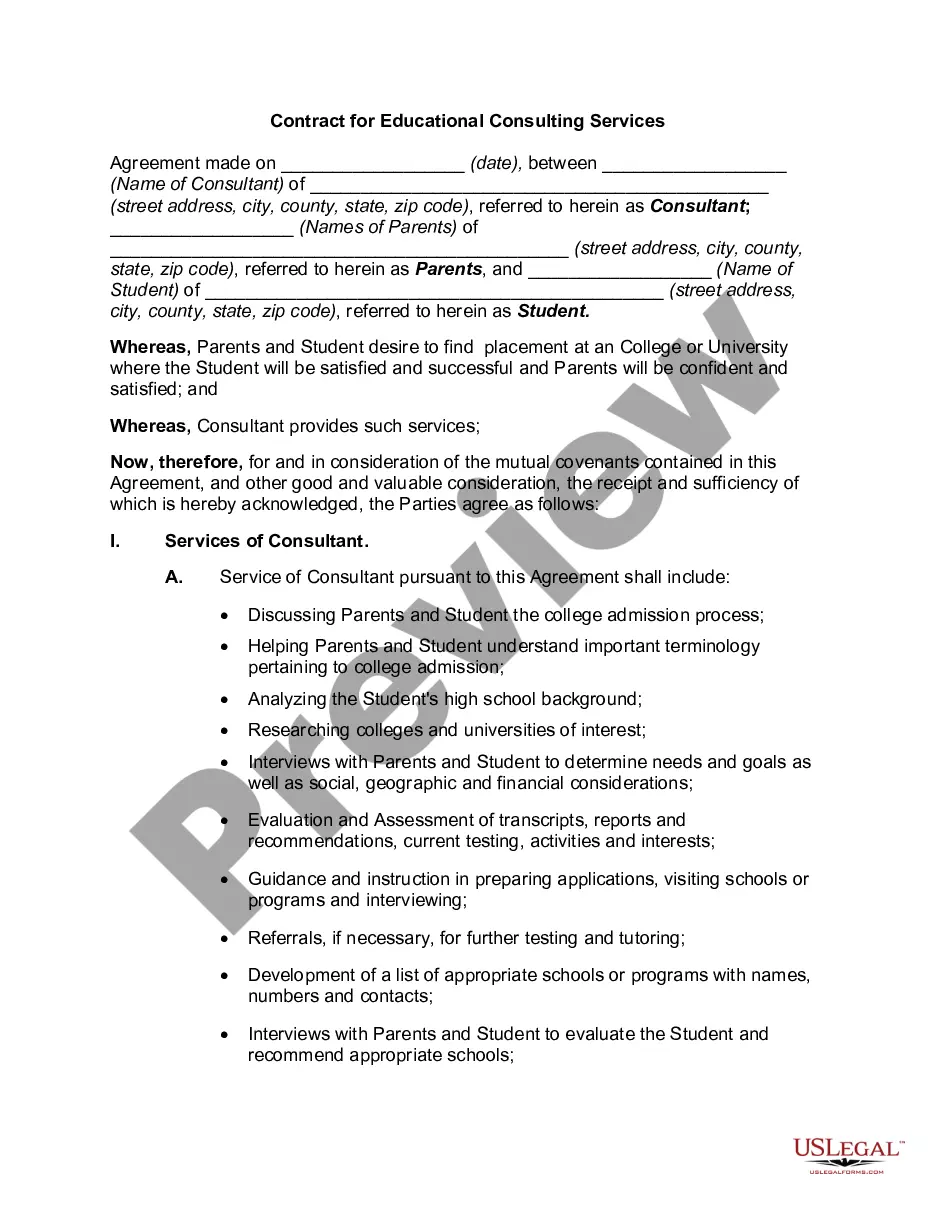
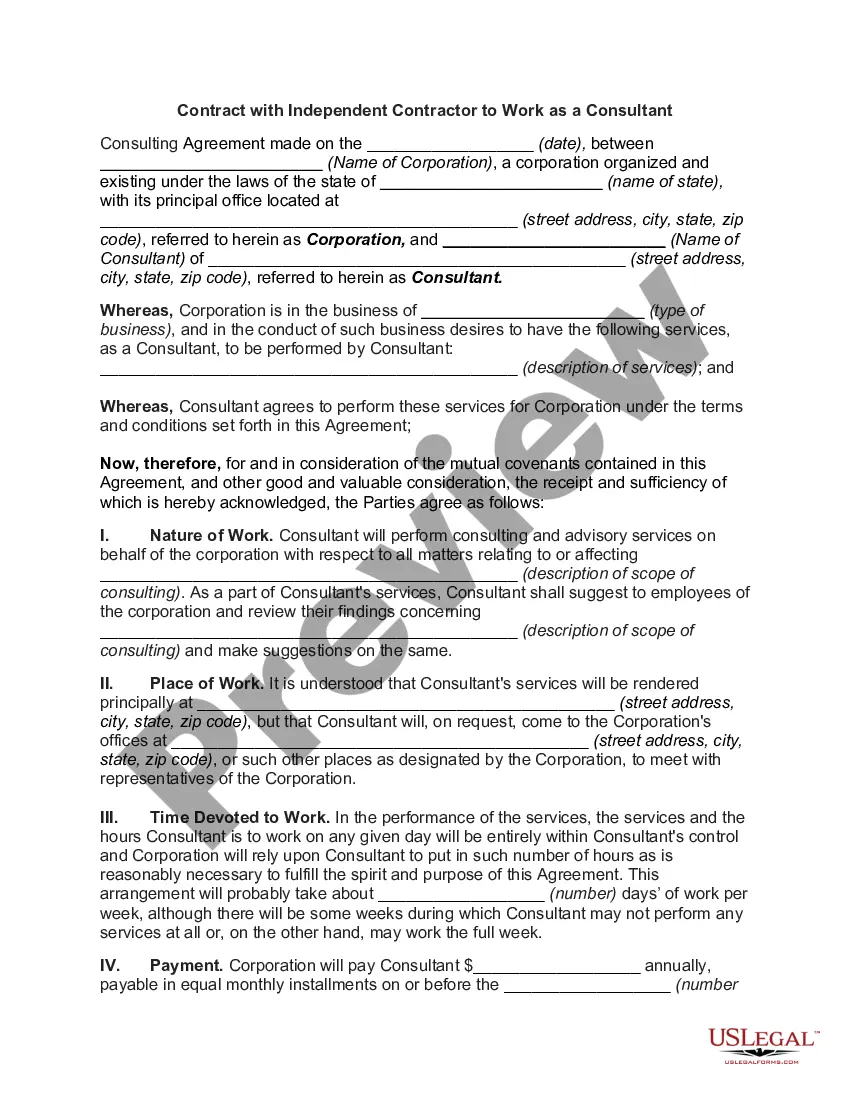
Get your form ready online
Our built-in tools help you complete, sign, share, and store your documents in one place.
Make edits, fill in missing information, and update formatting in US Legal Forms—just like you would in MS Word.
Download a copy, print it, send it by email, or mail it via USPS—whatever works best for your next step.
Sign and collect signatures with our SignNow integration. Send to multiple recipients, set reminders, and more. Go Premium to unlock E-Sign.
If this form requires notarization, complete it online through a secure video call—no need to meet a notary in person or wait for an appointment.
We protect your documents and personal data by following strict security and privacy standards.

Make edits, fill in missing information, and update formatting in US Legal Forms—just like you would in MS Word.

Download a copy, print it, send it by email, or mail it via USPS—whatever works best for your next step.

Sign and collect signatures with our SignNow integration. Send to multiple recipients, set reminders, and more. Go Premium to unlock E-Sign.

If this form requires notarization, complete it online through a secure video call—no need to meet a notary in person or wait for an appointment.

We protect your documents and personal data by following strict security and privacy standards.
Looking for another form?








Form popularity
FAQ
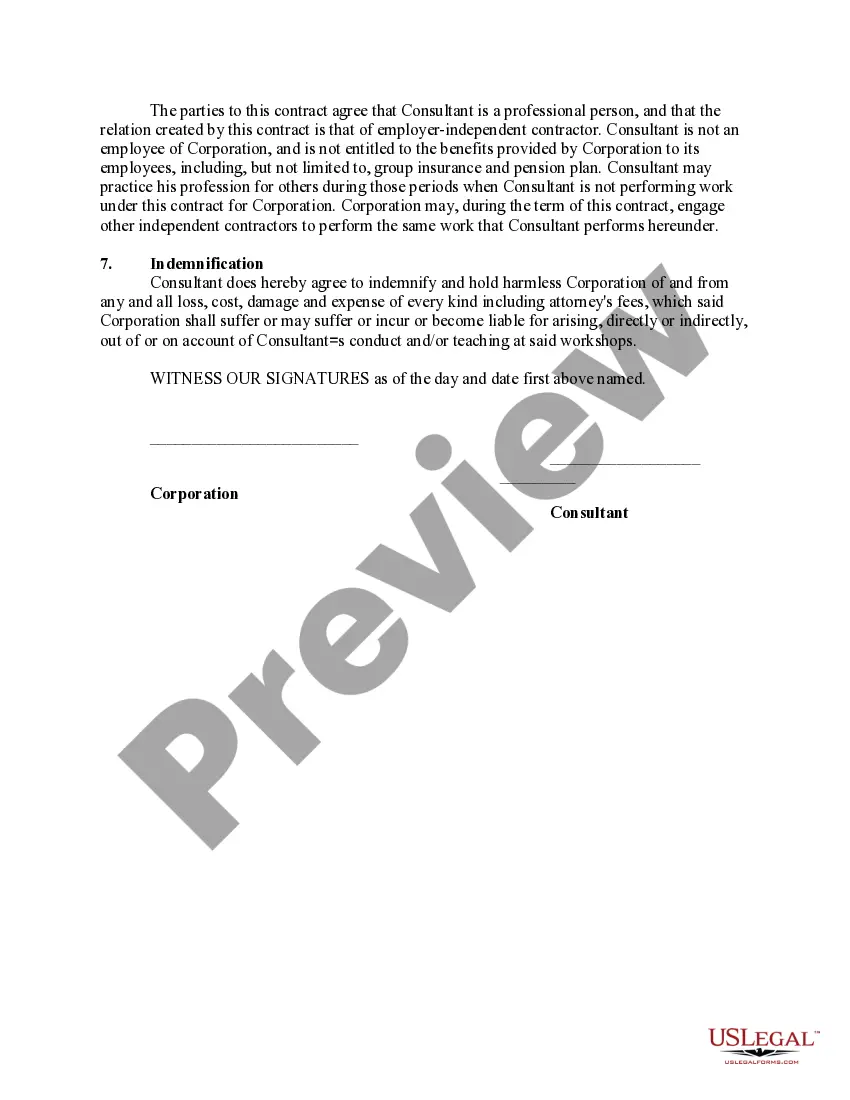
A Michigan independent contractor agreement establishes a working arrangement wherein an independent contractor is hired to perform a service for a client. The document should contain all the terms and conditions necessary to protect both parties and create a mutual understanding of the business relationship.
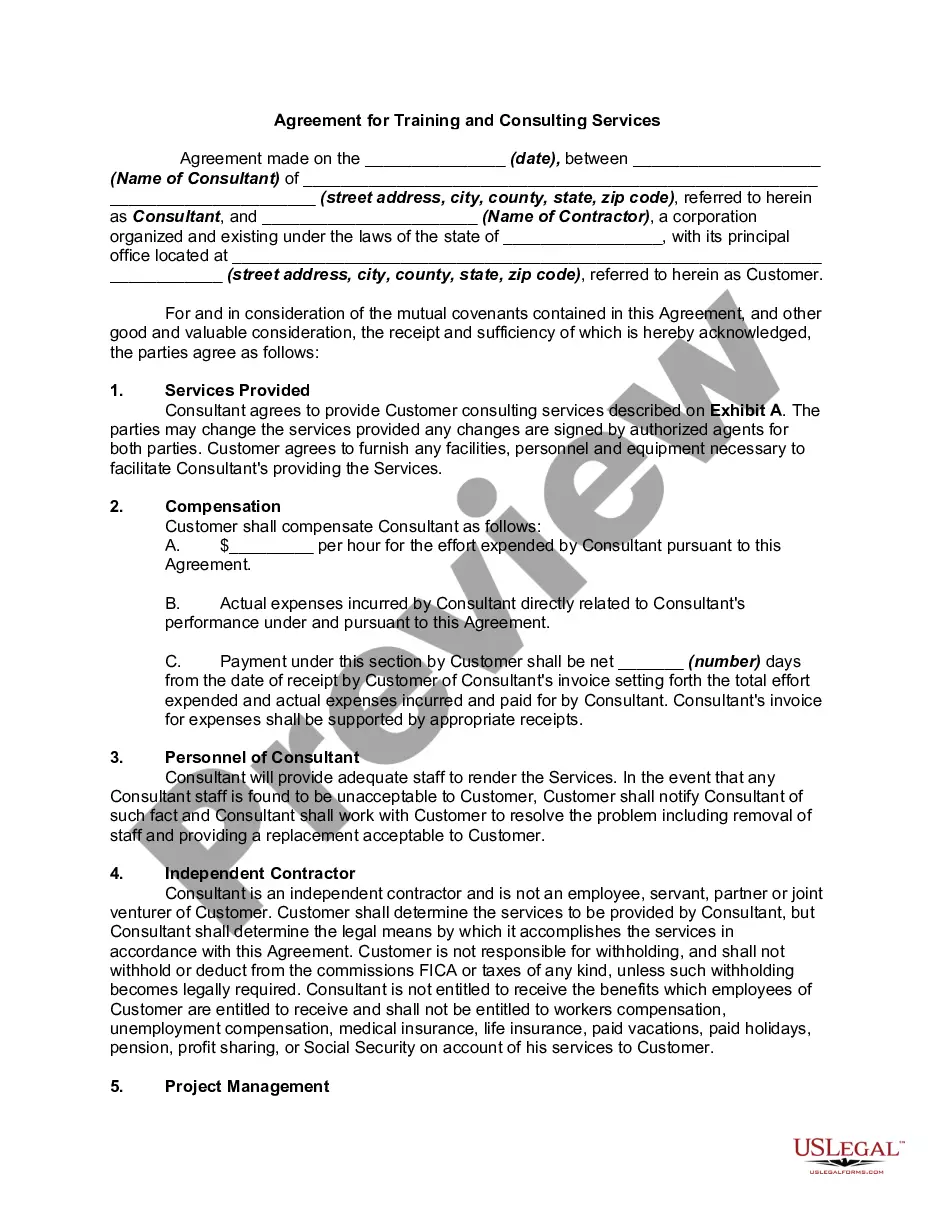
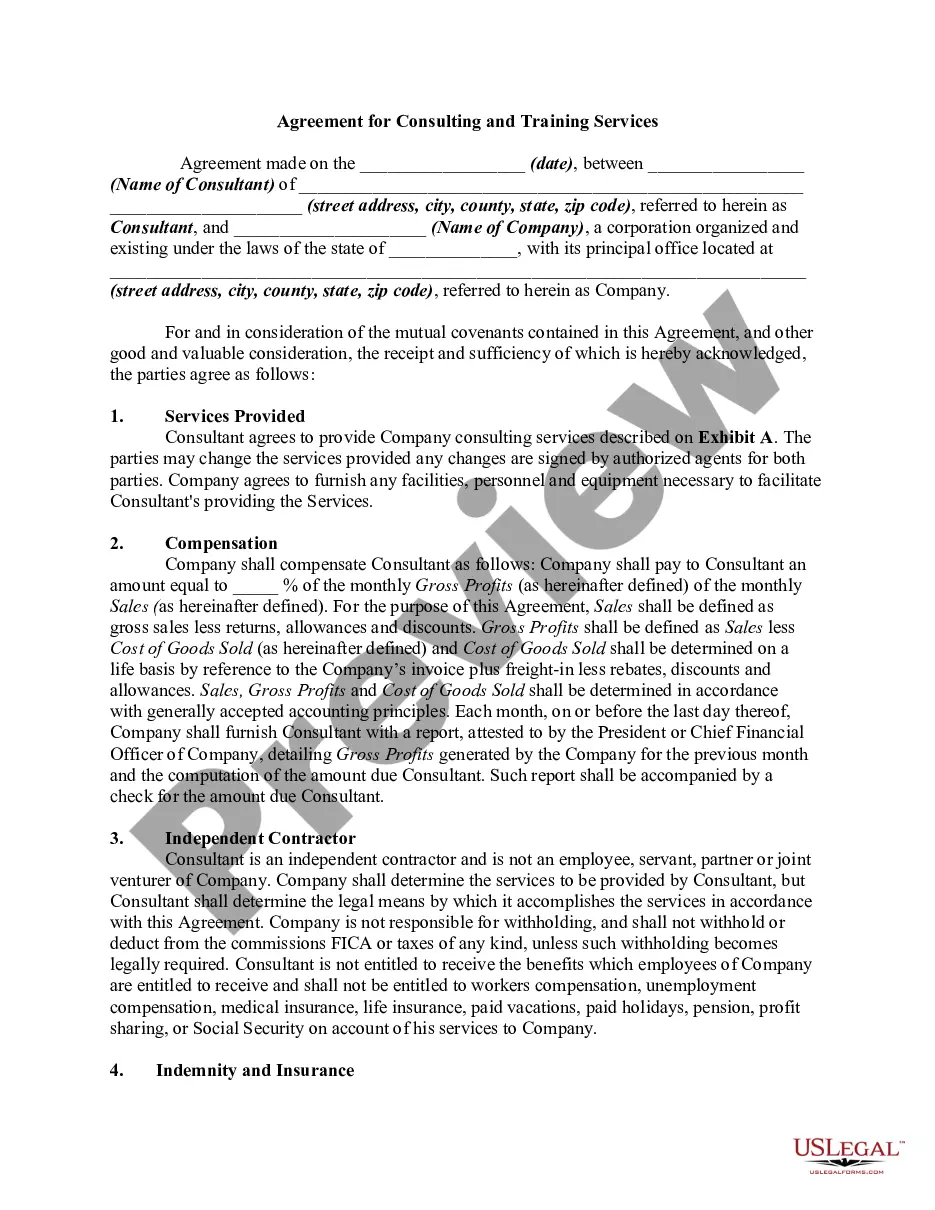
On the other hand, a consulting agreement is a contract between a client and an independent contractor or consultant. In this arrangement, the consultant provides services to the client for a specified period or project.
Both involve the meeting of minds and exchange of promises, but a contract typically entails a more formalized arrangement, often documented in writing, and carries legal enforceability. Conversely, an agreement can be informal and may not always be legally binding.
Consulting and contracting defined. While the terms aren't mutually exclusive, the role of a consultant is, in general, to evaluate their clients' needs and provide them with expert advice on what work needs to be done. Whereas a contractor's role is often to carry out the work itself.
A consulting agreement is a contractual document that describes a working relationship between a business and a consultant providing that company with their services. Other terms that are used to refer to a consulting agreement include: Business consulting agreement. Independent contractor agreement. Freelance contract.
In Michigan, contract law specifically refers to the set of laws that govern the formation, execution and breach of contracts, which are legally enforceable agreements between individuals or entities.
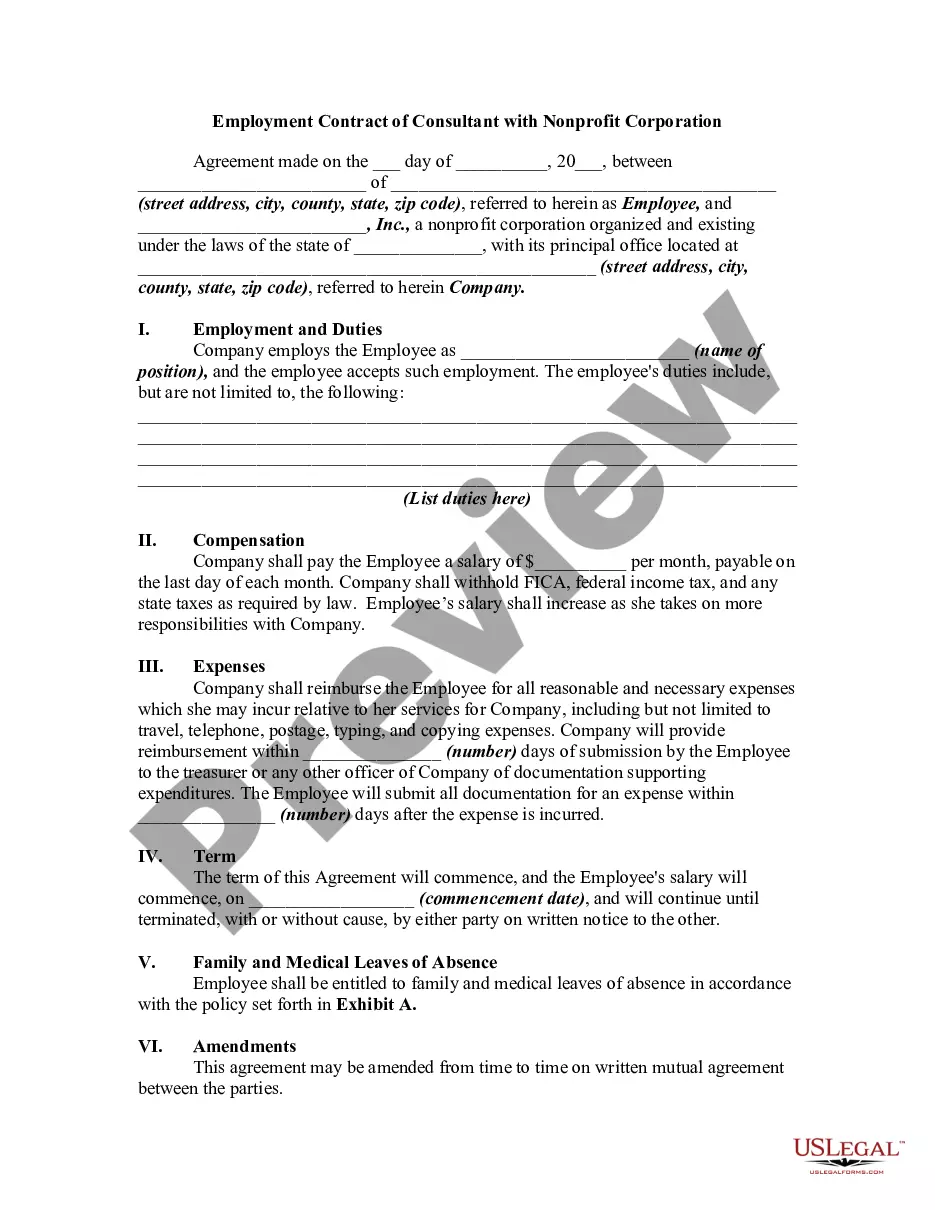
While employment contracts establish a traditional employer-employee relationship with greater control and benefits, consulting agreements offer flexibility, independence, and project-based arrangements.
Yes. Employment contracts are enforceable in Michigan, but certain provisions of employment contracts must follow state laws to be enforceable. The employment contract clauses that are most regulated are restrictive covenants that limit an employee's ability for future employment like a non-competition clause.
Michigan is an employment-at-will state, which means that without a written employee contract, employees can be terminated for any reason at any time, provided that the reason is not discriminatory and that the employer is not retaliating against the employee for a rightful action.
