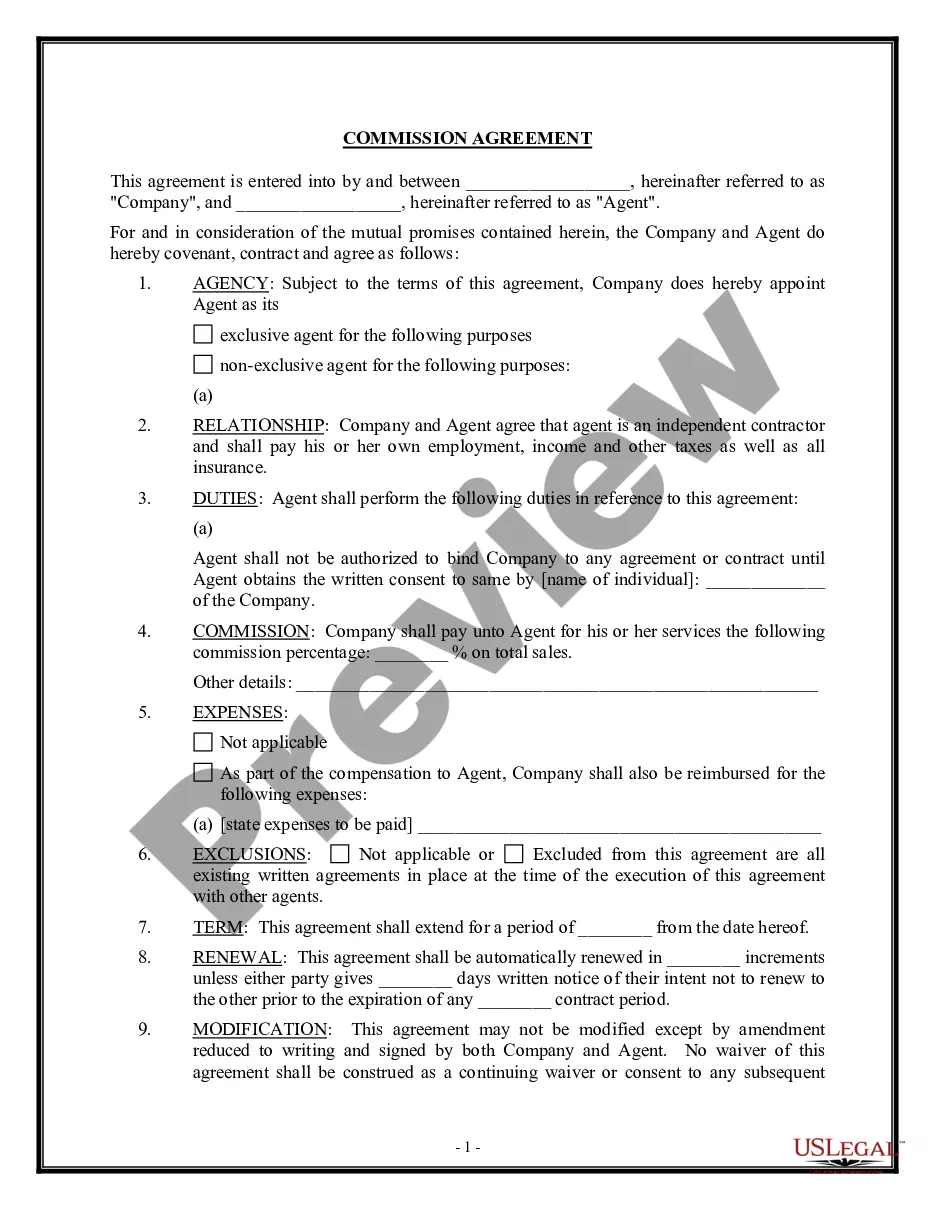
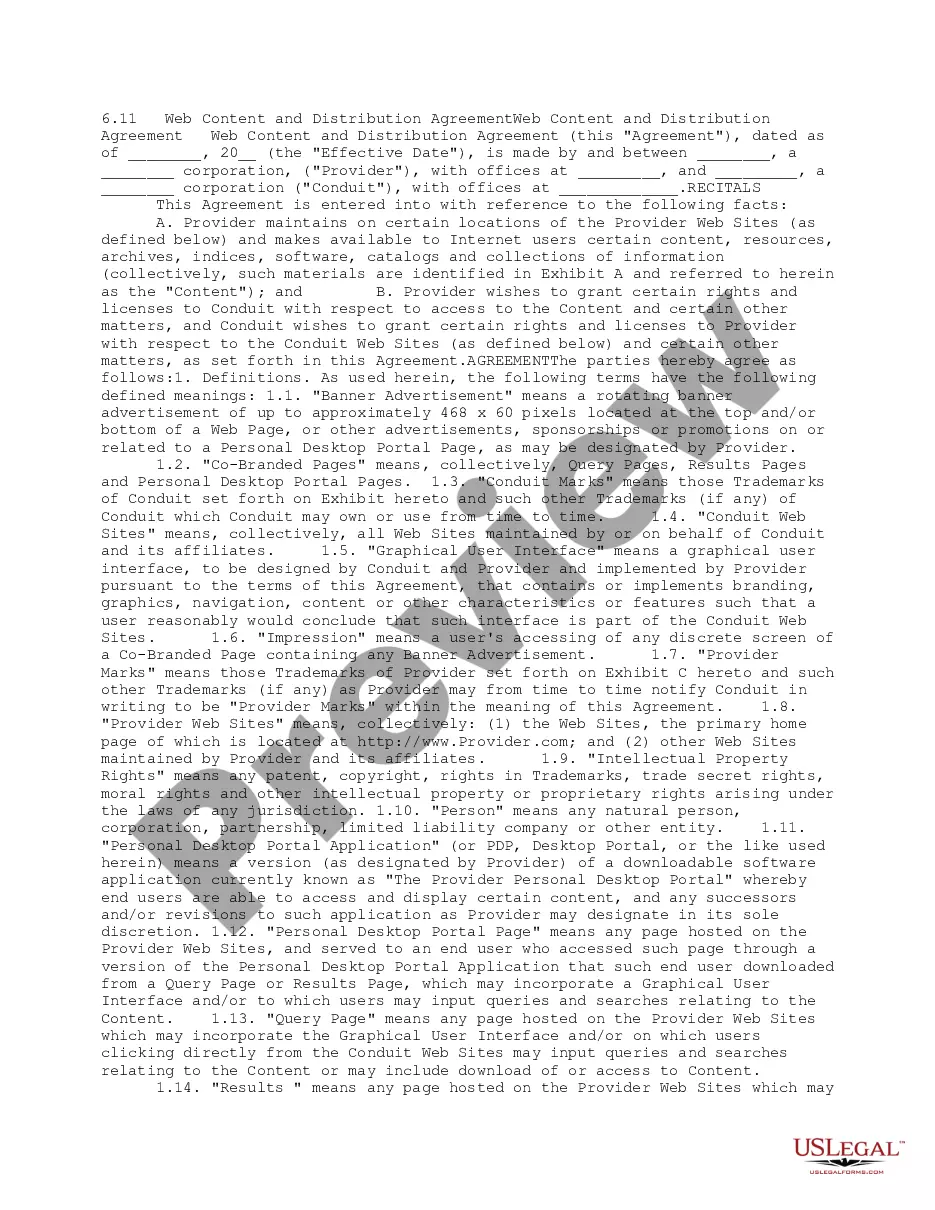
Contracts For Contract Workers In Maryland
Description

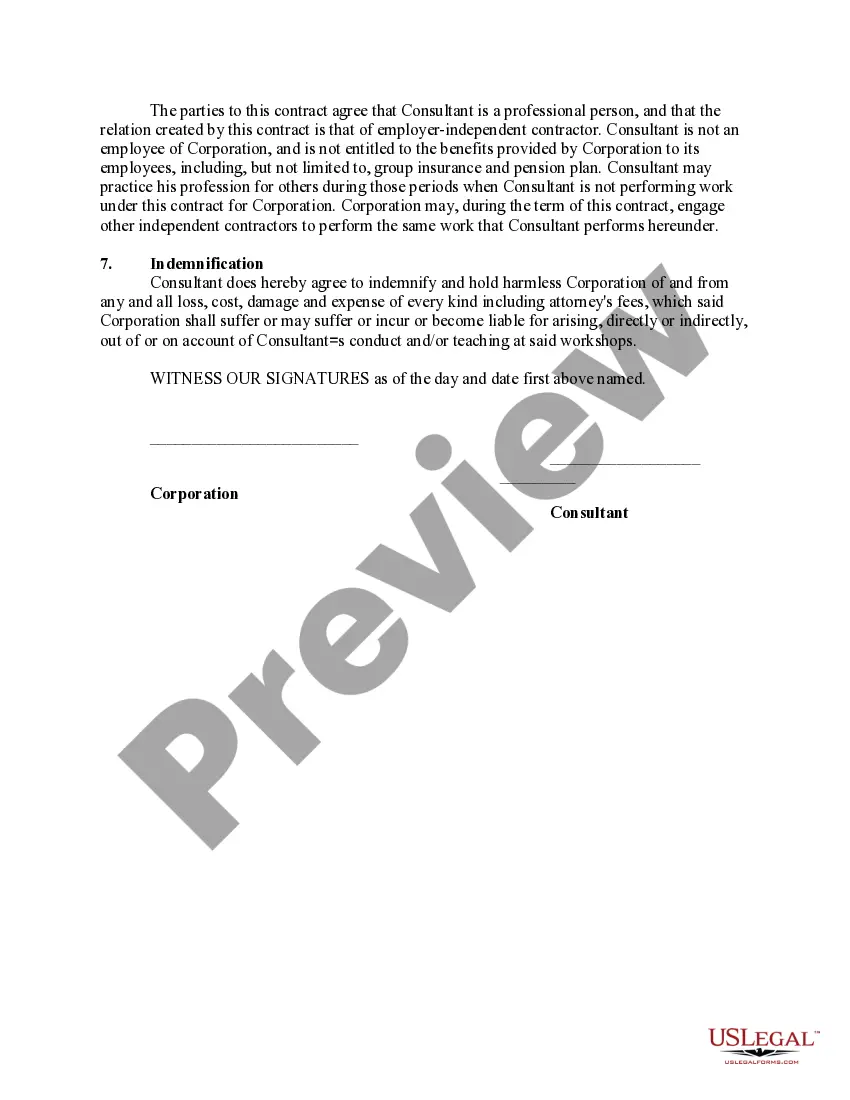
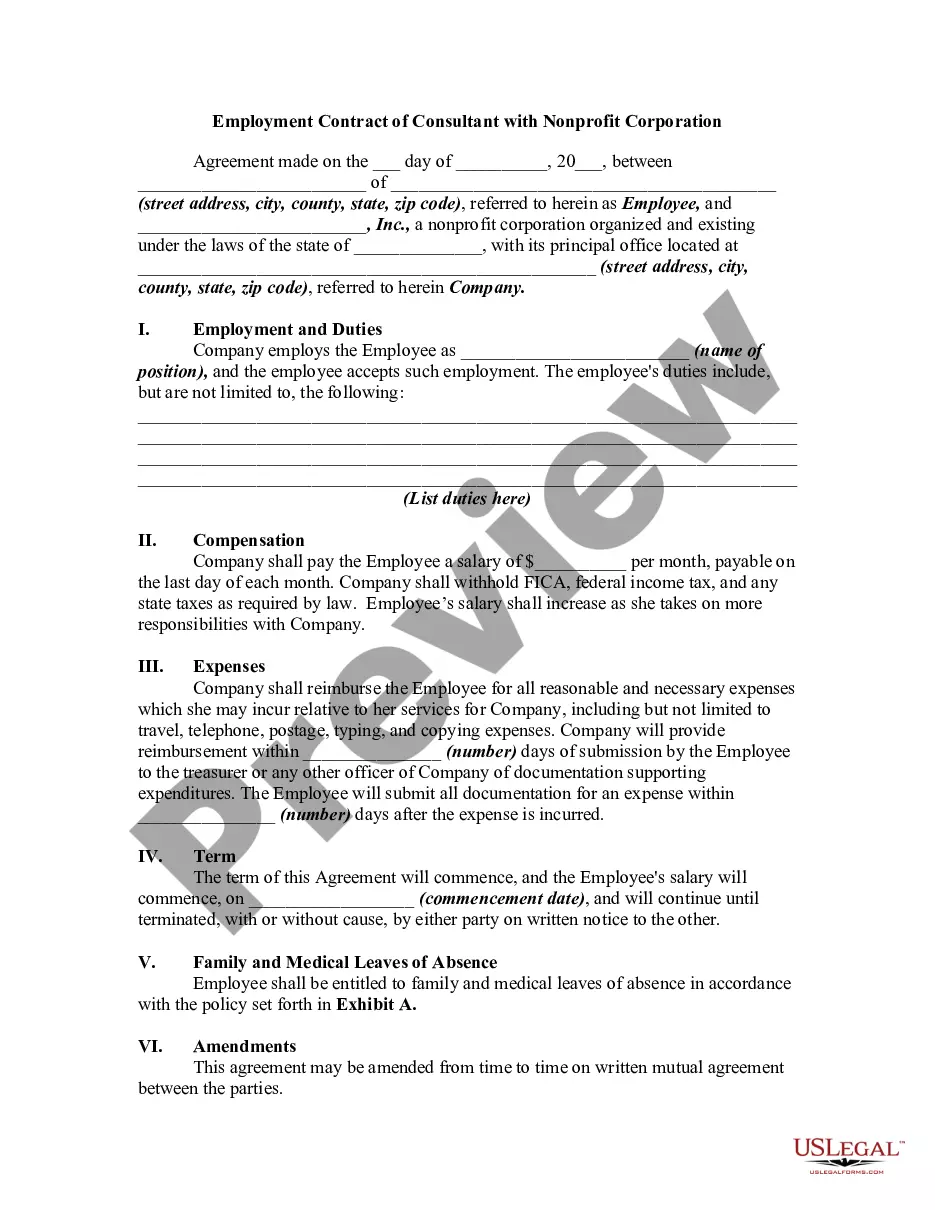
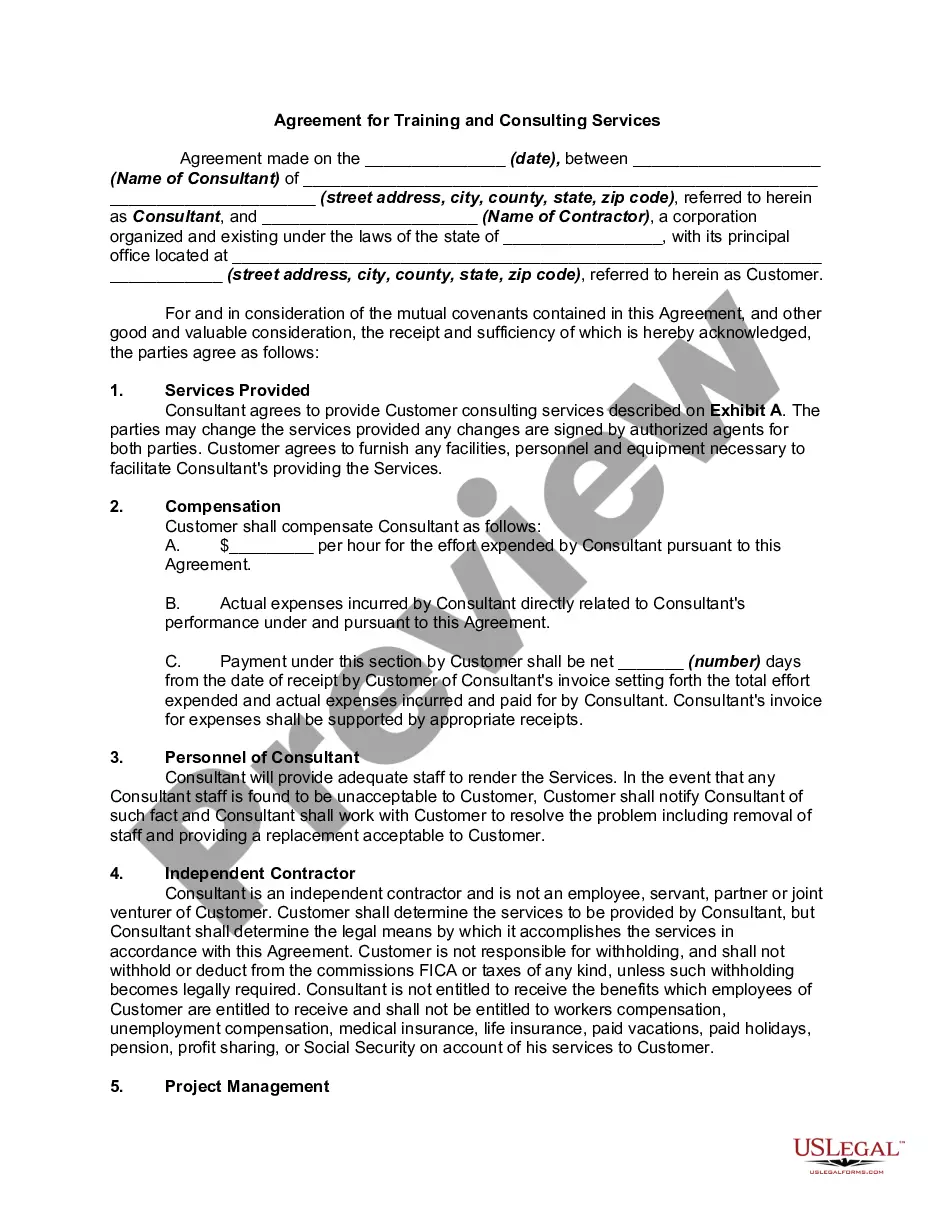
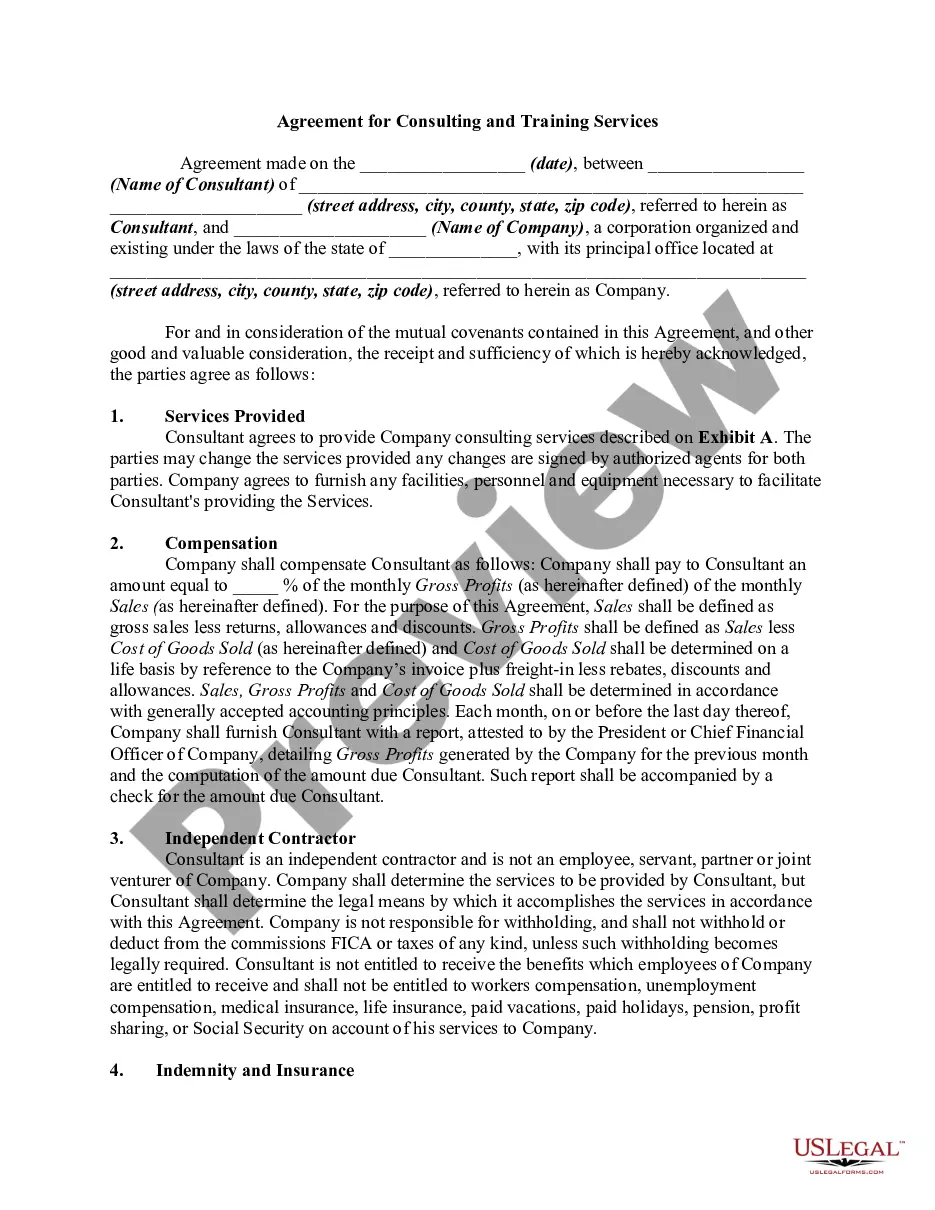
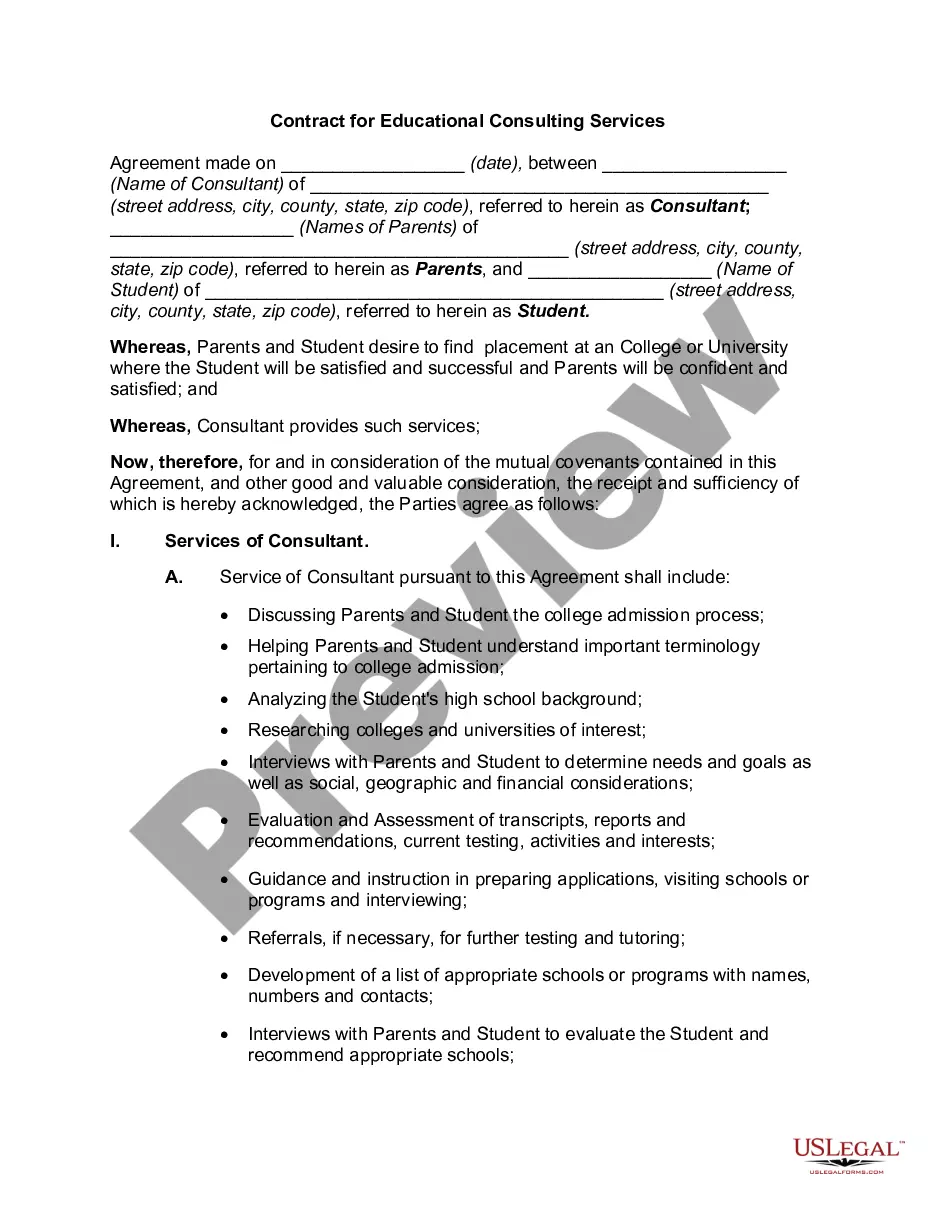
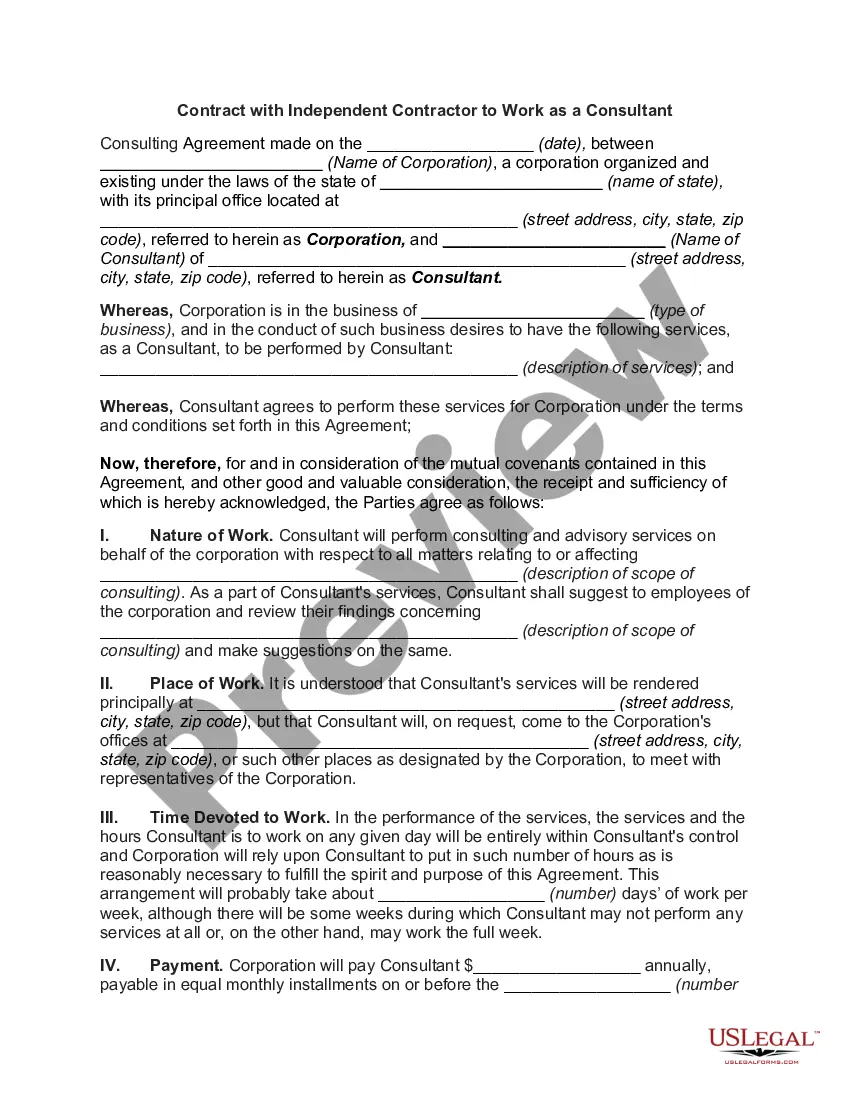
Get your form ready online
Our built-in tools help you complete, sign, share, and store your documents in one place.
Make edits, fill in missing information, and update formatting in US Legal Forms—just like you would in MS Word.
Download a copy, print it, send it by email, or mail it via USPS—whatever works best for your next step.
Sign and collect signatures with our SignNow integration. Send to multiple recipients, set reminders, and more. Go Premium to unlock E-Sign.
If this form requires notarization, complete it online through a secure video call—no need to meet a notary in person or wait for an appointment.
We protect your documents and personal data by following strict security and privacy standards.

Make edits, fill in missing information, and update formatting in US Legal Forms—just like you would in MS Word.

Download a copy, print it, send it by email, or mail it via USPS—whatever works best for your next step.

Sign and collect signatures with our SignNow integration. Send to multiple recipients, set reminders, and more. Go Premium to unlock E-Sign.

If this form requires notarization, complete it online through a secure video call—no need to meet a notary in person or wait for an appointment.

We protect your documents and personal data by following strict security and privacy standards.
Looking for another form?






Form popularity
FAQ
There is no automatic right of cancellation with other types of contracts. You may have a broader right of cancellation, but only if cancellation is provided in the contract, the contract is a fraud, or there is a specific law pertaining to the contract.
For a contract to be binding it needs to satisfy four principles, offer, acceptance, consideration, and the intention to create legal relations. Generally, the law believes that an agreement is made when one party makes an offer and the other party accepts it.
A contract will only be legally binding upon the contracting parties if the following requirements are complied with: consensus, contractual capacity, certainty, possibility, legality and formalities. 39 The above requirements will be discussed next. 39Para 1 1 above.
A contract consists of a legally binding agreement or promise between parties. The agreement must be voluntary and made by competent parties. The promise or agreement must be supported by an exchange of something of value (e.g., goods or services). This exchange must be legal.
In Maryland, parties must file most cases within 3 years of the time when it was first possible to file. If you are making an old claim, the Court may dismiss your case by “statute of limitations.” If you are uncertain, consult your attorney.
Statute of Limitations – In Maryland, the usual Statute of Limitations for filing a lawsuit for breach of contract is 3 years, but there are some exceptions. Learn more about statutes of limitations.
(a) Except as otherwise provided in subsection (b) of this section, an action for breach of contract must be commenced within the later of four years after the right of action accrues or one year after the breach was or should have been discovered, but not later than five years after the right of action accrues.
In Maryland, for a contract to be valid, there must be an offer, acceptance, and consideration. Consideration means that each party gives up something of value as part of the deal. If one party breaks any part of this agreement, a breach has taken place.
A home improvement contract must contain the contractor's name, address, telephone number, and MHIC license number. If a salesperson solicited or sold the home improvement, then the contract must also contain the name and license number of each salesperson.
The phrase "statute of limitations" refers to the limited period of time within which you can file a lawsuit against someone who harmed you. In Maryland, for most civil actions you have a period of three years after the act which caused you the harm to file a lawsuit.
