Consulting Contract Under With Employees In Hennepin
Description

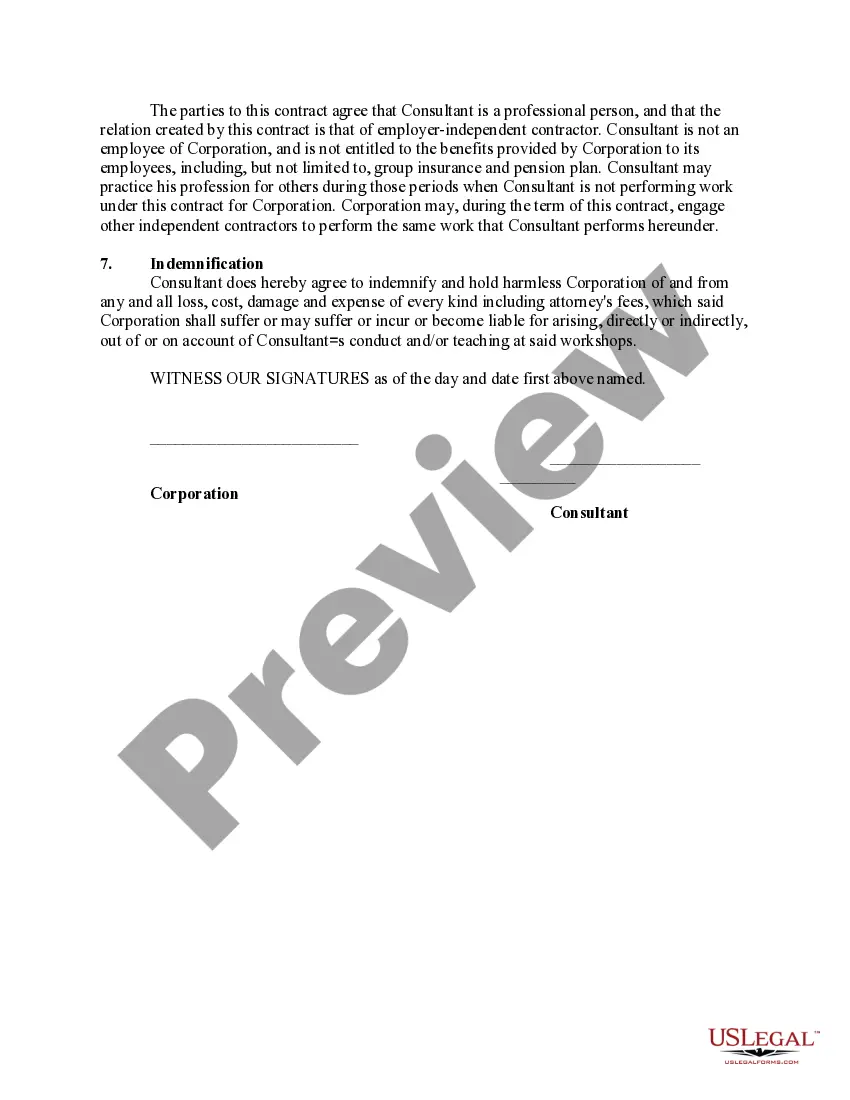
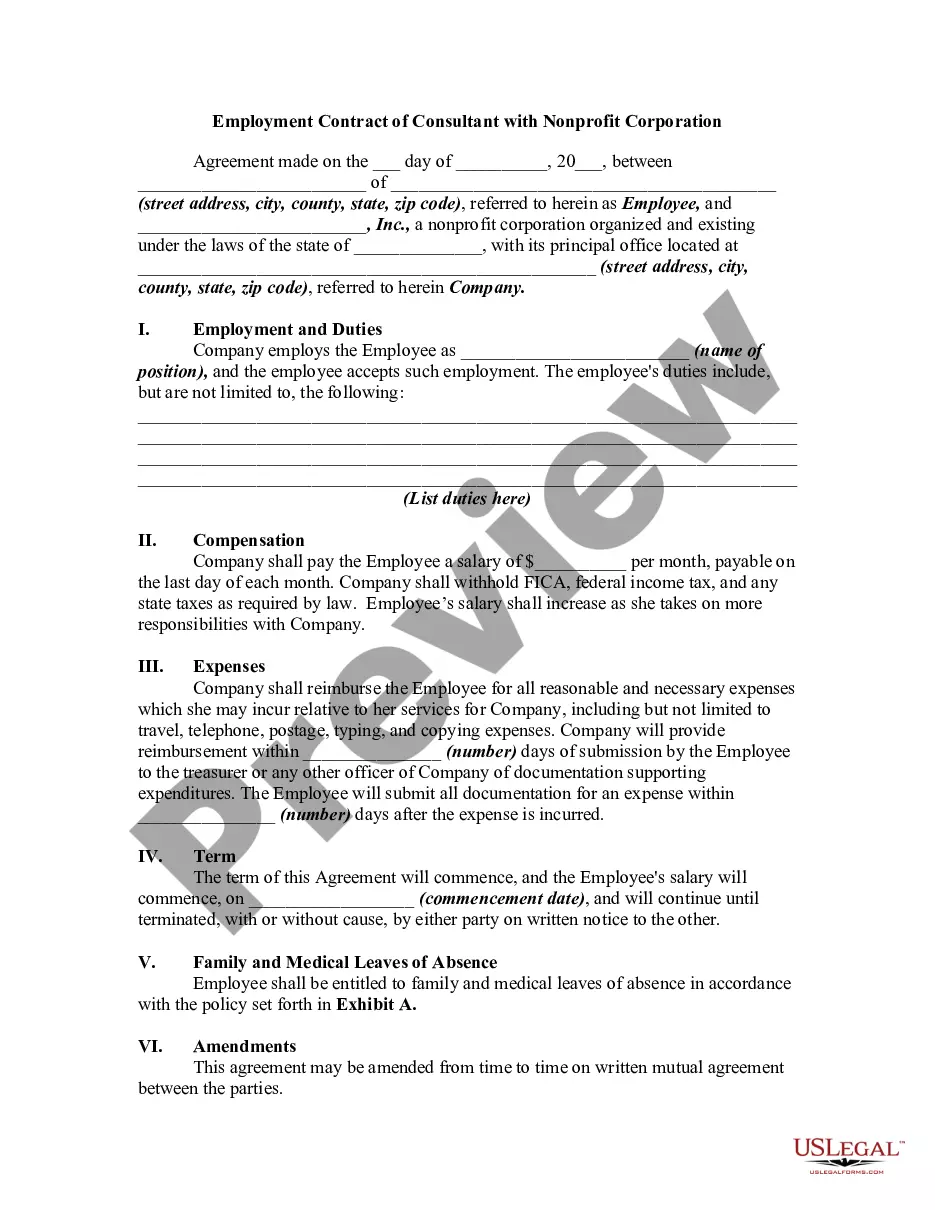
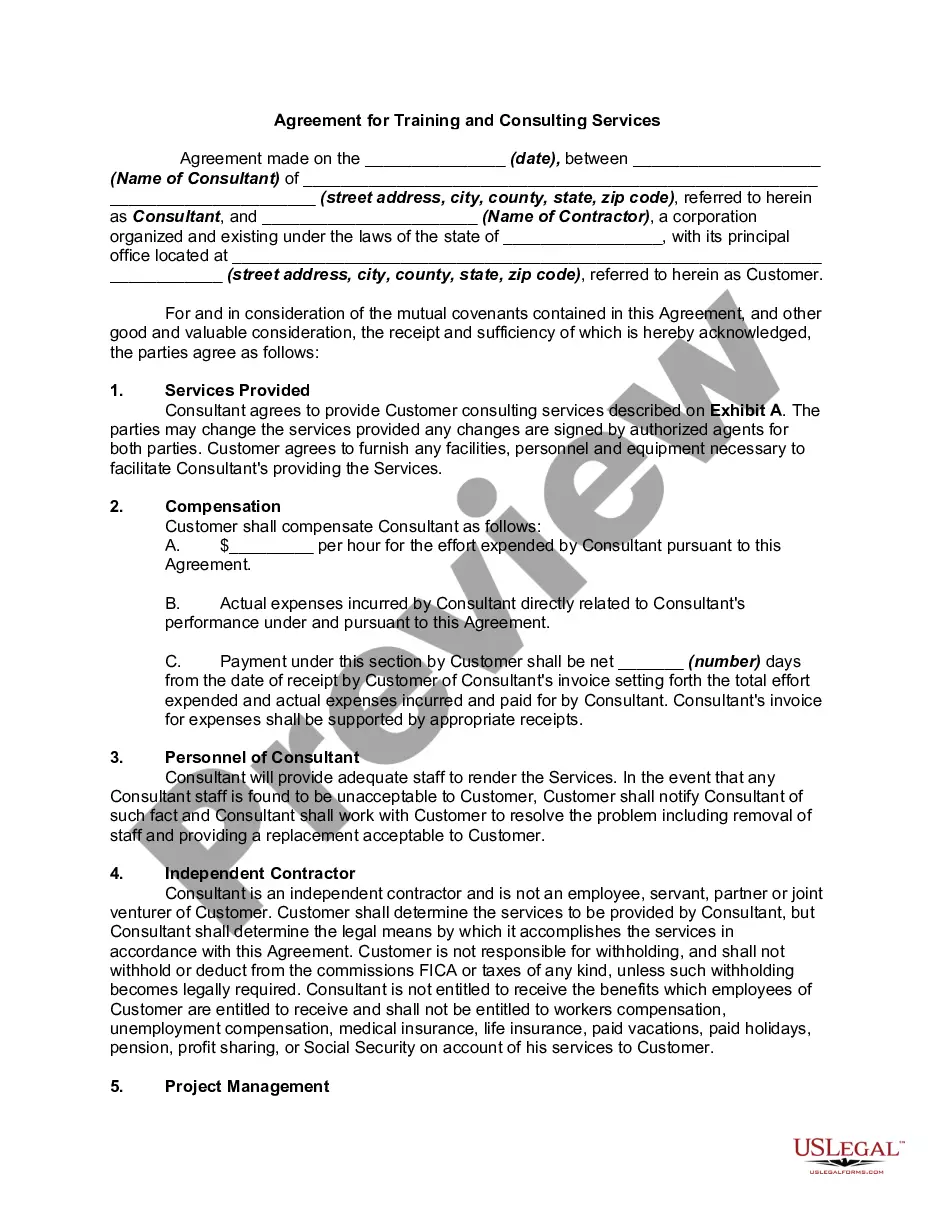
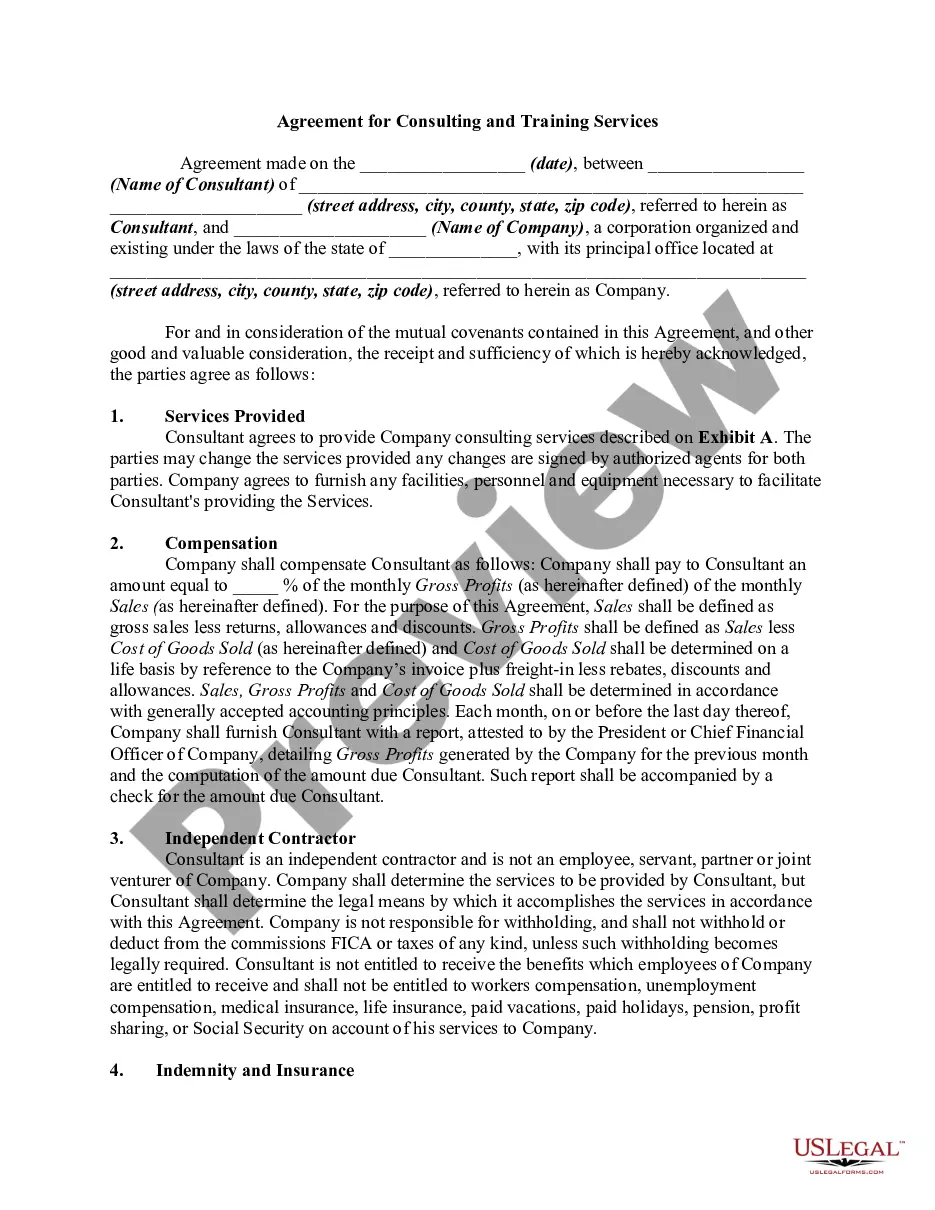
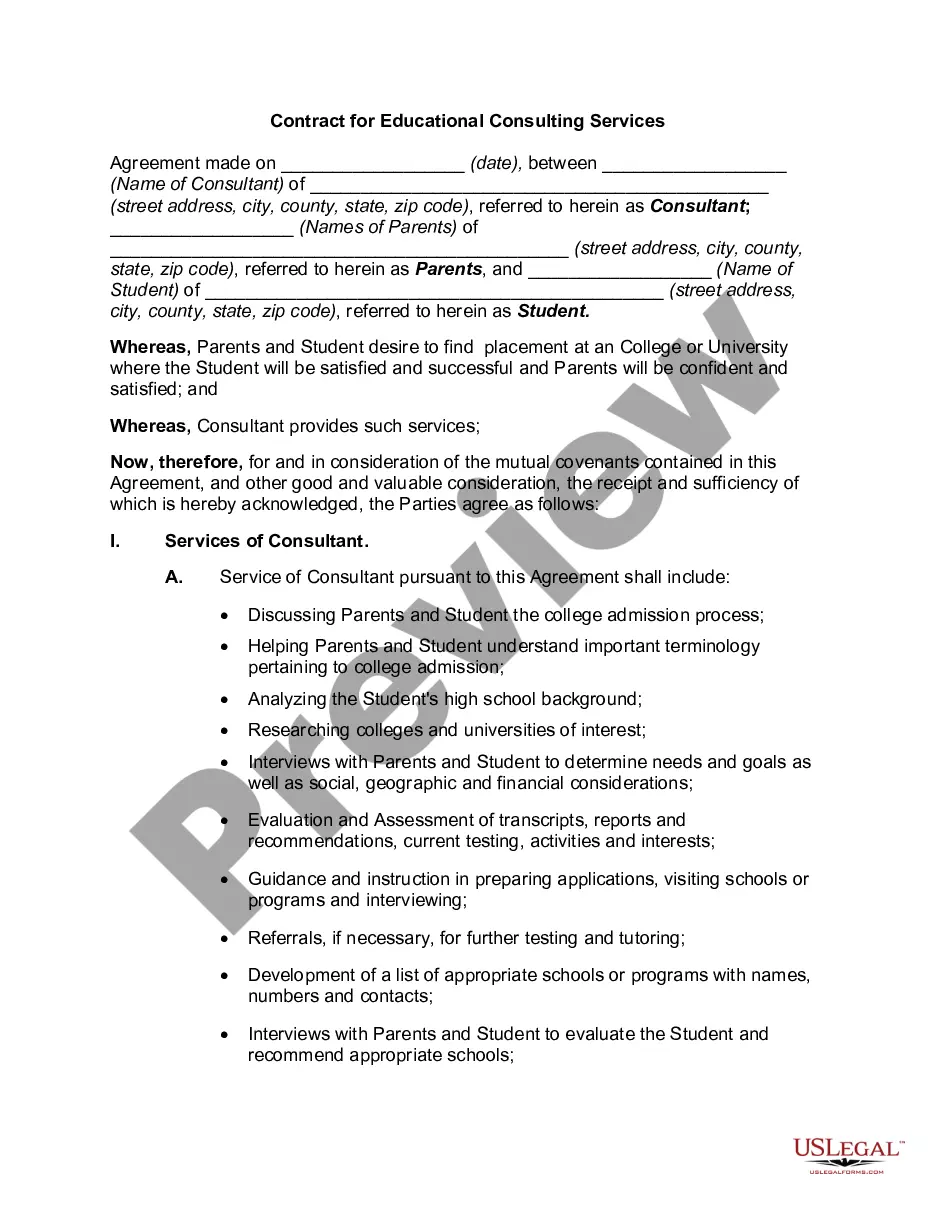
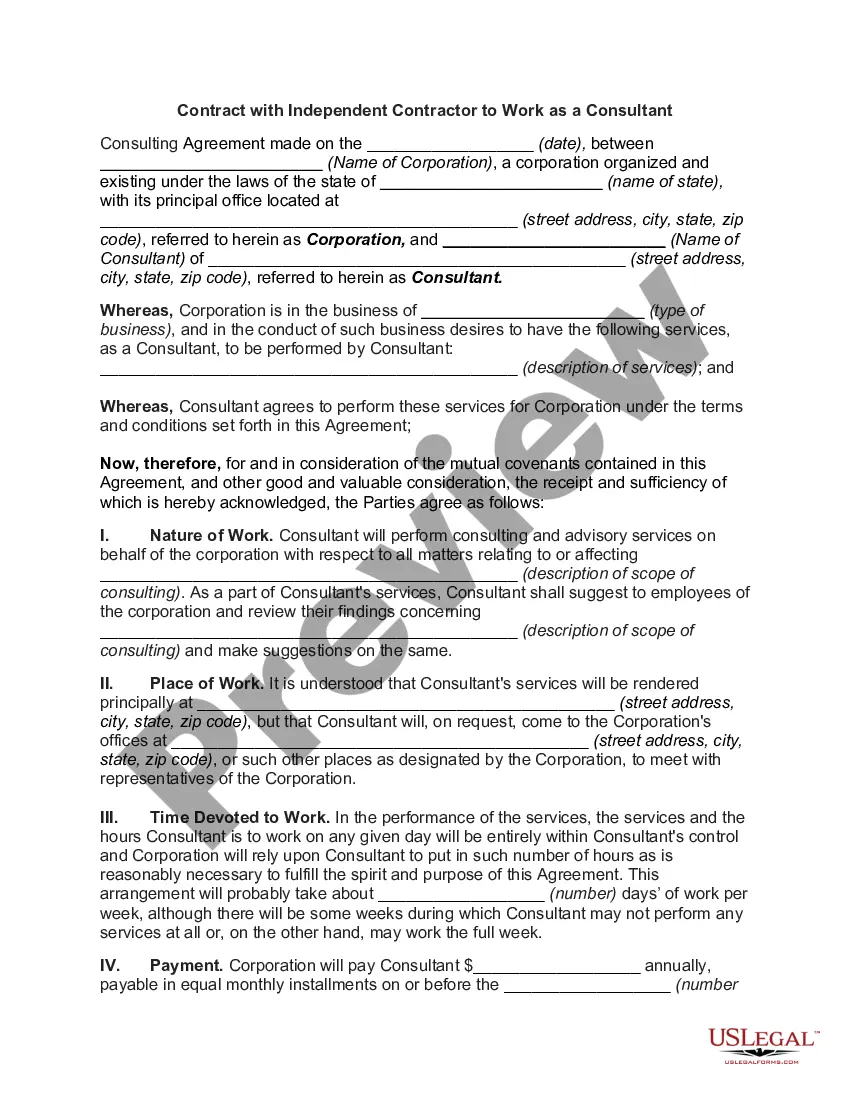
Get your form ready online
Our built-in tools help you complete, sign, share, and store your documents in one place.
Make edits, fill in missing information, and update formatting in US Legal Forms—just like you would in MS Word.
Download a copy, print it, send it by email, or mail it via USPS—whatever works best for your next step.
Sign and collect signatures with our SignNow integration. Send to multiple recipients, set reminders, and more. Go Premium to unlock E-Sign.
If this form requires notarization, complete it online through a secure video call—no need to meet a notary in person or wait for an appointment.
We protect your documents and personal data by following strict security and privacy standards.

Make edits, fill in missing information, and update formatting in US Legal Forms—just like you would in MS Word.

Download a copy, print it, send it by email, or mail it via USPS—whatever works best for your next step.

Sign and collect signatures with our SignNow integration. Send to multiple recipients, set reminders, and more. Go Premium to unlock E-Sign.

If this form requires notarization, complete it online through a secure video call—no need to meet a notary in person or wait for an appointment.

We protect your documents and personal data by following strict security and privacy standards.
Looking for another form?









Form popularity
FAQ
#1. Word your request for a contract and deposit in calm, confident statements. Don't ever make it sound like a question, because you'll sound uncertain of yourself.
Be confident, friendly and polite. Don't be afraid to leave a conversation in order to seek another after sufficient time, but do so politely. Follow up on interactions within a few days and connect on social media platforms.
A legally binding contract requires: Clearly identified parties. Offer, acceptance, and mutual consent. Consideration (something of value exchanged) Legal capacity of all parties. Compliance with applicable laws.
The consultant doesn't implement the strategies they suggest. The client puts the suggestions into action. On the other hand, a contractor performs the work for their clients. A typical contract stipulates that they're responsible for completing a defined set of tasks in the way the client wants.
Contract research allows private, public and third sector organisations to commission specific research to gain new knowledge and insight, while Consultancy sees existing knowledge applied to solve a particular challenge or help organisations to meet their objectives.
How do you find contracts as an independent consultant? 1. Leverage Your Network 2. Get on a Pre-Qualified List 3. Subcontract with Another Firm 4. Team up with Other Independent Consultants 5. Ask for Referrals
Scope of work The consultant doesn't implement the strategies they suggest. The client puts the suggestions into action. On the other hand, a contractor performs the work for their clients. A typical contract stipulates that they're responsible for completing a defined set of tasks in the way the client wants.
Contractors are generally more restricted to specific tasks directed by others, while consultants provide expert advice and strategic planning, often with more autonomy and higher impact.
Like other independent contractors, consultants are not full-time employees. Working with and paying them requires a different kind of legal documentation. This document is called a consulting agreement.
