Training Contract For 2025 In Cook
Description

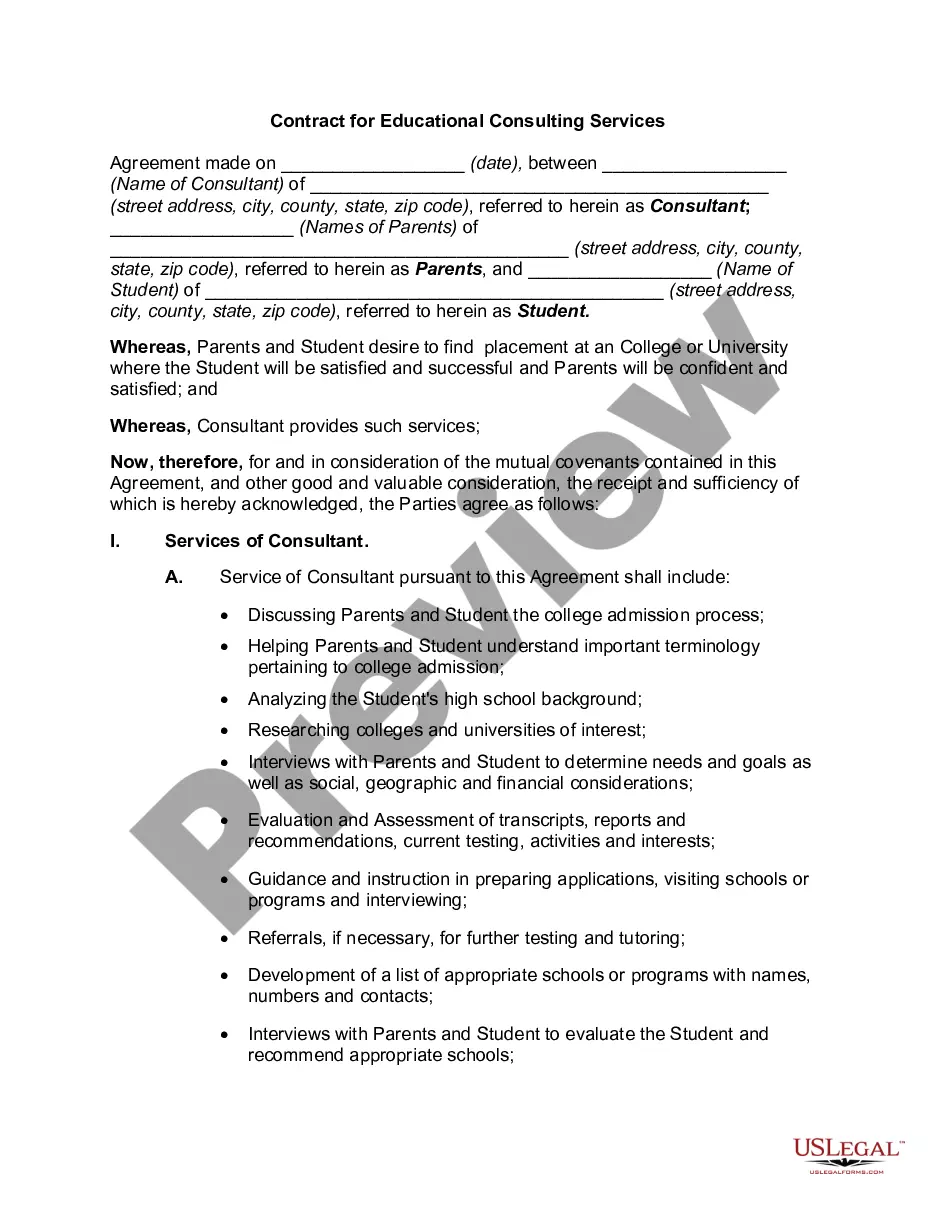
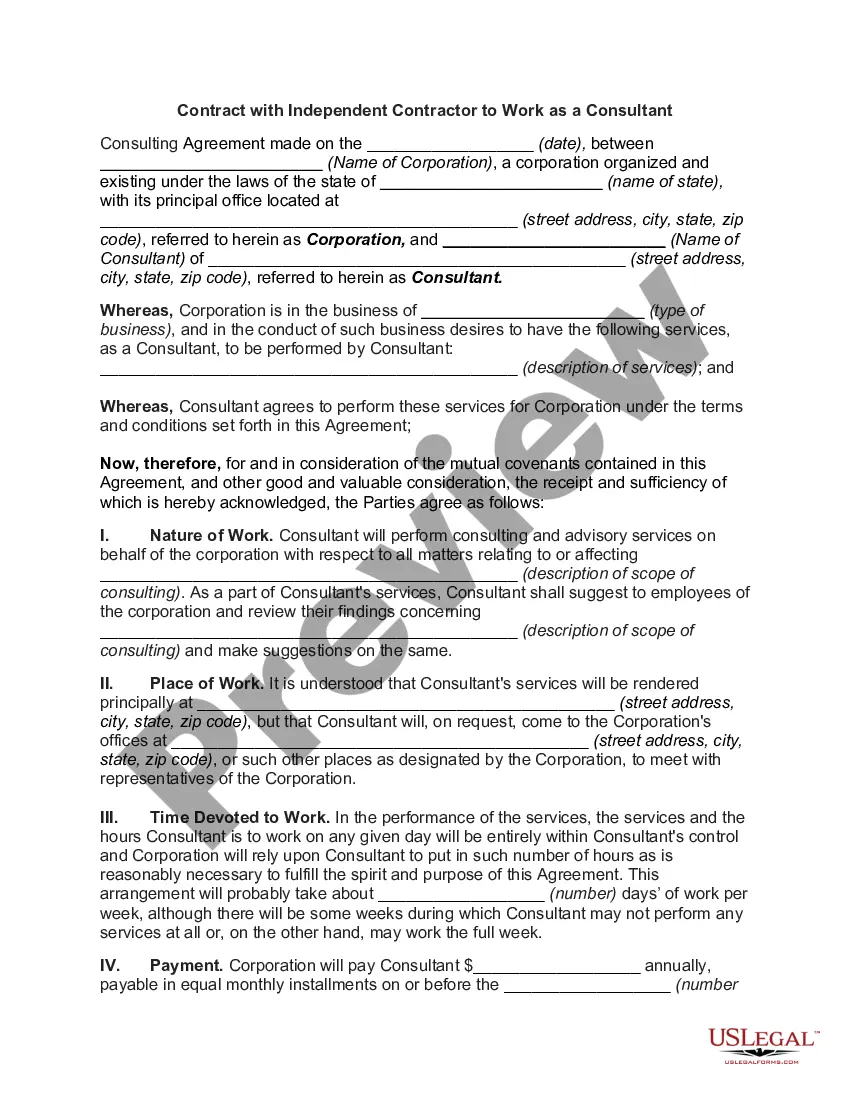
Get your form ready online
Our built-in tools help you complete, sign, share, and store your documents in one place.
Make edits, fill in missing information, and update formatting in US Legal Forms—just like you would in MS Word.
Download a copy, print it, send it by email, or mail it via USPS—whatever works best for your next step.
Sign and collect signatures with our SignNow integration. Send to multiple recipients, set reminders, and more. Go Premium to unlock E-Sign.
If this form requires notarization, complete it online through a secure video call—no need to meet a notary in person or wait for an appointment.
We protect your documents and personal data by following strict security and privacy standards.

Make edits, fill in missing information, and update formatting in US Legal Forms—just like you would in MS Word.

Download a copy, print it, send it by email, or mail it via USPS—whatever works best for your next step.

Sign and collect signatures with our SignNow integration. Send to multiple recipients, set reminders, and more. Go Premium to unlock E-Sign.

If this form requires notarization, complete it online through a secure video call—no need to meet a notary in person or wait for an appointment.

We protect your documents and personal data by following strict security and privacy standards.
Looking for another form?









Form popularity
FAQ
For a standard professional cover letter - written in order to apply to a company as part of a job search or professional retraining - the letter is divided into 3 main paragraphs: Presentation (you). Interests in the company (them). Your desire to develop within the company, your objectives (you + them).
Here are some steps you can follow to help you write your general contractor cover letter : Create a header. Offer a friendly greeting. Introduce yourself. Expand on your experience and accomplishments. Incorporate relevant skills. Write a closing paragraph. Finish and review your letter.
This article provides you with a step-by-step guide on how to write such a cover letter: Explain why you're writing. Introduce yourself to the recipient. Explain why you're applying to that firm. Explain why they should select you. Conclude your cover letter. Proofread your cover letter.
Your cover letter should be 3-4 paragraphs: One paragraph about the candidate: show that you are suitable for the position. One paragraph about the company. One paragraph about the training projects and missions you could perform for the company. One sentence that reaffirms how diligent and serious you are.
7 simple ways to impress while doing a training contract Communicate. Have good attention to detail. Take notes. Work hard. Be proactive. Build your network. Go above and beyond.
Here are some tips for writing a successful graduate programme cover letter: Research the programme. Highlight your talents. Use strong language. Be specific. Show why you qualify. Proofread your letter. Be concise. Customise each letter.
The traditional route is to get a law degree or a related degree, take the LPC – by 2032, the LPC will be completely phased out – and the SQE if you have a non-law degree. After the SQE you'll need to get a TC at a law firm, preferably one with a strong showing in contract law.
How to make your training contract applications stand out Think about what makes you, uniquely you. Be ruthless -- edit or delete any generic statements. Mention your previous interactions with the firm, no matter how small. Deploy all your hard work on building commercial awareness.
Five Ways You Can Make Sure You're Getting the Most Out Of Your Training Define your goals for your training course. Come with an open mind for learning. Delegate, then park it! ... Participate fully in your training. Take the learning and apply it.
