Training Contract With Lpc In California
Description


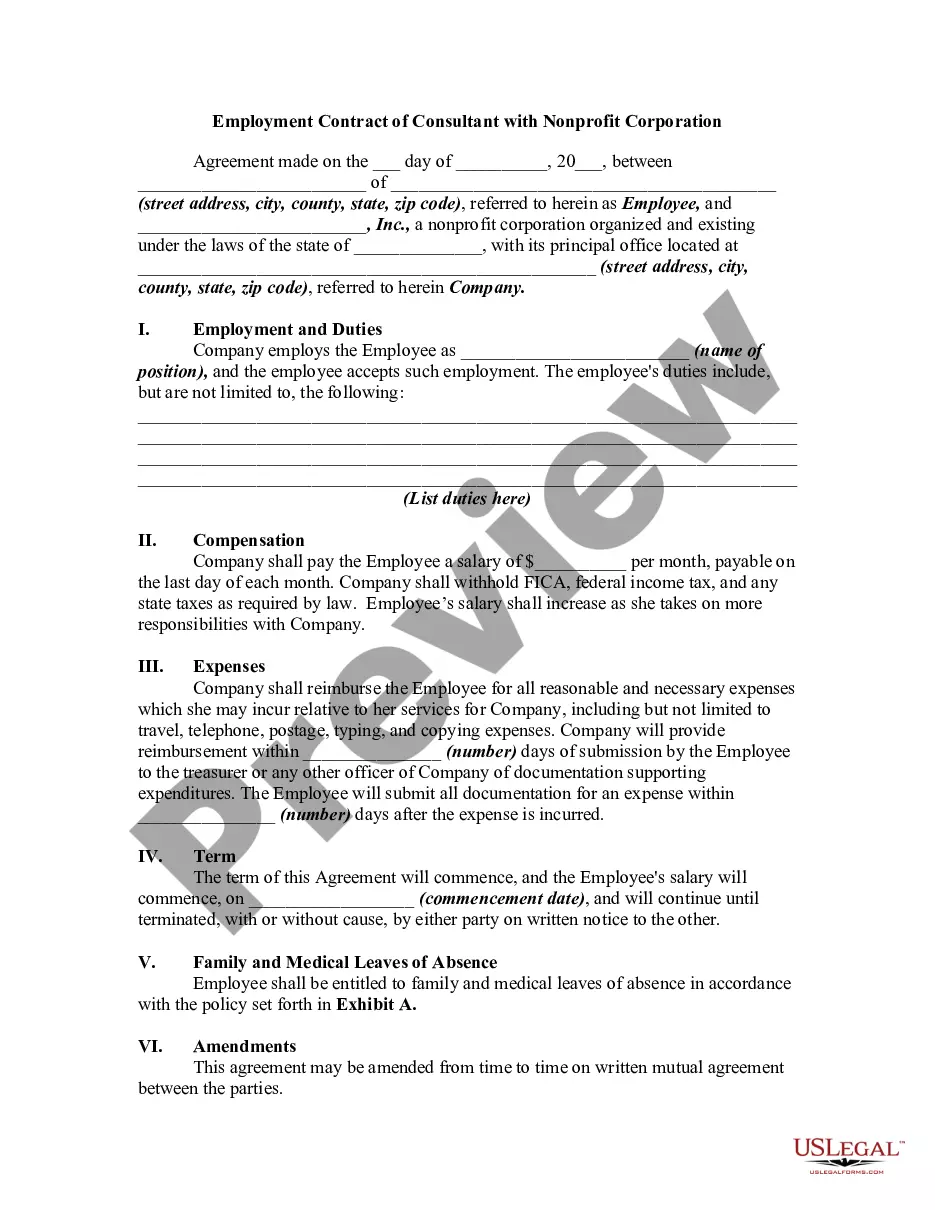
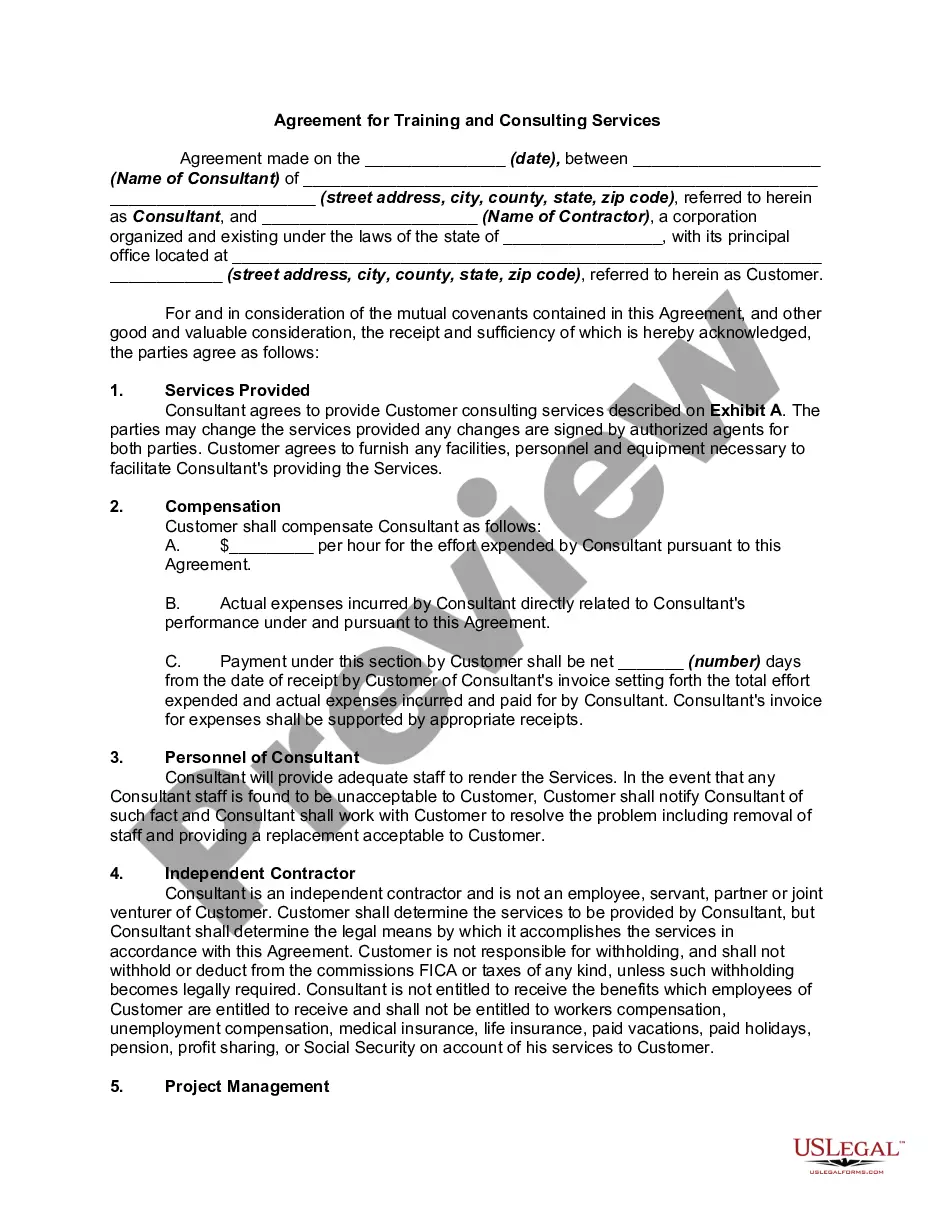
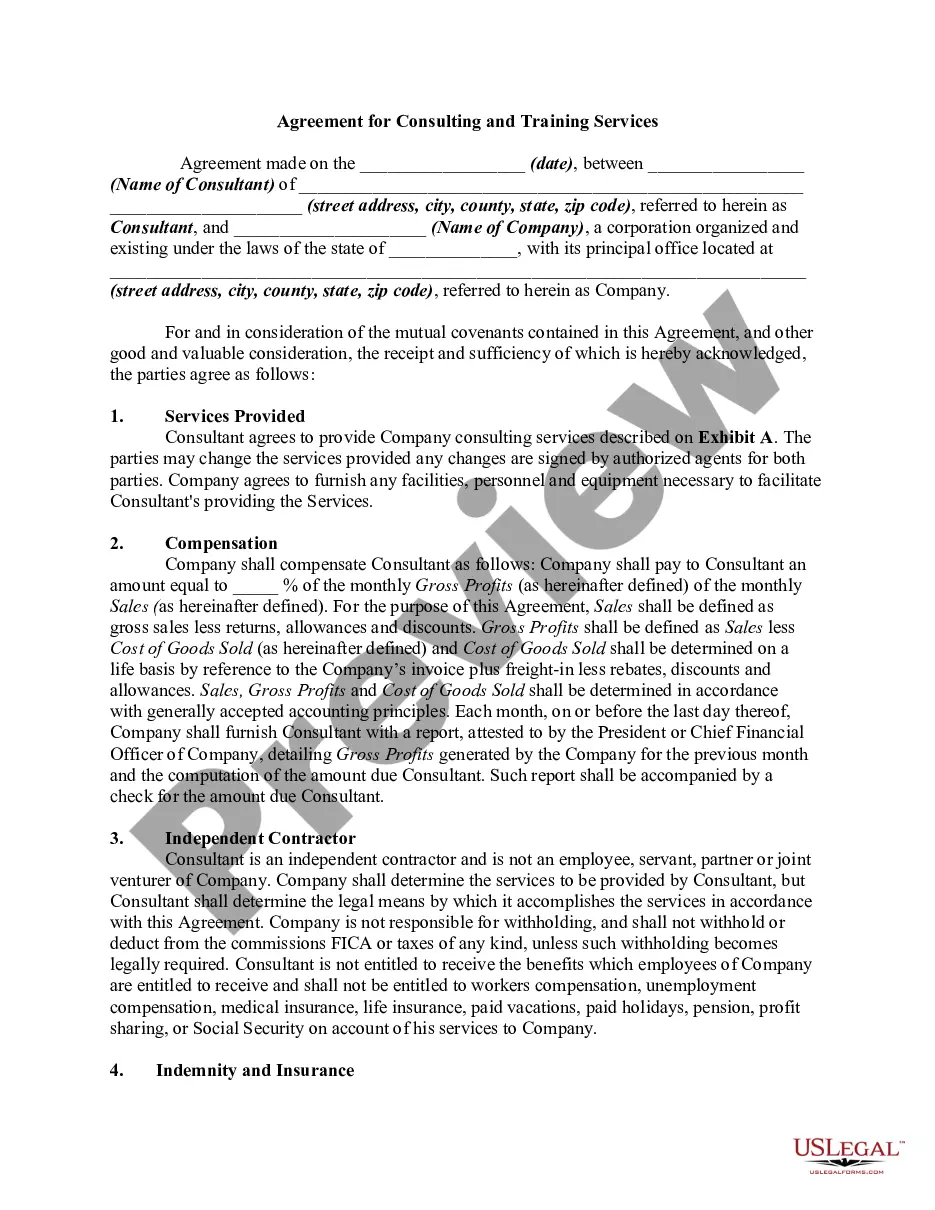
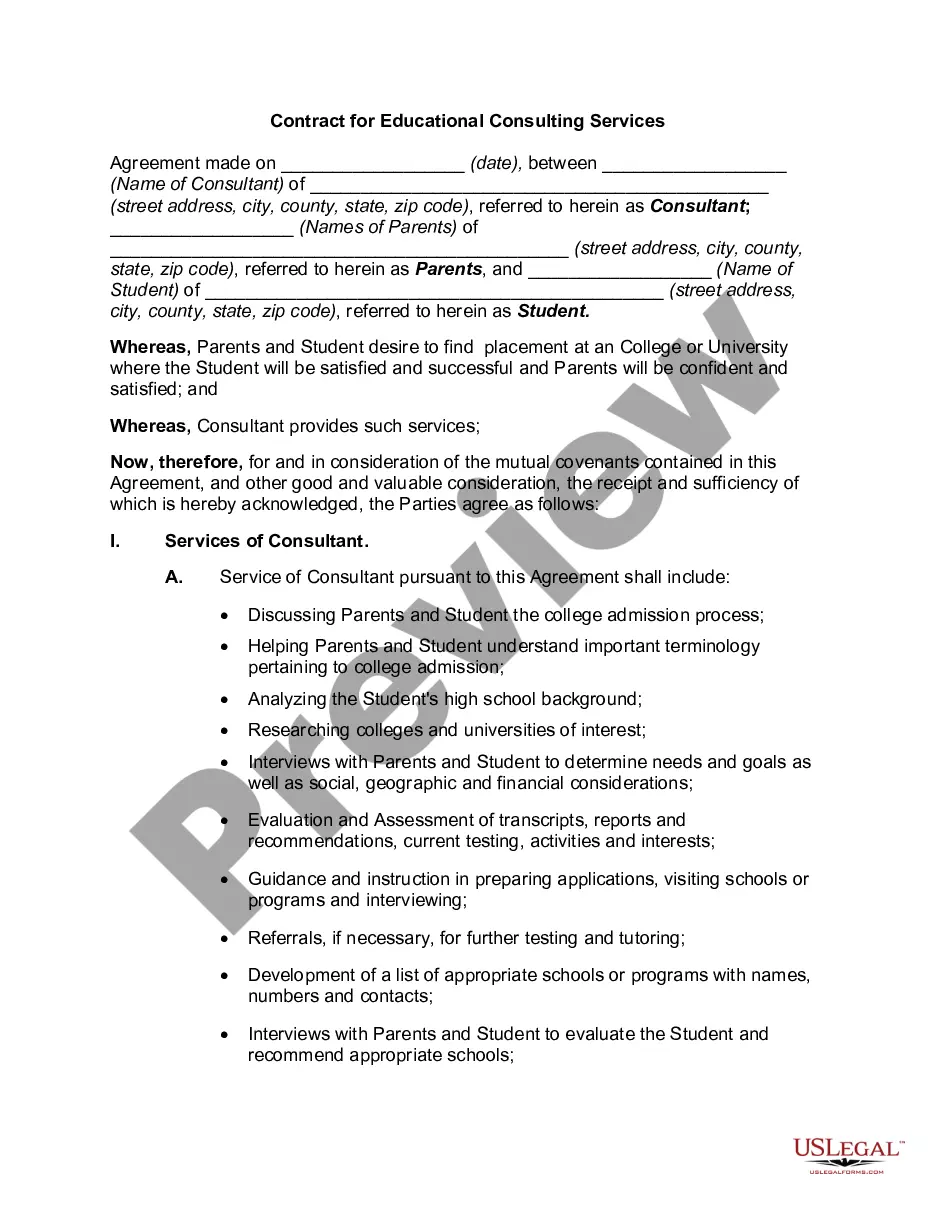
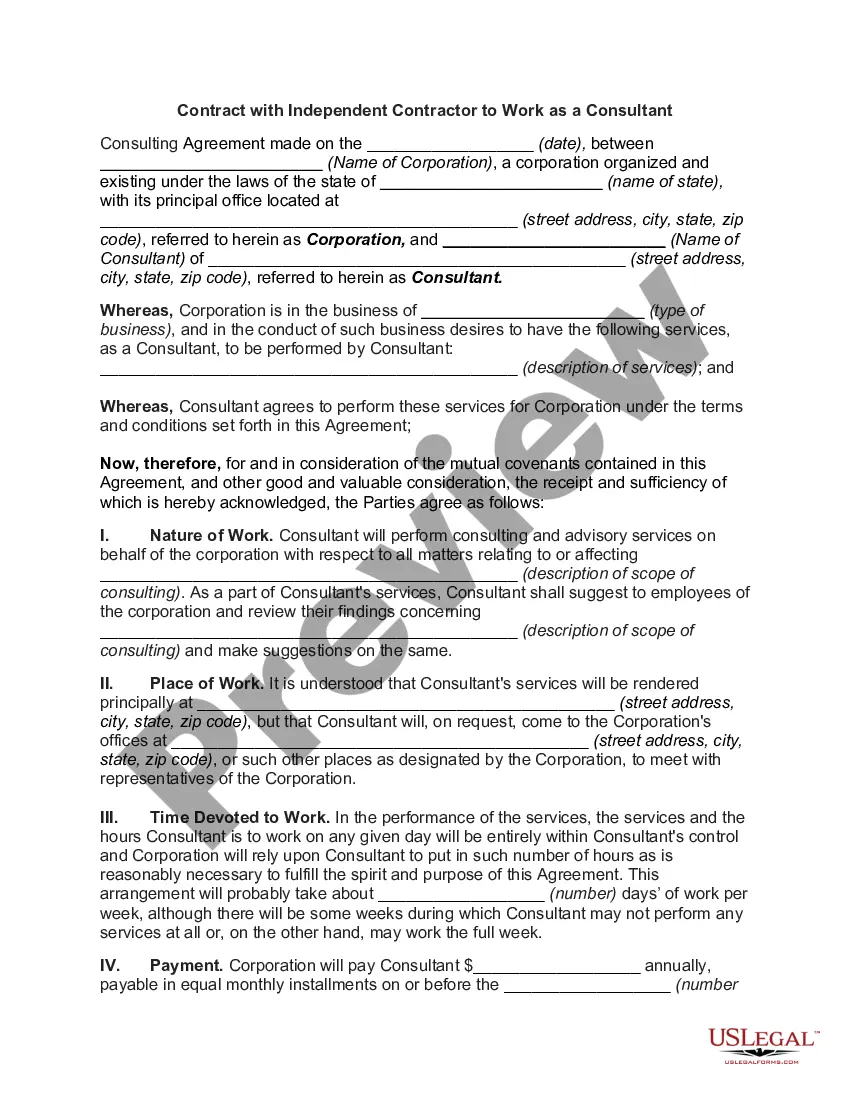
Get your form ready online
Our built-in tools help you complete, sign, share, and store your documents in one place.
Make edits, fill in missing information, and update formatting in US Legal Forms—just like you would in MS Word.
Download a copy, print it, send it by email, or mail it via USPS—whatever works best for your next step.
Sign and collect signatures with our SignNow integration. Send to multiple recipients, set reminders, and more. Go Premium to unlock E-Sign.
If this form requires notarization, complete it online through a secure video call—no need to meet a notary in person or wait for an appointment.
We protect your documents and personal data by following strict security and privacy standards.

Make edits, fill in missing information, and update formatting in US Legal Forms—just like you would in MS Word.

Download a copy, print it, send it by email, or mail it via USPS—whatever works best for your next step.

Sign and collect signatures with our SignNow integration. Send to multiple recipients, set reminders, and more. Go Premium to unlock E-Sign.

If this form requires notarization, complete it online through a secure video call—no need to meet a notary in person or wait for an appointment.

We protect your documents and personal data by following strict security and privacy standards.
Looking for another form?


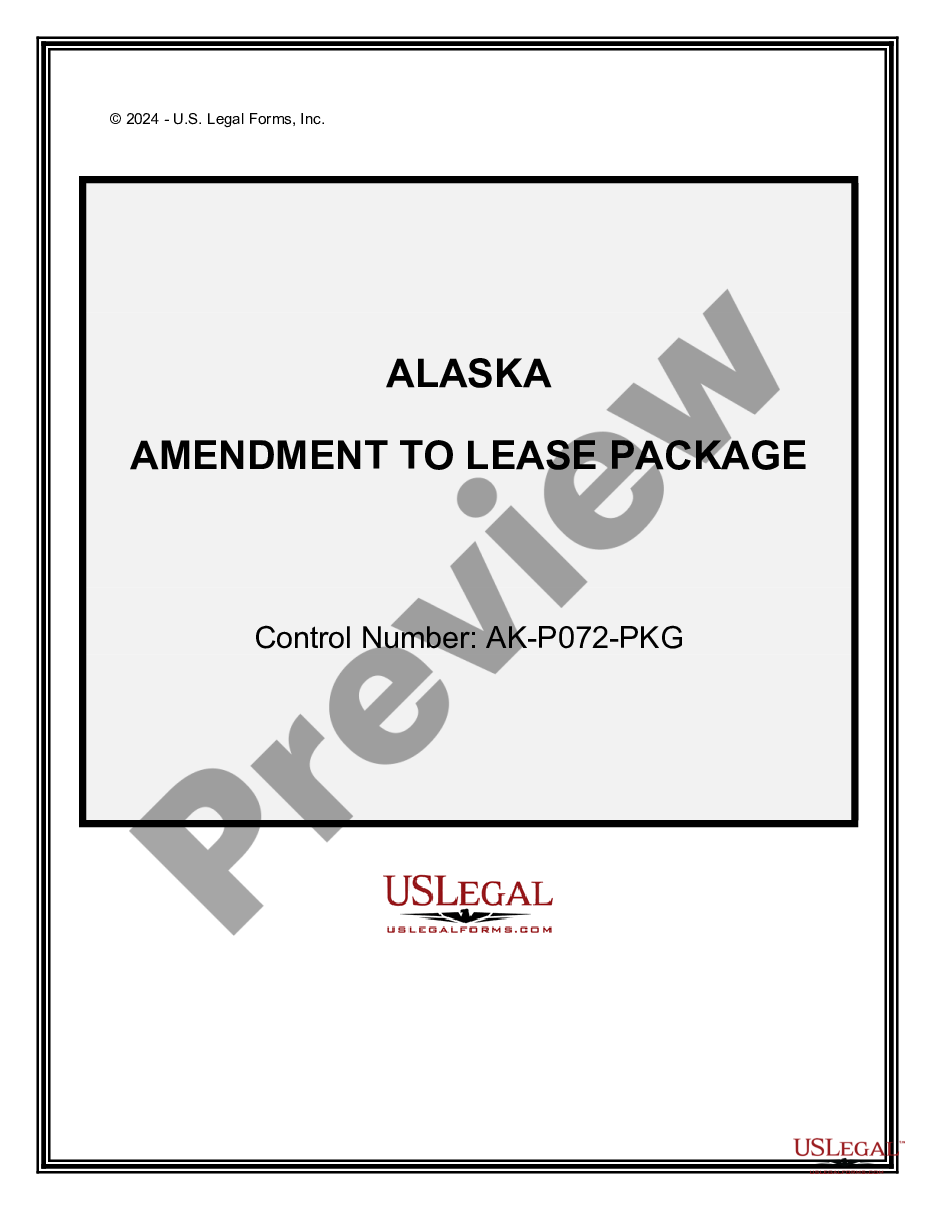





Form popularity
FAQ
A California statute (part of the Psychology Licensing Law) allows psychologists who are licensed at the doctoral level in another state or territory of the United States (or a Canadian province) to offer and provide psychological services in California for up to thirty calendar days per year.
License Requirements Education. Electronic Transcripts. Register as an APCC. Fingerprint Requirement. Criminal Background Check. Take and Pass the California Law & Ethics Exam. Accrue Supervised Experience. Apply for Licensure. Take and Pass the Clinical Exam (NCMHCE)
California law requires 3,000 hours of supervised post-degree professional experience, including 104 supervised weeks, in order to qualify for LPCC licensure.
Yes, licensed professional counselors (LPCs) can have a private practice in California. However, LPCs must meet specific requirements and obtain proper licensure from the California Board of Behavioral Sciences (BBS) to practice independently.
Education requirements To work in counseling or therapy, you'll need to hold a master's degree. California separates counseling and therapy professionals into 2 primary groups: licensed professional clinical counselors (LPCC) and licensed marriage and family therapists (LMFT).
School counselors, who provide counseling, social development, and other guidance services to students in K-12 settings, must be licensed by the California Commission on Teacher Credentialing (CTC).
Licensed Professional Clinical Counselors (LPCCs) are master's-degree-level specialists who are trained to help people improve their mental health. As opposed to Licensed Professional counselors (LPCs), which are common in many states, California — along with six states — adds clinical in the title.
LPCCs work in a variety of settings, including private practice, schools, hospitals, VAs, and community agencies.
