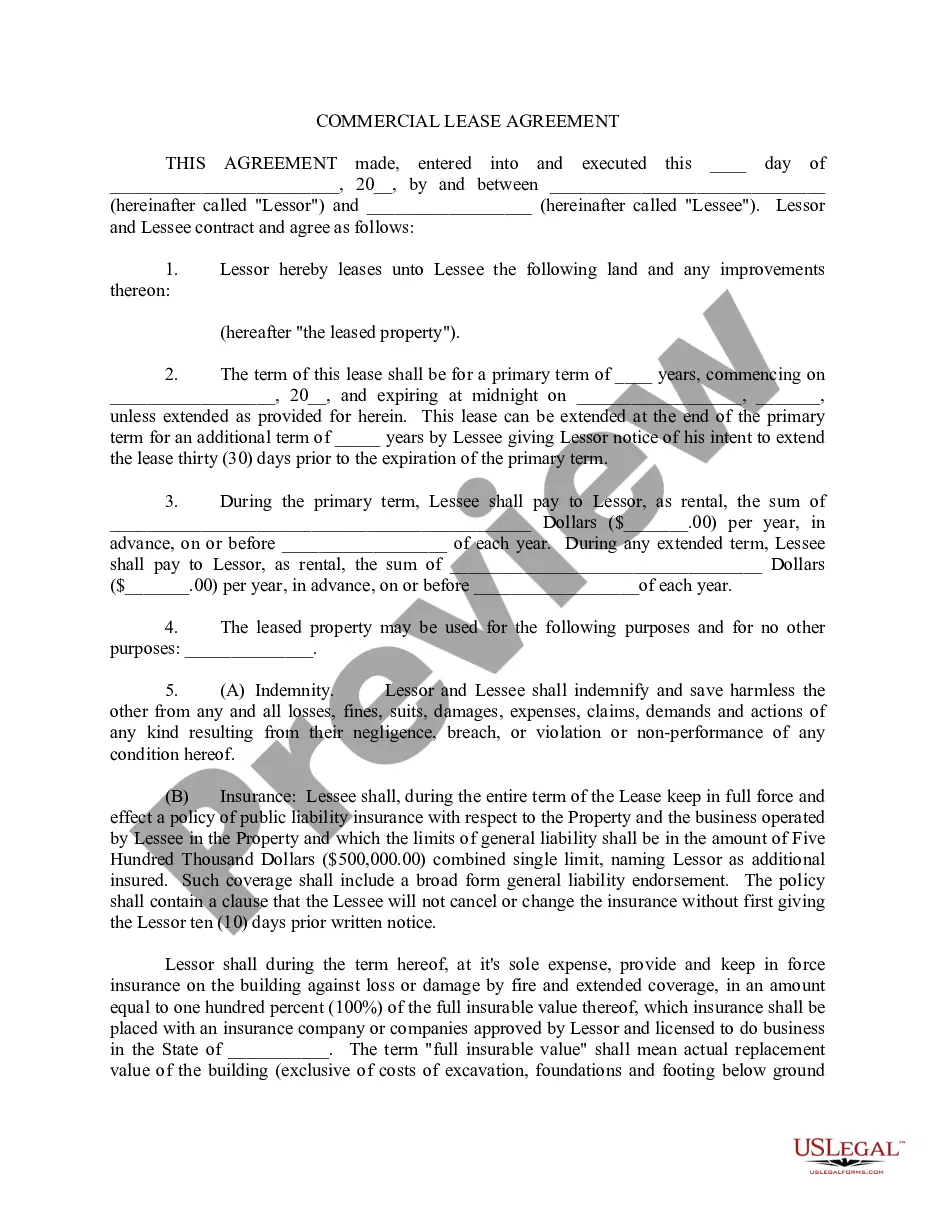
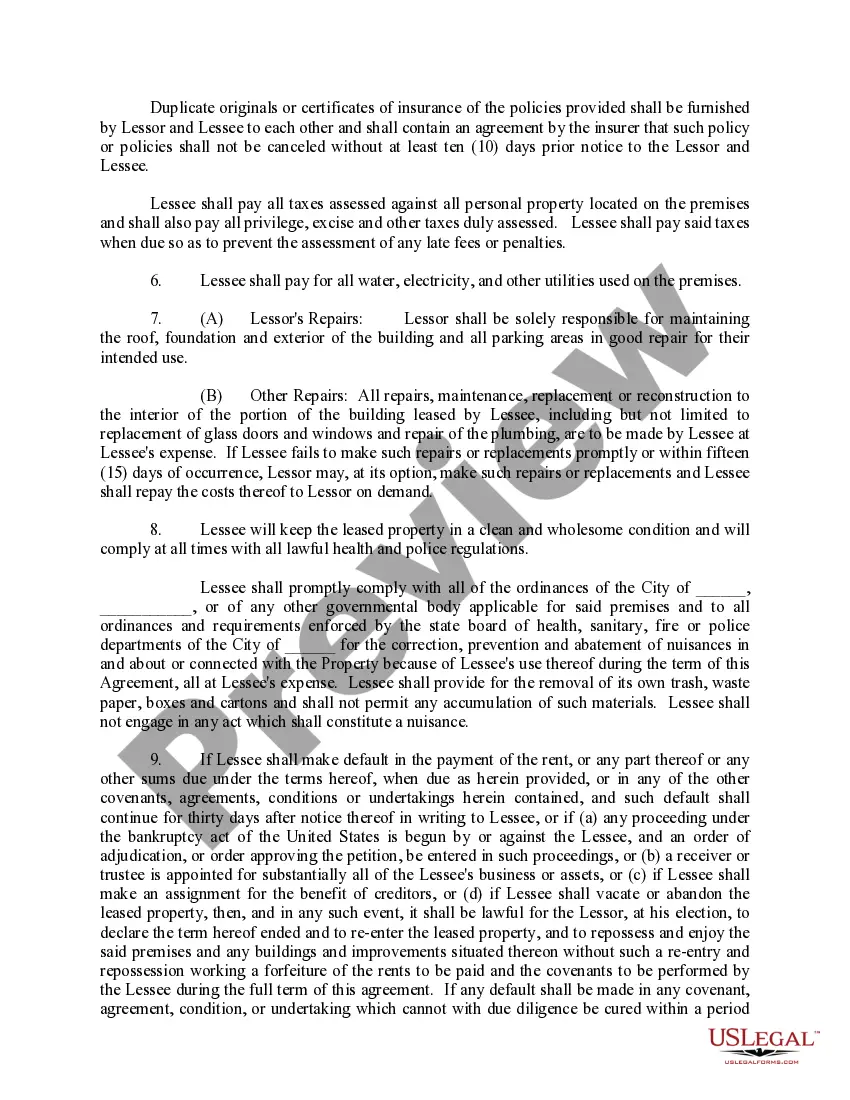
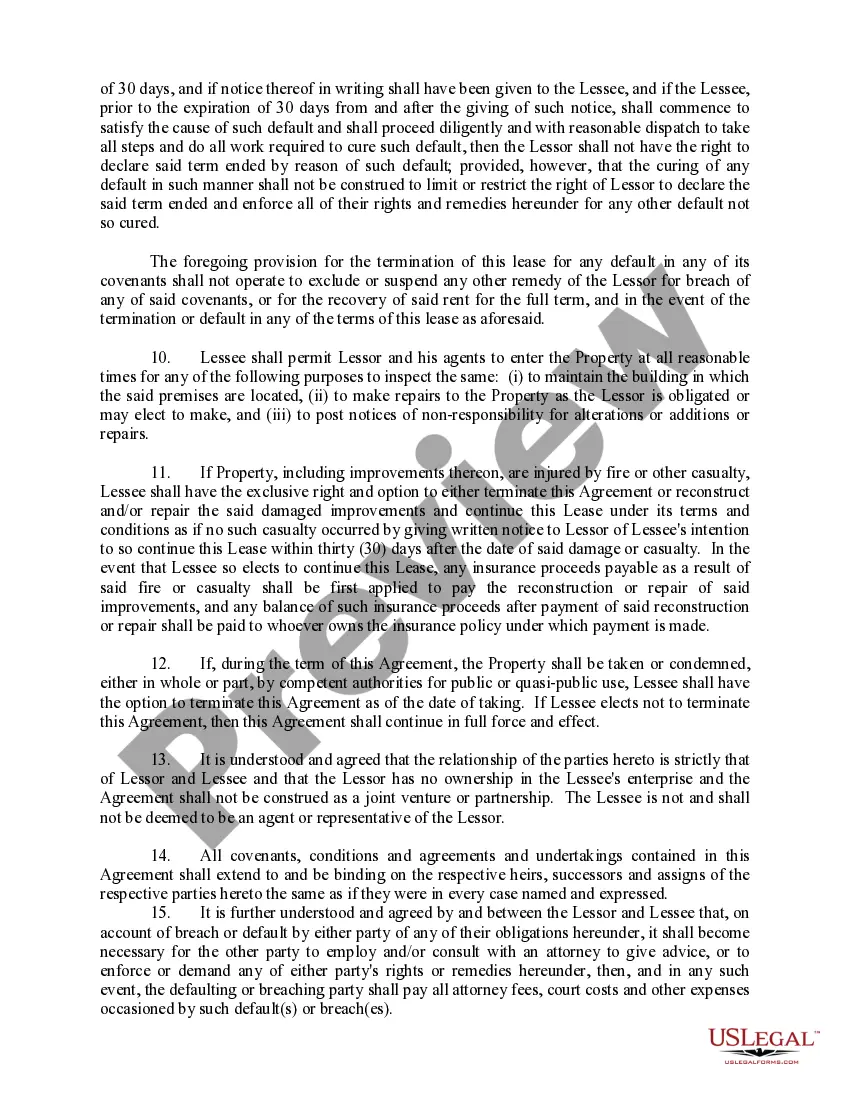
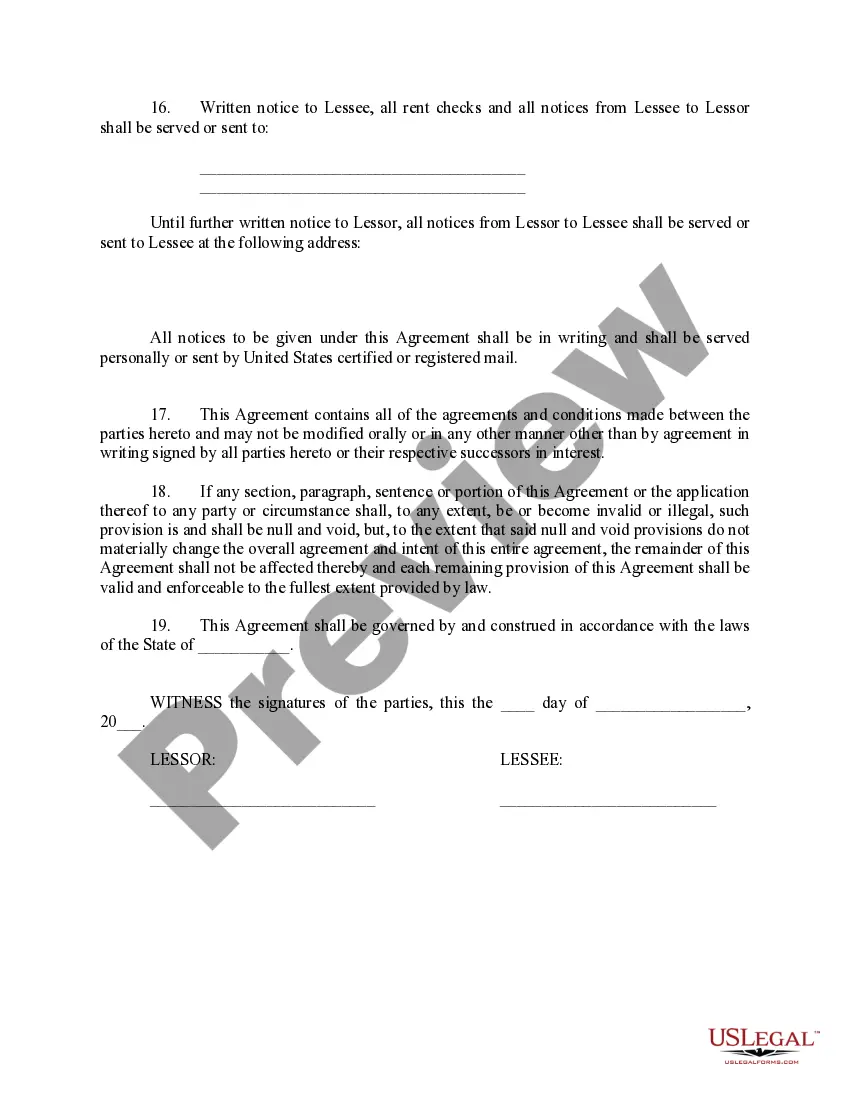
Commercial Lease Agreement Application With Personal Guarantee In Wake
Description

Get your form ready online
Our built-in tools help you complete, sign, share, and store your documents in one place.
Make edits, fill in missing information, and update formatting in US Legal Forms—just like you would in MS Word.
Download a copy, print it, send it by email, or mail it via USPS—whatever works best for your next step.
Sign and collect signatures with our SignNow integration. Send to multiple recipients, set reminders, and more. Go Premium to unlock E-Sign.
If this form requires notarization, complete it online through a secure video call—no need to meet a notary in person or wait for an appointment.
We protect your documents and personal data by following strict security and privacy standards.

Make edits, fill in missing information, and update formatting in US Legal Forms—just like you would in MS Word.

Download a copy, print it, send it by email, or mail it via USPS—whatever works best for your next step.

Sign and collect signatures with our SignNow integration. Send to multiple recipients, set reminders, and more. Go Premium to unlock E-Sign.

If this form requires notarization, complete it online through a secure video call—no need to meet a notary in person or wait for an appointment.

We protect your documents and personal data by following strict security and privacy standards.
Looking for another form?






Form popularity
FAQ
In many cases, a business owner can file a consumer bankruptcy to discharge (wipe out) the personal guarantee. For clarity, a "consumer bankruptcy" means the business owner must file bankruptcy personally, not put the business in bankruptcy, to erase the personal guarantee.
Standard Commercial Lease Agreements. A standard commercial lease is about three to five years. As a middle ground between short and long leases, standard commercial leases bring the best of both together. Standard lease agreements give tenants some flexibility in negotiations and the ability to move in the future.
A commercial property lease usually continues until its end date unless it includes a break clause. A break clause is a line in the lease that allows the landlord, tenant or both to end a lease early without facing a penalty. It includes an agreed date when the lease can be ended.
Can I get out of a personal guarantee? Take Out Personal Guarantee Insurance. Renegotiating The Contract Upon Which the Personal Guarantee Is Attached. Go into an Individual Voluntary Arrangement (IVA) ... Go Bankrupt.
You may be able to negotiate your own exit terms by offering the landlord a deal. There is no guarantee that it will be accepted, however, and it might be a costly process. This involves finding a new tenant to take over your lease. The landlord will want to impose restrictions and make sure of their suitability.
While you may have every intention of fulfilling all of the obligations of the lease, agreeing to an unlimited personal guaranty could be a substantial risk. For example, if you are only a few years into a 10-year lease, you could be liable for all unpaid rent and additional rent through the agreement's end.
How to get out of a personal guarantee on a commercial lease Subleasing the space to another tenant. Assigning the lease to another party. Use a break clause. Renegotiate the lease contract. Have a personal guarantee insurance. Breaking the lease.
In many cases, a business owner can file a consumer bankruptcy to discharge (wipe out) the personal guarantee. For clarity, a "consumer bankruptcy" means the business owner must file bankruptcy personally, not put the business in bankruptcy, to erase the personal guarantee.
2 Offer alternatives Negotiating lease terms without a personal guarantee can be done by offering alternatives that meet the landlord's need for security while limiting your personal liability. Common alternatives include a security deposit, a letter of credit, and a corporate guarantee.
