Commercial Property For Purchase In Santa Clara
Description
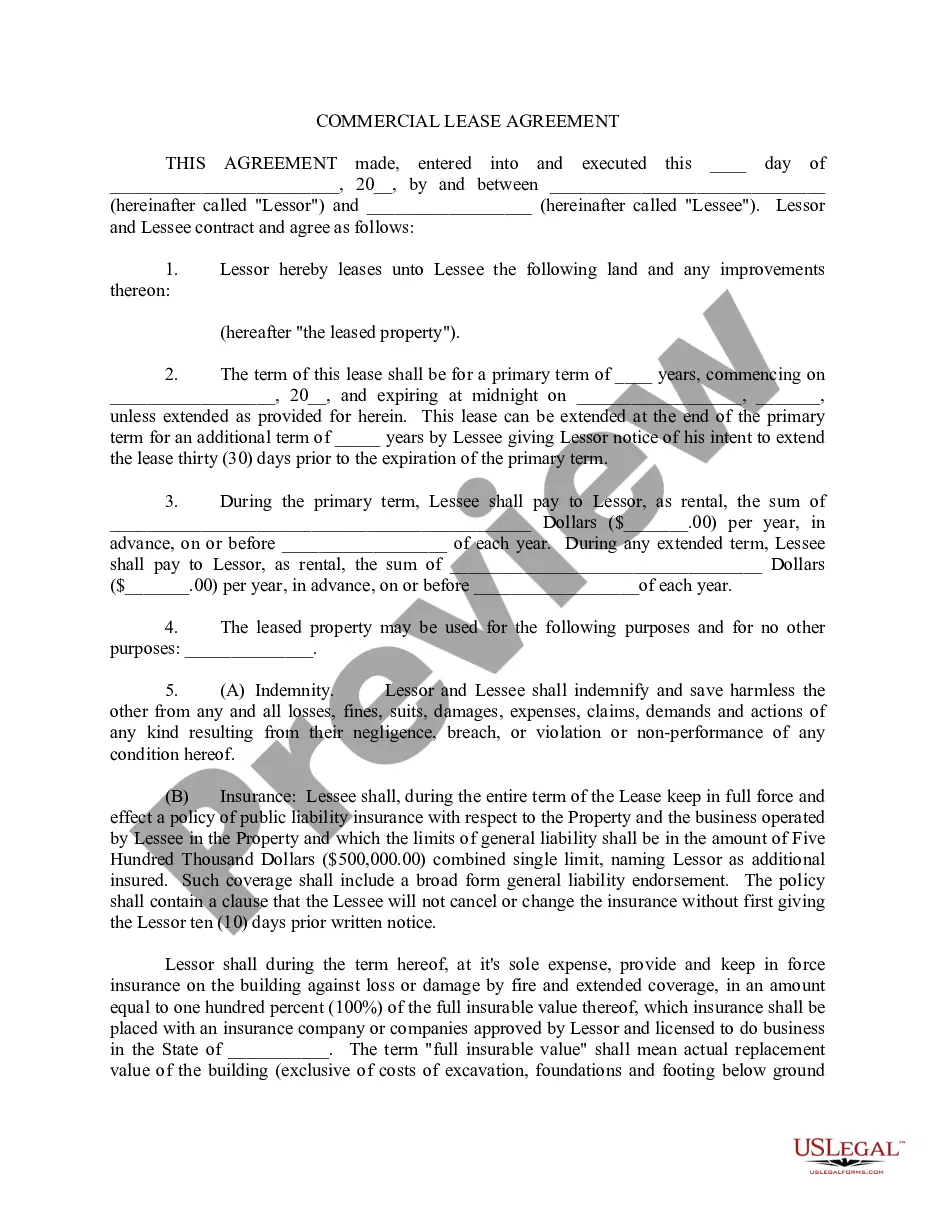
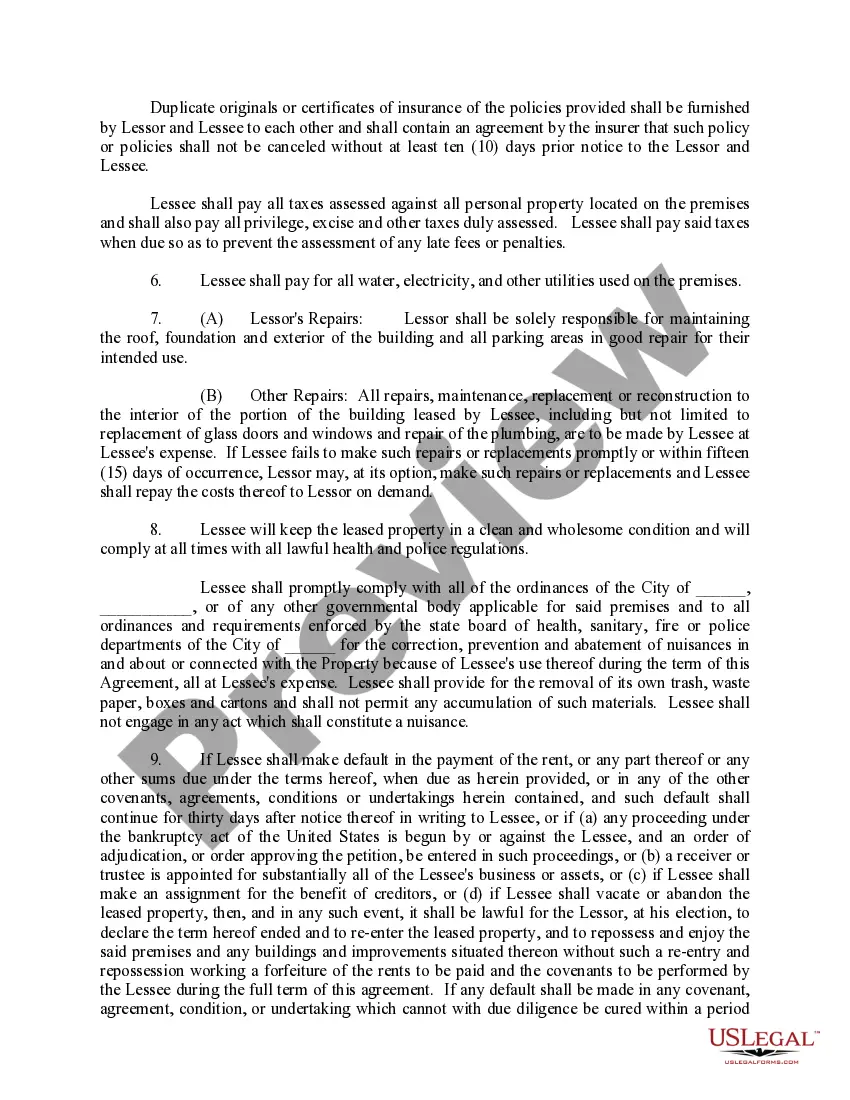
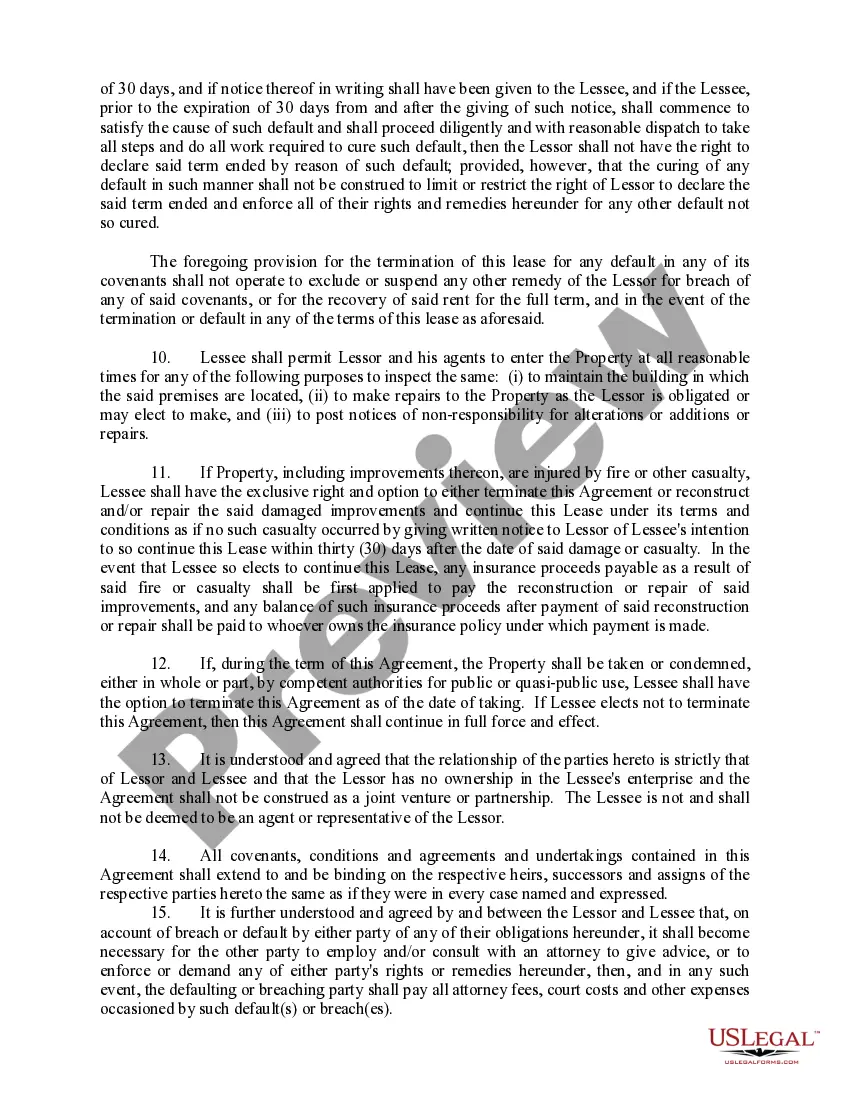
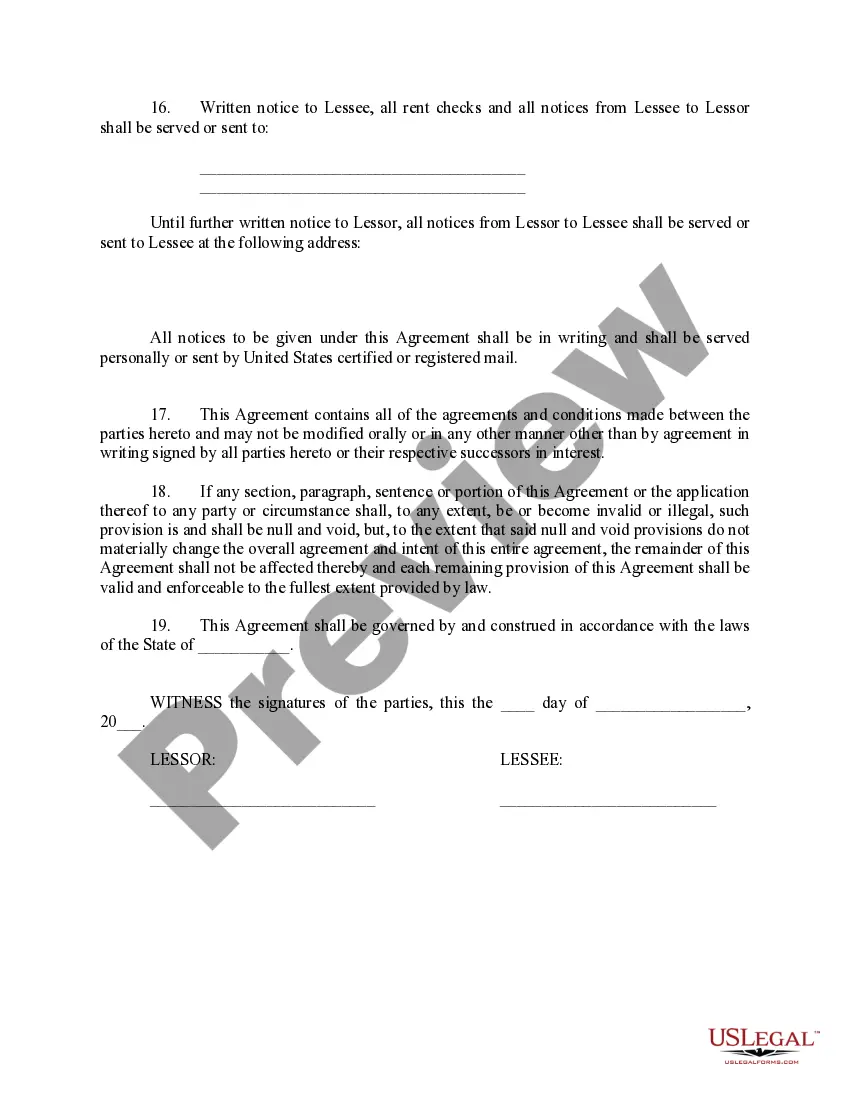

Get your form ready online
Our built-in tools help you complete, sign, share, and store your documents in one place.
Make edits, fill in missing information, and update formatting in US Legal Forms—just like you would in MS Word.
Download a copy, print it, send it by email, or mail it via USPS—whatever works best for your next step.
Sign and collect signatures with our SignNow integration. Send to multiple recipients, set reminders, and more. Go Premium to unlock E-Sign.
If this form requires notarization, complete it online through a secure video call—no need to meet a notary in person or wait for an appointment.
We protect your documents and personal data by following strict security and privacy standards.

Make edits, fill in missing information, and update formatting in US Legal Forms—just like you would in MS Word.

Download a copy, print it, send it by email, or mail it via USPS—whatever works best for your next step.

Sign and collect signatures with our SignNow integration. Send to multiple recipients, set reminders, and more. Go Premium to unlock E-Sign.

If this form requires notarization, complete it online through a secure video call—no need to meet a notary in person or wait for an appointment.

We protect your documents and personal data by following strict security and privacy standards.
Looking for another form?



Form popularity
FAQ
California corporate taxes The corporate tax rate in California is higher than the average corporate tax rate in the US. It's a flat 8.84%, and applies to net taxable income from any business activity in the state.
Business Personal Property includes all supplies, equipment and any fixtures used in the operation of a business. Exempt from reporting are business inventory, application software and licensed vehicles (except Special Equipment (SE) tagged and off-road vehicles).
Santa Clara County Property Tax Rates The average effective property tax rate in Santa Clara County is 0.70% – around the statewide average of 0.71%. But because the median home value in Santa Clara County is incredibly high at $1,316,800, the median annual property tax payment in the county is $9,252.
California's property tax rate is 1% of assessed value (also applies to real property) plus any bonded indebtedness voted in by the taxpayers.
571-L Business Property Statement Filing. All businesses that are eligible to e-file or utilize SDR are urged to file using these new technologies as they save time for both the taxpayer and the Assessor's Office.
As it stands, commercial properties in California are primarily taxed at a foundational rate of 1% of their assessed value, thanks to the provisions set forth by Proposition 13. This means if a commercial property has an assessed value of $1 million, the base property tax owed would be $10,000.
These licenses vary state-by-state: a few states require specialized commercial licenses for agents who become brokers, but most others, like California, require the same license for all realtors, regardless of their property specialization or title.
California law does not require a specific license to become a landlord. However, regulations and requirements can vary between different cities and counties.
How to Start Your Commercial Real Estate Firm in 10 Achievable Steps Step 1: Choose a Commercial Real Estate Mentor. Step 2: Apply for Your License. Step 3: Gather Your Savings. Step 4: Find a Great Location! ... Step 5: Get Insurance. Step 6: Create a Professional Website. Step 7: Recruit Agents.
Many of the issues confronting industry stakeholders in the new year are interrelated. High Financing Costs. Massive Commercial Real Estate Debt. High Cap Rates. Soaring Insurance Costs. Increasingly Unaffordable Housing. Rise in Artificial Intelligence. Impact of Extreme Weather. Lingering Office Vacancies.
