Commercial Property For Purchase In San Antonio
Description
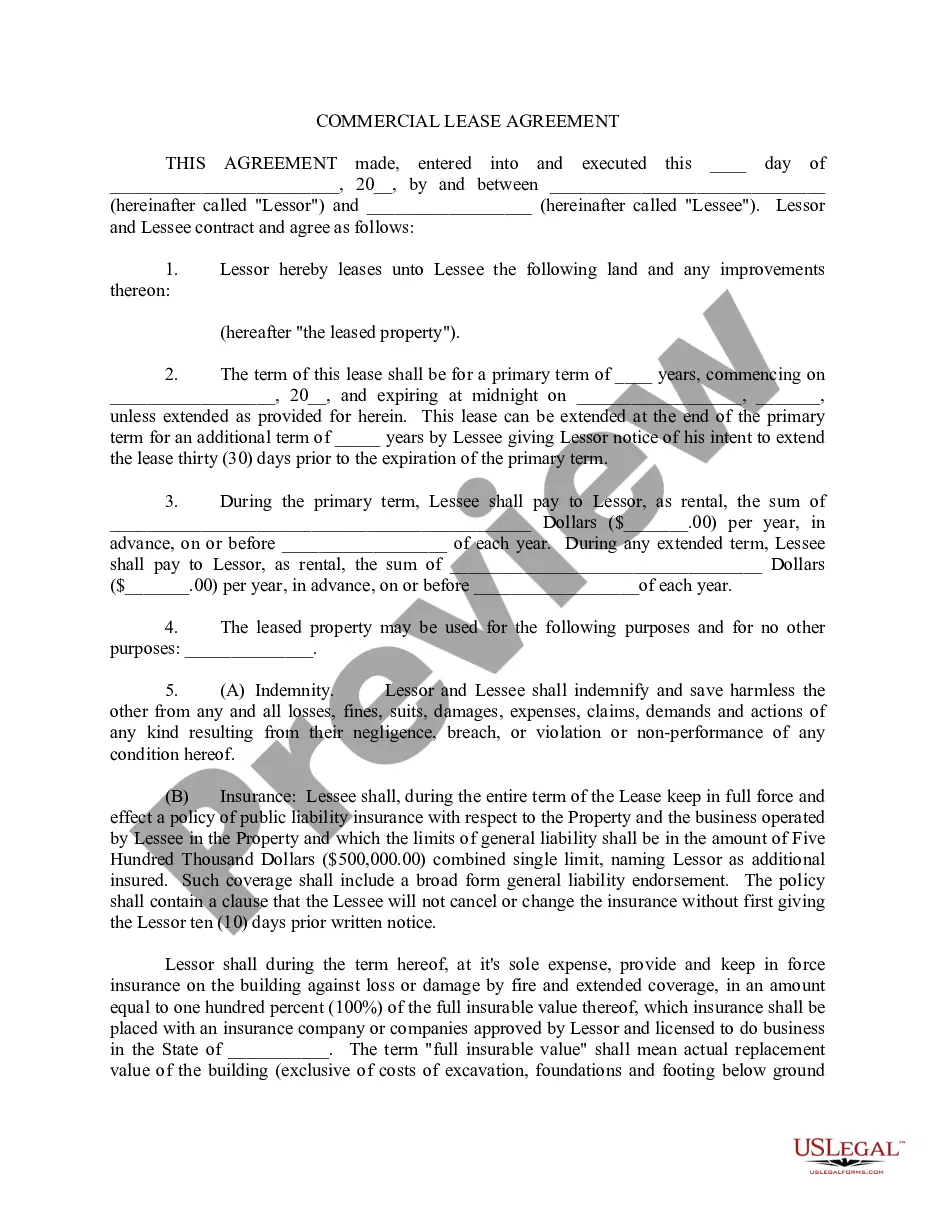
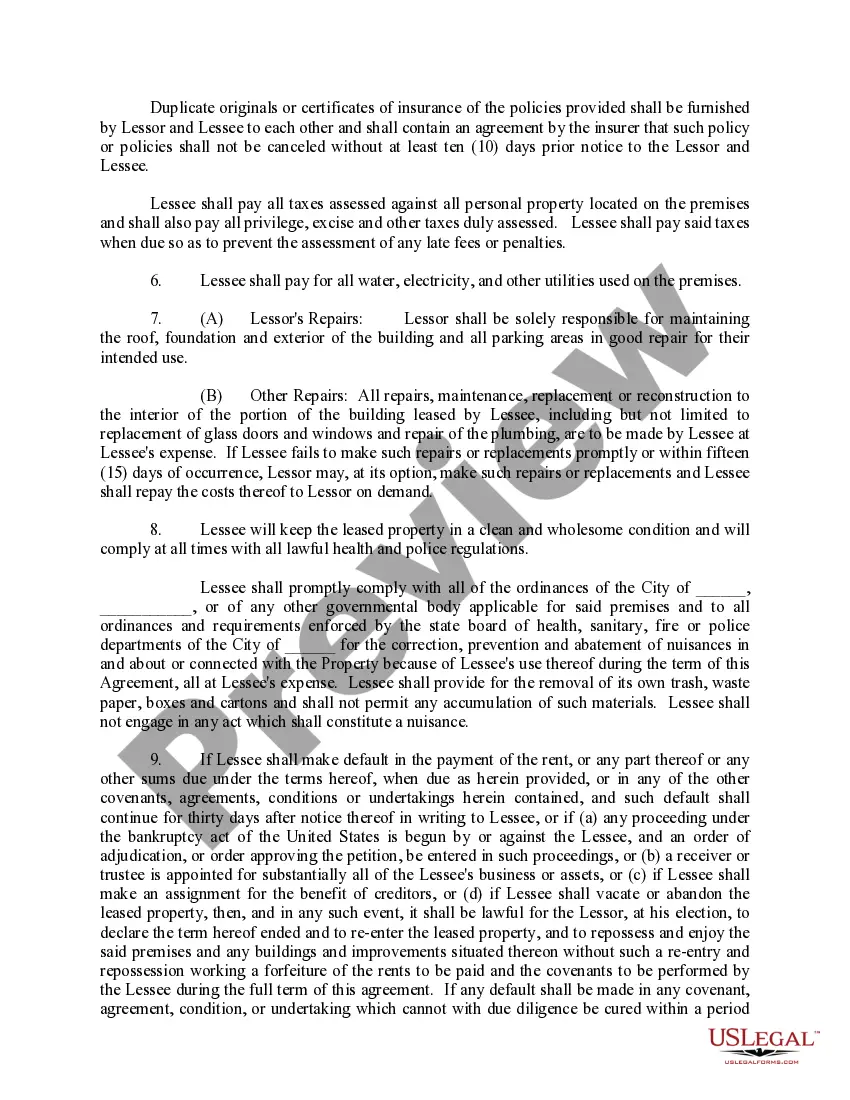
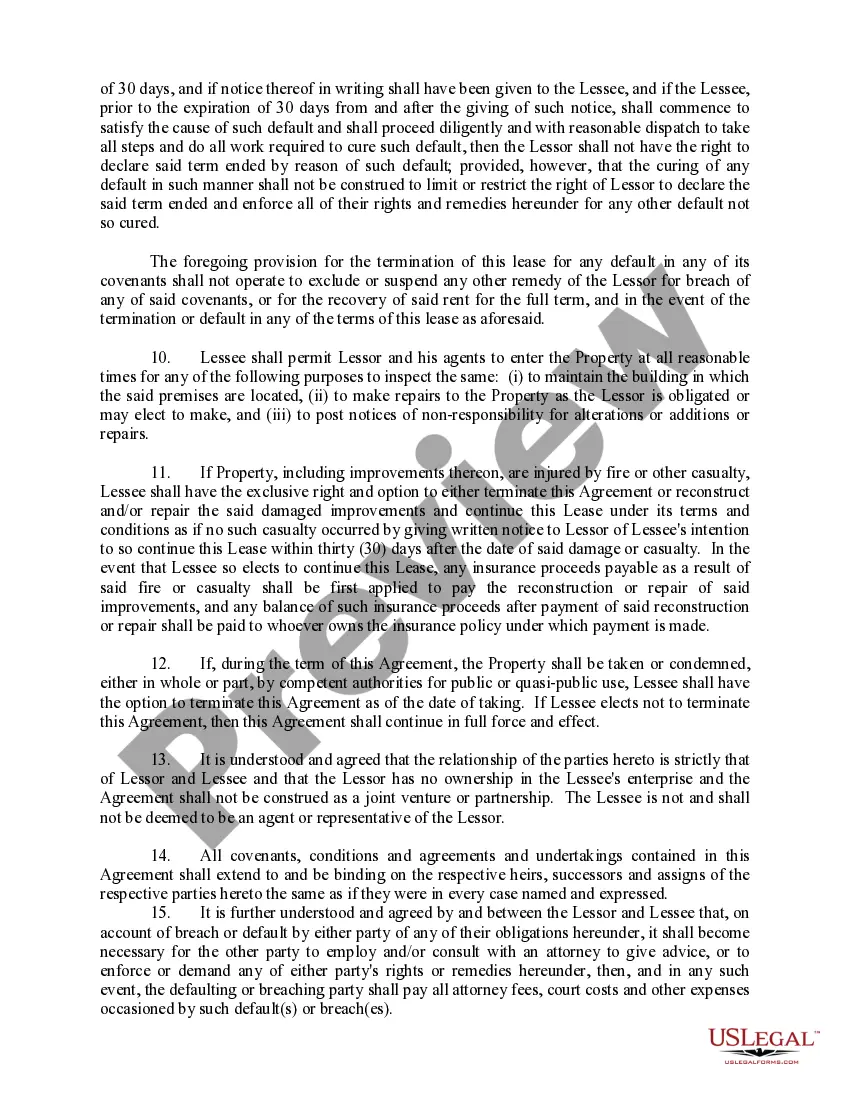
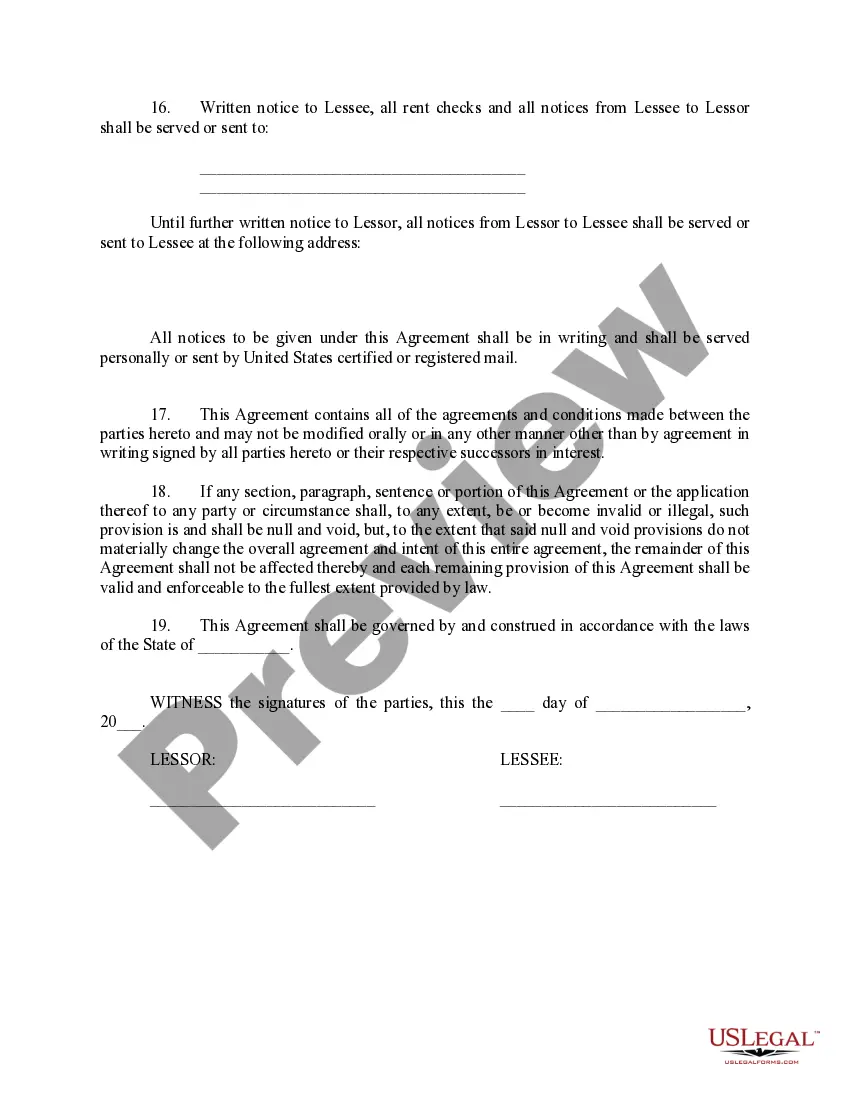

Get your form ready online
Our built-in tools help you complete, sign, share, and store your documents in one place.
Make edits, fill in missing information, and update formatting in US Legal Forms—just like you would in MS Word.
Download a copy, print it, send it by email, or mail it via USPS—whatever works best for your next step.
Sign and collect signatures with our SignNow integration. Send to multiple recipients, set reminders, and more. Go Premium to unlock E-Sign.
If this form requires notarization, complete it online through a secure video call—no need to meet a notary in person or wait for an appointment.
We protect your documents and personal data by following strict security and privacy standards.

Make edits, fill in missing information, and update formatting in US Legal Forms—just like you would in MS Word.

Download a copy, print it, send it by email, or mail it via USPS—whatever works best for your next step.

Sign and collect signatures with our SignNow integration. Send to multiple recipients, set reminders, and more. Go Premium to unlock E-Sign.

If this form requires notarization, complete it online through a secure video call—no need to meet a notary in person or wait for an appointment.

We protect your documents and personal data by following strict security and privacy standards.
Looking for another form?

Form popularity
FAQ
You typically have to get permission from the city to do this and that usually requires providing them with detailed plans and attending city planning meetings. Your property has to meet certain rules and standards to ensure it complies with commercial standards and building codes.
In Texas, commercial real estate tax rates are higher than the national average at 1.83% rather than 1.08%.
For the conversion, you will be required to visit your Jurisdictional Municipal Office and request for granting you a permit for changing your zoning laws. Under such, you can hire any professional surveyor, an architect, or an attorney to validate your case, if the zoning change hearing is to be held in the court.
While there is no general business license requirement at the state level, there are franchise tax obligations for any taxable entity doing business in Texas. Businesses may have to obtain licenses and permits (such as a general business license) at the city and/or county levels.
There are many different types of public and commercial buildings. A general rule of thumb is that non-residential buildings and apartment complexes larger than fourplexes, and are either public or commercial.
In Texas, there's no specific state license or permit required to start a janitorial or cleaning business. However, there may be some specific requirements for your city or the services you offer. To register a cleaning business in the Lone Star State, you must: Choose a type of business entity or business structure.
A permit is required to hold garage, yard, or estate sales within city limits. This applies to both residents and non-profit organizations. You may sell up to five items or less on your property without a Garage Sale Permit.
Do I need a Business License? The City of San Antonio does not have a general business license. The type of license or permit needed is based on the product or service you plan to provide.
The commercial property that has the most risk depends on various factors such as location, occupancy, and tenant mix. Generally, high-risk commercial properties include those with high vacancy rates, high tenant turnover, or those located in economically unstable areas. 3.
23 Top Ten Issues Affecting Real Estate® Inflation and Interest Rates. Geopolitical Risk. Hybrid Work. Supply Chain Disruption. Energy. Labor Shortage Strain. The Great Housing Imbalance. Regulatory Uncertainty.
