Commercial Property For Purchase In Palm Beach
Description
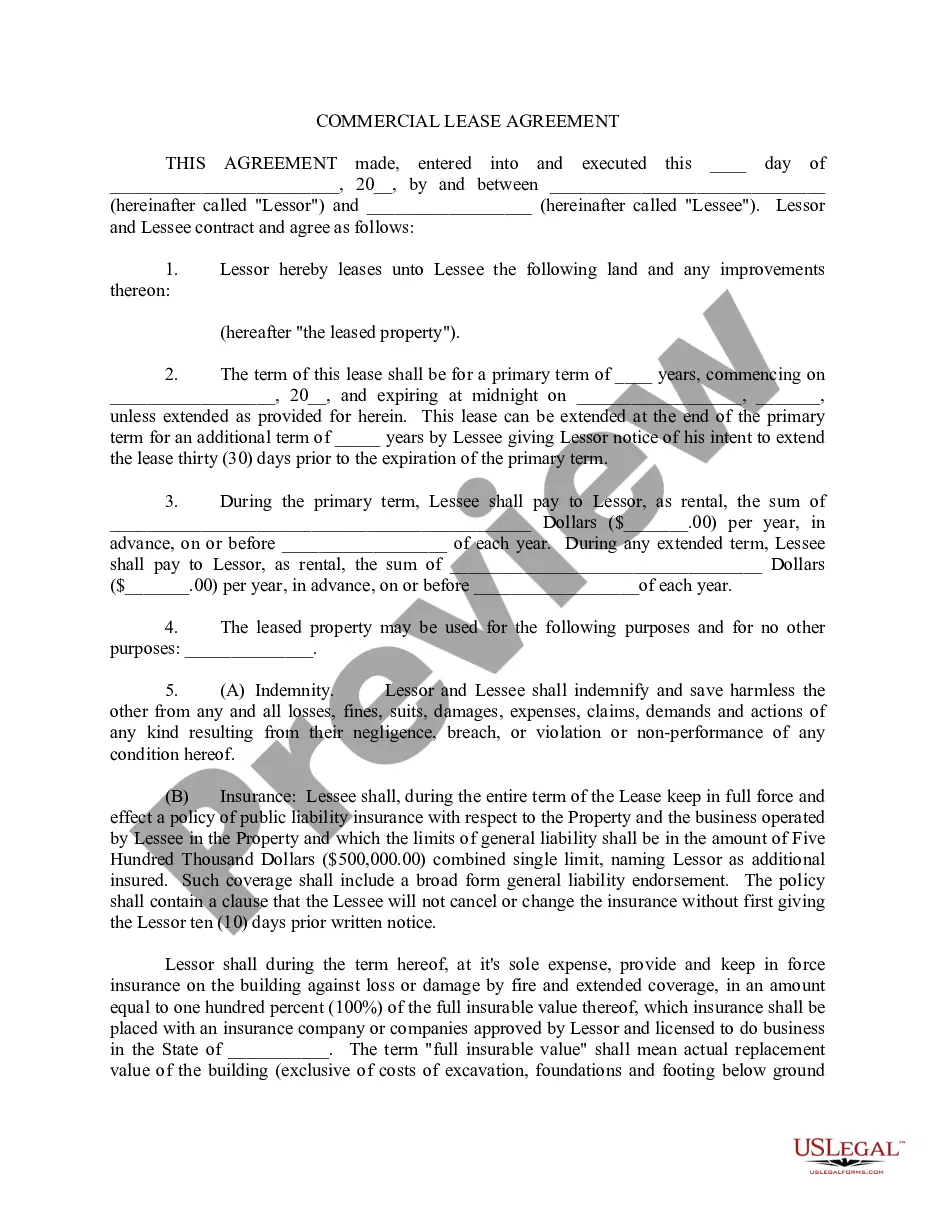
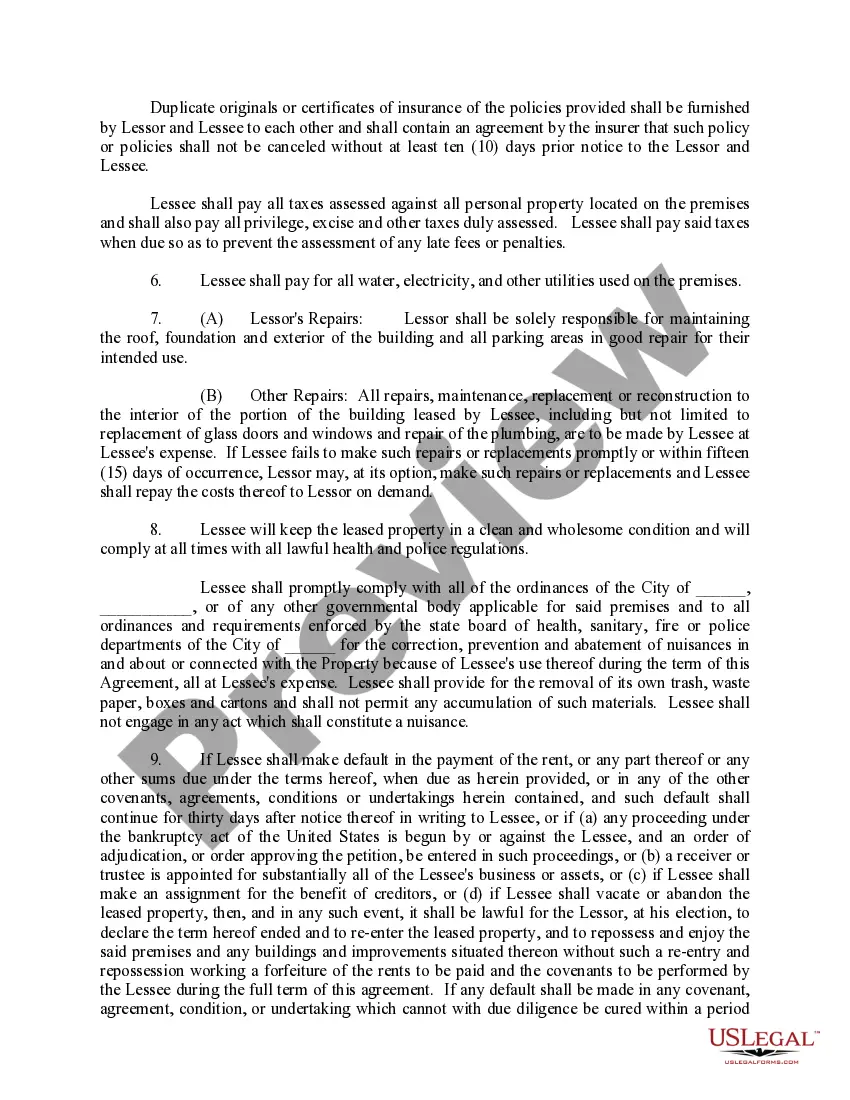
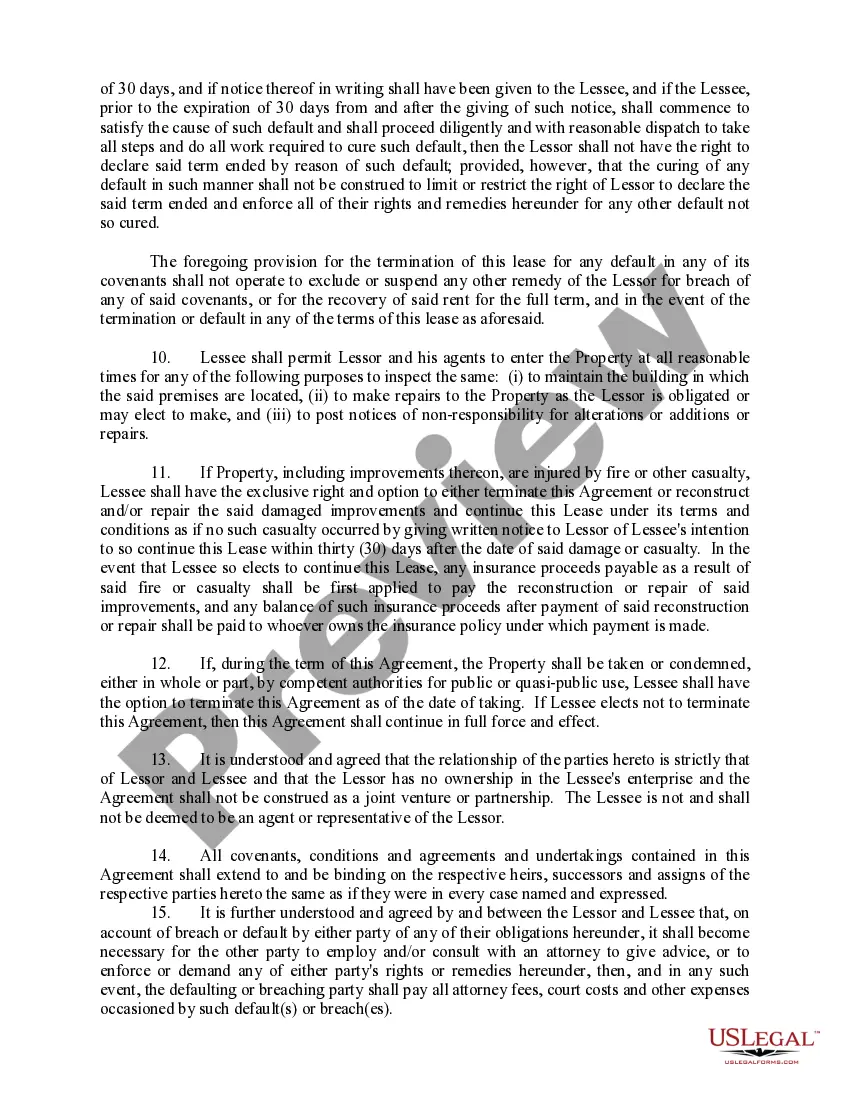
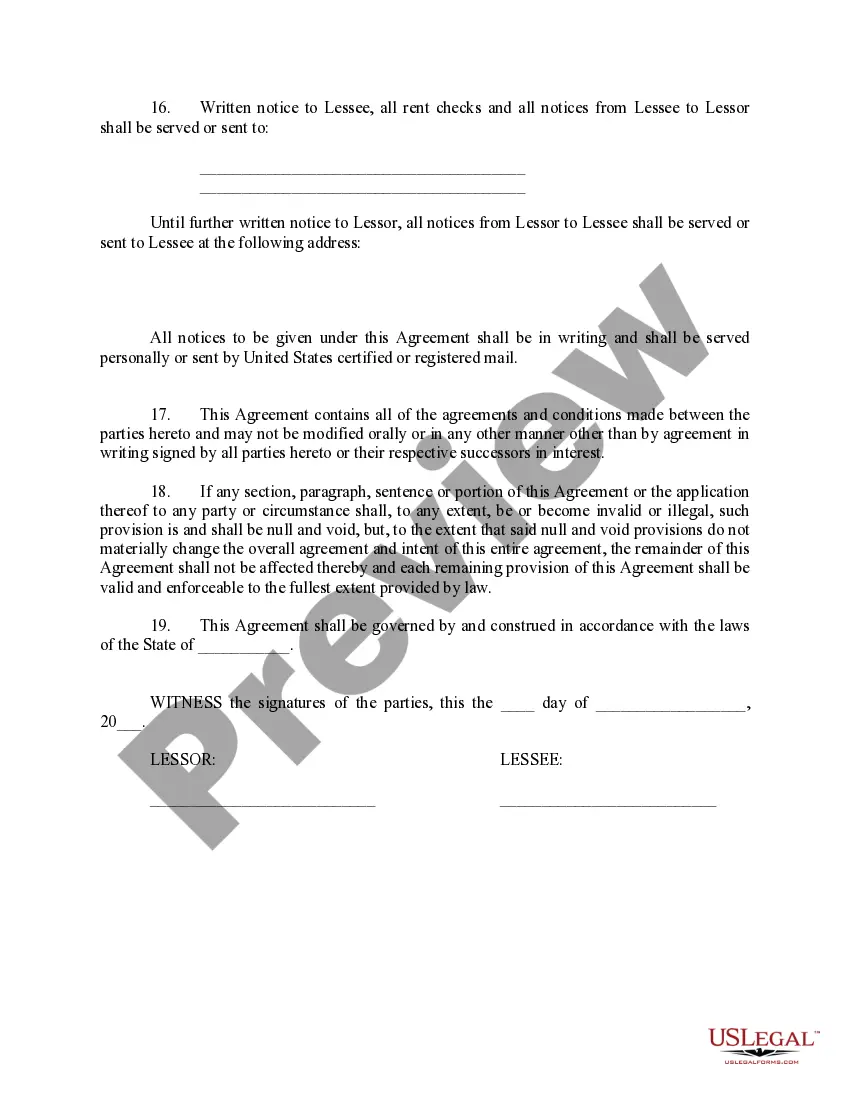

Get your form ready online
Our built-in tools help you complete, sign, share, and store your documents in one place.
Make edits, fill in missing information, and update formatting in US Legal Forms—just like you would in MS Word.
Download a copy, print it, send it by email, or mail it via USPS—whatever works best for your next step.
Sign and collect signatures with our SignNow integration. Send to multiple recipients, set reminders, and more. Go Premium to unlock E-Sign.
If this form requires notarization, complete it online through a secure video call—no need to meet a notary in person or wait for an appointment.
We protect your documents and personal data by following strict security and privacy standards.

Make edits, fill in missing information, and update formatting in US Legal Forms—just like you would in MS Word.

Download a copy, print it, send it by email, or mail it via USPS—whatever works best for your next step.

Sign and collect signatures with our SignNow integration. Send to multiple recipients, set reminders, and more. Go Premium to unlock E-Sign.

If this form requires notarization, complete it online through a secure video call—no need to meet a notary in person or wait for an appointment.

We protect your documents and personal data by following strict security and privacy standards.
Looking for another form?







Form popularity
FAQ
Capitalization Rate (Cap Rate) = Net Operating Income / Property Value. Value = Net Operating Income / Capitalization Rate.
Who pays closing costs in Florida? In Florida, similarly to other states, closing costs are charges that applied to both parties in a real estate transaction, the buyer AND the seller.
Many of the issues confronting industry stakeholders in the new year are interrelated. High Financing Costs. Massive Commercial Real Estate Debt. High Cap Rates. Soaring Insurance Costs. Increasingly Unaffordable Housing. Rise in Artificial Intelligence. Impact of Extreme Weather. Lingering Office Vacancies.
The combination of the estimated project value and probability are represented, often on a decision tree. Step 3: A formula is applied to determine the expected commercial value of the project. It is ECV = (PVPcs – C)Pts-D.
Examples of Good Letters of Intent 1) Be genuine, authentic, and earnest. 2) Use examples from your experience to highlight your skills and how you have grown. 3) Demonstrate that you have a growth mindset and are enthusiastic. 4) Be positive. 5) Don't go overboard or try to be too much. As always, aim for zero.
The letter of intent should include the following six things: A Statement Declaring Your Interest in Leasing the Space. A Description of Your Company. An Outline of On-Site Employees, Equipment, and Machinery. Your Business Hours. An Overview of Your Current Space. Contact Details.
Residential real estate opportunities are usually single-family homes, townhouses, condos, or duplex structures. Commercial real estate refers to multi-family dwellings (e.g., apartment blocks), industrial, office, or retail properties.
An LOI stands for Letter of Intent. In commercial real estate, a Letter of Intent is a preliminary agreement that is negotiated between a tenant and landlord or buyer and seller. The LOI or Letter of Intent states the primary economics and deal points with proposed terms.
