Commercial Lease Agreement Application For Land In Oakland
Description


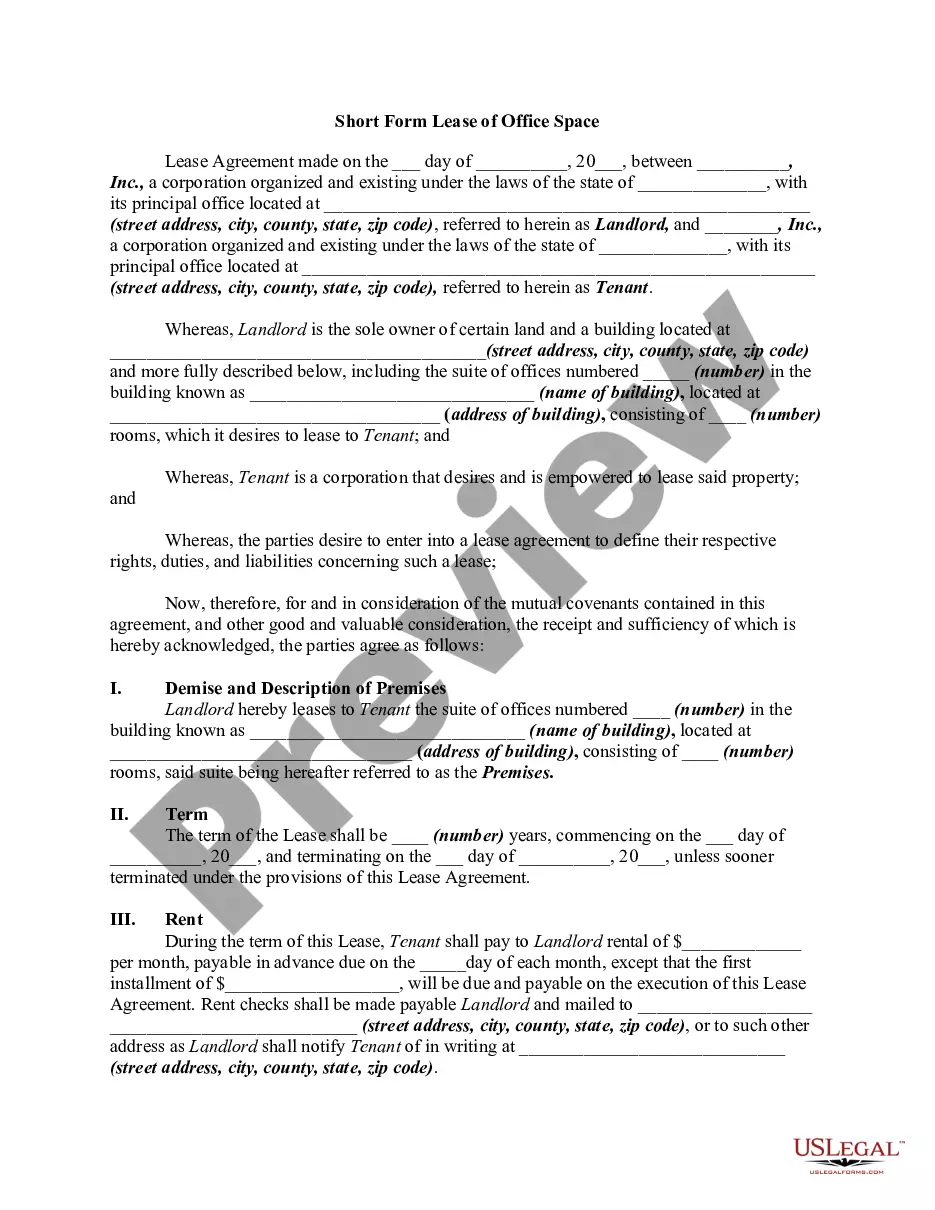
Get your form ready online
Our built-in tools help you complete, sign, share, and store your documents in one place.
Make edits, fill in missing information, and update formatting in US Legal Forms—just like you would in MS Word.
Download a copy, print it, send it by email, or mail it via USPS—whatever works best for your next step.
Sign and collect signatures with our SignNow integration. Send to multiple recipients, set reminders, and more. Go Premium to unlock E-Sign.
If this form requires notarization, complete it online through a secure video call—no need to meet a notary in person or wait for an appointment.
We protect your documents and personal data by following strict security and privacy standards.

Make edits, fill in missing information, and update formatting in US Legal Forms—just like you would in MS Word.

Download a copy, print it, send it by email, or mail it via USPS—whatever works best for your next step.

Sign and collect signatures with our SignNow integration. Send to multiple recipients, set reminders, and more. Go Premium to unlock E-Sign.

If this form requires notarization, complete it online through a secure video call—no need to meet a notary in person or wait for an appointment.

We protect your documents and personal data by following strict security and privacy standards.
Looking for another form?
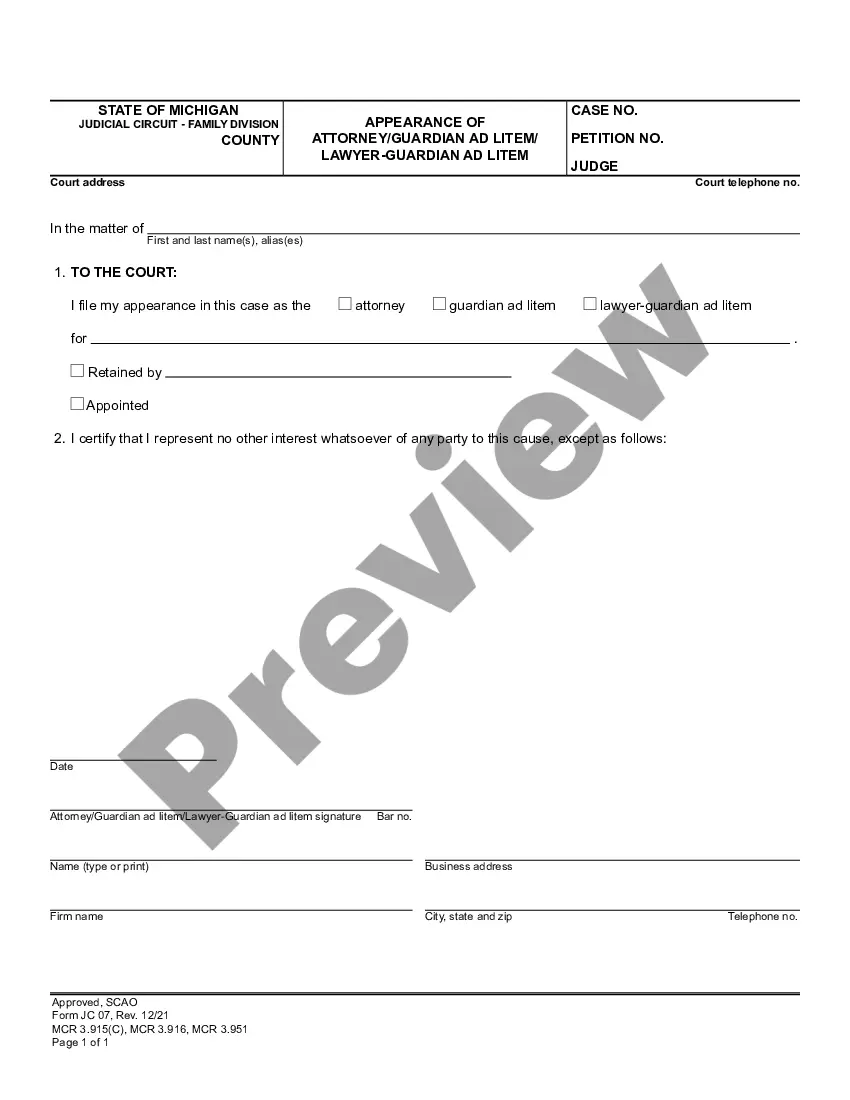






Form popularity
FAQ
What are the most important steps for drafting a commercial lease agreement? Identify the parties and the property. Determine the rent and the term. Negotiate the improvements and the maintenance. Allocate the taxes and the insurance. Include the clauses and the contingencies. Review and sign the agreement.
An Experian business score of 76 or higher is generally considered to be good.
Negotiating a commercial lease can take anywhere from one day to a year or more. It all comes down to how close the parties are in terms of expectations at the beginning. Additionally, if neither party is willing to give much leeway, the process can take time. However, the average length is about three to nine months.
5 Steps to Leasing a Commercial Property Step 1: Assess your business. Step 2: Search for properties that meet your needs and budget. Step 3: Set up Showings. Step 4: Negotiate the Letter of Intent (LOI) or Lease Proposal. Step 5: Executing a Lease.
While there's no universally required credit score needed to rent an apartment, having a solid credit score can certainly help your chances of a landlord handing you a set of keys. In general, a landlord will look for a credit score that is at least “good,” which is generally in the range of 670 to 739.
5.04. 205 - Tax rates for Class A through Class S—Progressive rates. If annual gross receipts are:Then the business tax is: Not over $14,285.00 $60.00 Over $14,285.00 but not over $1,000,000.00 $60.00, plus $4.20 per $1,000.00 of annual gross receipts over $14,285.004 more rows
5.04. 205 - Tax rates for Class A through Class S—Progressive rates. If annual gross receipts are:Then the business tax is: Not over $42,857.00 $60.00 Over $42,857.00 but not over $1,000,000.00 $60.00, plus $1.40 per $1,000.00 of annual gross receipts over $42,857.004 more rows
Michigan requires certain businesses to obtain state and local licenses or permits. The specific requirements depend on your industry and location. For example, restaurants must secure health department approvals, and retail businesses need a sales tax license from the Michigan Department of Treasury.
The standard lease agreement in California, whether for residential or commercial property, is a legal contract between the property owner and the prospective tenant. It outlines the terms under which the tenant can occupy and use the rental property.
Yes, state laws significantly influence lease notarization requirements. Some states, like California and Texas, require notarization for leases exceeding one year, while others, such as Florida, do not require it unless specified.
