Commercial Lease Agreement Application For Land In Miami-Dade
Description
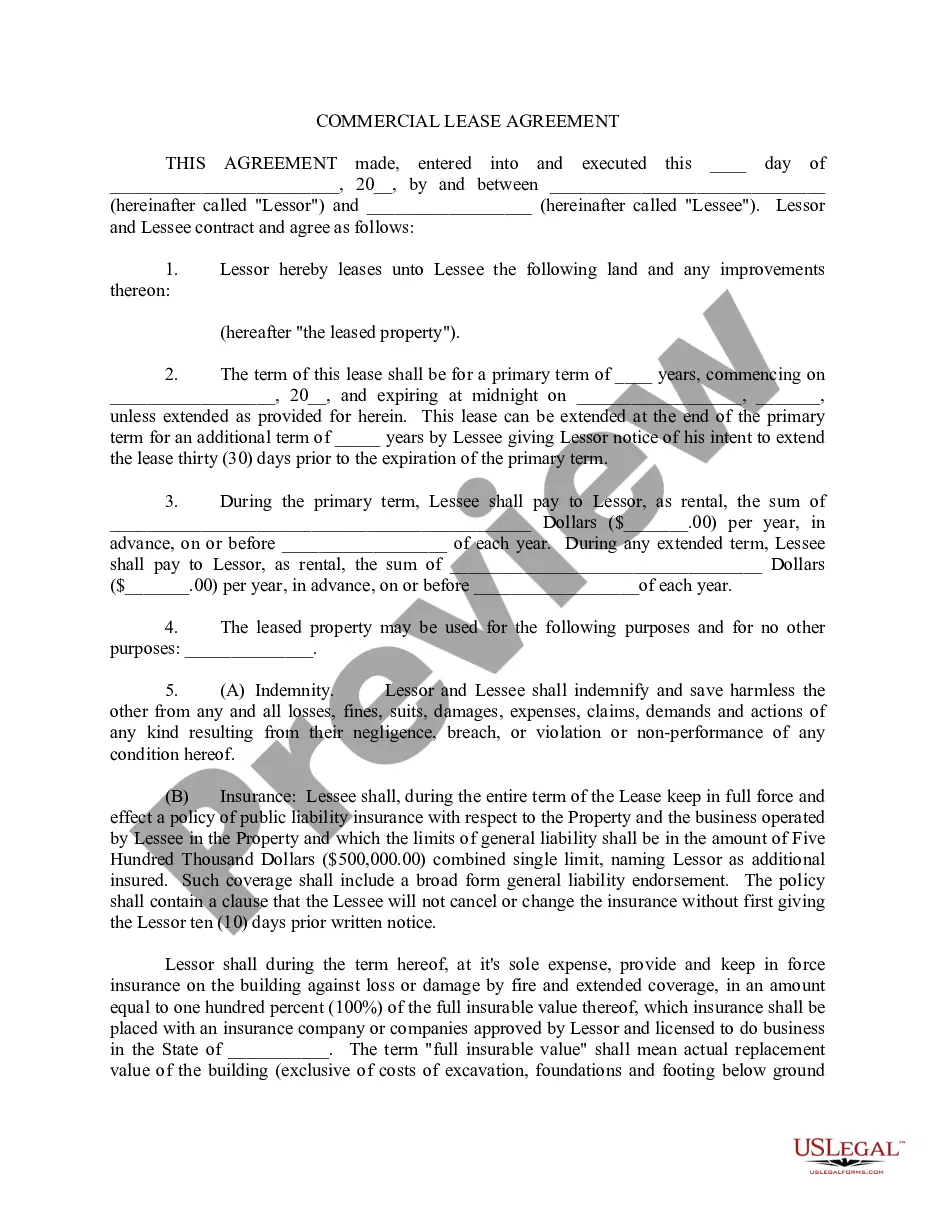
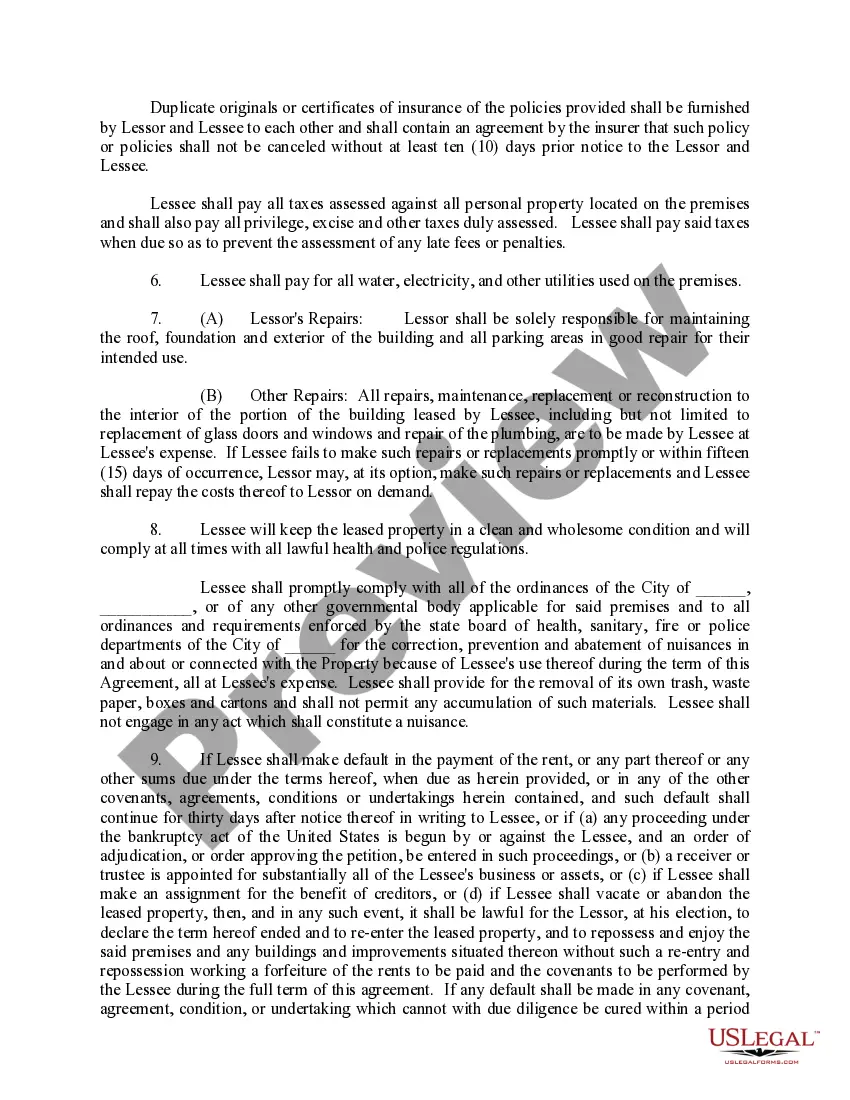
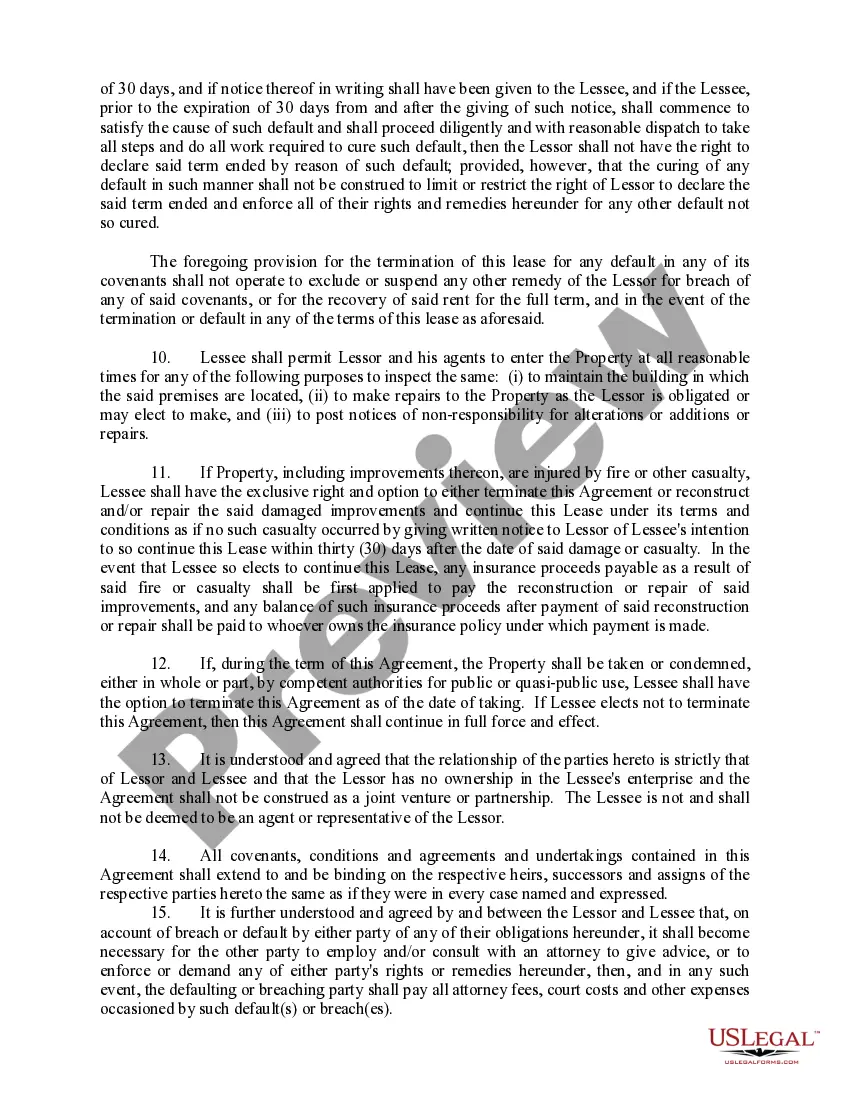
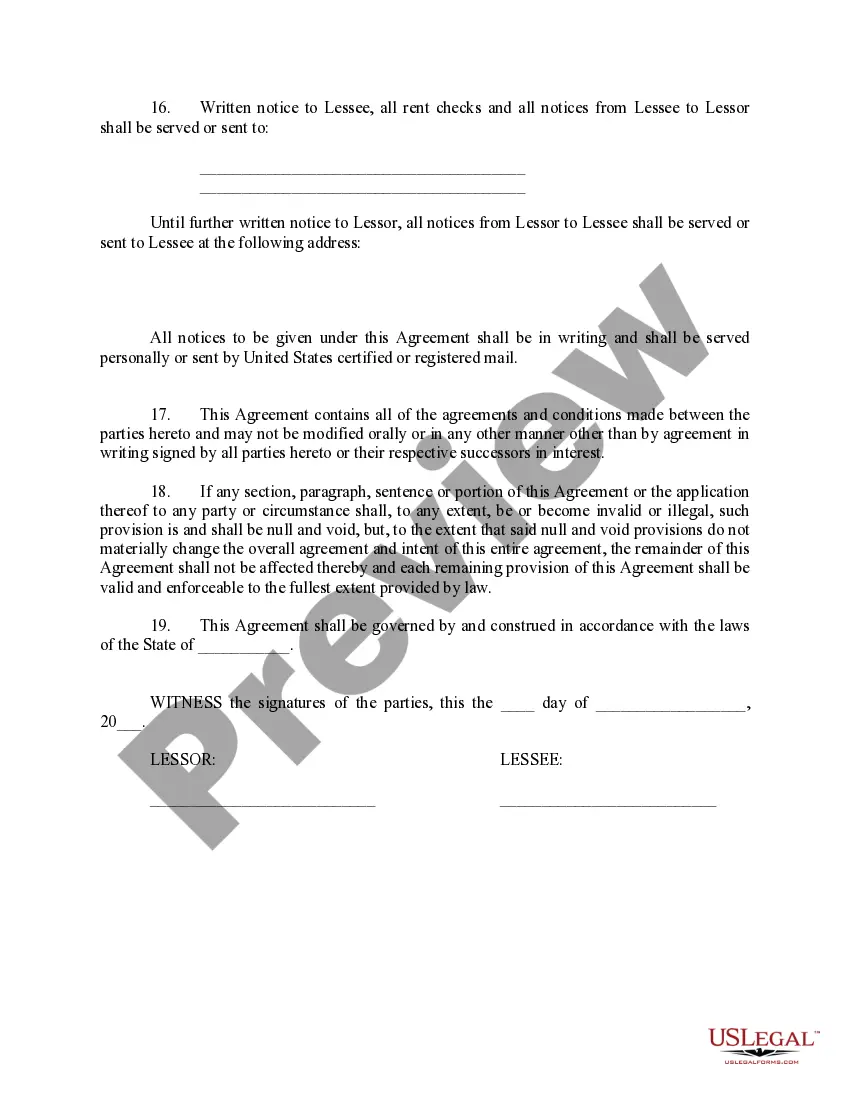

Get your form ready online
Our built-in tools help you complete, sign, share, and store your documents in one place.
Make edits, fill in missing information, and update formatting in US Legal Forms—just like you would in MS Word.
Download a copy, print it, send it by email, or mail it via USPS—whatever works best for your next step.
Sign and collect signatures with our SignNow integration. Send to multiple recipients, set reminders, and more. Go Premium to unlock E-Sign.
If this form requires notarization, complete it online through a secure video call—no need to meet a notary in person or wait for an appointment.
We protect your documents and personal data by following strict security and privacy standards.

Make edits, fill in missing information, and update formatting in US Legal Forms—just like you would in MS Word.

Download a copy, print it, send it by email, or mail it via USPS—whatever works best for your next step.

Sign and collect signatures with our SignNow integration. Send to multiple recipients, set reminders, and more. Go Premium to unlock E-Sign.

If this form requires notarization, complete it online through a secure video call—no need to meet a notary in person or wait for an appointment.

We protect your documents and personal data by following strict security and privacy standards.
Looking for another form?







Form popularity
FAQ
The following terms should be included in a written commercial real estate lease agreement including: (1) party names (today, in commercial leases, most landlords also name the individual with the business entity), (2) a description of the subject property, (3) the lease term (can be in years or months), (4) the amount ...
Further, any lease over one year in duration must be in writing and signed by the parties. There is currently no witness requirement for commercial leases in Florida, and a notary is not necessary.
How to write a Florida lease agreement Begin with the basics. Include the names and addresses of both the landlord (lessor) and the tenant (lessee), along with the residential property's address. Specify the term of the lease. Address security deposits. Include maintenance responsibilities. Add additional provisions.
Contact Eko Law today to work with our business attorney in Clearwater. While you can legally write your own commercial lease agreement in Florida, the risks often outweigh the benefits. For most landlords and business owners, the expertise of a qualified attorney is invaluable in this process.
Once properly executed and signed, a Florida lease agreement does not require notarization as a validity requirement. While all documents recorded in public records are notarized, notarizing a commercial lease agreement will not affect its validity – neither positively nor negatively.
To ensure a Florida lease agreement is legally valid, certain requirements must be met. These include having a written agreement, disclosing necessary information, adhering to security deposit limits, and protecting tenant rights and protections.
Lease agreements are considered to be legally binding once the document is signed by both parties.
Effective June 1, 2024, the State of Florida's sales tax rate on commercial real property lease payments (including base rent and additional rent) will be reduced from 4.5% to 2.0% for payments received for occupancy periods beginning on or after June 1, 2024.
