Commercial Property To Purchase In Fulton
Description
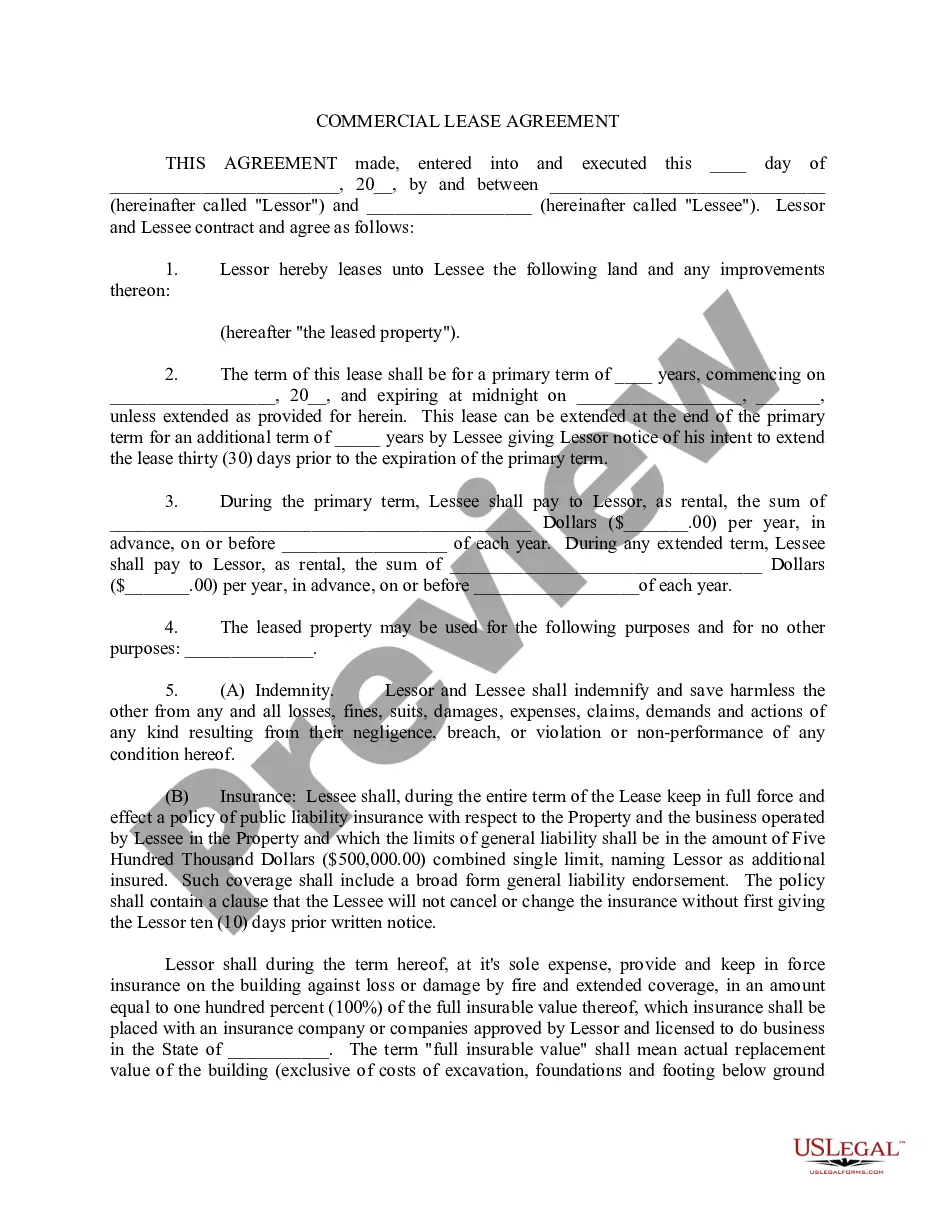
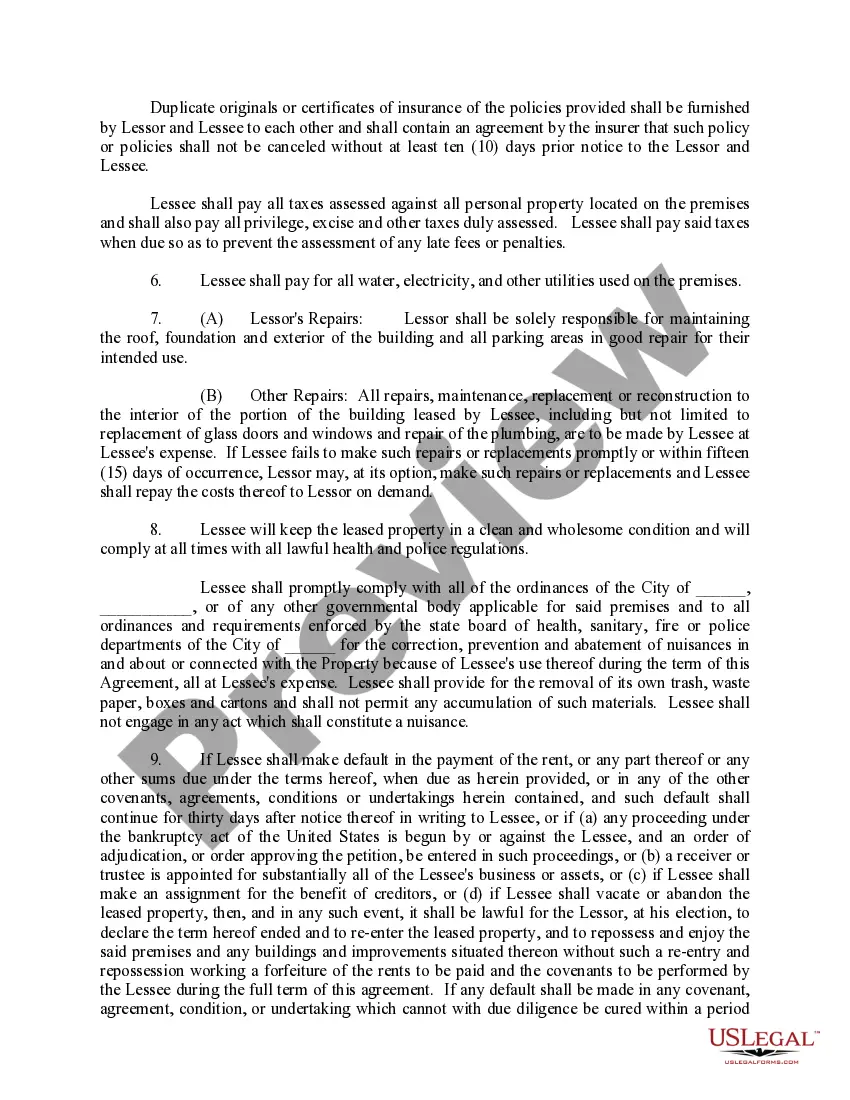
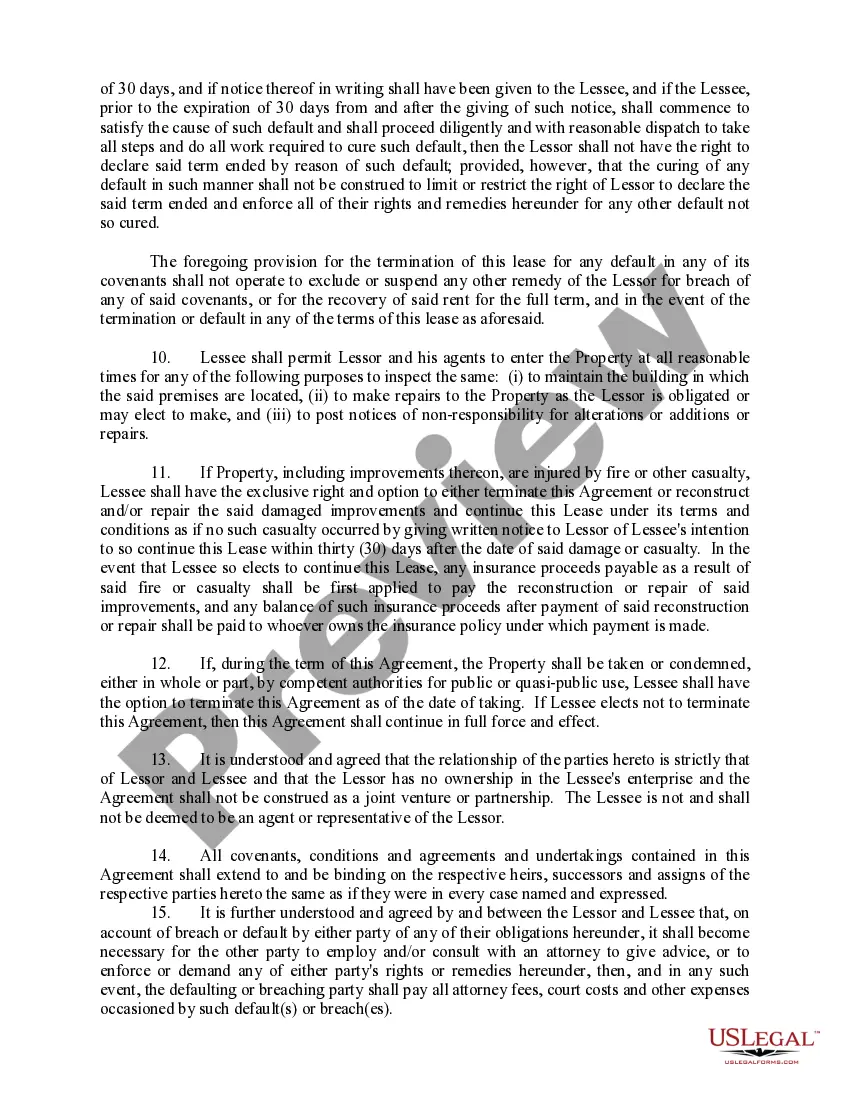
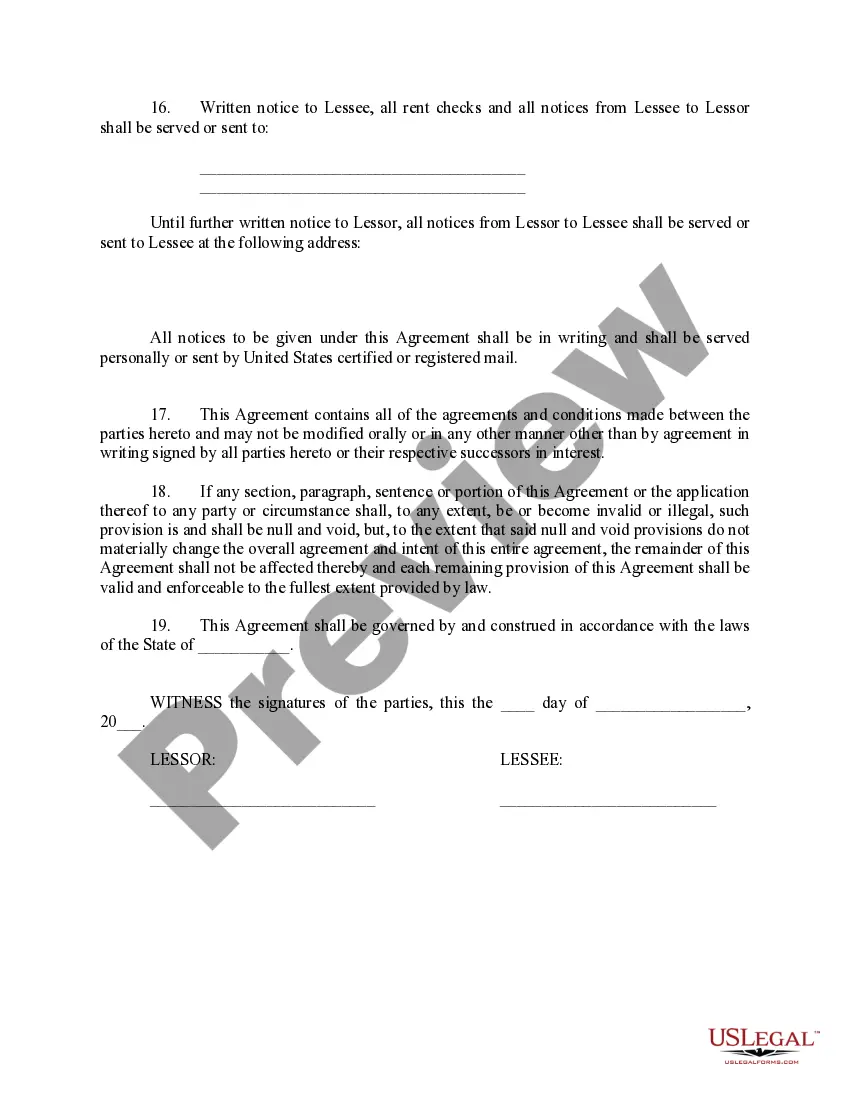
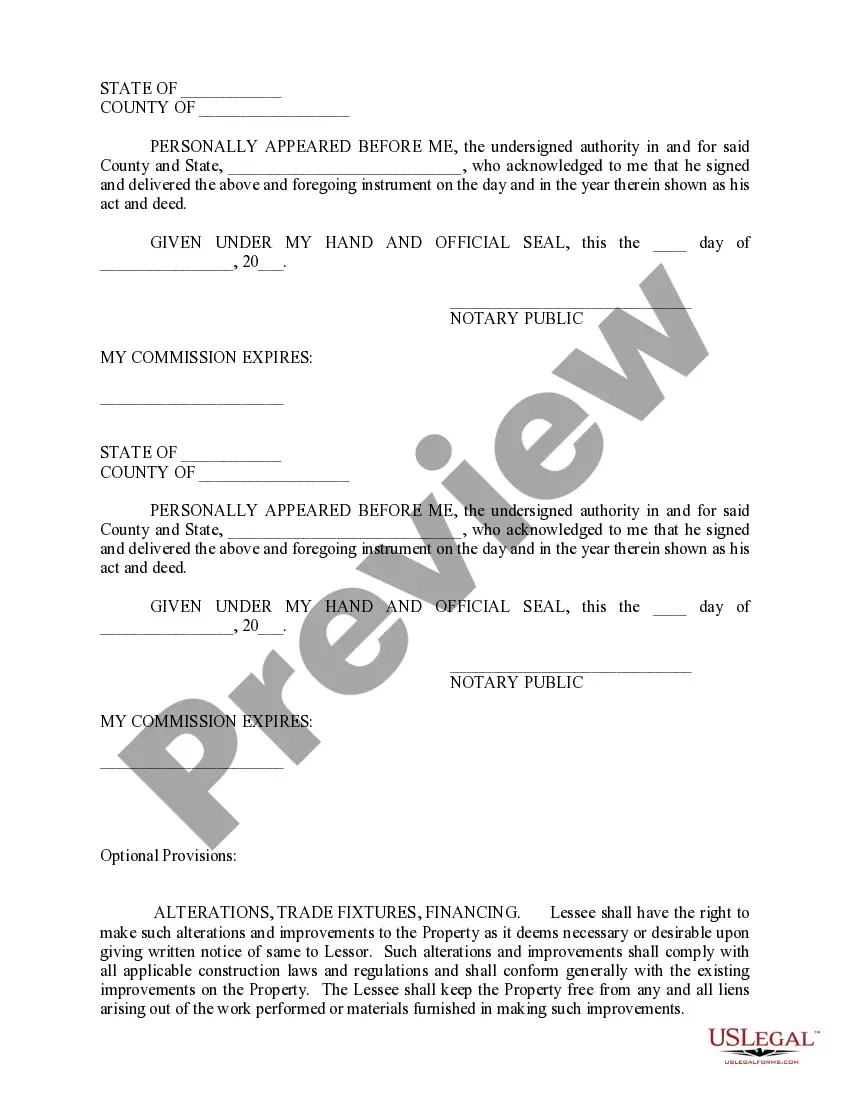

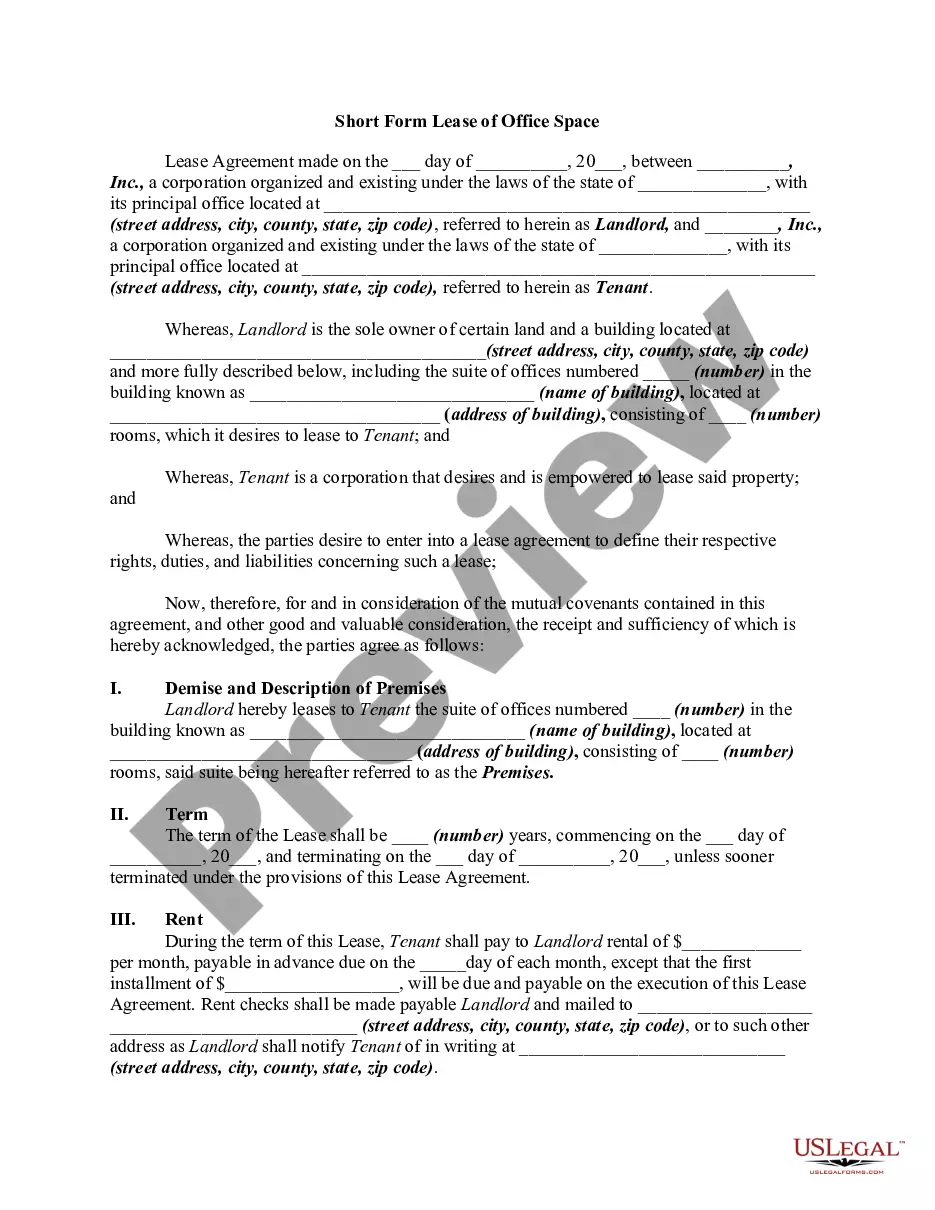
Get your form ready online
Our built-in tools help you complete, sign, share, and store your documents in one place.
Make edits, fill in missing information, and update formatting in US Legal Forms—just like you would in MS Word.
Download a copy, print it, send it by email, or mail it via USPS—whatever works best for your next step.
Sign and collect signatures with our SignNow integration. Send to multiple recipients, set reminders, and more. Go Premium to unlock E-Sign.
If this form requires notarization, complete it online through a secure video call—no need to meet a notary in person or wait for an appointment.
We protect your documents and personal data by following strict security and privacy standards.

Make edits, fill in missing information, and update formatting in US Legal Forms—just like you would in MS Word.

Download a copy, print it, send it by email, or mail it via USPS—whatever works best for your next step.

Sign and collect signatures with our SignNow integration. Send to multiple recipients, set reminders, and more. Go Premium to unlock E-Sign.

If this form requires notarization, complete it online through a secure video call—no need to meet a notary in person or wait for an appointment.

We protect your documents and personal data by following strict security and privacy standards.
Looking for another form?









Form popularity
FAQ
To answer the question of can a residential realtor sell commercial property, know that the answer is, "Yes." Various states have different licensure requirements, but they typically include taking a certain number of hours of an approved course, passing an exam, and working with a licensed firm.
If you want homestead exemption removed from your property, complete a Homestead Removal Form which can be accessed on the Forms and Documents page under Quick Links.
Commercial and industrial properties (Non-Residential) Non-residential properties such as commercial and industrial buildings and land are taxed at 10% of the Annual Value. Owner-occupier tax rates do not apply to non-residential properties even if you have bought the properties for your own use/occupation.
Fulton County sales tax details The minimum combined 2025 sales tax rate for Fulton County, Georgia is 8.9%. This is the total of state, county, and city sales tax rates. The Georgia sales tax rate is currently 4.0%. The Fulton County sales tax rate is 3.0%.
In Fulton County, the median property tax payment is $3,631, one of the highest in the state. But in Quitman County, the median property tax payment is just $557. Below, we'll walk through how Georgia's property tax system works and look at data on taxes in every Georgia county.
In Georgia, property taxes are calculated based on 40% of the home's market value. The millage rate is the tax rate per $1,000 of assessed value (which is 40% of the home's value). How the Math Works: The formula to calculate property tax is: Property Tax = Home Value × 40% × (Millage Rate ÷ 1,000).
The Fulton County Board of Commissioners has tentatively adopted a 2024 millage rate which will require an increase in property taxes by 3.74 percent. This tentative increase will result in a millage rate of 8.87 mills, an increase of . 32 mills.
Taxpayers should be advised that this decision differs from the decision by the Fulton County Board of Commissioners to increase the county millage rate by 3.74%, resulting in a county millage rate of 8.87 mills.
Warehouses and Distribution Centers: With more people shopping online, warehouses and distribution centers are in high demand. Invest here, and you might see some great returns. Office Buildings: Think of office buildings as a long-term rental income source.
Multifamily housing is the most profitable kind of business property. Apartments, condos, and townhomes are examples of multifamily housing units that present special investment opportunities since they can yield more returns than other kinds of commercial real estate, such office or retail space.
