Commercial Property For Purchase In Cook
Description
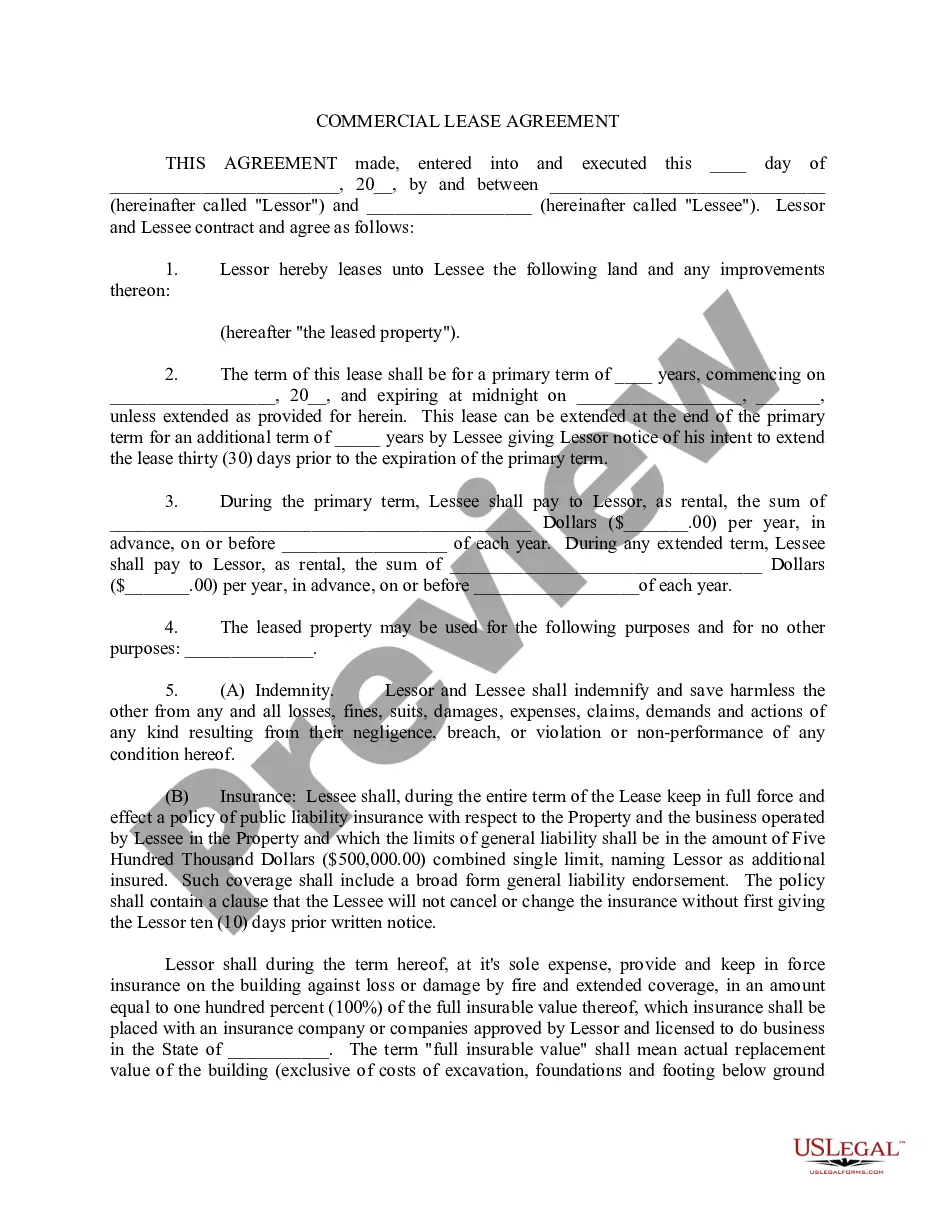
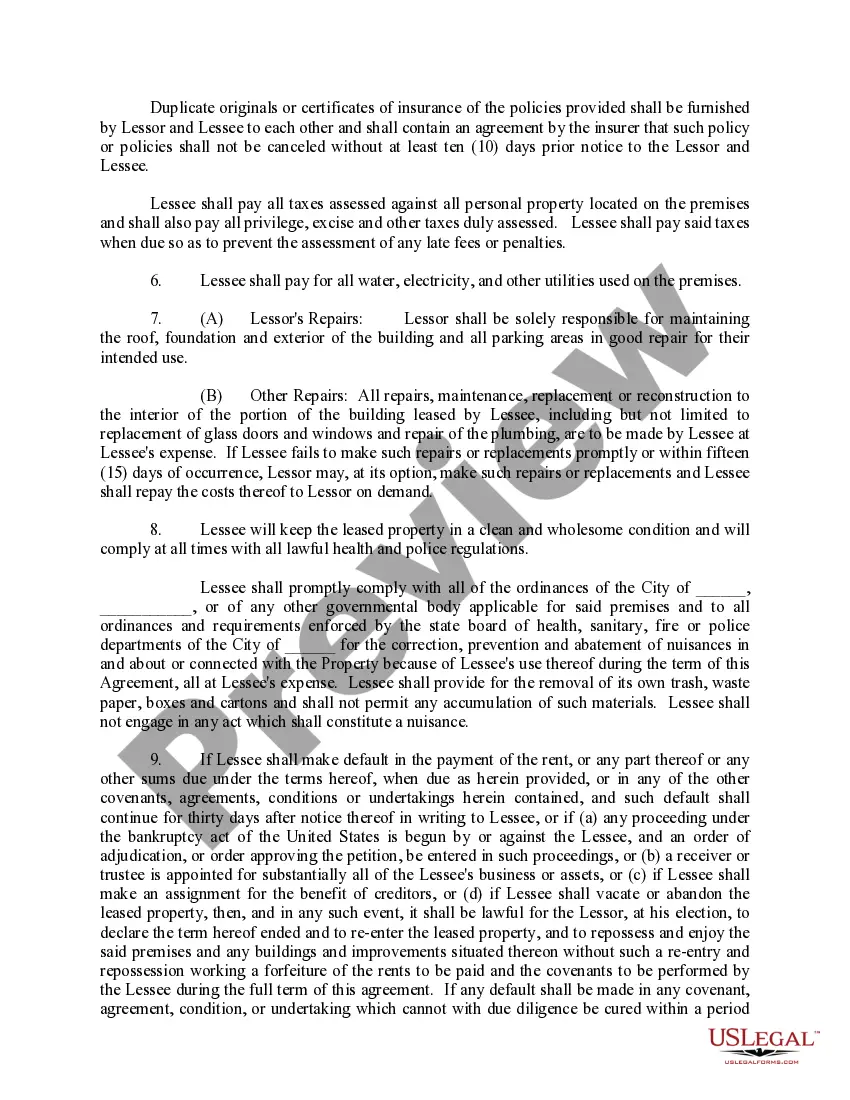
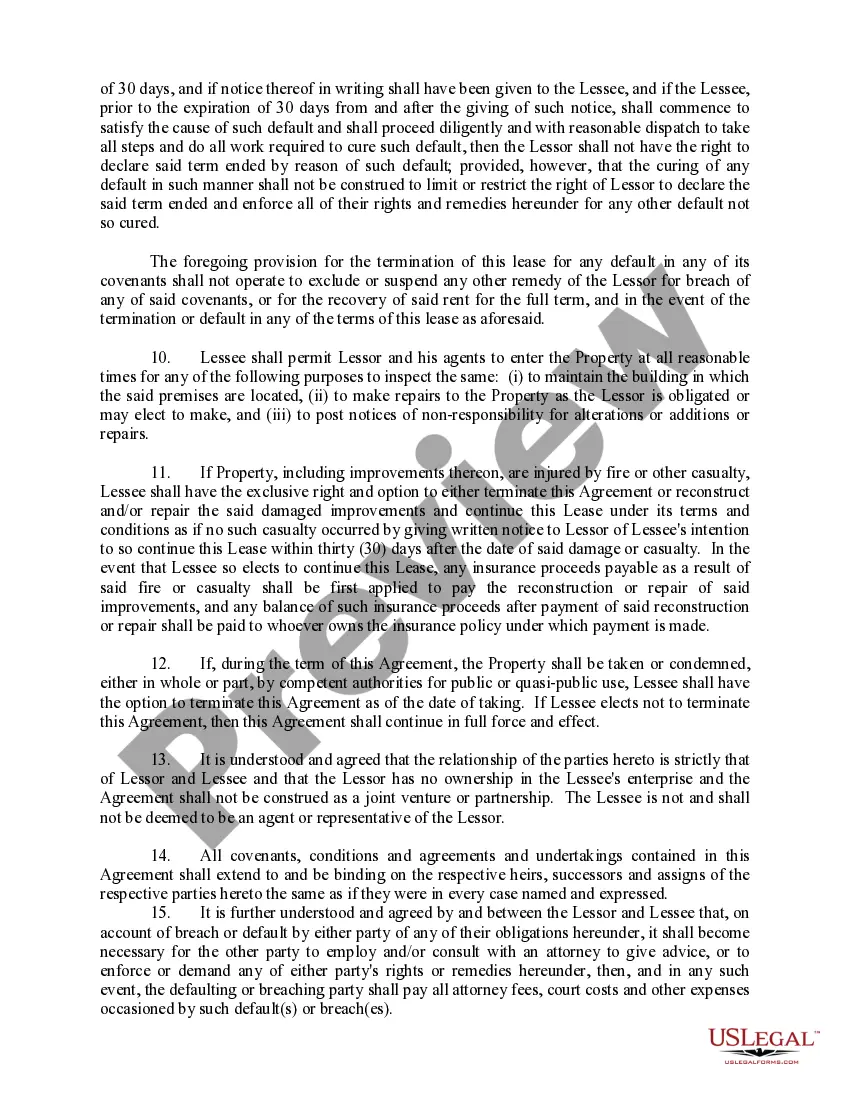
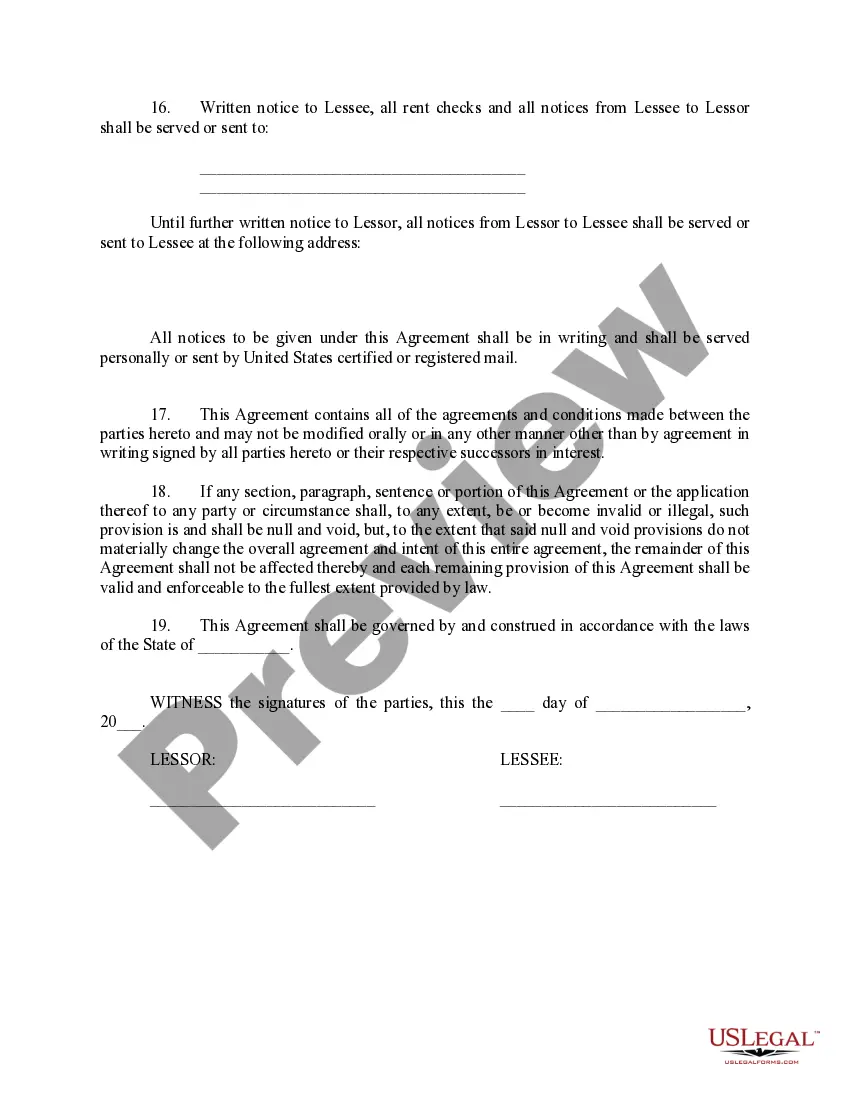

Get your form ready online
Our built-in tools help you complete, sign, share, and store your documents in one place.
Make edits, fill in missing information, and update formatting in US Legal Forms—just like you would in MS Word.
Download a copy, print it, send it by email, or mail it via USPS—whatever works best for your next step.
Sign and collect signatures with our SignNow integration. Send to multiple recipients, set reminders, and more. Go Premium to unlock E-Sign.
If this form requires notarization, complete it online through a secure video call—no need to meet a notary in person or wait for an appointment.
We protect your documents and personal data by following strict security and privacy standards.

Make edits, fill in missing information, and update formatting in US Legal Forms—just like you would in MS Word.

Download a copy, print it, send it by email, or mail it via USPS—whatever works best for your next step.

Sign and collect signatures with our SignNow integration. Send to multiple recipients, set reminders, and more. Go Premium to unlock E-Sign.

If this form requires notarization, complete it online through a secure video call—no need to meet a notary in person or wait for an appointment.

We protect your documents and personal data by following strict security and privacy standards.
Looking for another form?
Form popularity
FAQ
Local services, such as schools and libraries are funded by property taxes which are based on the value of nearby properties. Communities with higher “property tax rates generally have low home values, which drive up the tax rate needed to raise enough revenue” (Kingson, 2023).
For residential properties, your property's assessed value equals 10% of its fair market value, per Cook County ordinance. The Assessor's estimate of your home's fair market value is based on two things: your home's characteristics, and patterns between how other homes' characteristics affected their sale values.
Cook County uses a different system that assigns assessment levels to different classes of property. Assessment levels range from 10 percent of market value for residential property to 25 percent of market value for commercial property.
Capitalization Rate (Cap Rate) = Net Operating Income / Property Value. Value = Net Operating Income / Capitalization Rate.
The Assessor does not set tax rates or levies or decide the dollar amount of your tax bill. He determines only a "Market Value" (MV) for your property and, for taxation, uses 10% of its value as the "Assessed Valuation" (AV).
Sellers of commercial real estate in California must disclose known material defects that could adversely affect the property's value or desirability. This includes structural issues, environmental hazards, or other conditions that might influence a buyer's decision.
The property tax applies to all classes of property -- residential, commercial, industrial, agricultural, open space, timberland, and vacant land. Special rules apply to some kinds of property, such as certain agricultural land and timberland. Public land is generally exempt.
Warehouses and Distribution Centers: With more people shopping online, warehouses and distribution centers are in high demand. Invest here, and you might see some great returns. Office Buildings: Think of office buildings as a long-term rental income source.
Types of Profitable Commercial Real Estate Investments Industrial Properties. Industrial Properties have strong and stable demand, especially with industries like manufacturing and e-commerce needing properties like warehouses to store and distribute their goods. Multifamily Properties. Shopping Centers.
Types of Profitable Commercial Real Estate Investments Industrial Properties. Industrial Properties have strong and stable demand, especially with industries like manufacturing and e-commerce needing properties like warehouses to store and distribute their goods. Multifamily Properties. Shopping Centers.
