Purpose Of A Service Agreement In Middlesex
Description


Form popularity
FAQ
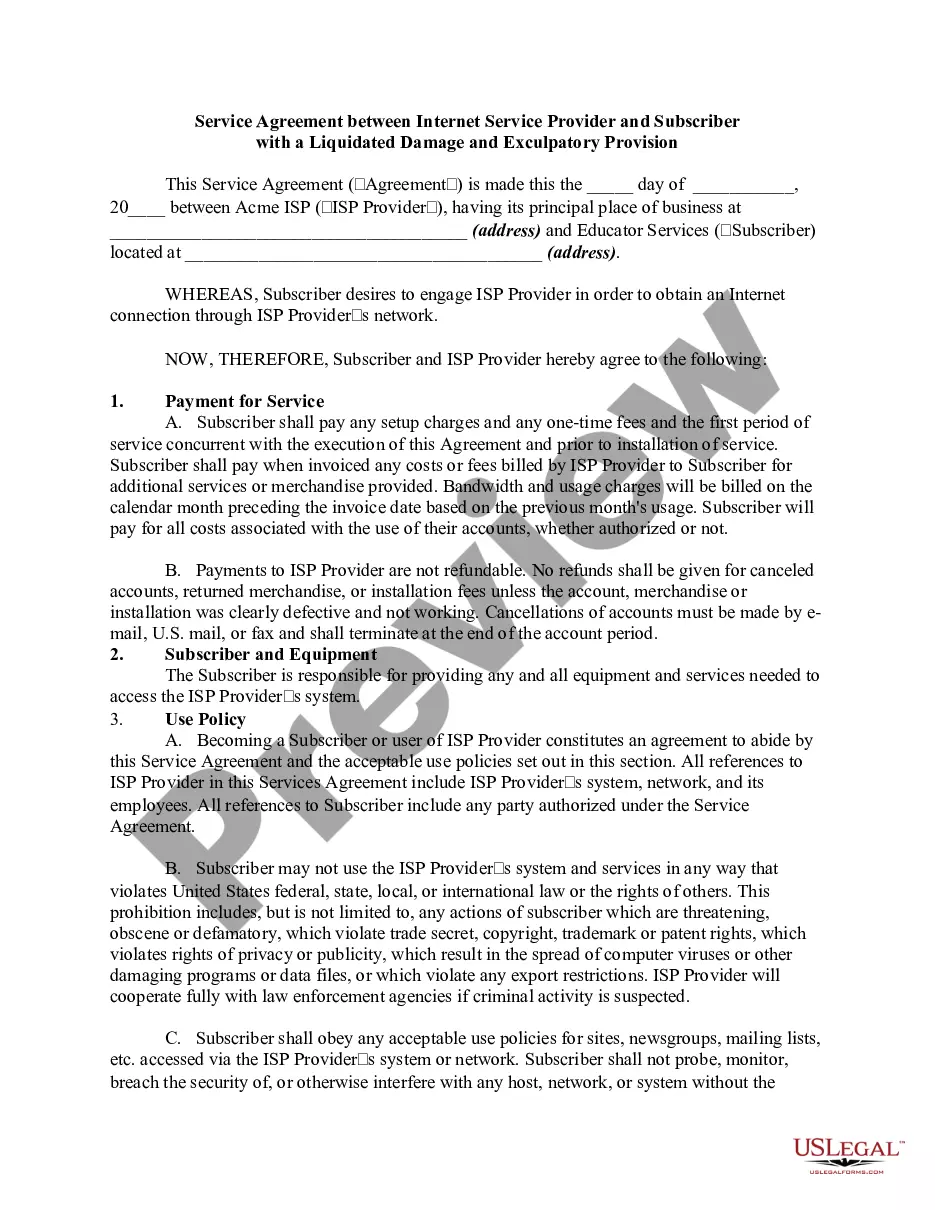
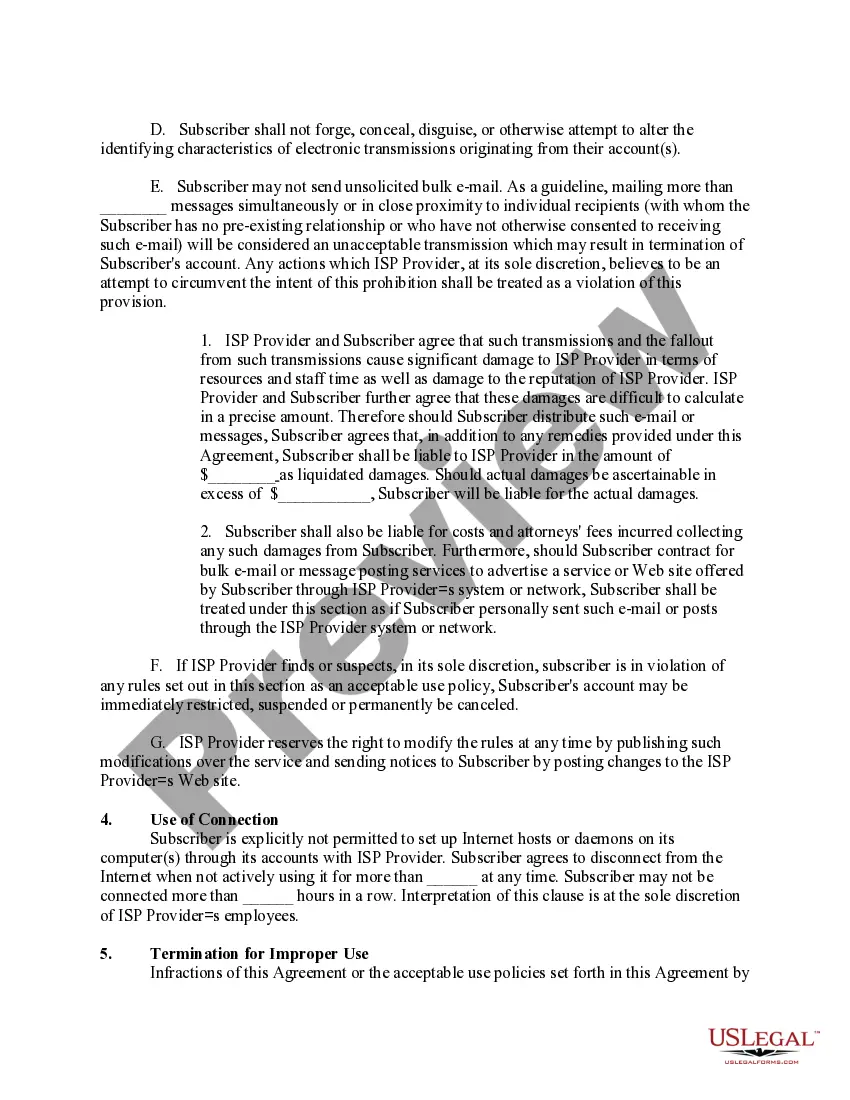
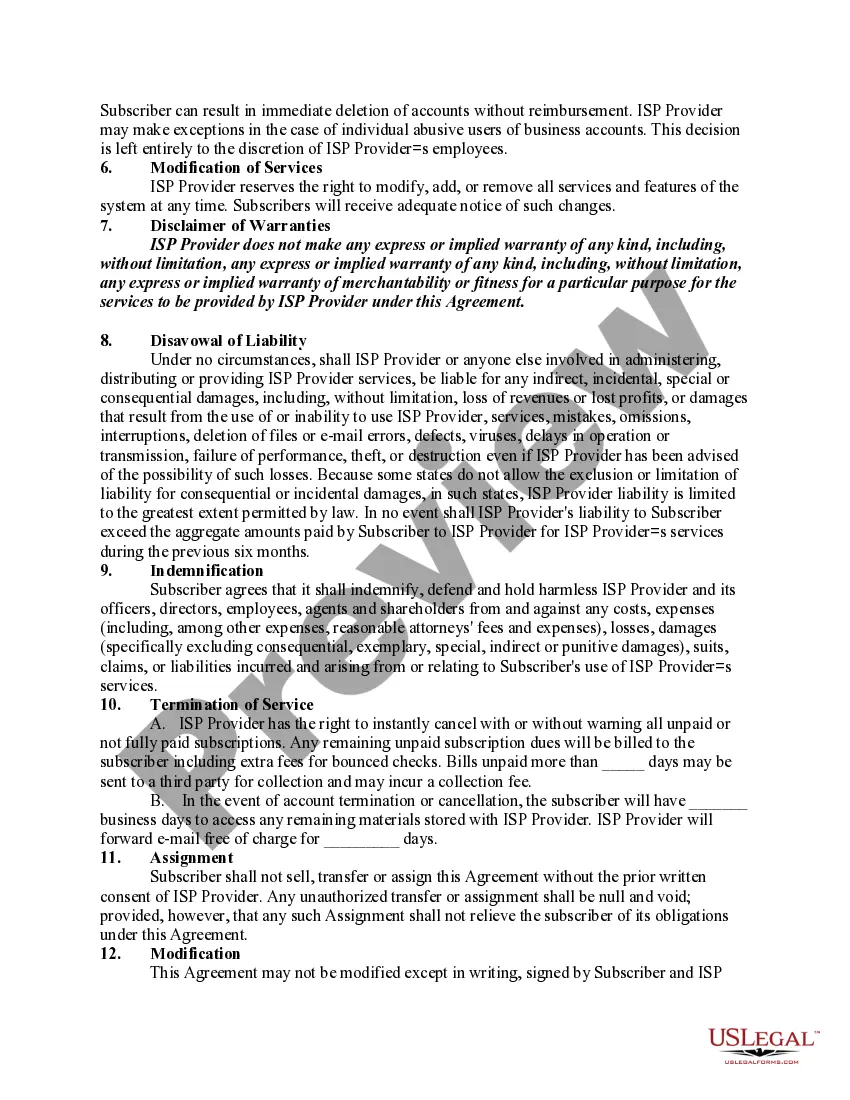
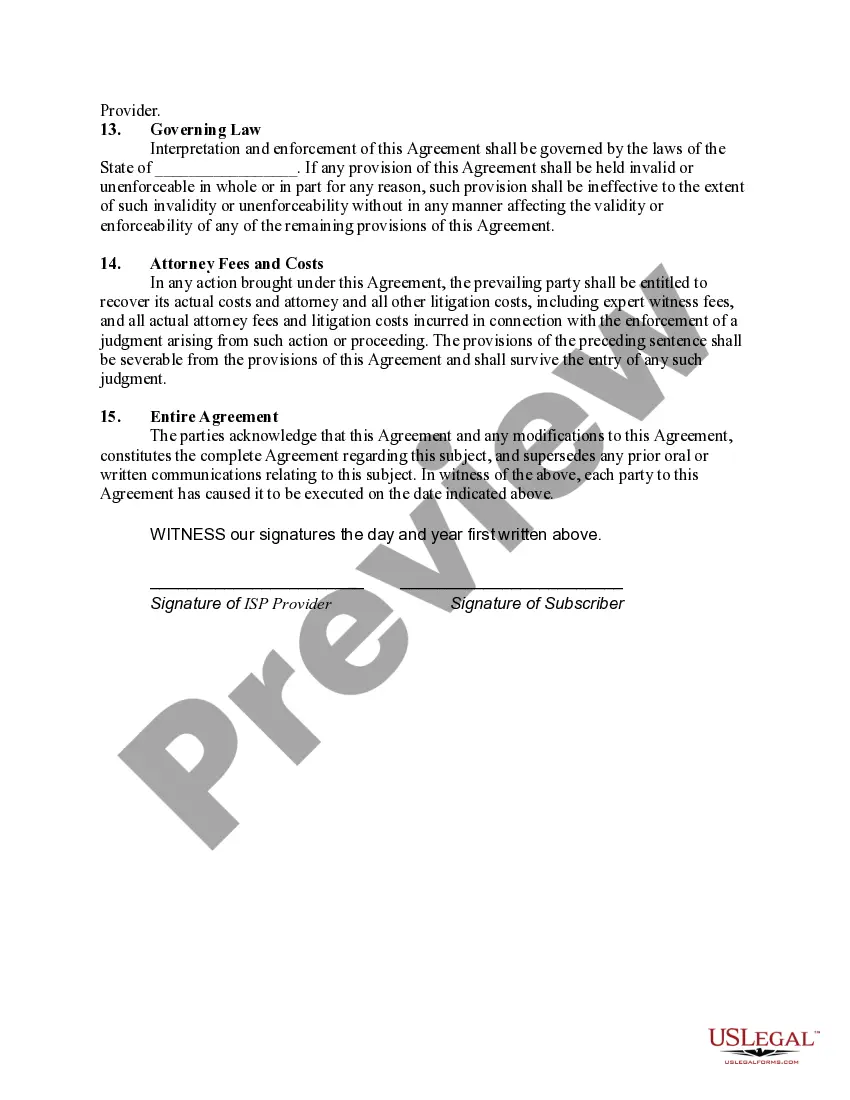
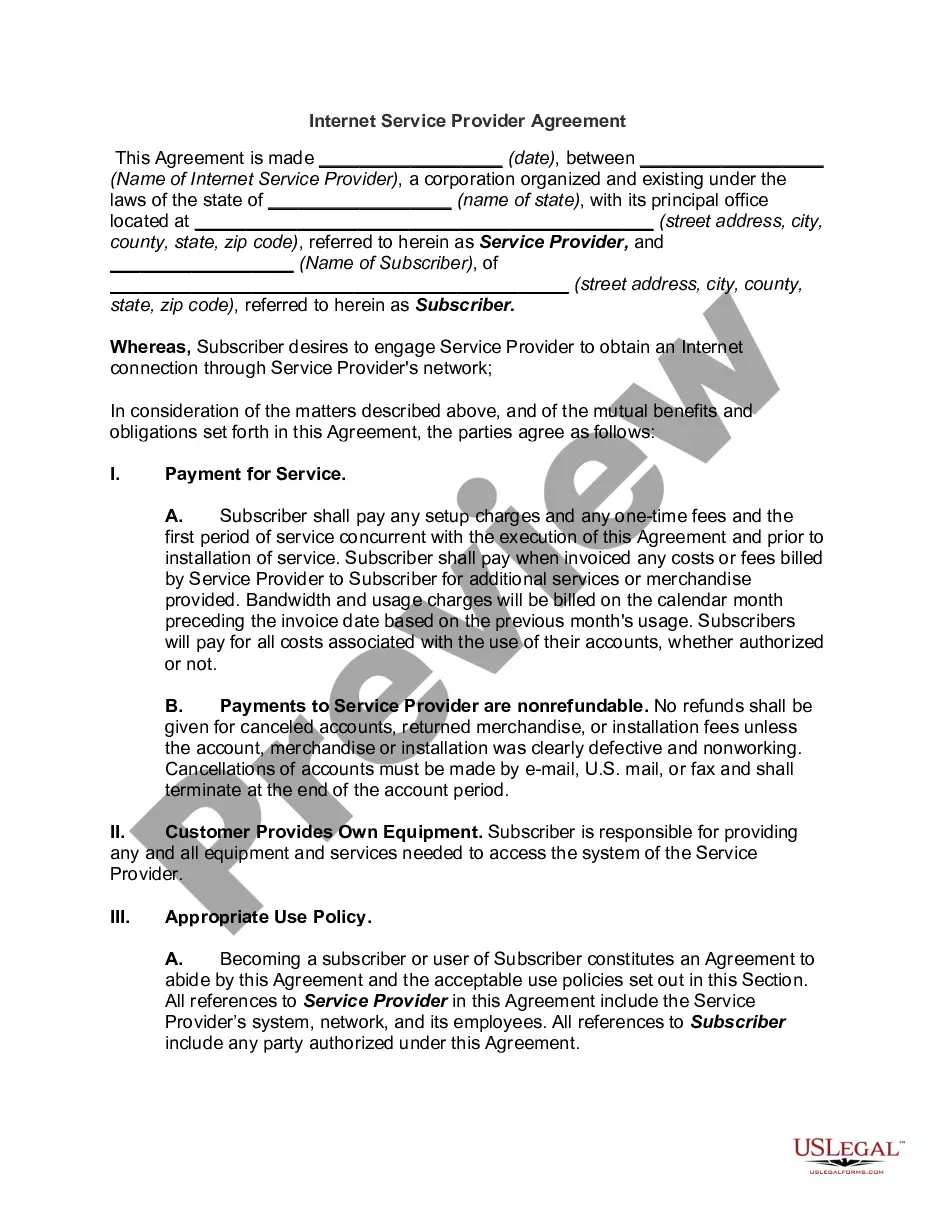
A service agreement is a contract that outlines the terms and conditions governing the provision of services between a service provider and a client. It serves to clearly define expectations, protect both parties' interests, and provide a framework for a successful working relationship.
An agreement and a contract share the fundamental purpose of establishing mutual obligations between parties, yet they differ in their legal implications and formalities.
It is therefore a document which simply confirms an agreed level of service that is expected to be provided to meet the business needs of the customer. A SLA is not a contract. The SLA document should be seen as a list of targets, rather than a legal binding agreement.
A service-level agreement (SLA) defines the level of service expected from a vendor, laying out metrics by which service is measured, as well as remedies should service levels not be achieved. It is a critical component of any technology vendor contract.
A service contract is an agreement between you and your business and the clients you serve. By entering into a service contract, you protect yourself and your clients from potential legal issues.
Service agreements are the foundation of successful business relationships between companies and their service providers. These powerful contracts help bring clarity, protection and structure.
A service-level agreement (SLA) defines the level of service expected from a vendor, laying out metrics by which service is measured, as well as remedies should service levels not be achieved. It is a critical component of any technology vendor contract.
The NDIA recommends having a written service agreement so participants and providers are clear about what each party has agreed to. Service agreements help make sure the participant and provider have the same expectations of what supports will be delivered and how they will be delivered.