Long Term Lease For In Wayne
Description
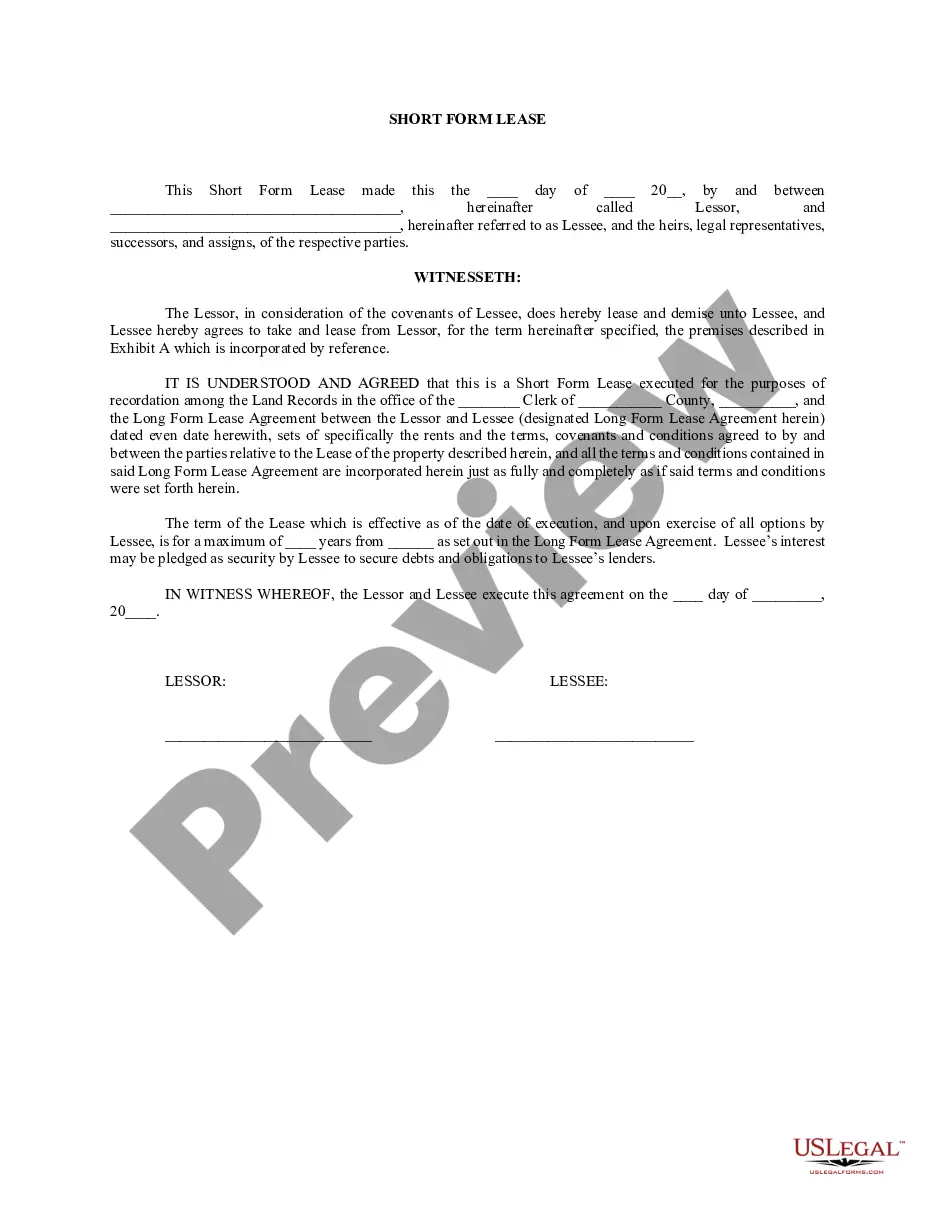
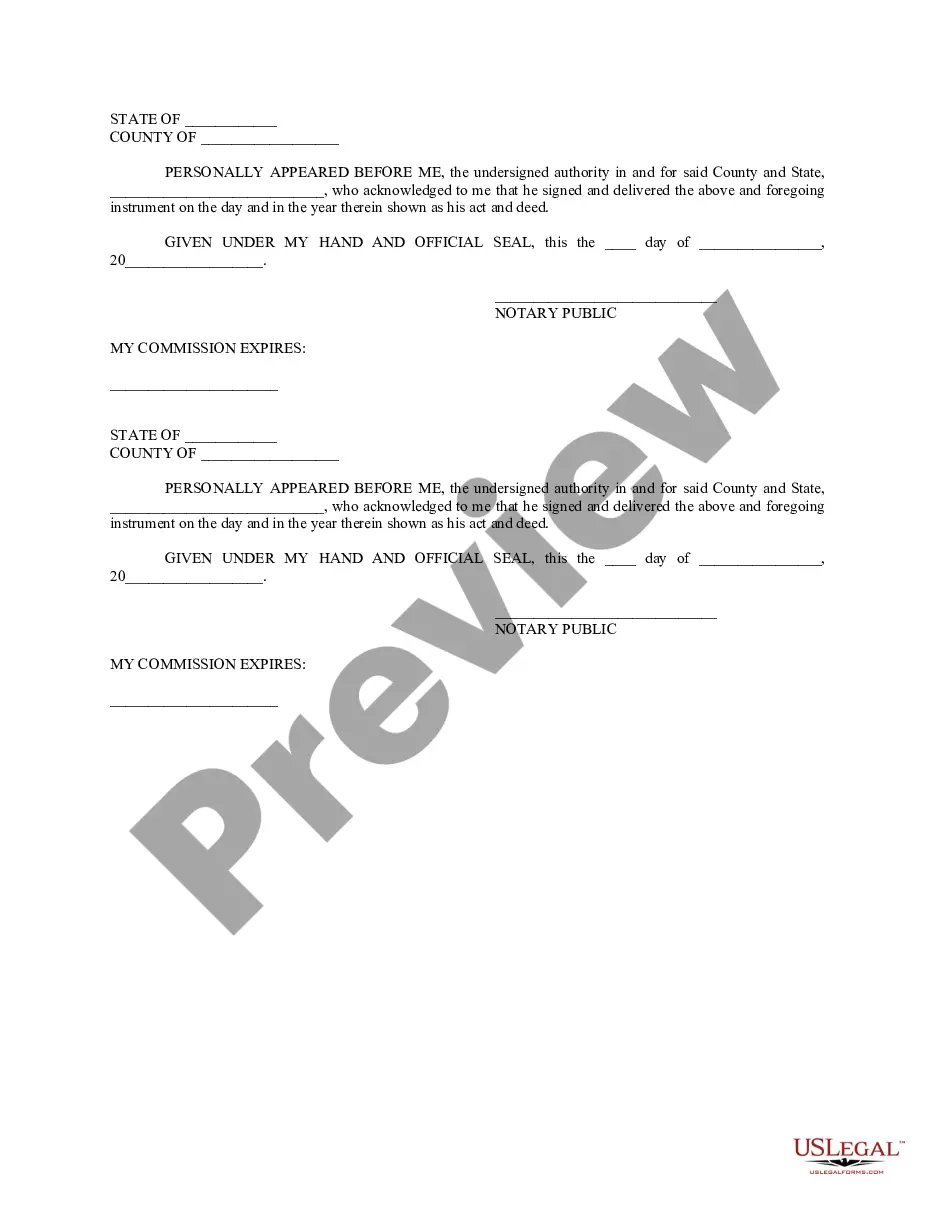
Get your form ready online
Our built-in tools help you complete, sign, share, and store your documents in one place.
Make edits, fill in missing information, and update formatting in US Legal Forms—just like you would in MS Word.
Download a copy, print it, send it by email, or mail it via USPS—whatever works best for your next step.
Sign and collect signatures with our SignNow integration. Send to multiple recipients, set reminders, and more. Go Premium to unlock E-Sign.
If this form requires notarization, complete it online through a secure video call—no need to meet a notary in person or wait for an appointment.
We protect your documents and personal data by following strict security and privacy standards.

Make edits, fill in missing information, and update formatting in US Legal Forms—just like you would in MS Word.

Download a copy, print it, send it by email, or mail it via USPS—whatever works best for your next step.

Sign and collect signatures with our SignNow integration. Send to multiple recipients, set reminders, and more. Go Premium to unlock E-Sign.

If this form requires notarization, complete it online through a secure video call—no need to meet a notary in person or wait for an appointment.

We protect your documents and personal data by following strict security and privacy standards.
Looking for another form?








Form popularity
FAQ
The lease agreement should specify the time, but most states require at least 30, 60 or 90 days. Most rental agreements are 12 months long, but this doesn't work for everyone. A month-to-month lease is especially attractive if your immediate future is uncertain and you're unsure when you'll need to move.
Long-term lease refers to a contractual agreement between a landlord and a tenant for an extended period, typically lasting several years. In the context of real estate, long-term lease agreements provide stability and security for both parties involved.
term lease agreement lasts anywhere from three to six months, or can go monthtomonth until the tenant decides to move out. Longterm leases are anything longer than six months and can go up to 15 months before needing to make a new lease.
Leases typically run for one year or more. Any lease for less than 12 months is considered short-term. You can find short-term apartment leases for three months, six months, nine months or even month-to-month. Monthly leases generally renew automatically each month as long as you and your landlord both agree.
Section 21 of the Housing Act stipulates that a landlord cannot legally obtain possession of a property in the first 6 months. In the unfortunate event a tenant refused to leave at the end of a 4 month fixed term for instance, this would pose problems by making landlords unable to legally regain possession.
You can find short-term apartment leases for three months, six months, nine months or even month-to-month. Monthly leases generally renew automatically each month as long as you and your landlord both agree.
Long-term apartment leases are commonly set for a year, but some properties are now exploring longer lease options, such as 13, 15, or 24 months. These extended lease terms offer benefits for both tenants and landlords, providing stability in housing arrangements.
One-year leases are by far and large the most popular length for leases. They're good if you have high-quality tenants and an effective tenant screening process in place.
Limited Flexibility- Long-term leases aren't suitable for everyone, like those with uncertain future plans or frequent relocations. Long-Term Commitment- Committing to a longer lease can limit options if circumstances change unexpectedly.
So, how long is a long term tenancy agreement? In short, a long-term let is anywhere from 6 months onwards. While long term tenancies don't offer the same flexibility or increased rates as short term agreements, they do perform better in several ways.
