Long Term Lease For In Suffolk
Description
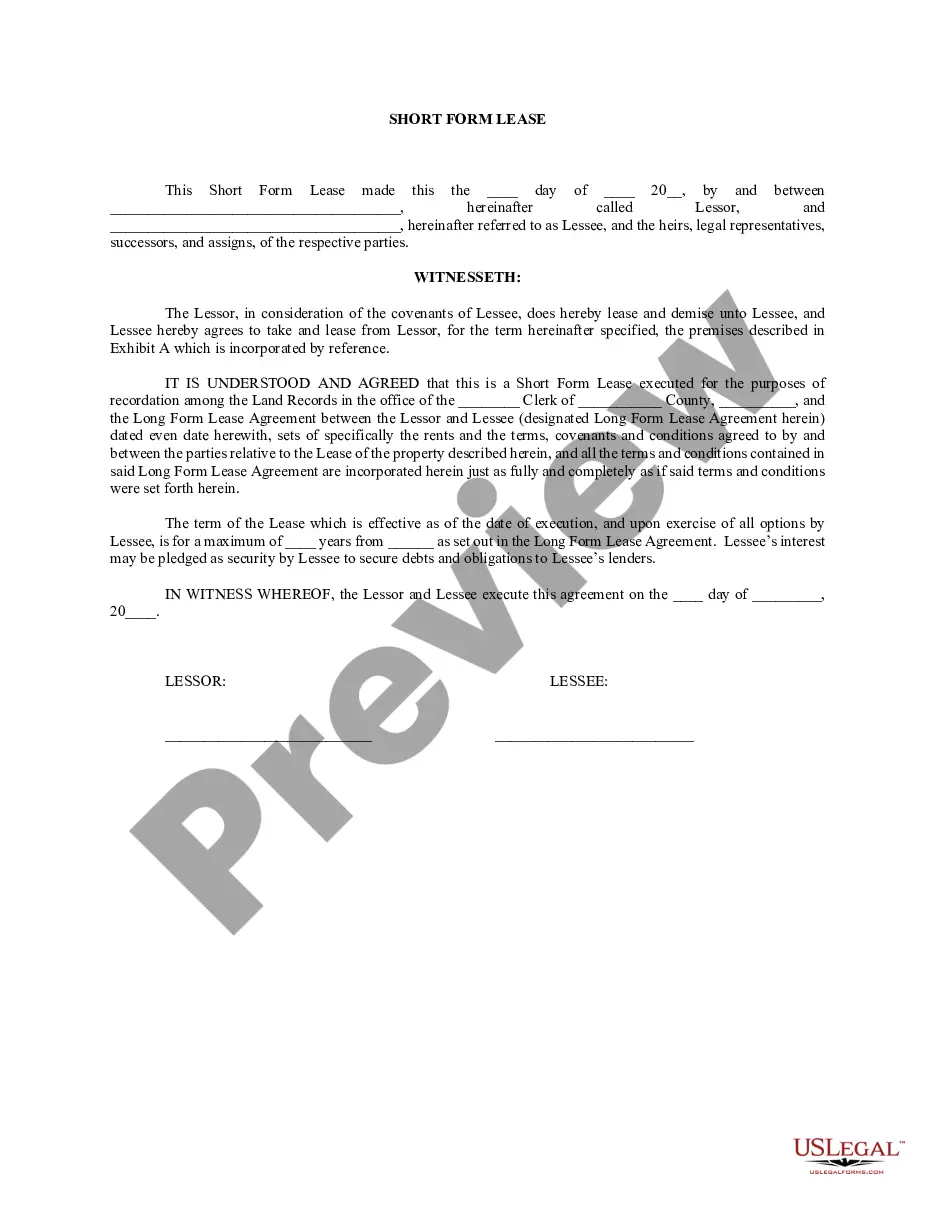
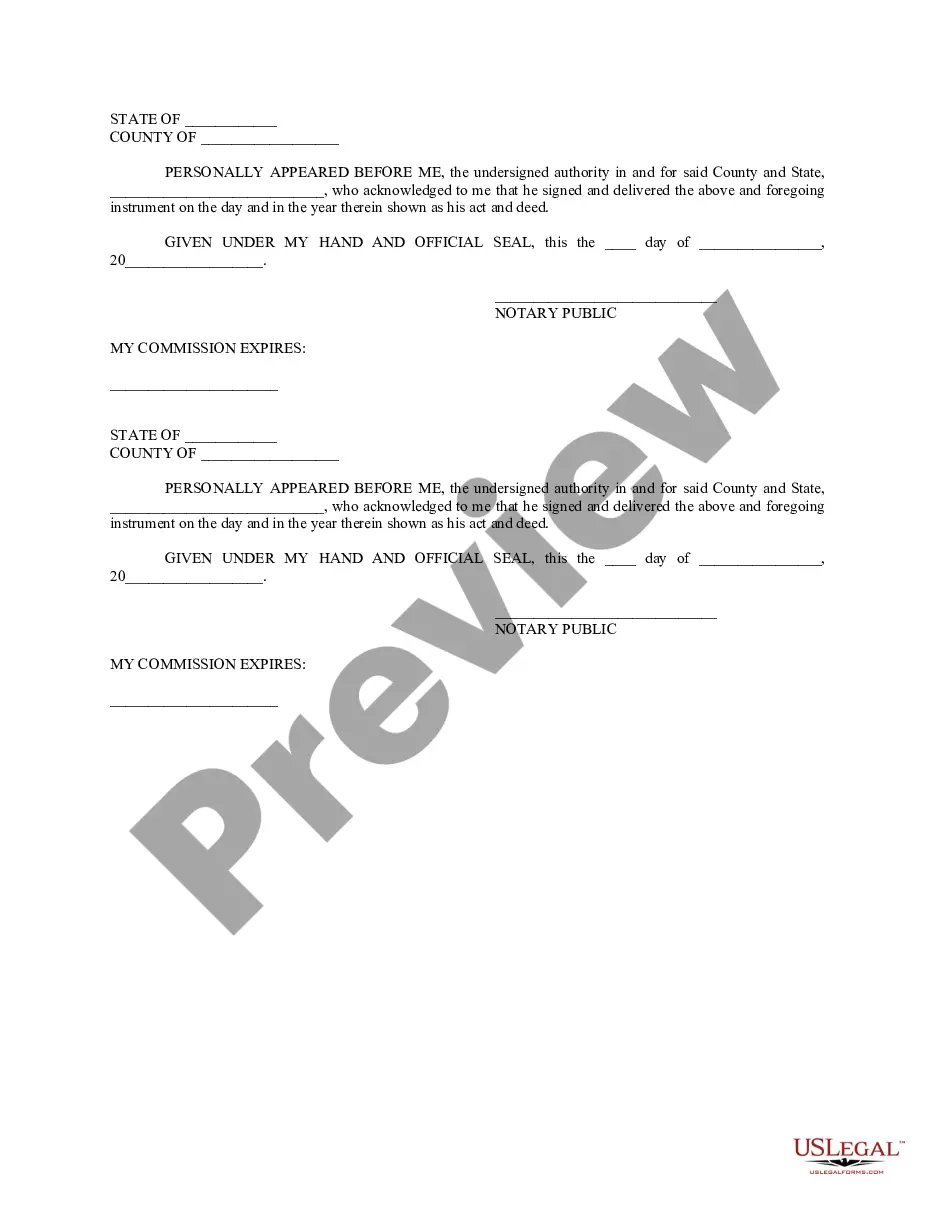
Get your form ready online
Our built-in tools help you complete, sign, share, and store your documents in one place.
Make edits, fill in missing information, and update formatting in US Legal Forms—just like you would in MS Word.
Download a copy, print it, send it by email, or mail it via USPS—whatever works best for your next step.
Sign and collect signatures with our SignNow integration. Send to multiple recipients, set reminders, and more. Go Premium to unlock E-Sign.
If this form requires notarization, complete it online through a secure video call—no need to meet a notary in person or wait for an appointment.
We protect your documents and personal data by following strict security and privacy standards.

Make edits, fill in missing information, and update formatting in US Legal Forms—just like you would in MS Word.

Download a copy, print it, send it by email, or mail it via USPS—whatever works best for your next step.

Sign and collect signatures with our SignNow integration. Send to multiple recipients, set reminders, and more. Go Premium to unlock E-Sign.

If this form requires notarization, complete it online through a secure video call—no need to meet a notary in person or wait for an appointment.

We protect your documents and personal data by following strict security and privacy standards.
Looking for another form?







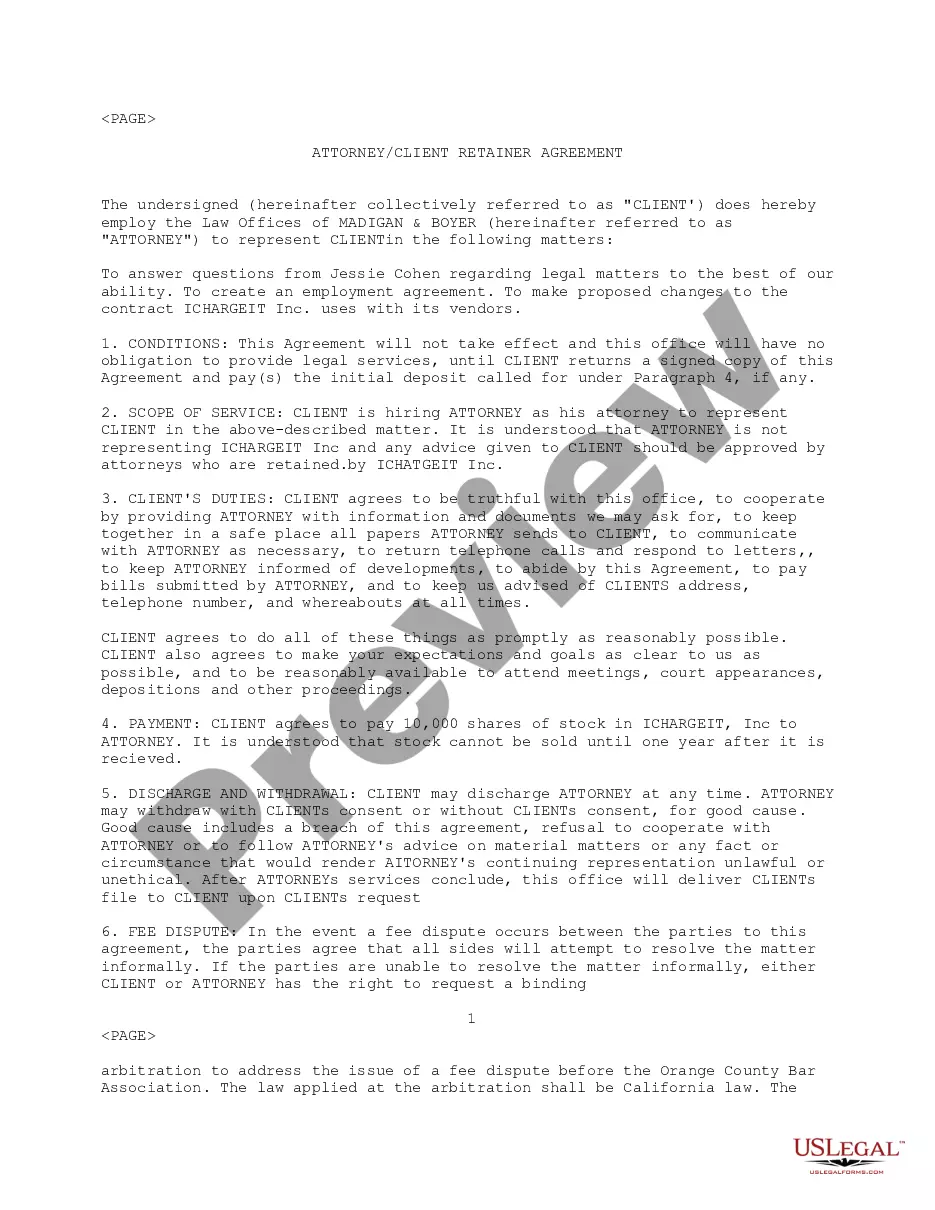
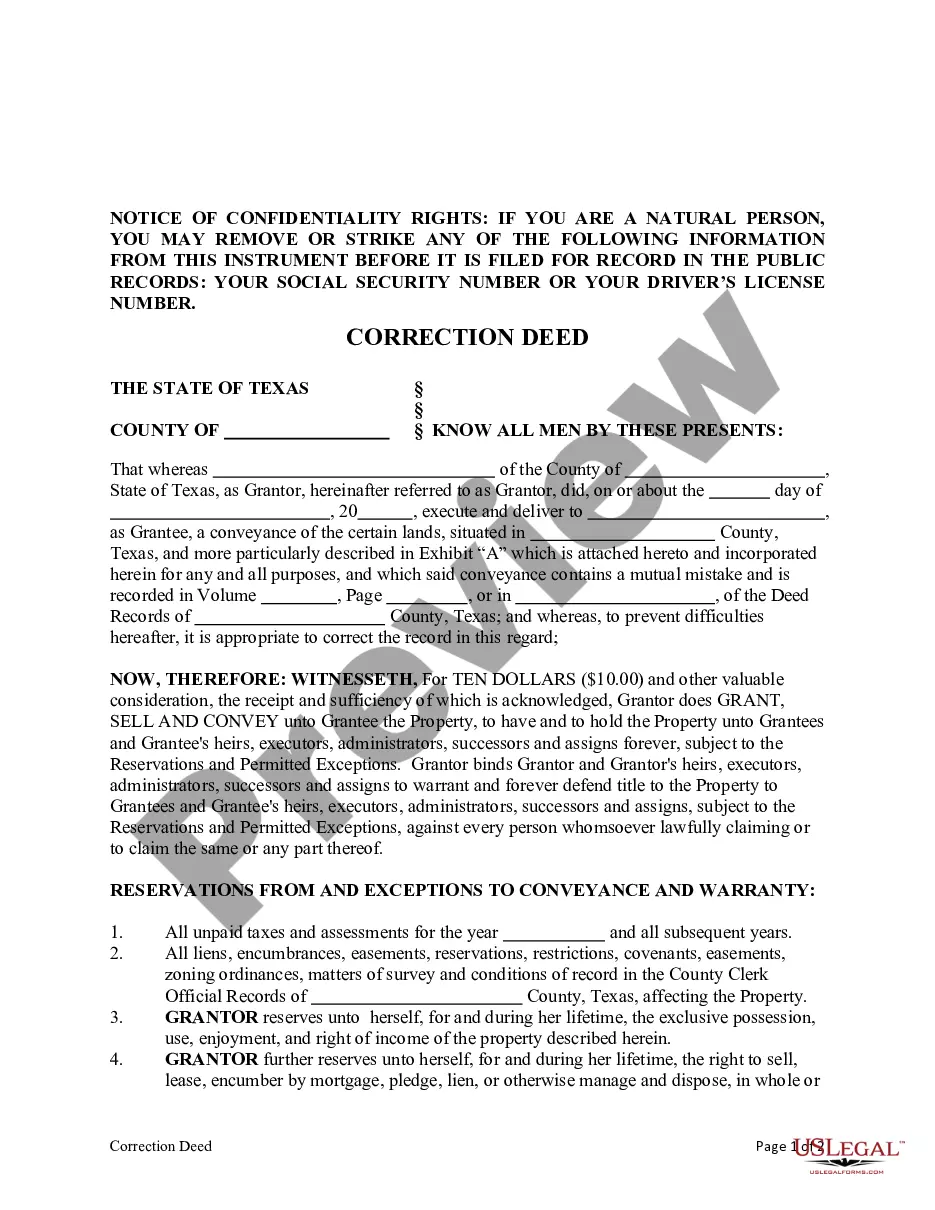
Form popularity
FAQ
For assistance you may call (631) 853-4600 Monday through Friday, from 9am to 4 pm. Note: To initiate a complaint, you must complete and sign the complaint form and then send it back to us with the required documentation.
A WARRANT OF EVICTION may be issued. A judgment for unpaid rent and fees may also be entered against you. After the WARRANT OF EVICTION is filed with the Sheriff, a Deputy Sheriff will post a 14-DAY NOTICE for you to leave the premises.
New York law specifically protects tenants from harassment, which can result in legal consequences for the landlord. Remove tenant belongings: Landlords cannot remove or discard a tenant's personal property to make the unit uninhabitable or force the tenant out.
The main difference between leasing and renting a property is the length of the contract. Leasehold is usually granted for at least 21 years and can last as long as 999 years.
Protections for tenants facing retaliation in New York It is presumed that a landlord is retaliating if: Within one year of your making a complaint, your landlord substantially alters the terms of your rental agreement.
A commercial lease is required in all circumstances where the lease is longer than 3 years (including options), and they can run for any period negotiated between the landlord and tenant up to a maximum of 99 years.
If you think a landlord has discriminated against you, you can complain to Long Island Housing Services at (631) 567-5111. You can also file a fair housing complaint with HUD at (800) 669-9777.
Key Features of Long-Term Leases These leases typically extend beyond 5 years and can last up to 25 years or more. While these often require more front-end legal work, they offer tenants more certainty.
Long Term Capital Lease Obligation is the amount due for asset lease agreements that are due in more than one year from balance sheet date. These are liabilities in the balance sheet.
A lease (property right to exclusive possession of land) which was initially granted for more than 21 years. However, the term is more commonly used to describe leases for an initial term of 99, 125, or even 999 years.
