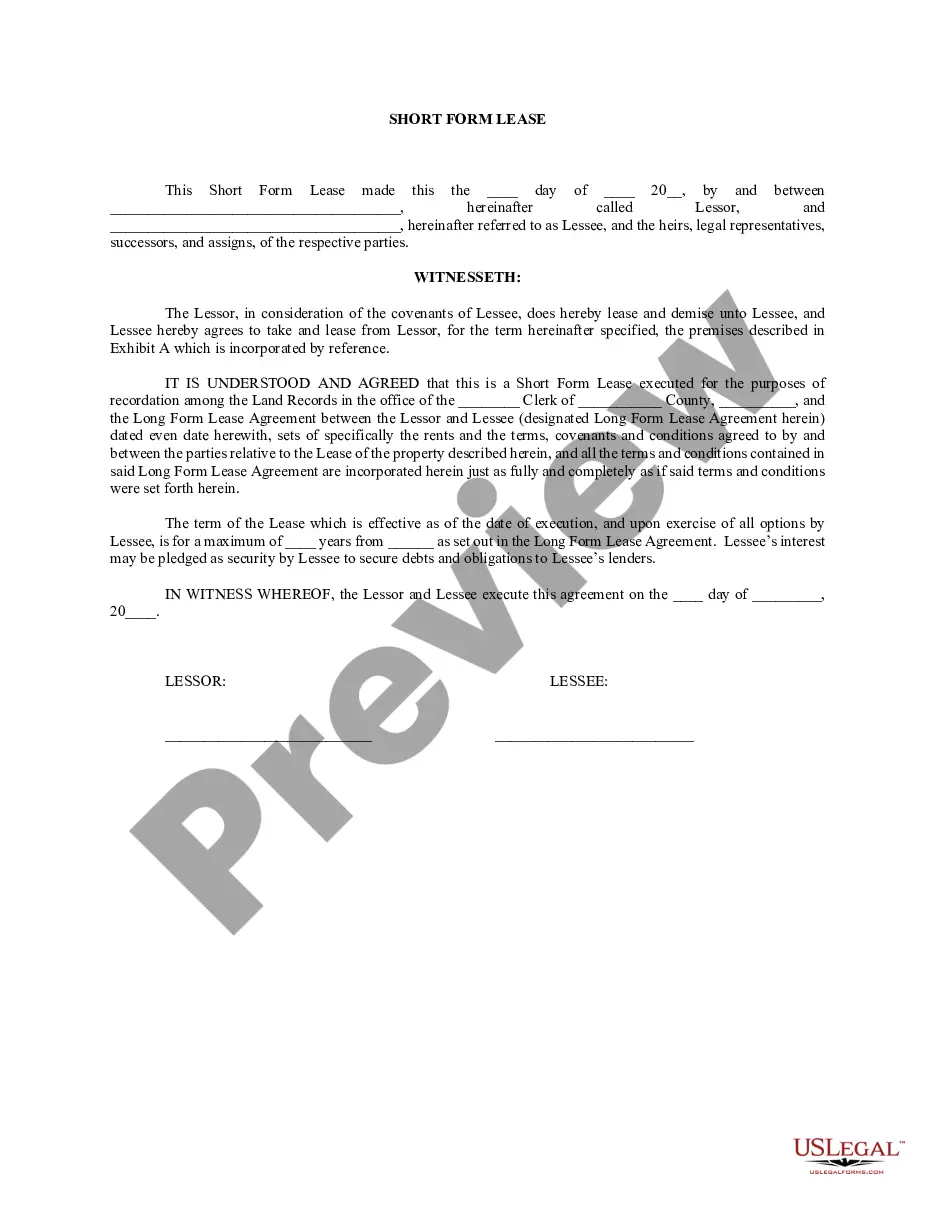
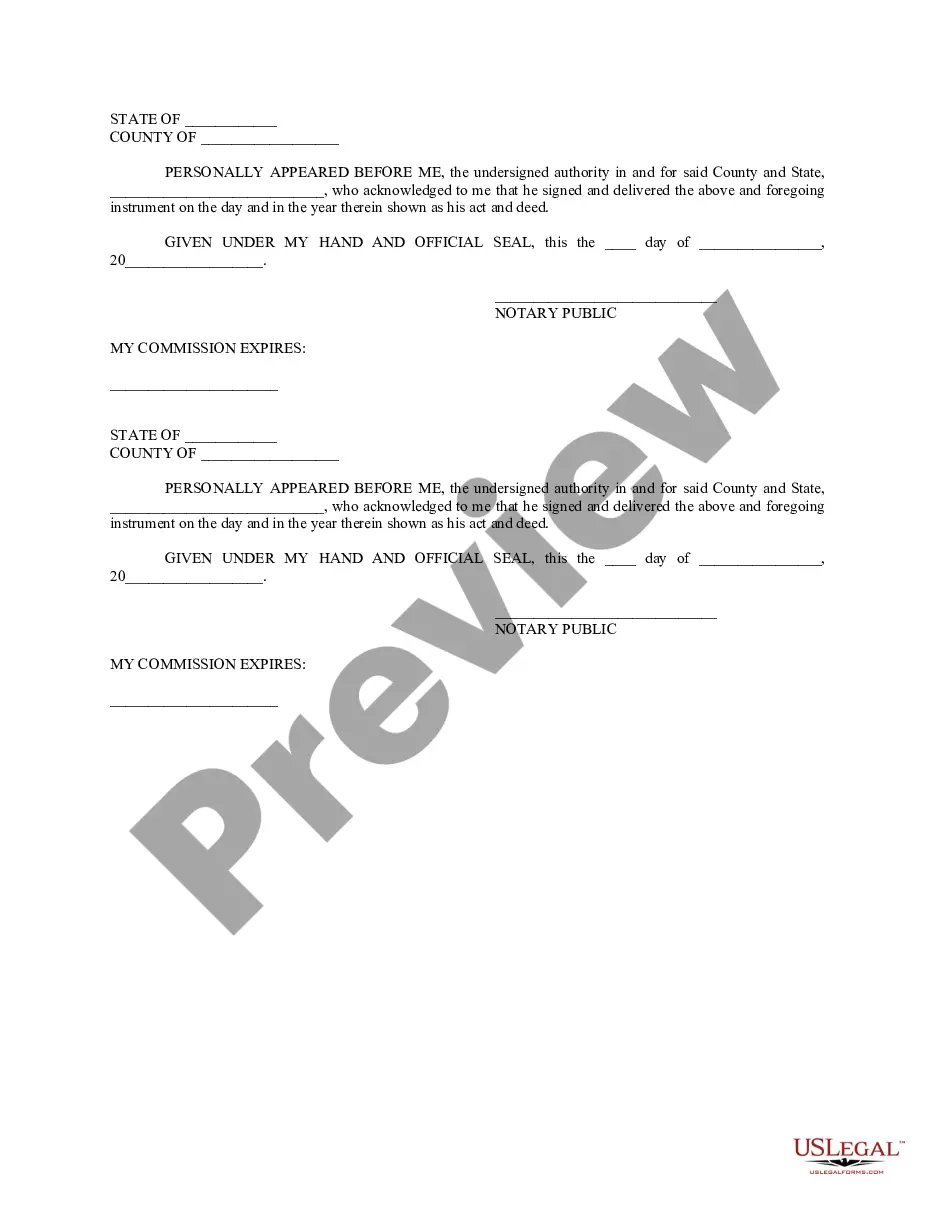
Long Term Lease Agreement For Land In Riverside
Description
Get your form ready online
Our built-in tools help you complete, sign, share, and store your documents in one place.
Make edits, fill in missing information, and update formatting in US Legal Forms—just like you would in MS Word.
Download a copy, print it, send it by email, or mail it via USPS—whatever works best for your next step.
Sign and collect signatures with our SignNow integration. Send to multiple recipients, set reminders, and more. Go Premium to unlock E-Sign.
If this form requires notarization, complete it online through a secure video call—no need to meet a notary in person or wait for an appointment.
We protect your documents and personal data by following strict security and privacy standards.

Make edits, fill in missing information, and update formatting in US Legal Forms—just like you would in MS Word.

Download a copy, print it, send it by email, or mail it via USPS—whatever works best for your next step.

Sign and collect signatures with our SignNow integration. Send to multiple recipients, set reminders, and more. Go Premium to unlock E-Sign.

If this form requires notarization, complete it online through a secure video call—no need to meet a notary in person or wait for an appointment.

We protect your documents and personal data by following strict security and privacy standards.
Looking for another form?









Form popularity
FAQ
How to write a California lease agreement Identify the parties involved. Clearly state the names and contact information of both the landlord and the prospective tenant. Define the rental property. Specify the lease term. Outline rent and payment terms. Include important provisions. Comply with legal requirements.
Most rentals will be advertised as either month-to-month or for a year, but if you're looking for a different term—say three months—you should ask the landlord if that's an option. Some landlords will consider different length terms in exchange for higher rent.
To determine the lease term, a company first determines the length of the non- cancellable period of a lease and the period for which the contract is enforceable. It can then determine – between those two limits – the length of the lease term.
What is a Lease? A lease is an implied or written agreement specifying the conditions under which a lessor accepts to let out a property to be used by a lessee. The agreement promises the lessee use of the property for an agreed length of time while the owner is assured consistent payment over the agreed period.
An example of a fixed lease term is leasing a building at $1,500/month for 24 months. An example of a periodic term is leasing a storage unit for $500 a month, with the option to continue for another month in perpetuity. The lease ends when either the landlord or tenant gives notice.
The lease term is the non-cancellable period for which the lessee has agreed to lease the asset from the lessor, together with periods covered by options to extend the lease that the lessee is reasonably certain to exercise, and periods covered by options to terminate the lease that the lessee is reasonably certain not ...
In many places, there is no strict legal maximum, but rental agreements typically range from 6 months to 1 year for residential leases. Some locations allow longer-term leases, such as 2 to 3 years, while others may require renewal after a certain period.
If a lease has expired and a new lease has not been signed then the homeowner automatically has a month-to-month arrangement (with rent control) and keeps the same rental rate as the expired lease (California Civil Code 798.17(a)(1) and the County's Title 25 25.06. 010(a)(2)).
A gross lease, also known as a full-service lease, is the most common type of commercial lease agreement. In this type of lease, the lessee is responsible for paying the base rent and the lessor generally handles any other building expenses, such as utilities, maintenance costs, taxes, and insurance.
In the law of several US states, a 99-year lease will always be the longest possible contract for realty by statute, but many states have enacted shorter terms and some allow infinite terms.
