Long Term Lease For In California
Description

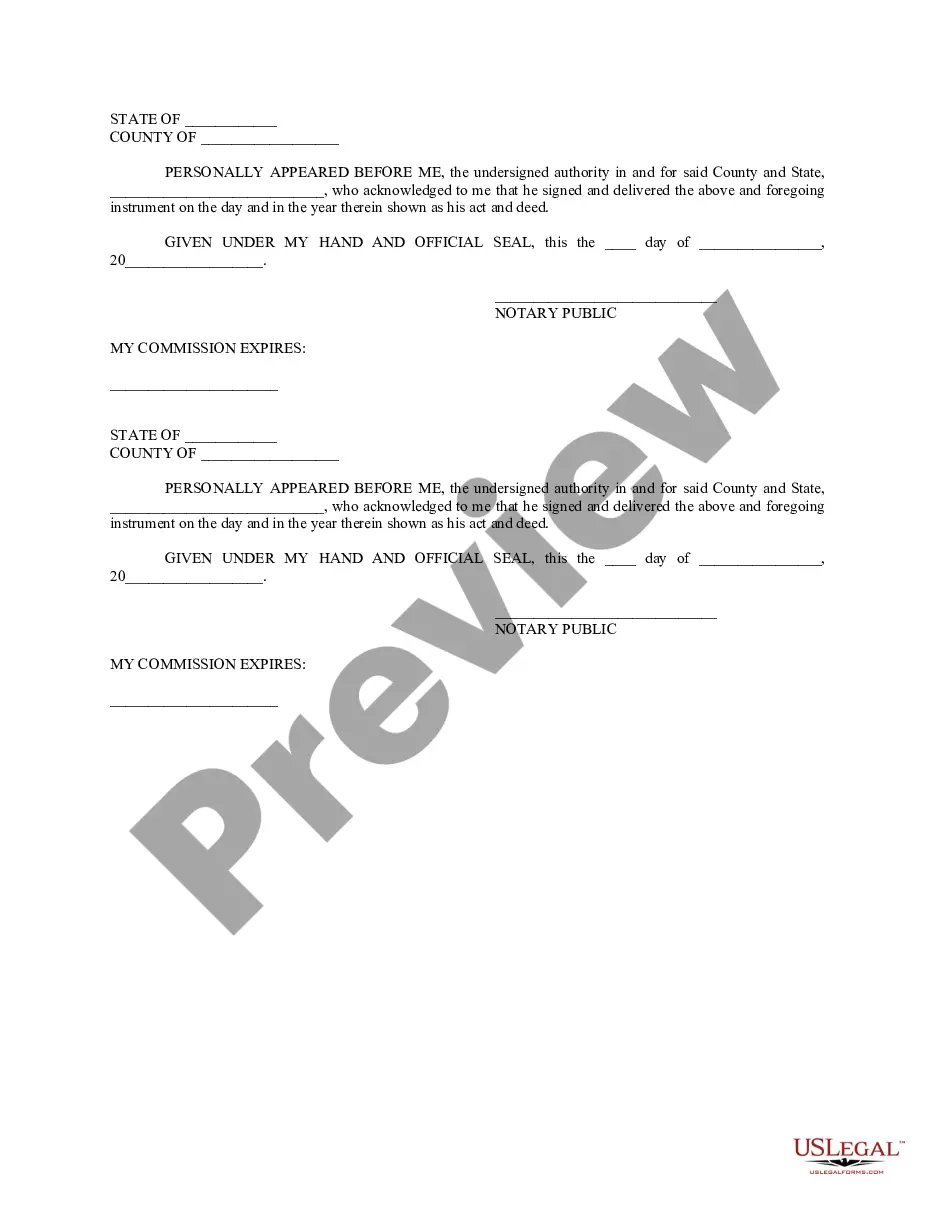
Get your form ready online
Our built-in tools help you complete, sign, share, and store your documents in one place.
Make edits, fill in missing information, and update formatting in US Legal Forms—just like you would in MS Word.
Download a copy, print it, send it by email, or mail it via USPS—whatever works best for your next step.
Sign and collect signatures with our SignNow integration. Send to multiple recipients, set reminders, and more. Go Premium to unlock E-Sign.
If this form requires notarization, complete it online through a secure video call—no need to meet a notary in person or wait for an appointment.
We protect your documents and personal data by following strict security and privacy standards.

Make edits, fill in missing information, and update formatting in US Legal Forms—just like you would in MS Word.

Download a copy, print it, send it by email, or mail it via USPS—whatever works best for your next step.

Sign and collect signatures with our SignNow integration. Send to multiple recipients, set reminders, and more. Go Premium to unlock E-Sign.

If this form requires notarization, complete it online through a secure video call—no need to meet a notary in person or wait for an appointment.

We protect your documents and personal data by following strict security and privacy standards.
Looking for another form?







Form popularity
FAQ
Key Features of Long-Term Leases These leases typically extend beyond 5 years and can last up to 25 years or more. While these often require more front-end legal work, they offer tenants more certainty.
California tenants have strong protections, like rent caps where you can't raise the rent more than 5% plus inflation each year. Landlords must give a good reason to evict someone who has lived in a place for over a year, under Just-Cause Eviction laws. If something's broken at home, landlords need to fix it fast.
Definition of Short-Term Rental in California The state provides a baseline definition under California Senate Bill No. 60, Chapter 307: a short-term rental refers to any residential property — or part of a property — rented to an individual or group for 30 consecutive days or less.
-That while there is no lease limit to commercial properties, a maximum lease limit for residential in three years in California. -That there is no maximum cap in California but you can only set years, not open ended.
If you opt to make your property a long-term rental, then you'll typically enter into a lease agreement with responsible, long-term tenants who commit to occupying the property for an extended period, often ranging from several months to several years.
What are Long-Term Rentals? Long-term rentals are residential properties leased for a significant duration, typically six months or longer. Such agreements cater to tenants seeking a steady and secure living arrangement, while landlords look for consistent income.
Notwithstanding the 55-year limitation imposed by Section 718, property owned by, or held by, or under the management and control of, any city, or any department or board thereof, may be leased for a period which exceeds 55 years but does not exceed 99 years, if all of the following conditions are met: (a) The lease ...
How to write a California lease agreement Identify the parties involved. Clearly state the names and contact information of both the landlord and the prospective tenant. Define the rental property. Specify the lease term. Outline rent and payment terms. Include important provisions. Comply with legal requirements.
