Closing Property Title Format In Wayne
Description




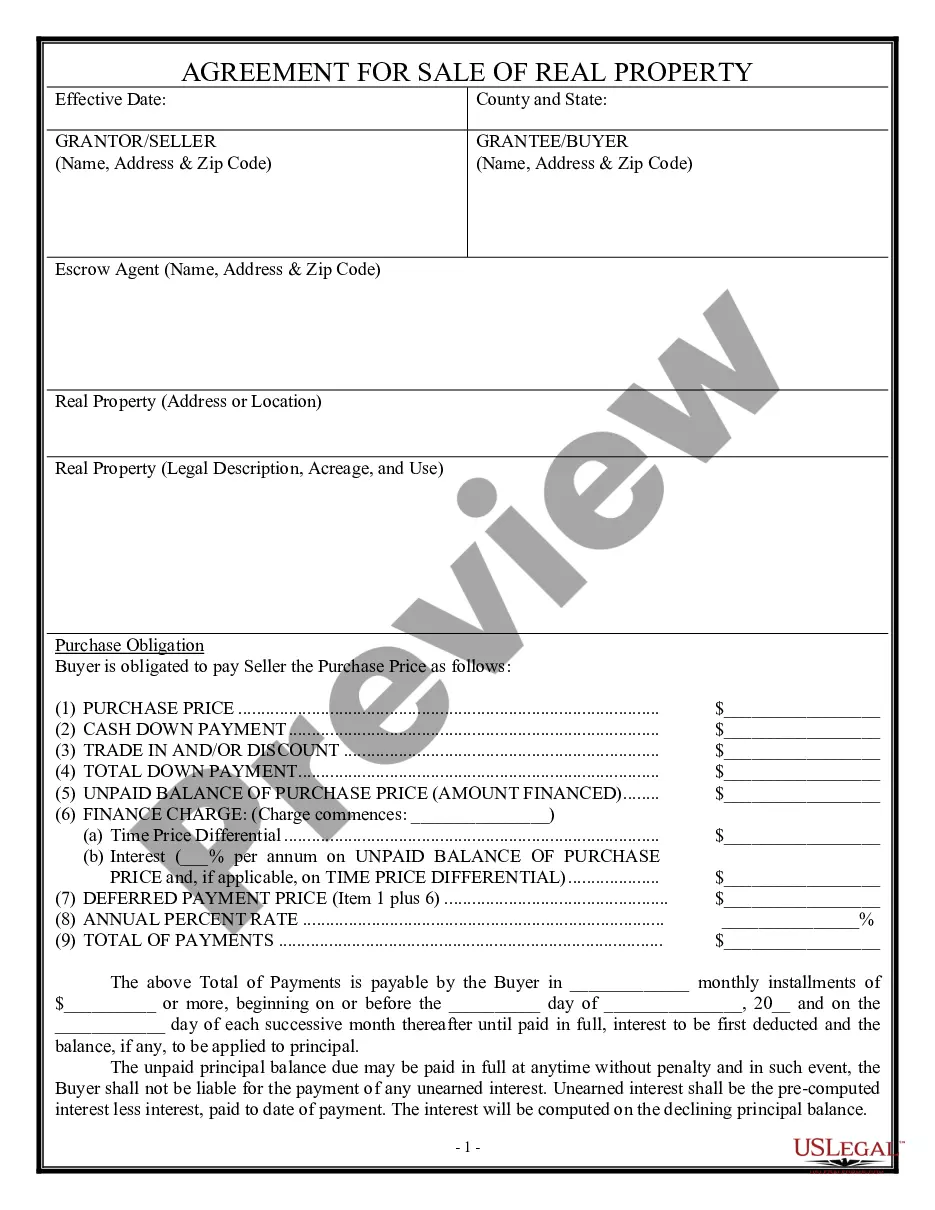

Get your form ready online
Our built-in tools help you complete, sign, share, and store your documents in one place.
Make edits, fill in missing information, and update formatting in US Legal Forms—just like you would in MS Word.
Download a copy, print it, send it by email, or mail it via USPS—whatever works best for your next step.
Sign and collect signatures with our SignNow integration. Send to multiple recipients, set reminders, and more. Go Premium to unlock E-Sign.
If this form requires notarization, complete it online through a secure video call—no need to meet a notary in person or wait for an appointment.
We protect your documents and personal data by following strict security and privacy standards.

Make edits, fill in missing information, and update formatting in US Legal Forms—just like you would in MS Word.

Download a copy, print it, send it by email, or mail it via USPS—whatever works best for your next step.

Sign and collect signatures with our SignNow integration. Send to multiple recipients, set reminders, and more. Go Premium to unlock E-Sign.

If this form requires notarization, complete it online through a secure video call—no need to meet a notary in person or wait for an appointment.

We protect your documents and personal data by following strict security and privacy standards.
Looking for another form?







Form popularity
FAQ
In Microsoft Word, "Closing" a document and "Exiting" the program are two different actions: Closing a document refers to closing the specific file that is currently open, but leaving the Microsoft Word program open to work with other files.
Closure documentation refers to the process of formally concluding a project or task by compiling comprehensive records and insights for future reference. This ensures transparency, continuity, and knowledge transfer, as well as helping teams identify successes and areas of improvement.
Closing statement may refer to: Closing argument, or "summation", the concluding statement of each party's counsel in a court case. Closing statement (real estate), a document describing a real estate transaction. Closing statement (debate), the concluding statement in a debate.
The closing statement is the attorney's final statement to the jury before deliberation begins. The attorney reiterates the important arguments, summarizes what the evidence has and has not shown, and requests jury to consider the evidence and apply the law in his or her client's favor.
Both the buyer and seller will see a breakdown of their costs. Both buyers and sellers will sign the closing statement. Deed: The deed is the official document that transfers title to a home or piece of property from one party to another.
