Closing Property Title Forward In Utah
Description

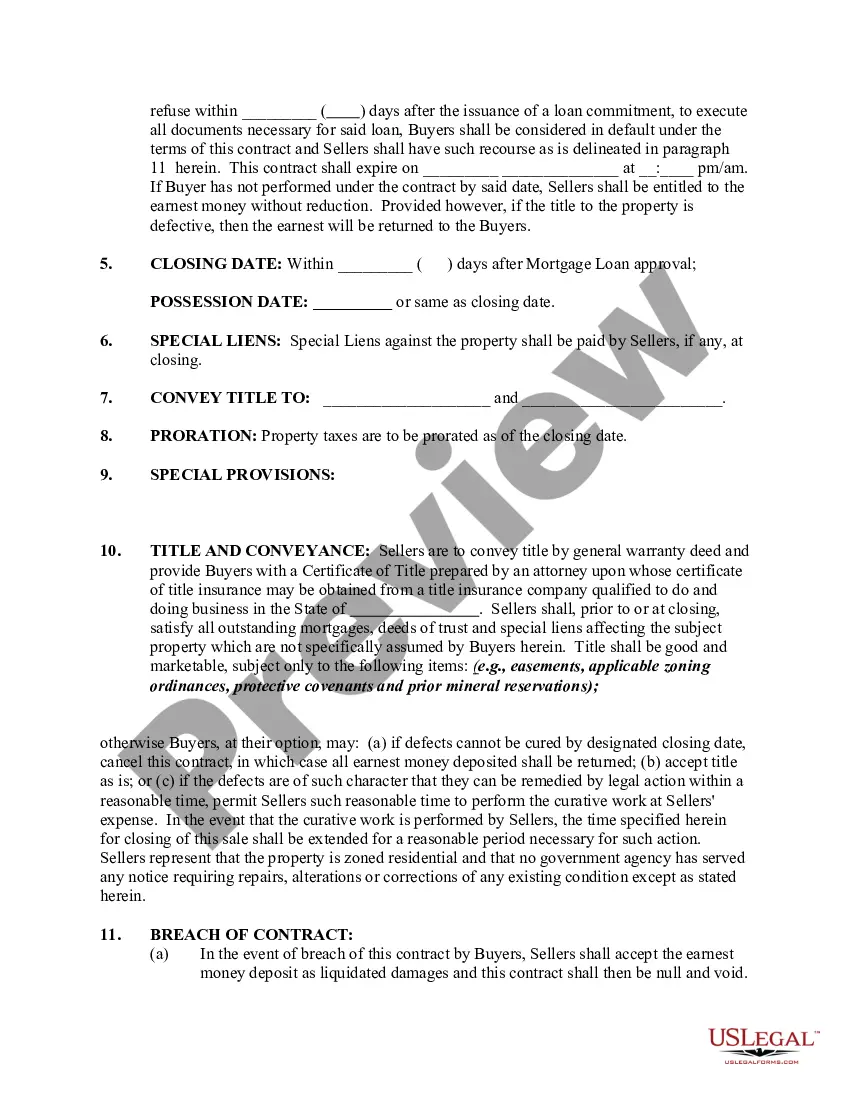
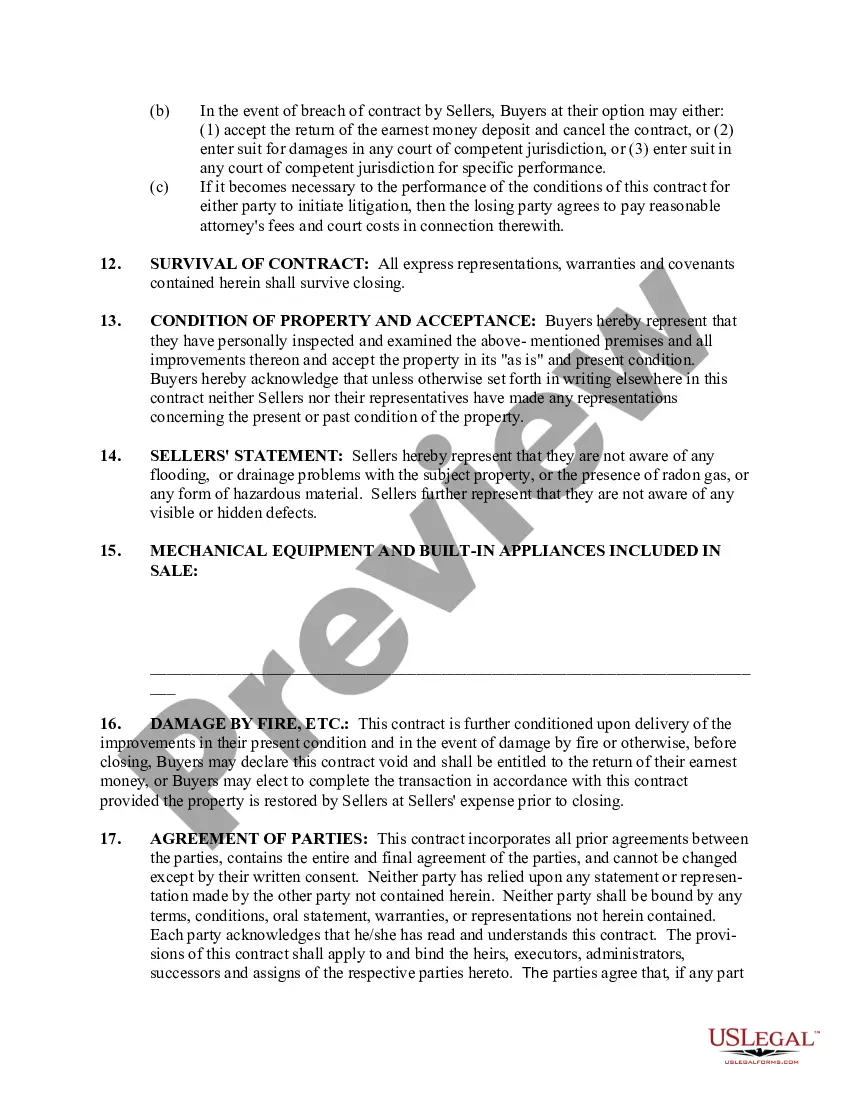
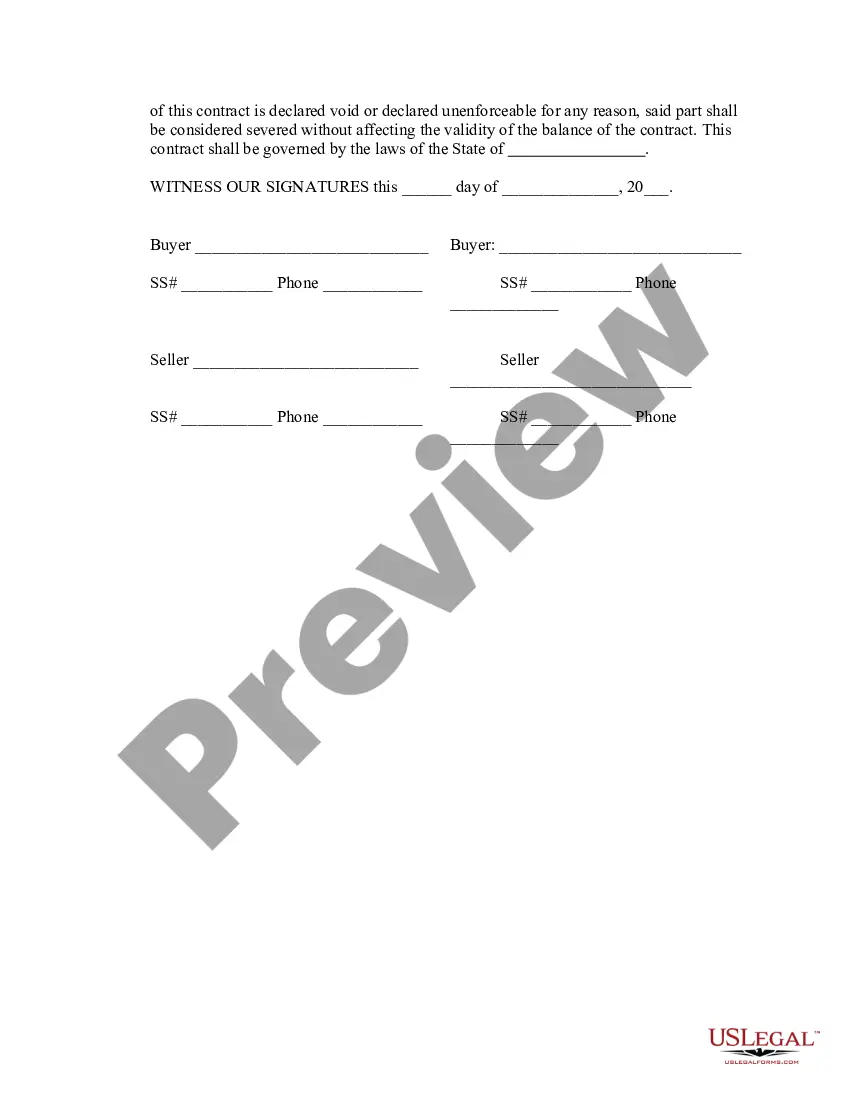
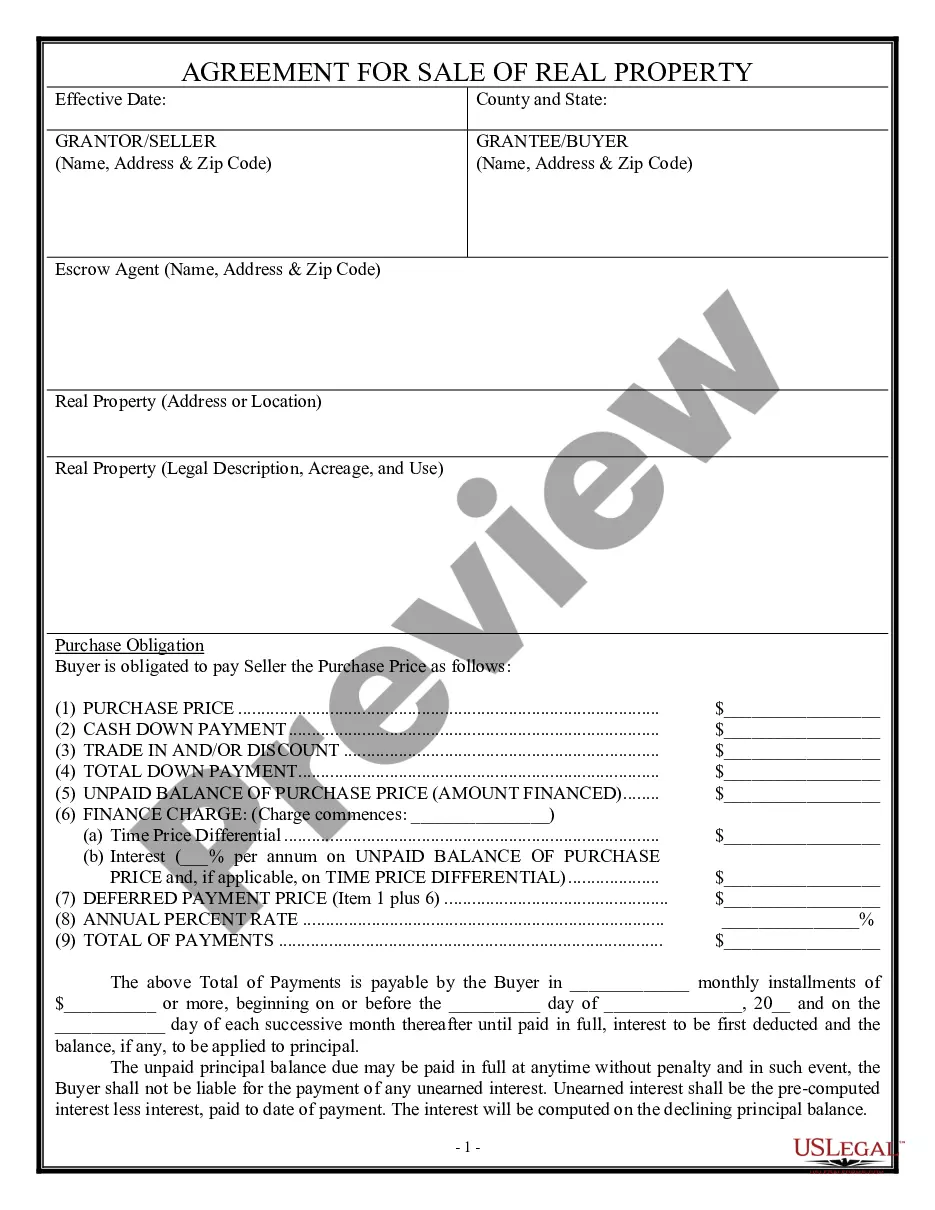
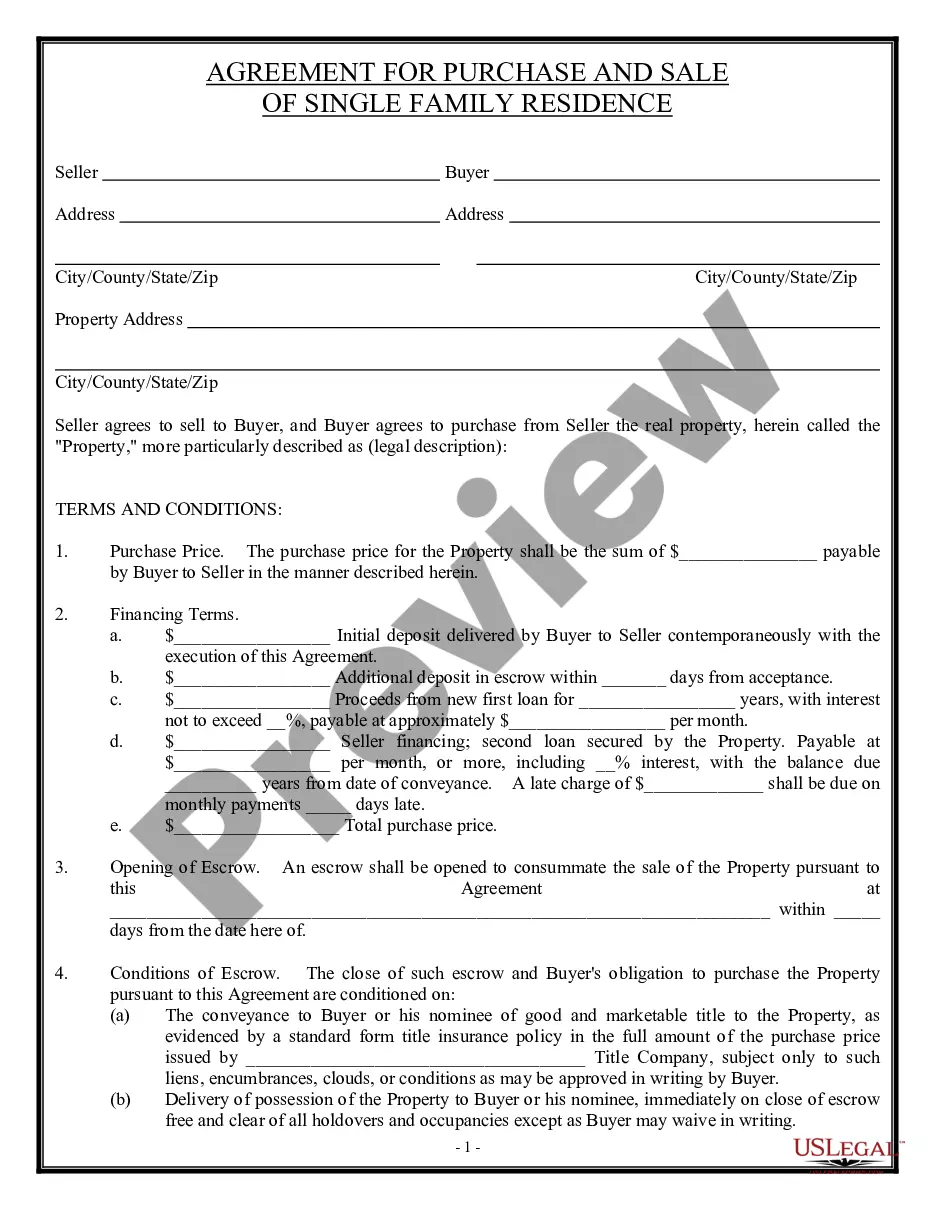
Get your form ready online
Our built-in tools help you complete, sign, share, and store your documents in one place.
Make edits, fill in missing information, and update formatting in US Legal Forms—just like you would in MS Word.
Download a copy, print it, send it by email, or mail it via USPS—whatever works best for your next step.
Sign and collect signatures with our SignNow integration. Send to multiple recipients, set reminders, and more. Go Premium to unlock E-Sign.
If this form requires notarization, complete it online through a secure video call—no need to meet a notary in person or wait for an appointment.
We protect your documents and personal data by following strict security and privacy standards.

Make edits, fill in missing information, and update formatting in US Legal Forms—just like you would in MS Word.

Download a copy, print it, send it by email, or mail it via USPS—whatever works best for your next step.

Sign and collect signatures with our SignNow integration. Send to multiple recipients, set reminders, and more. Go Premium to unlock E-Sign.

If this form requires notarization, complete it online through a secure video call—no need to meet a notary in person or wait for an appointment.

We protect your documents and personal data by following strict security and privacy standards.
Looking for another form?








Form popularity
FAQ
No notary is needed to sign off on a title.
Settlement is the first step in the process. Closing can be the same day as Settlement and usually entitles the buyer to possession.
The Process Of Car Title Transfer In Utah Obtain the Title: Buyers must receive the original title from the seller. Complete DMV Form: Fill out the DMV title application form, available on the Utah DMV website. Sign the Title: Both the seller and buyer must sign the title, confirming the transfer of ownership.
The key documents required for a title transfer in Utah include the Certificate of Title, Bill of Sale, Release of Lien, and Affidavit of Ownership. Having these documents prepared is essential for a successful transfer process.
– Quitclaim Deed: This deed transfers the grantor's interest in the property without any warranties or guarantees. It is often used for transfers between family members where the grantor may not want to warrant the current status of title.
Utah's escrow process is similar to other states where an escrow agent, closing agent, or representative from a title company is used to complete the transaction.
