Closing Property Title Format In Texas
Description

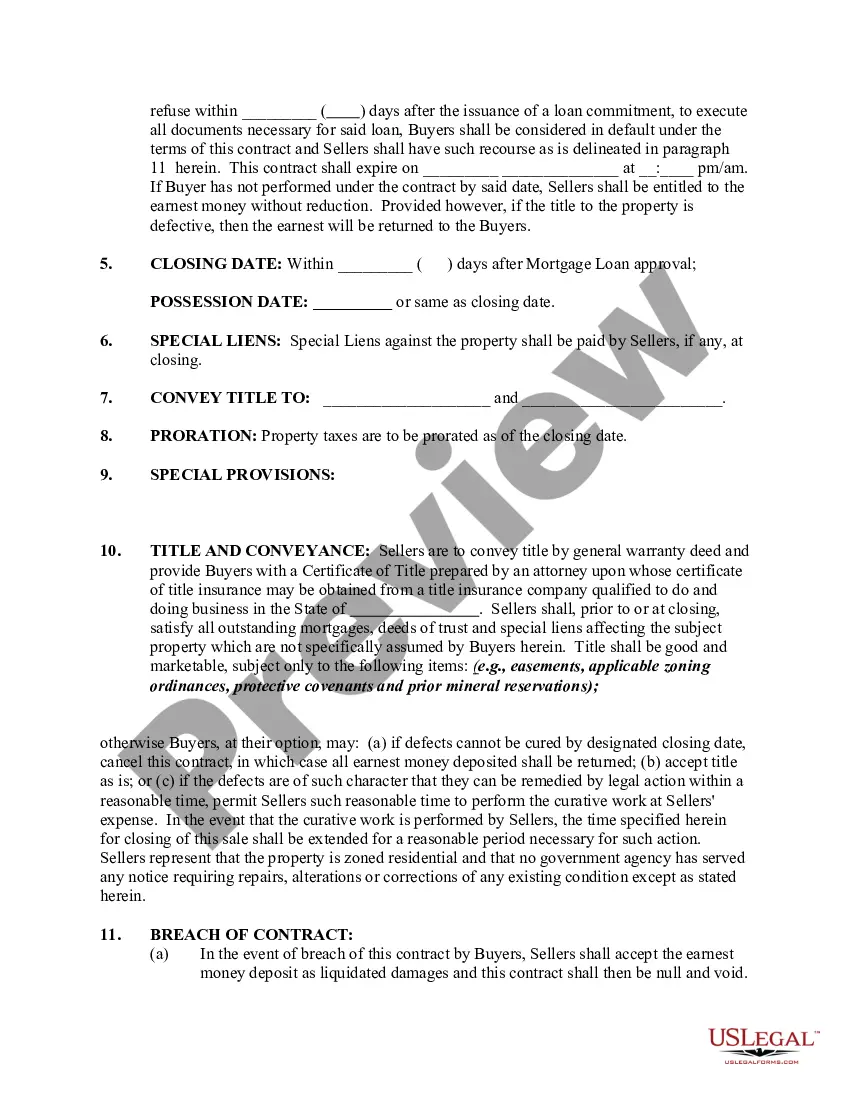
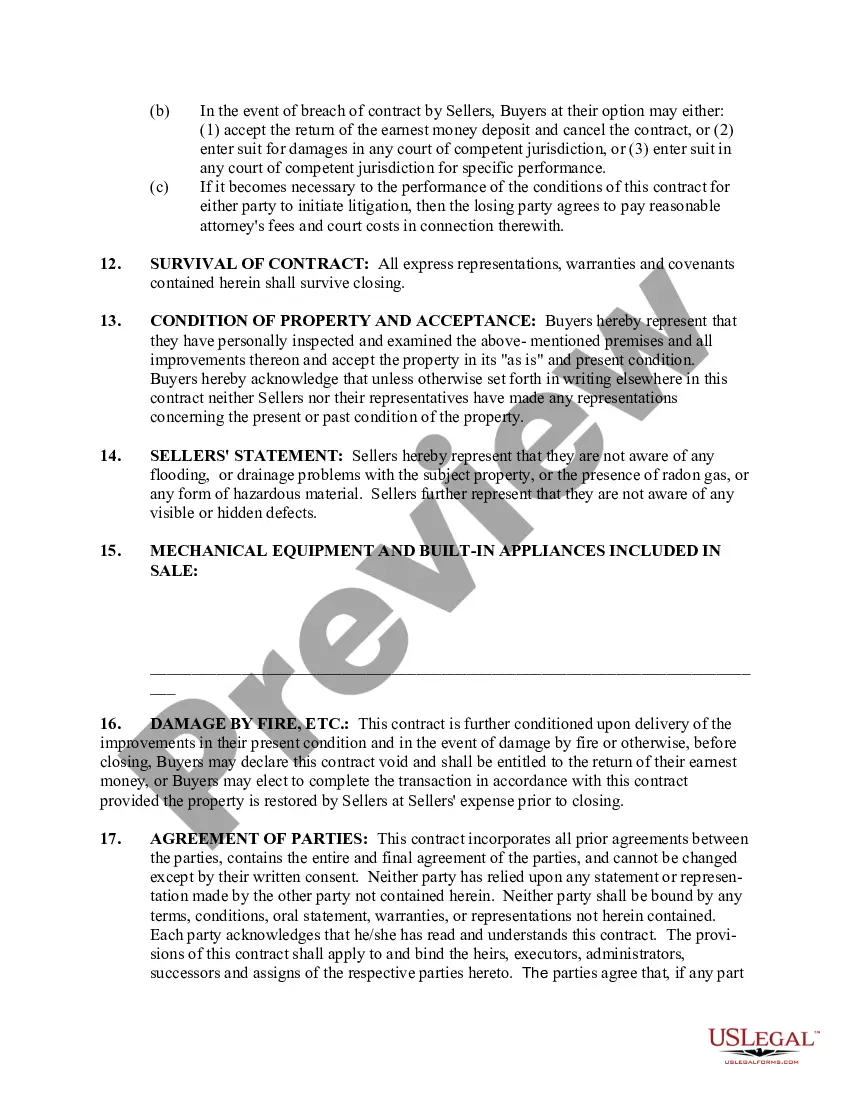
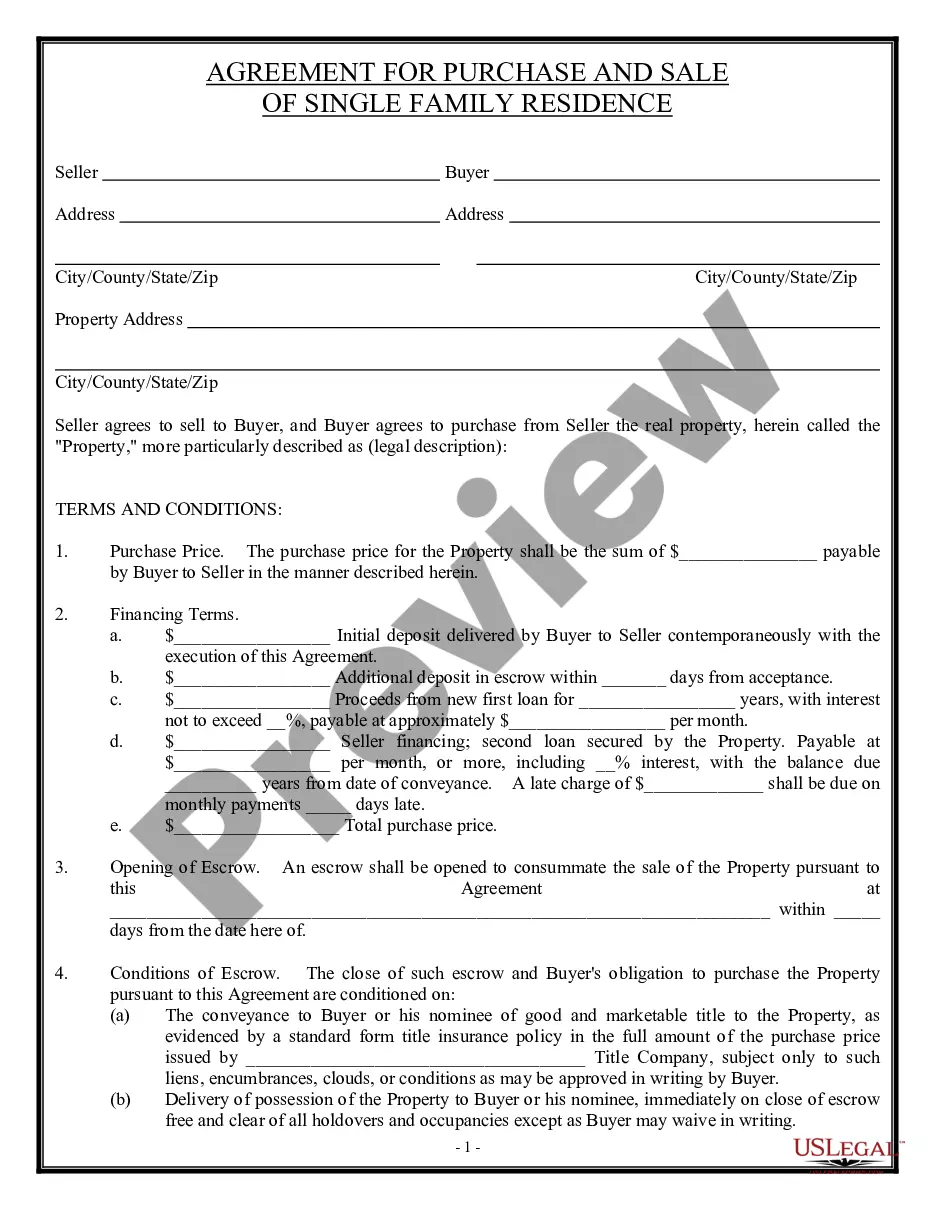
Get your form ready online
Our built-in tools help you complete, sign, share, and store your documents in one place.
Make edits, fill in missing information, and update formatting in US Legal Forms—just like you would in MS Word.
Download a copy, print it, send it by email, or mail it via USPS—whatever works best for your next step.
Sign and collect signatures with our SignNow integration. Send to multiple recipients, set reminders, and more. Go Premium to unlock E-Sign.
If this form requires notarization, complete it online through a secure video call—no need to meet a notary in person or wait for an appointment.
We protect your documents and personal data by following strict security and privacy standards.

Make edits, fill in missing information, and update formatting in US Legal Forms—just like you would in MS Word.

Download a copy, print it, send it by email, or mail it via USPS—whatever works best for your next step.

Sign and collect signatures with our SignNow integration. Send to multiple recipients, set reminders, and more. Go Premium to unlock E-Sign.

If this form requires notarization, complete it online through a secure video call—no need to meet a notary in person or wait for an appointment.

We protect your documents and personal data by following strict security and privacy standards.
Looking for another form?


Form popularity
FAQ
TDI regulates title insurance under Texas Insurance Code, Title 11 and the Basic Manual of Rules, Rates and Forms for the Writing of Title Insurance in the State of Texas.
Title companies in Texas perform crucial tasks in real estate transactions, ensuring a seamless closing process. They offer various services that protect all parties involved.
Here are the steps to follow when transferring property ownership in Texas legally: Step 1: Prepare the Deed. The first step is to prepare the deed, but what's the difference between a title vs. Step 2: Sign the Deed. Step 3: Record the Deed. Step 4: Update Property Records.
Typically, the seller signs the closing documents first, before the buyer even arrives at the office where the closing is taking place. Buyers have to sign a LOT more documents than the seller and it is not necessary for the seller to sit and watch the buyer sign their papers.
You may choose any title company you want; you don't have to use a company selected by a real estate agent, builder, or lender. Section 9 of the Real Estate Settlement Procedures Act (RESPA) prohibits sellers from conditioning the home sale on the use of a specific title insurance company.
Who Chooses the Title Company? Seller's Preference: In many cases, especially in a seller's market, the seller may prefer to. Buyer's Input: In a buyer's market or in situations where the buyer has specific preferences, ... Mutual Agreement: Often, the buyer and seller come to a mutual agreement on which title.
Once all preparations are in order, parties attend a closing meeting at the title company office. Legal and financial documents are signed, and ownership transferred from the seller to the buyer. Afterward, funds disbursement and keys are handed over, marking the completion of the closing process.
This form provides additional disclosures and. Texas Disclosure. acknowledgements required in Texas. It is used with the. federal Closing Disclosure form.