Closing Property Title With Mortgage In Tarrant
Description

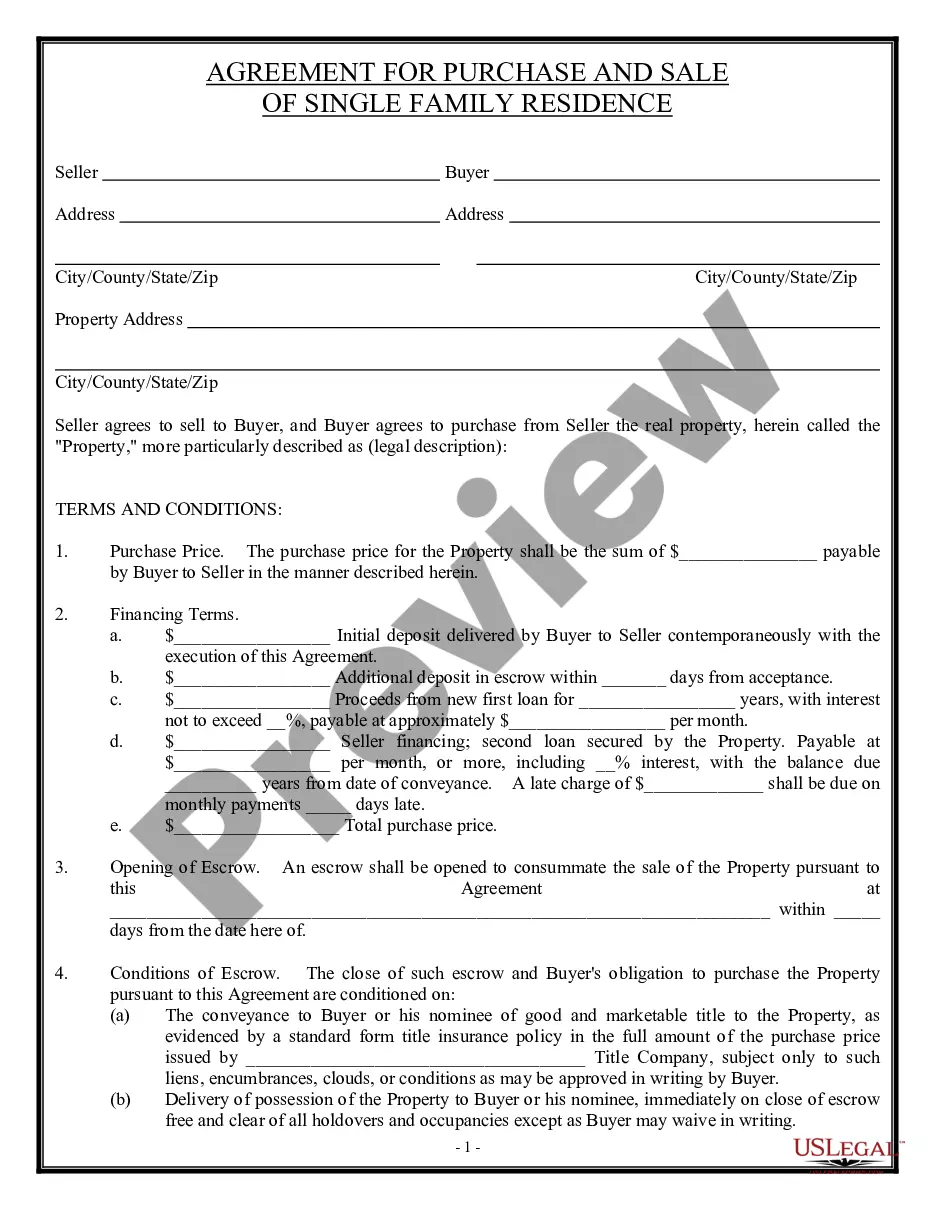
Get your form ready online
Our built-in tools help you complete, sign, share, and store your documents in one place.
Make edits, fill in missing information, and update formatting in US Legal Forms—just like you would in MS Word.
Download a copy, print it, send it by email, or mail it via USPS—whatever works best for your next step.
Sign and collect signatures with our SignNow integration. Send to multiple recipients, set reminders, and more. Go Premium to unlock E-Sign.
If this form requires notarization, complete it online through a secure video call—no need to meet a notary in person or wait for an appointment.
We protect your documents and personal data by following strict security and privacy standards.

Make edits, fill in missing information, and update formatting in US Legal Forms—just like you would in MS Word.

Download a copy, print it, send it by email, or mail it via USPS—whatever works best for your next step.

Sign and collect signatures with our SignNow integration. Send to multiple recipients, set reminders, and more. Go Premium to unlock E-Sign.

If this form requires notarization, complete it online through a secure video call—no need to meet a notary in person or wait for an appointment.

We protect your documents and personal data by following strict security and privacy standards.
Looking for another form?










Form popularity
FAQ
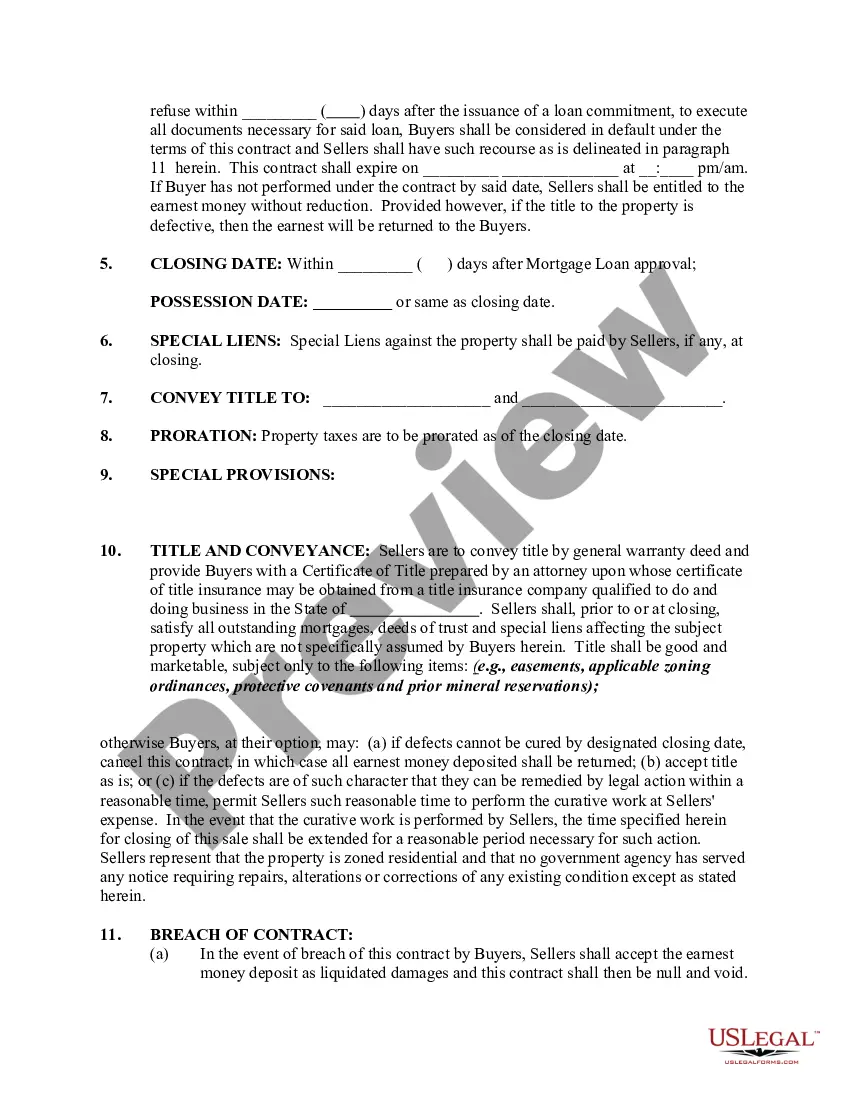
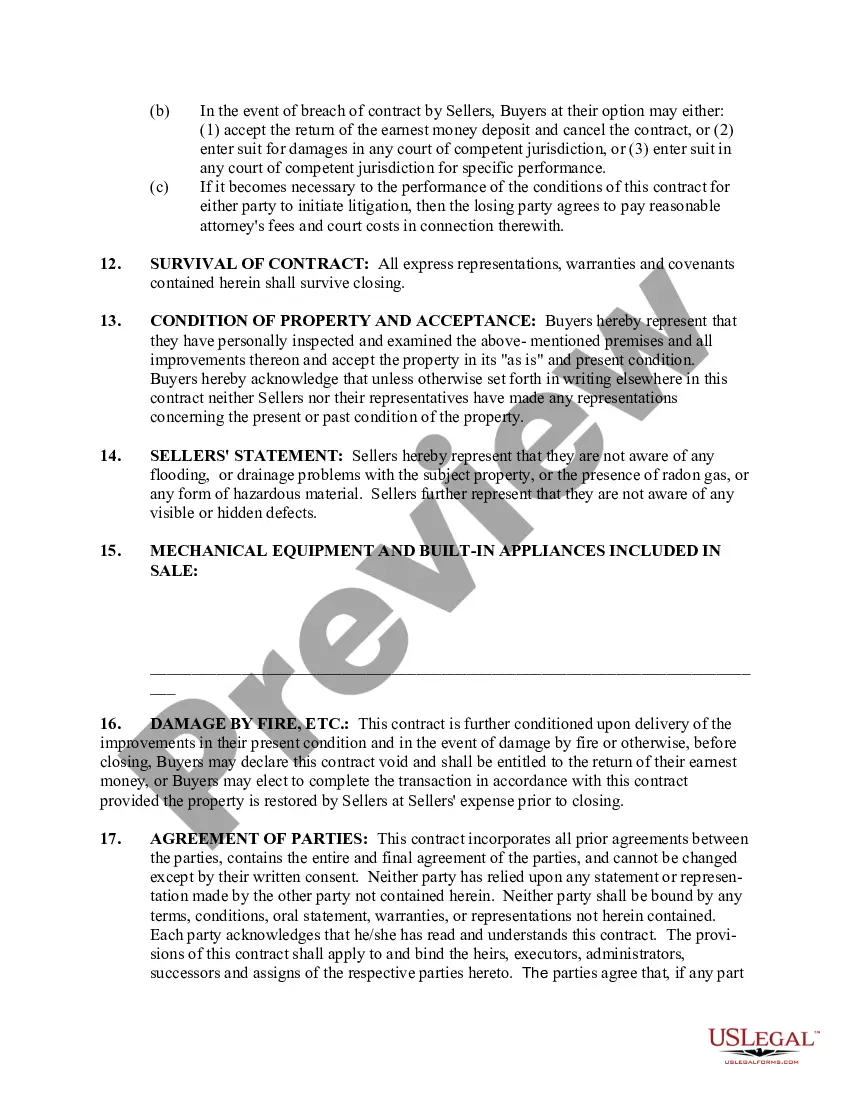
To prove title to real property, you'll need to file certain documents with the county's clerk office. This must be done in the county where the property is located. It will help establish the chain of title, allow you to sell the property, etc. The county cannot add your name to the deed or issue a new deed.
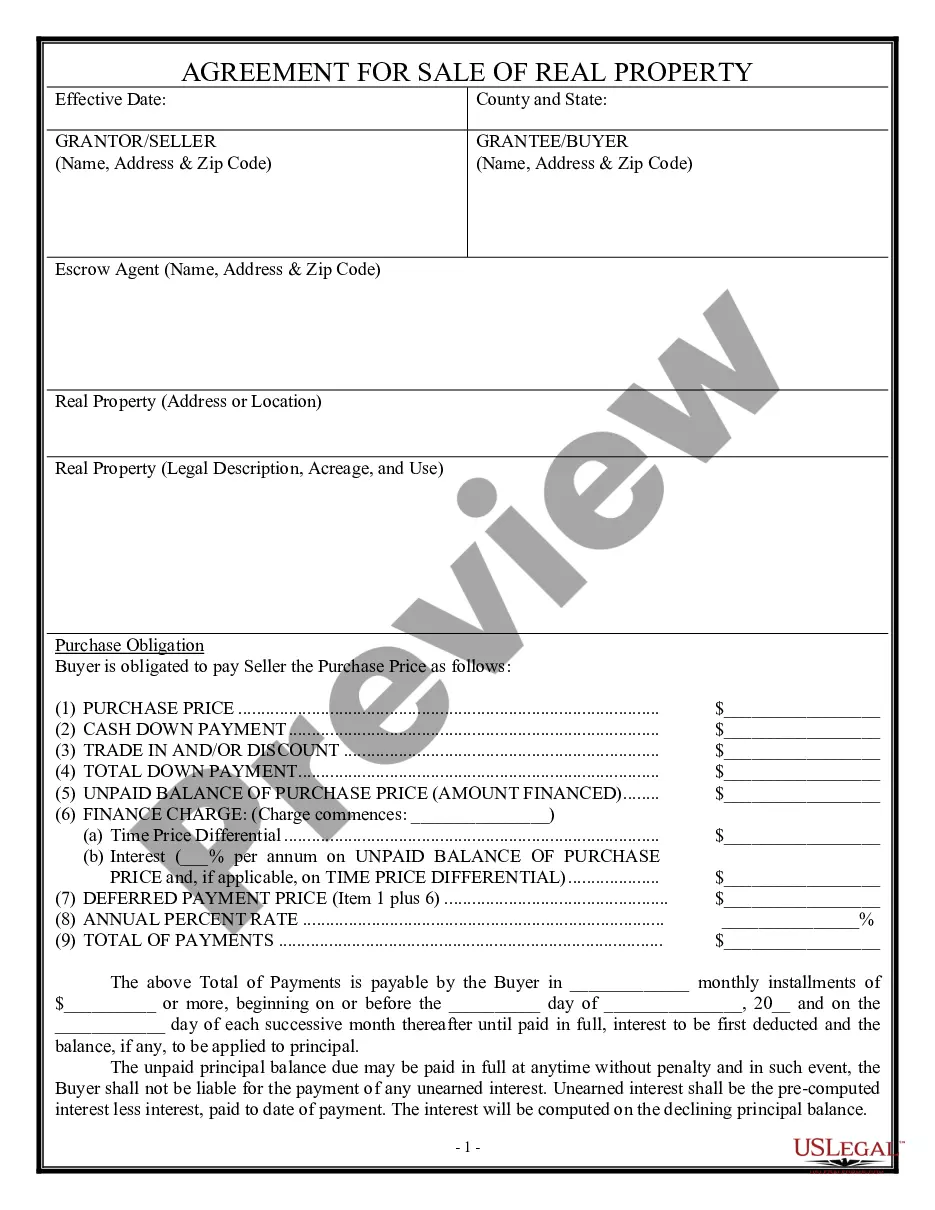
Deed or official record: Original deed, warranty deed or deed of trust to the property. A utility bill dated between April 2022 and present, must also be included. Mortgage documentation: Mortgage statement, mortgage promissory note or the closing disclosure form.
Once a deed has been recorded by the County Clerk's Office, copies of the deed may be requested if the original deed has been misplaced. Plain copies can be found by using the Official Public Records Search and selecting "Land Records". A certified copy may be purchased through request either in person or by mail.
A property certificate of title will tell you who legally owns a property and if there are any easements, covenants, caveats or mortgages relating to the property.
A Deed is Evidence of Title This is the written proof that you have transferred the title to the new owner.
How long does it take to get a deed in Texas? Well, sugar, the time it takes to get a deed in Texas can vary. Once all the paperwork is signed, sealed, and delivered to the county clerk's office, it can take anywhere from a few days to a couple of weeks for it to be recorded.
Good to know: To be valid and enforceable, the transfer must be in writing and signed by the owner. The document should be filed with the County Clerk for the County in which the property is located. For example, you cannot simply say that your grandfather said he wanted you to have the property.
In Texas, you record your deed with the County Clerk in the county where the property exists. If the property is in more than one county, record it in each. It is important to record your deed. In Texas, the property is legally transferred when the grantee accepts the signed deed.
Can I record a document at one of the Tarrant County Subcourthouses? No, land documents are recorded at 100 W. Weatherford St. Room B20 Fort Worth, TX 76196.
