House For Sale By Owner Forms Foreclosure In Suffolk
Description

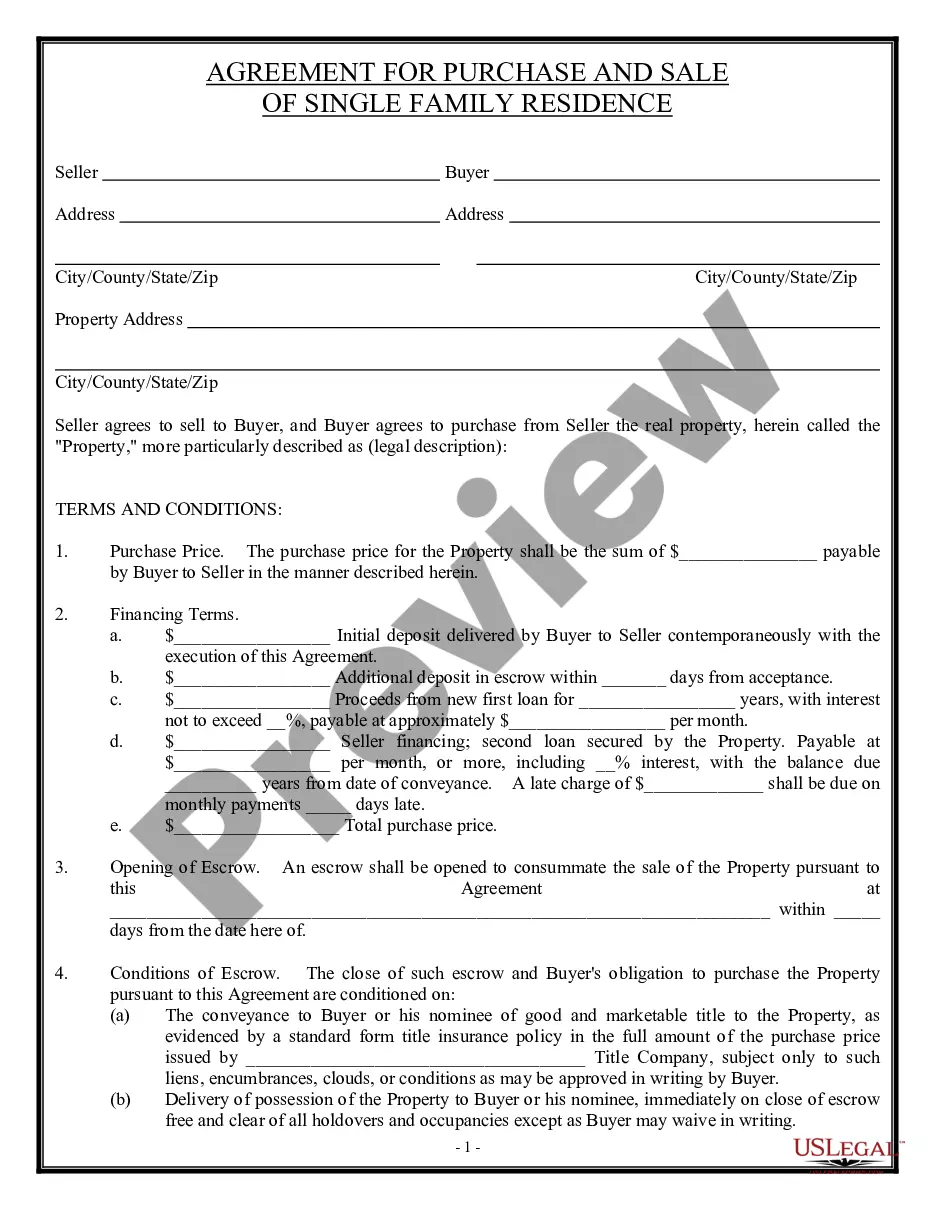
Get your form ready online
Our built-in tools help you complete, sign, share, and store your documents in one place.
Make edits, fill in missing information, and update formatting in US Legal Forms—just like you would in MS Word.
Download a copy, print it, send it by email, or mail it via USPS—whatever works best for your next step.
Sign and collect signatures with our SignNow integration. Send to multiple recipients, set reminders, and more. Go Premium to unlock E-Sign.
If this form requires notarization, complete it online through a secure video call—no need to meet a notary in person or wait for an appointment.
We protect your documents and personal data by following strict security and privacy standards.

Make edits, fill in missing information, and update formatting in US Legal Forms—just like you would in MS Word.

Download a copy, print it, send it by email, or mail it via USPS—whatever works best for your next step.

Sign and collect signatures with our SignNow integration. Send to multiple recipients, set reminders, and more. Go Premium to unlock E-Sign.

If this form requires notarization, complete it online through a secure video call—no need to meet a notary in person or wait for an appointment.

We protect your documents and personal data by following strict security and privacy standards.
Looking for another form?







Form popularity
FAQ
Missed Mortgage Payments If you have fallen behind 1 to 2 months in payment, the mortgage holder will tell you that they will start the foreclosure process for your home. You will get a 90 Day Pre-Foreclosure Notice in the mail. You will have a chance to get help and try to recover before a court case is started.
It takes at least 6 to 8 months for a fore- closure lawsuit to go from summons and complaint to auction — even if you ignore the court case. In reality, however, the process is taking much longer. If you file an Answer and appear at the mandatory settlement conference, it is taking lenders 1 to 3 years to foreclose.
Lender asks court for a judgment on default and to appoint a Referee to decide the amount you owe and write a report. Lender asks court to accept the Referee's findings. Judge orders sale of your home. Lender and Referee choose date for auction at the courthouse.
For Residential Cases. Lender must mail you information on getting help at least 90 days before starting a court case. Lender asks court for a judgment on default and to appoint a Referee to decide the amount you owe and write a report. Lender asks court to accept the Referee's findings. Judge orders sale of your home.
For example, New York State's pre-foreclosure process often lasts more than 13 months. That's because New York only allows judicial foreclosures (i.e., lenders must go through the courts to initiate foreclosures at all).
RPAPL Section 1301 amends New York's “election of remedies” law by providing that once a foreclosure action is adjudicated to be beyond the six-year limitations period, the lender is prohibited from filing a new action on the same debt (including a new action to sue on the promissory note).
The judicial pre-foreclosure process can take an extended period of time and depends on the speed of the state legal system. This can buy a homeowner more time to get caught up. For example, New York State's pre-foreclosure process often lasts more than 13 months.
At the settlement conference, the parties will discuss different methods of how to stop the foreclosure proceedings. These methods will include paying the back due amounts all at once, setting up a payment plan, selling the home quickly in a short sale, utilizing a deed in lieu of foreclosure, and many other options.
What is commonly called a “foreclosure” is a lawsuit that the mortgage holder files against a homeowner in the supreme court where the property is located. The mortgage holder is usually a bank or finance company.