Closure Any Property Formula In San Diego
Description

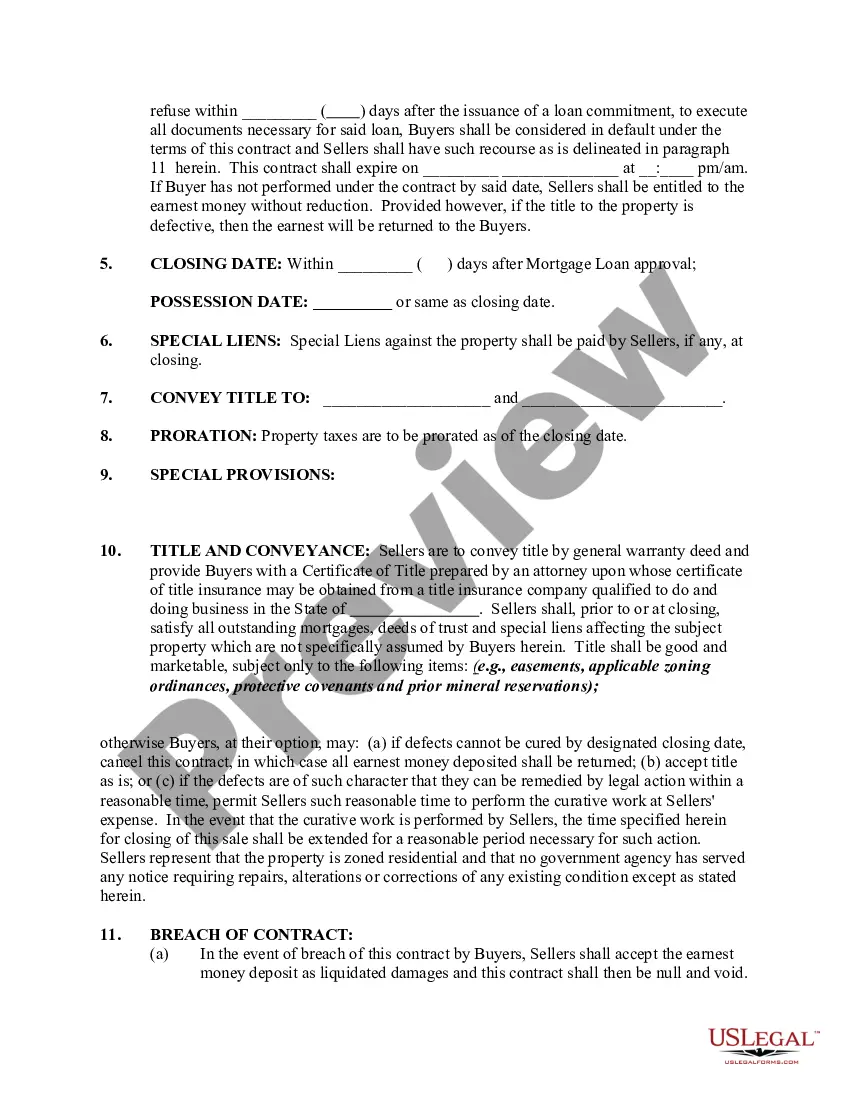
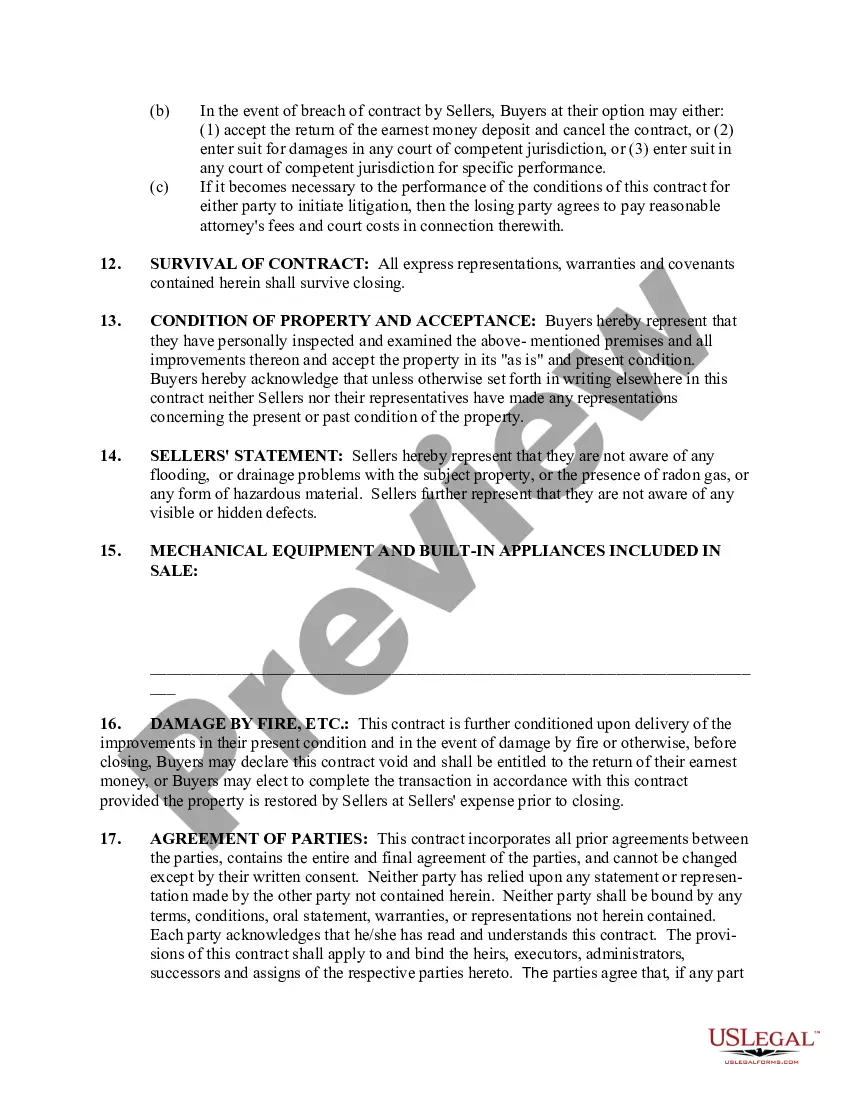
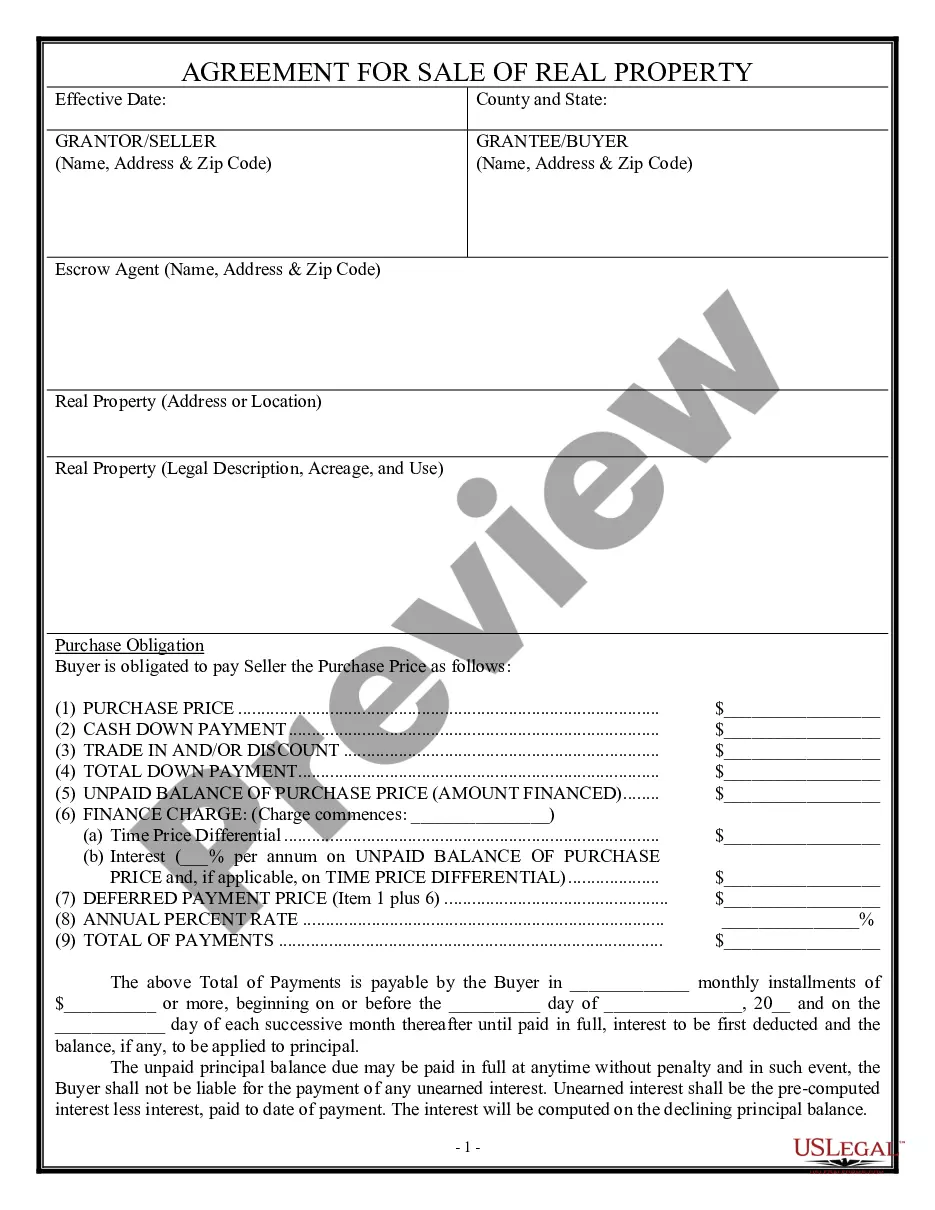
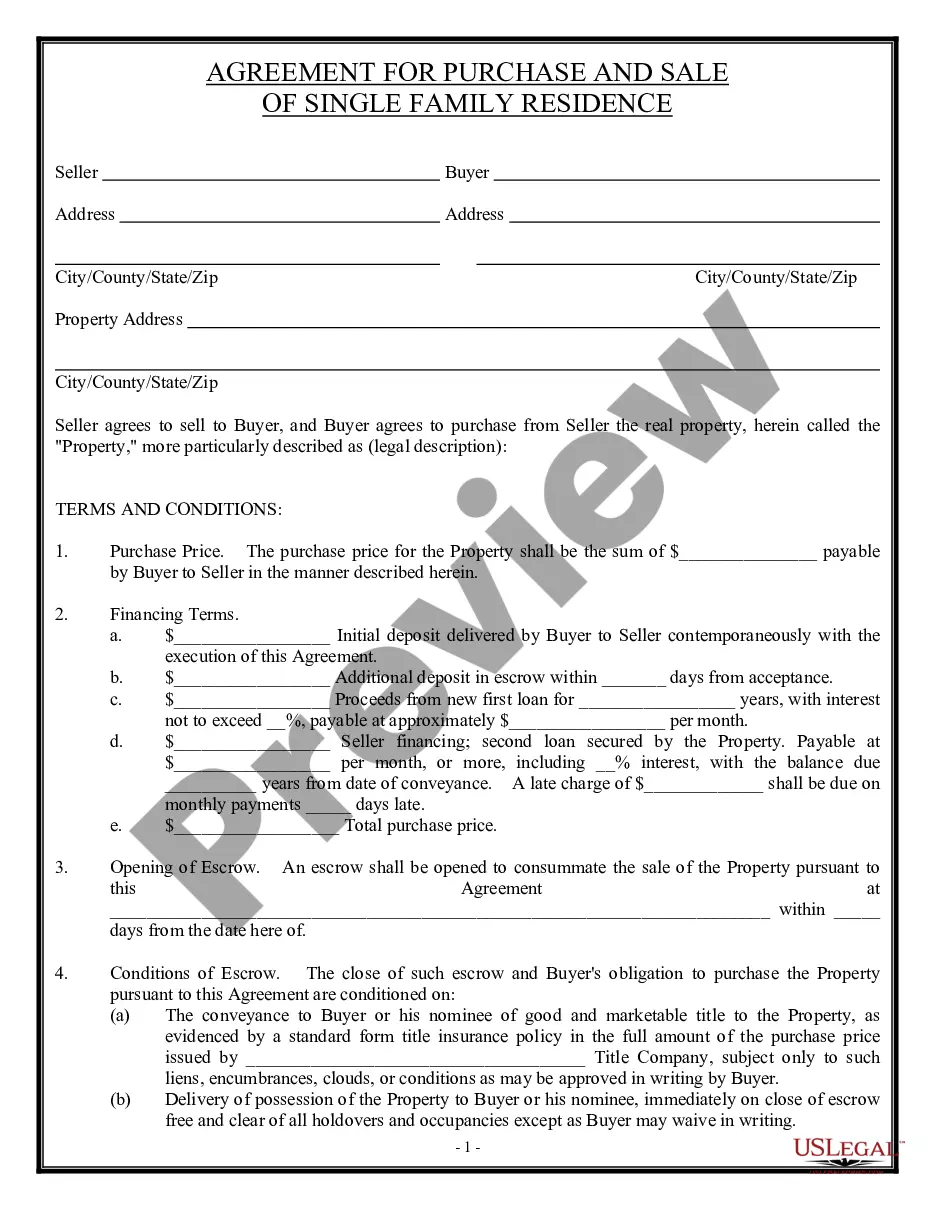
Get your form ready online
Our built-in tools help you complete, sign, share, and store your documents in one place.
Make edits, fill in missing information, and update formatting in US Legal Forms—just like you would in MS Word.
Download a copy, print it, send it by email, or mail it via USPS—whatever works best for your next step.
Sign and collect signatures with our SignNow integration. Send to multiple recipients, set reminders, and more. Go Premium to unlock E-Sign.
If this form requires notarization, complete it online through a secure video call—no need to meet a notary in person or wait for an appointment.
We protect your documents and personal data by following strict security and privacy standards.

Make edits, fill in missing information, and update formatting in US Legal Forms—just like you would in MS Word.

Download a copy, print it, send it by email, or mail it via USPS—whatever works best for your next step.

Sign and collect signatures with our SignNow integration. Send to multiple recipients, set reminders, and more. Go Premium to unlock E-Sign.

If this form requires notarization, complete it online through a secure video call—no need to meet a notary in person or wait for an appointment.

We protect your documents and personal data by following strict security and privacy standards.
Looking for another form?


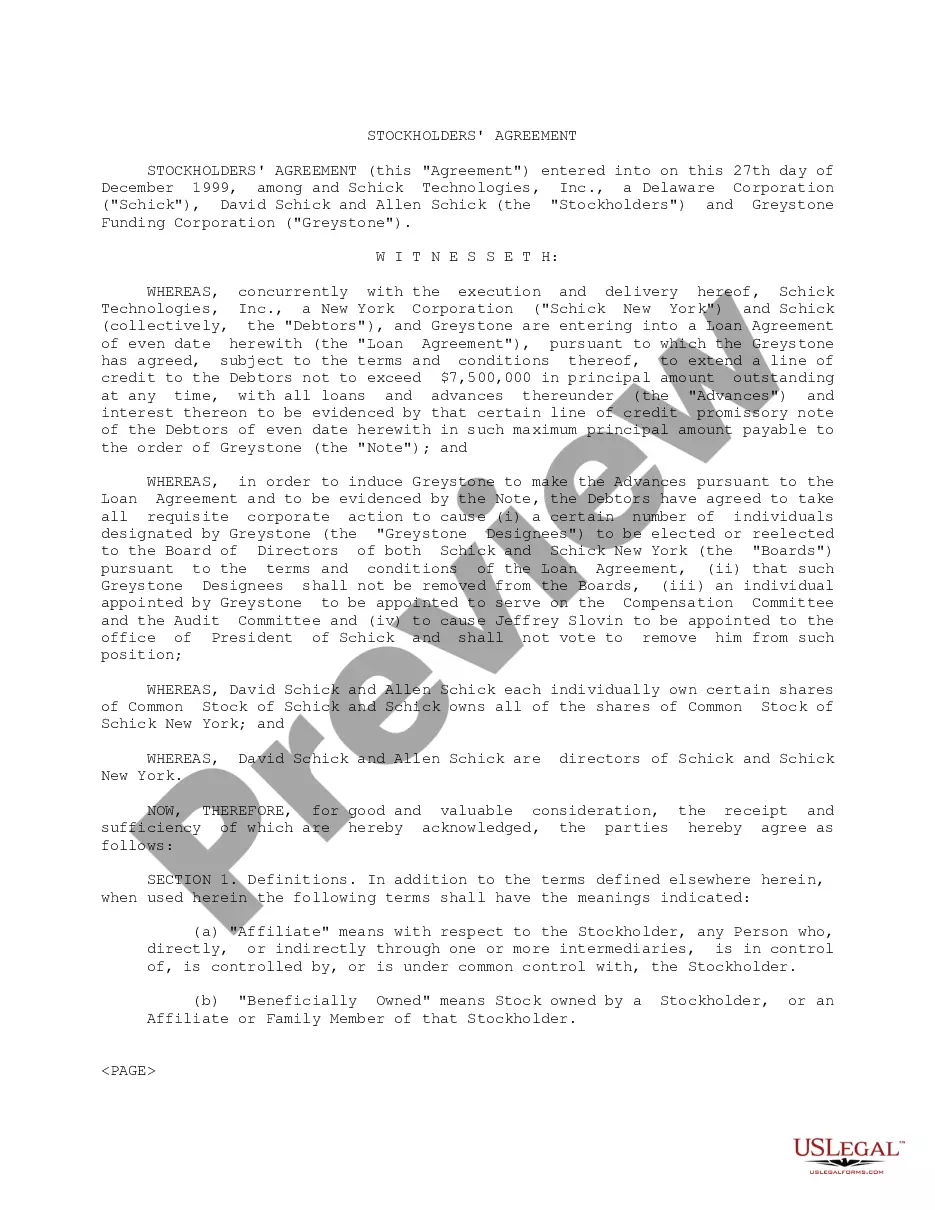

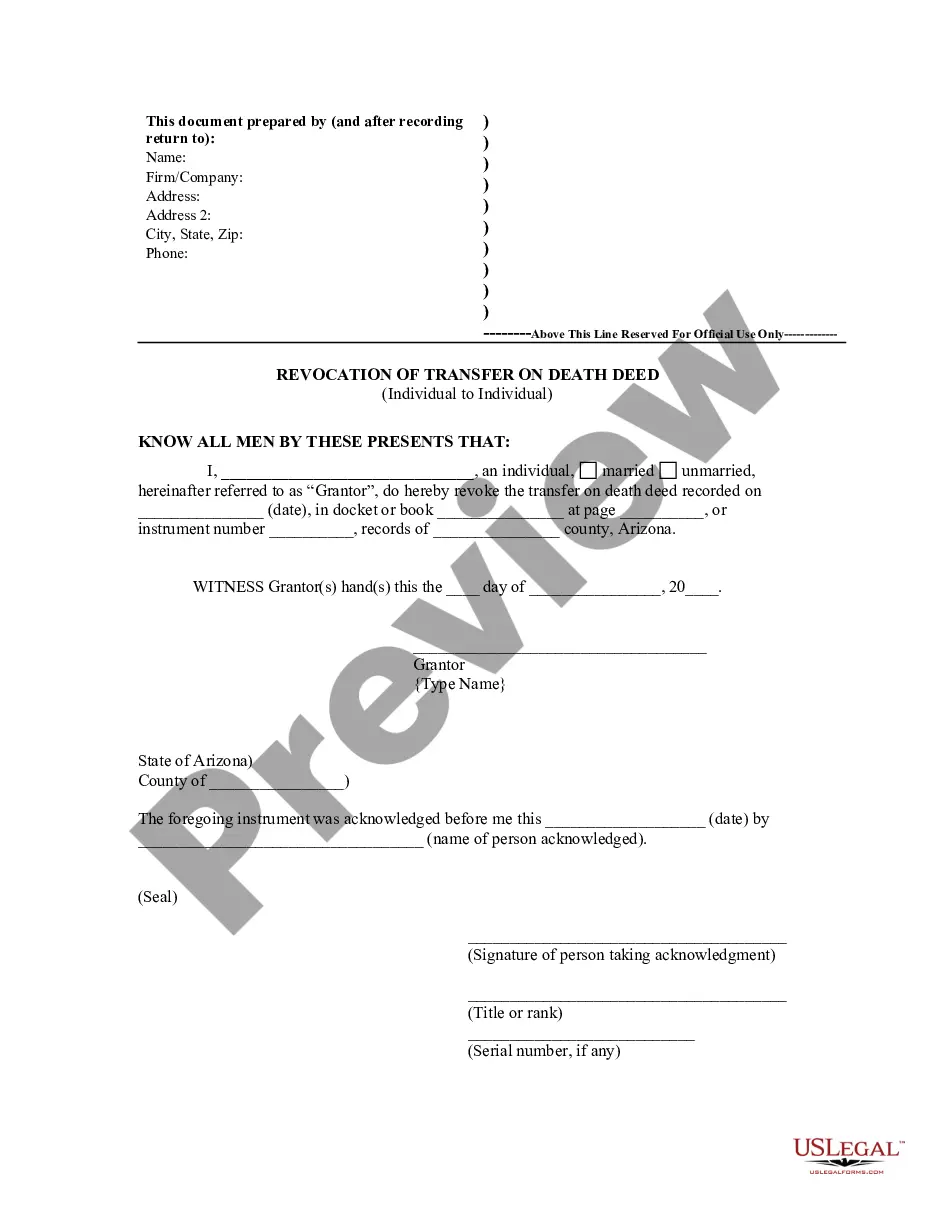

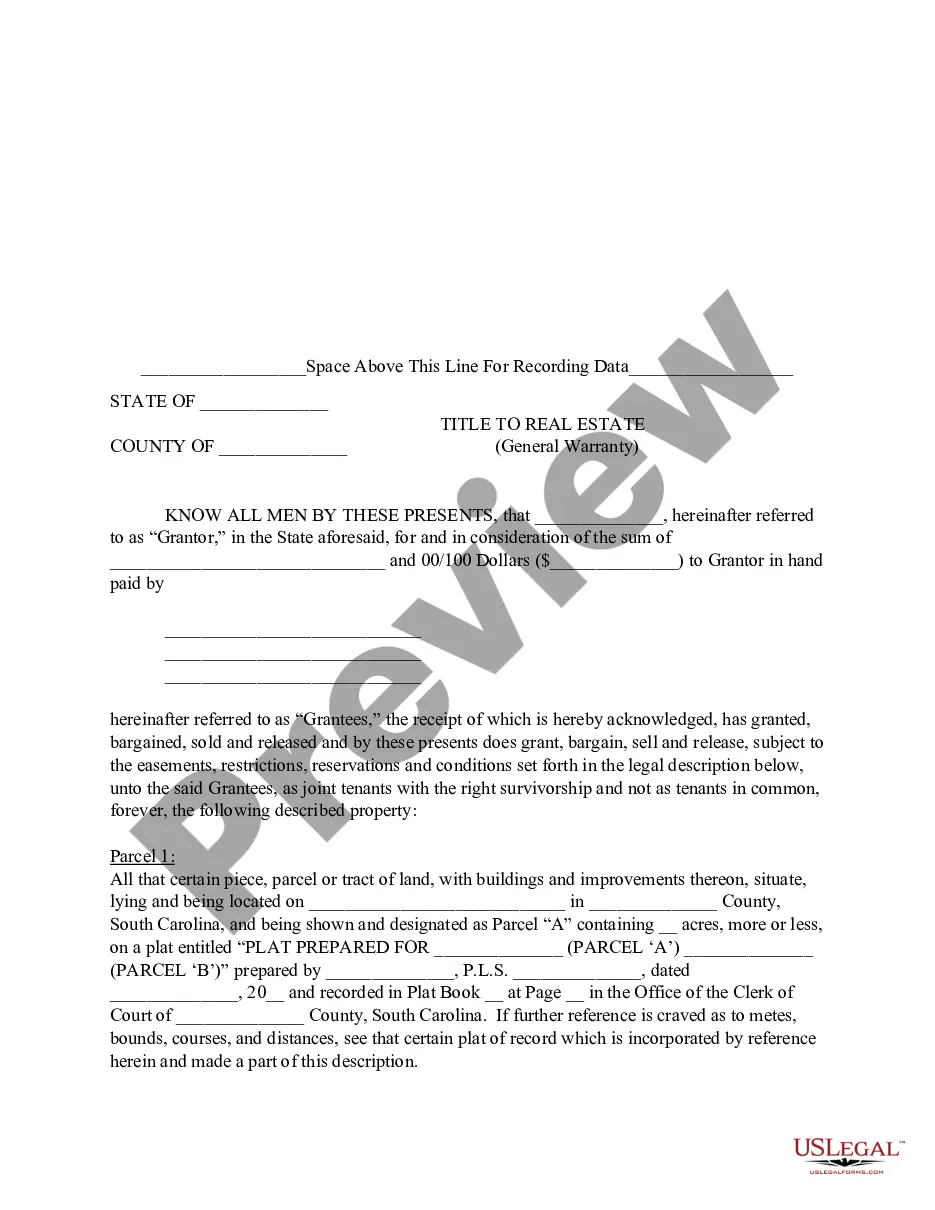
Form popularity
FAQ
A final distribution of estate letter is a document that marks the end of probate. This letter officially communicates to beneficiaries about how the deceased person's property has been shared among them. The executor or personal representative usually drafts and hands out this letter.
An order for final distribution in California probate is conclusive to the rights of heirs and devisees in a decedent's estate. The order also releases the personal representative from claims by heirs and devisees, unless, of course, there is fraud or misrepresentation present.
Does property tax increase every year in San Diego? Yep, they sure can. But don't worry, Proposition 13 keeps those increases in check. Your assessed value (and your property taxes) can only go up by a maximum of 2% each year unless you make major changes to your property or sell it.
An order for final distribution in California probate is conclusive to the rights of heirs and devisees in a decedent's estate. The order also releases the personal representative from claims by heirs and devisees, unless, of course, there is fraud or misrepresentation present.
Final distribution is the final step in closing a probate where all of the heirs and beneficiaries receive the assets owed to them from the estate and title is transferred to their name.
The supplemental bill shows your home's change in value from the day you closed escrow, or reported the new construction, through the end of the fiscal year, which is June 30th. To calculate your supplemental tax bill, subtract your home's old value from the new market value based on the reassessment.
On average, closing on a house in California can take anywhere from 30 to 45 days, post-acceptance of an offer. This timeframe is fluid, influenced by the factors mentioned earlier. Each step, from financing approval to inspections, plays a crucial role in the overall timeline.
State law requires the Assessor to reassess property upon a change in ownership or completion of new construction. The Assessor's Office must issue a supplemental assessment which reflects the difference between the prior assessed value and the new assessment.
The assessed value is determined annually by the county assessor's office, and can only increase by a maximum of 2% per year unless there is a change in ownership or new construction. The property tax rate of up to 1% is applied to the assessed value to calculate the annual property tax owed.
