Sell Closing Property For Money In Queens
Description

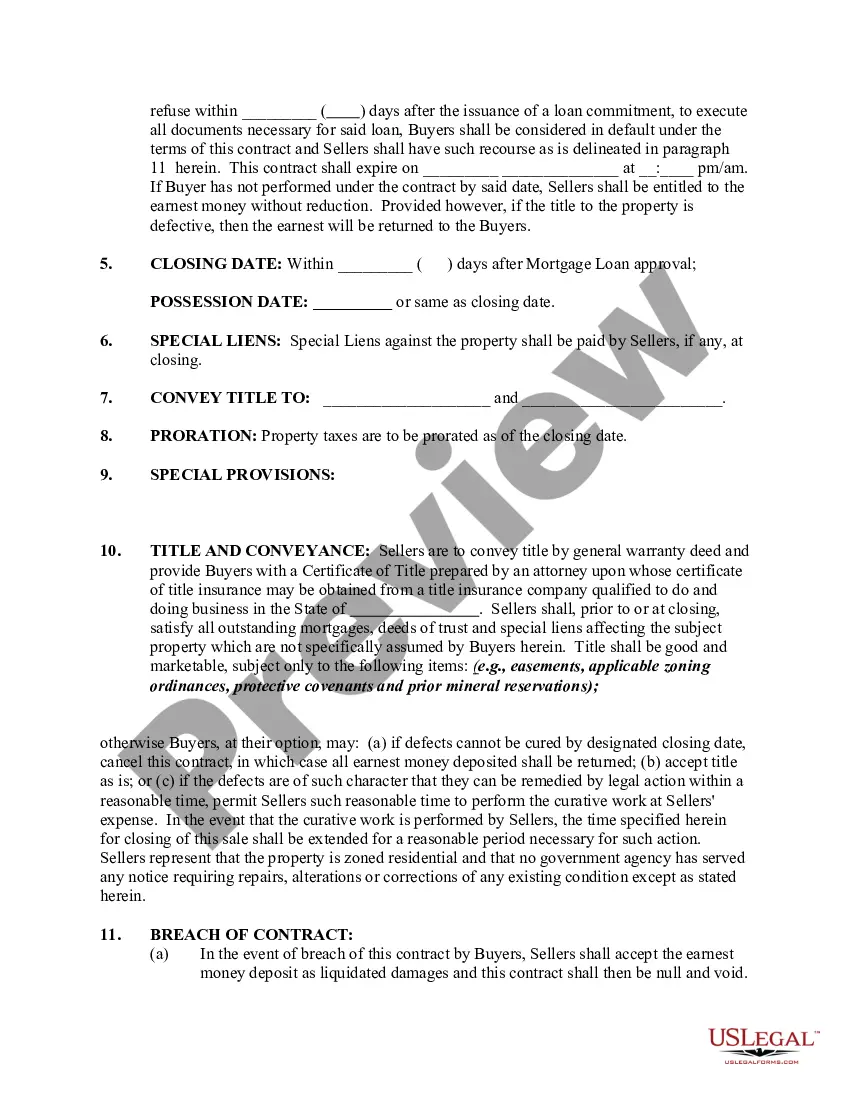
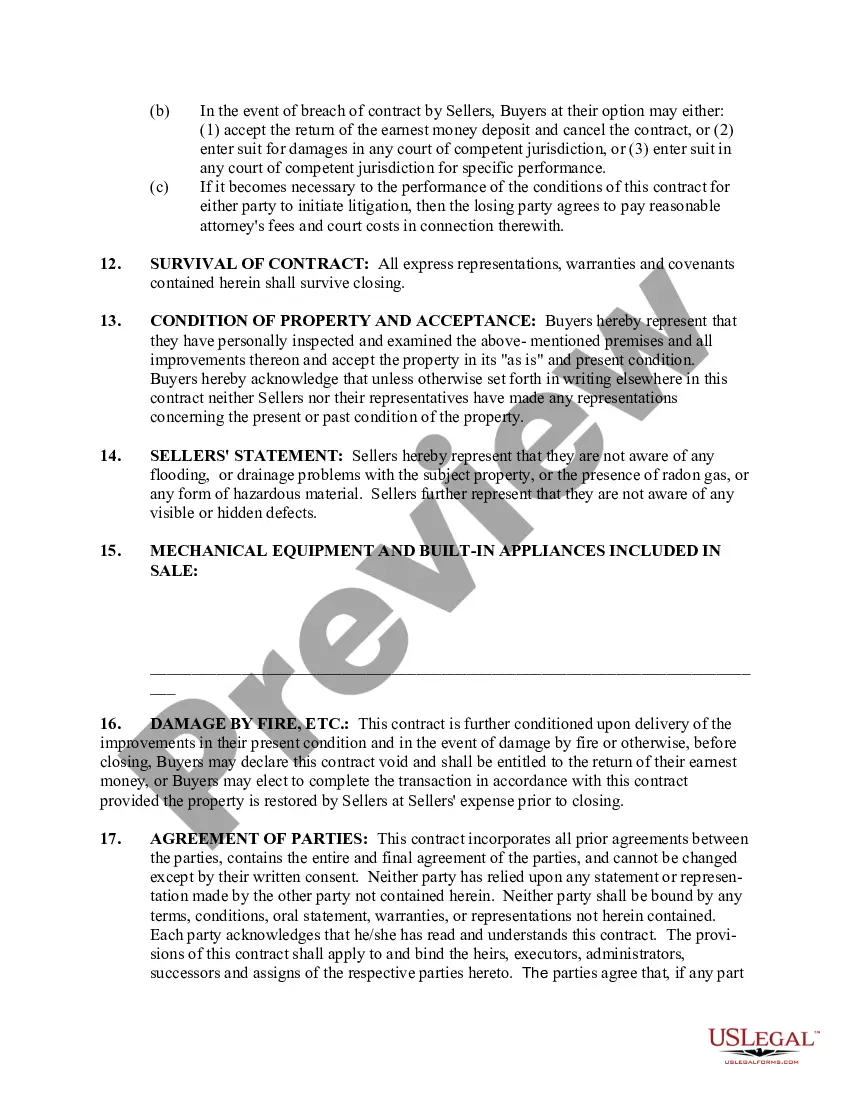
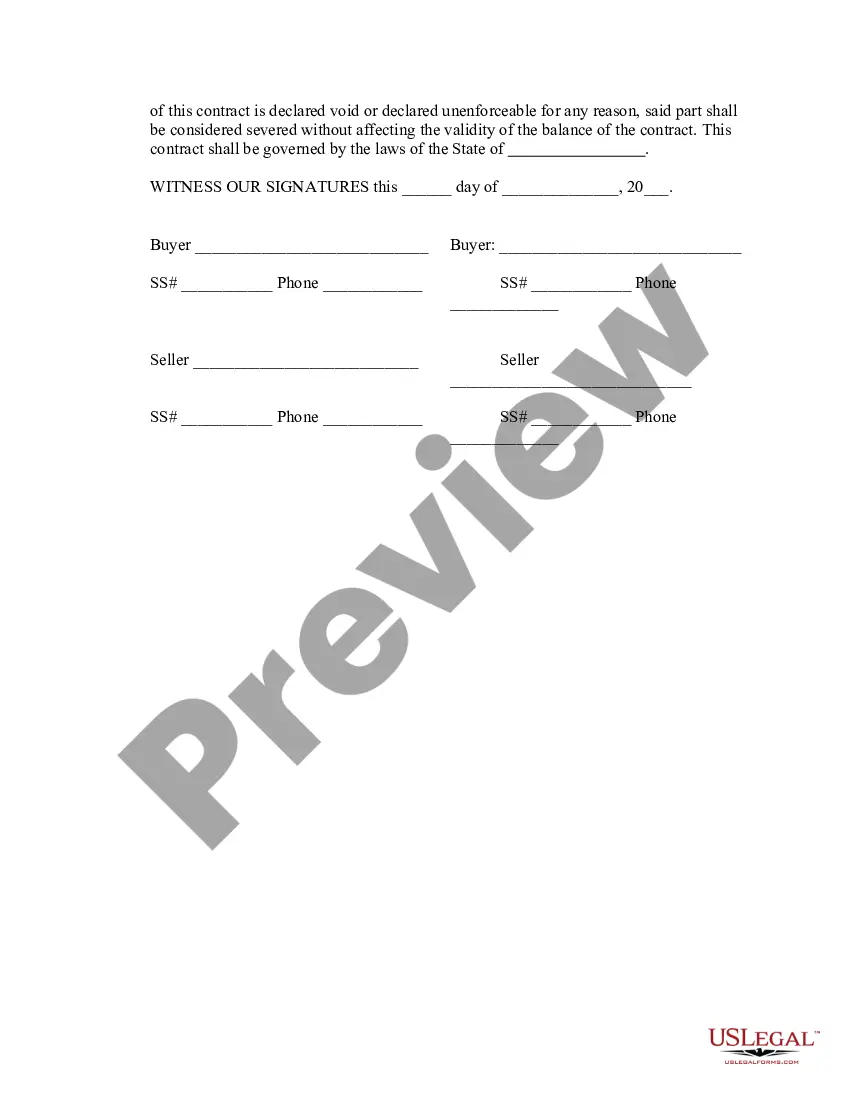
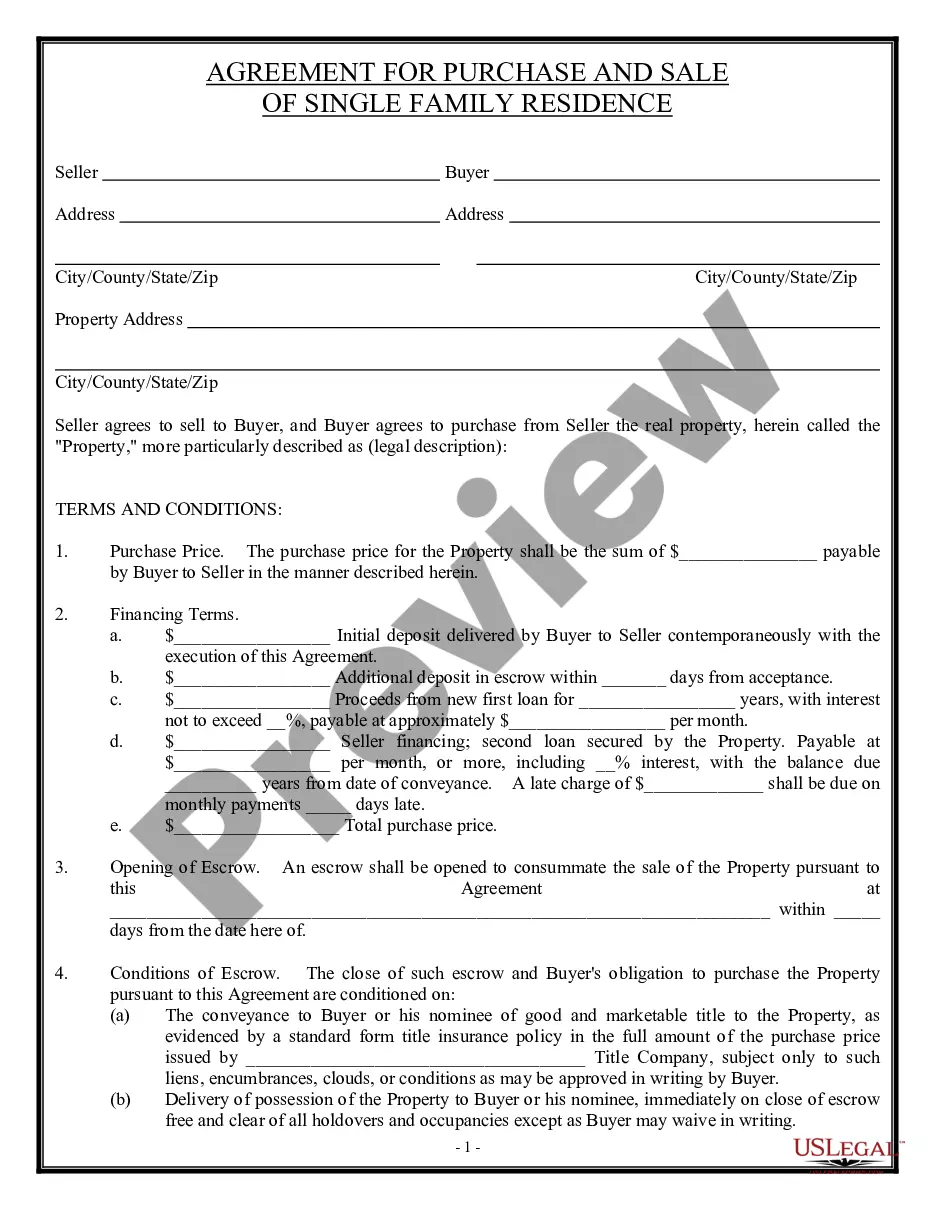
Get your form ready online
Our built-in tools help you complete, sign, share, and store your documents in one place.
Make edits, fill in missing information, and update formatting in US Legal Forms—just like you would in MS Word.
Download a copy, print it, send it by email, or mail it via USPS—whatever works best for your next step.
Sign and collect signatures with our SignNow integration. Send to multiple recipients, set reminders, and more. Go Premium to unlock E-Sign.
If this form requires notarization, complete it online through a secure video call—no need to meet a notary in person or wait for an appointment.
We protect your documents and personal data by following strict security and privacy standards.

Make edits, fill in missing information, and update formatting in US Legal Forms—just like you would in MS Word.

Download a copy, print it, send it by email, or mail it via USPS—whatever works best for your next step.

Sign and collect signatures with our SignNow integration. Send to multiple recipients, set reminders, and more. Go Premium to unlock E-Sign.

If this form requires notarization, complete it online through a secure video call—no need to meet a notary in person or wait for an appointment.

We protect your documents and personal data by following strict security and privacy standards.
Looking for another form?





Form popularity
FAQ
The basic steps for buying and selling real property include: Hire a real estate agent. Buyer makes an offer. Seller accepts offer. Buyer arranges home inspection. Buyer and seller retain attorneys. Buyer and seller negotiate contract terms. Buyer makes a down-payment.
If you are involved in a real estate transaction in Manhattan, regardless of whether you are a buyer or a seller, having the help of a skilled attorney is important. Contact Avenue Law Firm today to schedule a consultation with one of our experienced New York City closing attorneys.
If you are selling a home in New York state, you will need to hire not only a real estate agent to market and negotiate offers on the property, but also an attorney to prepare the contract of sale and to represent you at the closing.
If either the buyer or seller backs out without a legitimate reason and in violation of the contract terms, the consequences can be severe. The non-breaching party may be entitled to damages, such as lost profits, costs associated with finding a new buyer or property, or even attorney's fees.
The courts in New York typically try to avoid ordering the liquidation of a personal home. However, they may compel the sale of a real property to enforce the terms of an earlier judgment—especially if the debtor, or defendant, has very few other assets.
The New York ten-year requirement must be an unbroken and continuous ten years. Although the trespasser may leave and come back for short periods, their use of the land cannot be intermittent. The adverse possessor actually be using the land as if it was his or her own.
Here's what you need to know when answering, “How long are you liable after selling a house?” Disclosure Issues: Laws about disclosing property defects vary by state but can range from 2-10 years. Some laws might also vary depending on the severity of the issue.
Unlike many states, New York requires sellers to involve a lawyer in the house-selling transaction. (N.Y. Jud. Law § 484), fulfilling the tasks described above.
This window of time is the 'statute of limitations'. Depending on the type of case and claim, the statute of limitations in New York State for real estate transactions typically ranges from one year to six years or even 10 years in some cases.
