Closure Any Property Formula In Queens
Description

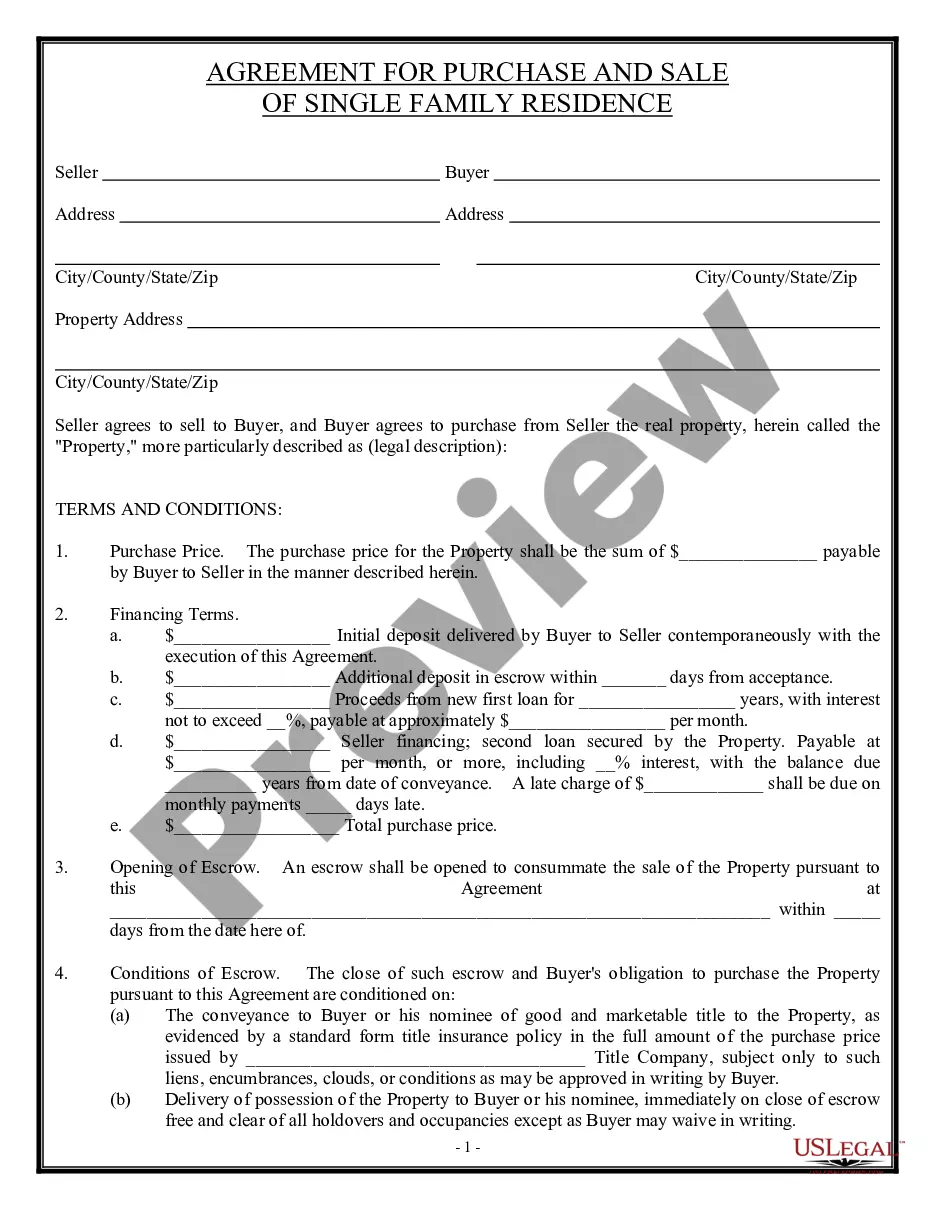
Get your form ready online
Our built-in tools help you complete, sign, share, and store your documents in one place.
Make edits, fill in missing information, and update formatting in US Legal Forms—just like you would in MS Word.
Download a copy, print it, send it by email, or mail it via USPS—whatever works best for your next step.
Sign and collect signatures with our SignNow integration. Send to multiple recipients, set reminders, and more. Go Premium to unlock E-Sign.
If this form requires notarization, complete it online through a secure video call—no need to meet a notary in person or wait for an appointment.
We protect your documents and personal data by following strict security and privacy standards.

Make edits, fill in missing information, and update formatting in US Legal Forms—just like you would in MS Word.

Download a copy, print it, send it by email, or mail it via USPS—whatever works best for your next step.

Sign and collect signatures with our SignNow integration. Send to multiple recipients, set reminders, and more. Go Premium to unlock E-Sign.

If this form requires notarization, complete it online through a secure video call—no need to meet a notary in person or wait for an appointment.

We protect your documents and personal data by following strict security and privacy standards.
Looking for another form?







Form popularity
FAQ
Generally, closing takes place between 60 to 90 days after a contract of sale has been signed. It includes many steps that take place at several locations and will include all the parties involved in the sale – buyers, sellers, lenders, attorneys and possibly, even real estate agents.
Buyer and seller negotiate contract terms. Generally, the seller's attorney creates the first draft of the contract. There are standardized, pre-printed forms for this purpose.
Closing agents, who aid in the selling of a property to a buyer, prepare closing statements. Real estate attorneys, title firms, and escrow officers often act as closing agents.
Ninety-nine percent of the time, attorneys are present on both sides of a real estate transaction in New York state: the seller's side and the buyer's side. That's because in NYS, all real estate contracts of sale need to drawn up by the principle or their attorney.
Here is how that breaks down: $1 million - $2 million: 1% $2 million - $3 million: 1.25% $3 million - $5 million: 1.5% $5 million - $10 million: 2.25% $10 million - $15 million: 3.25% $15 million - $20 million: 3.5% $20 million - $25 million: 3.75% $25+ million: 3.9%
To appeal the assessed value and/or tax class of your property, or the denial or revocation of a not-for-profit exemption, you must file a completed "Application for Correction" appeal form and any other forms or information to the NYC Tax Commission in person or by mail by the deadlines.
New York has a graduated corporate income tax, with rates ranging from 6.5 percent to 7.25 percent. New York also has a 4.00 percent state sales tax rate and an average combined state and local sales tax rate of 8.53 percent.
State Corporate Income Tax Rates and Brackets, 2023 New Jersey levies the highest top statutory corporate tax rate at 11.5 percent, followed by Minnesota (9.8 percent) and Illinois (9.50 percent). Alaska and Pennsylvania levy top statutory corporate tax rates of 9.40 percent and 8.99 percent, respectively.