Closing Any Property Without Permission In Phoenix
Description

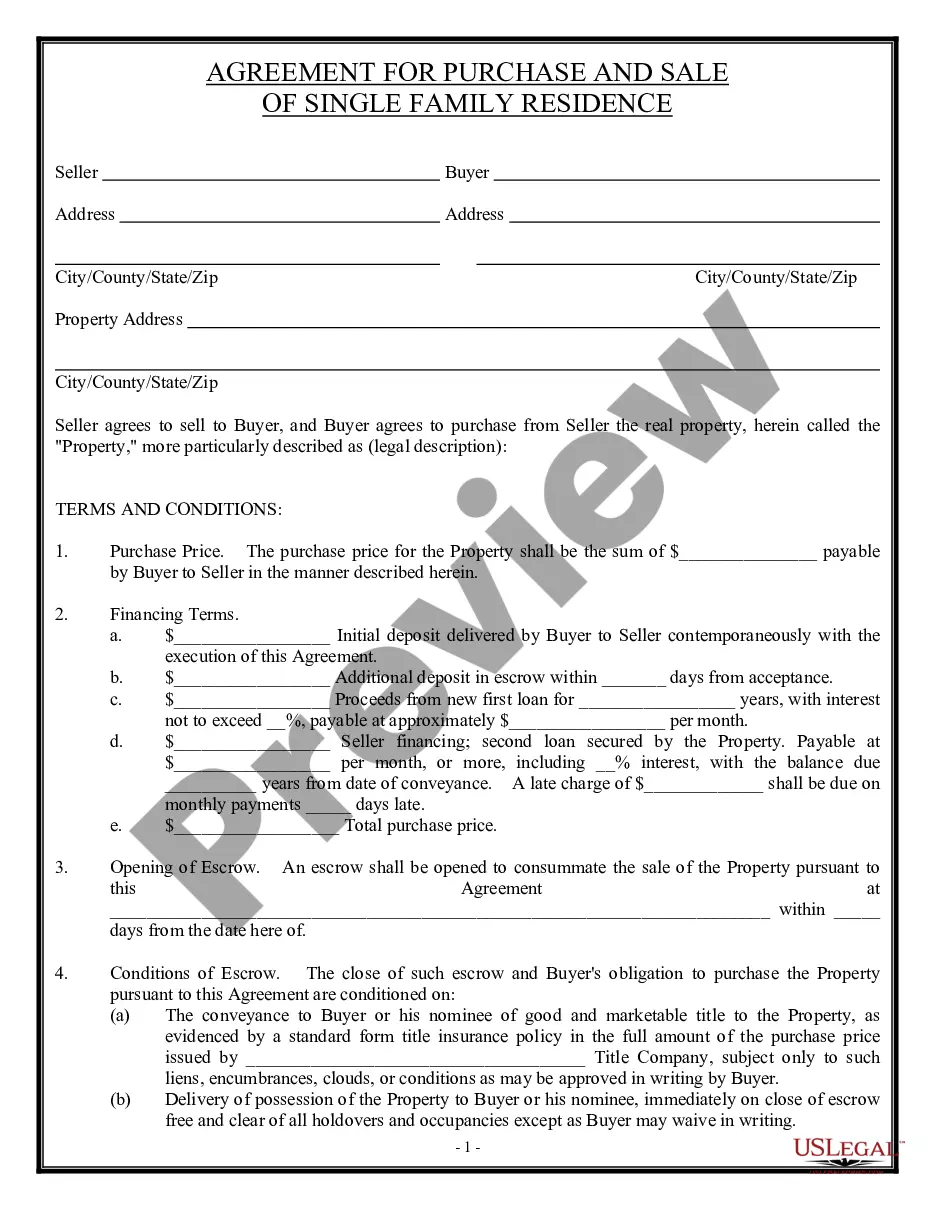
Get your form ready online
Our built-in tools help you complete, sign, share, and store your documents in one place.
Make edits, fill in missing information, and update formatting in US Legal Forms—just like you would in MS Word.
Download a copy, print it, send it by email, or mail it via USPS—whatever works best for your next step.
Sign and collect signatures with our SignNow integration. Send to multiple recipients, set reminders, and more. Go Premium to unlock E-Sign.
If this form requires notarization, complete it online through a secure video call—no need to meet a notary in person or wait for an appointment.
We protect your documents and personal data by following strict security and privacy standards.

Make edits, fill in missing information, and update formatting in US Legal Forms—just like you would in MS Word.

Download a copy, print it, send it by email, or mail it via USPS—whatever works best for your next step.

Sign and collect signatures with our SignNow integration. Send to multiple recipients, set reminders, and more. Go Premium to unlock E-Sign.

If this form requires notarization, complete it online through a secure video call—no need to meet a notary in person or wait for an appointment.

We protect your documents and personal data by following strict security and privacy standards.
Looking for another form?








Form popularity
FAQ
If the Estate has been fully administered and it is ready to be closed, file the original Closing Statement ing to the instructions above. Then send a copy of your conformed Closing Statement along with a note requesting that the hearing be canceled to the Commissioner assigned to your case.
The quick and simple answer is: you usually don't need a permit if the shed is 120 square feet or less. In California, most jurisdictions have adopted the 120 square foot rule. If your shed area is larger than 120 square feet, it needs a building permit. If it's less than that, it doesn't.
Any shed or structure that is greater than 200 square feet requires a building permit. If a storage shed is equal to or under 200 square feet, no permit is required.
If your structure is less than 120 square feet, you will not require a building permit. Please refer to section 706 of the Zoning Ordinance for full text on accessory structures.
Building permits are required for all structures with the exception of a structure that is less than 200 square feet with no electrical, plumbing or mechanical.
Although you aren't required to use a residential real estate attorney when buying, selling, or building a home, the law surrounding the process is complicated and it is often wise to at least consult with a lawyer to make sure you're informed about potential issues and roadblocks.
But the landlord can't just kick out the tenant, change the locks, or turn off the utilities. The landlord must follow all the steps the law says must be taken. And the tenant should not just stop paying the rent unless the tenant first follows all the steps the law says must be taken.
The landlord must give the tenant written notice of his or her intent to immediately terminate the rental agreement. The landlord can file the eviction action the same day the tenant receives the notice of immediate termination.
If the Estate has been fully administered and it is ready to be closed, file the original Closing Statement ing to the instructions above. Then send a copy of your conformed Closing Statement along with a note requesting that the hearing be canceled to the Commissioner assigned to your case.
33-1491 - Retaliatory conduct prohibited; eviction. A. Except as provided in this section, a landlord shall not retaliate by increasing rent or decreasing services or by bringing or threatening to bring an action for eviction after any of the following: 1.
