Closure Any Property With Example In Pennsylvania
Description

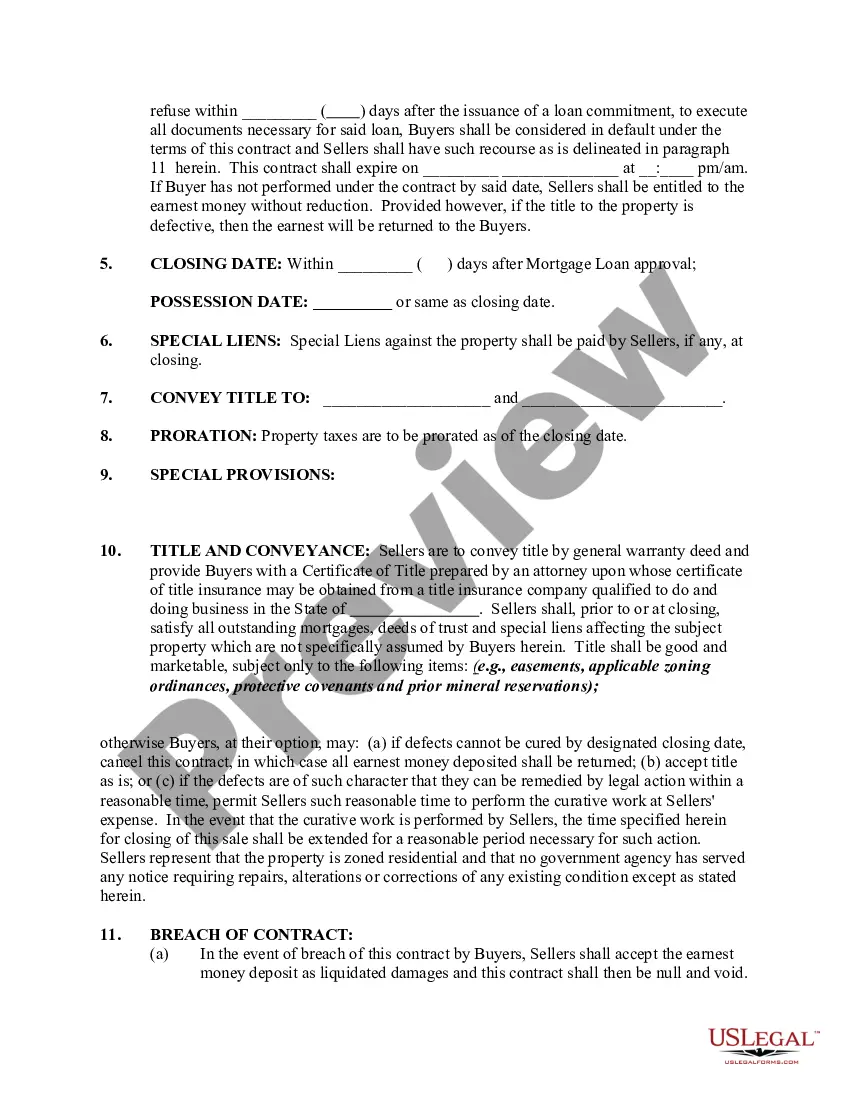
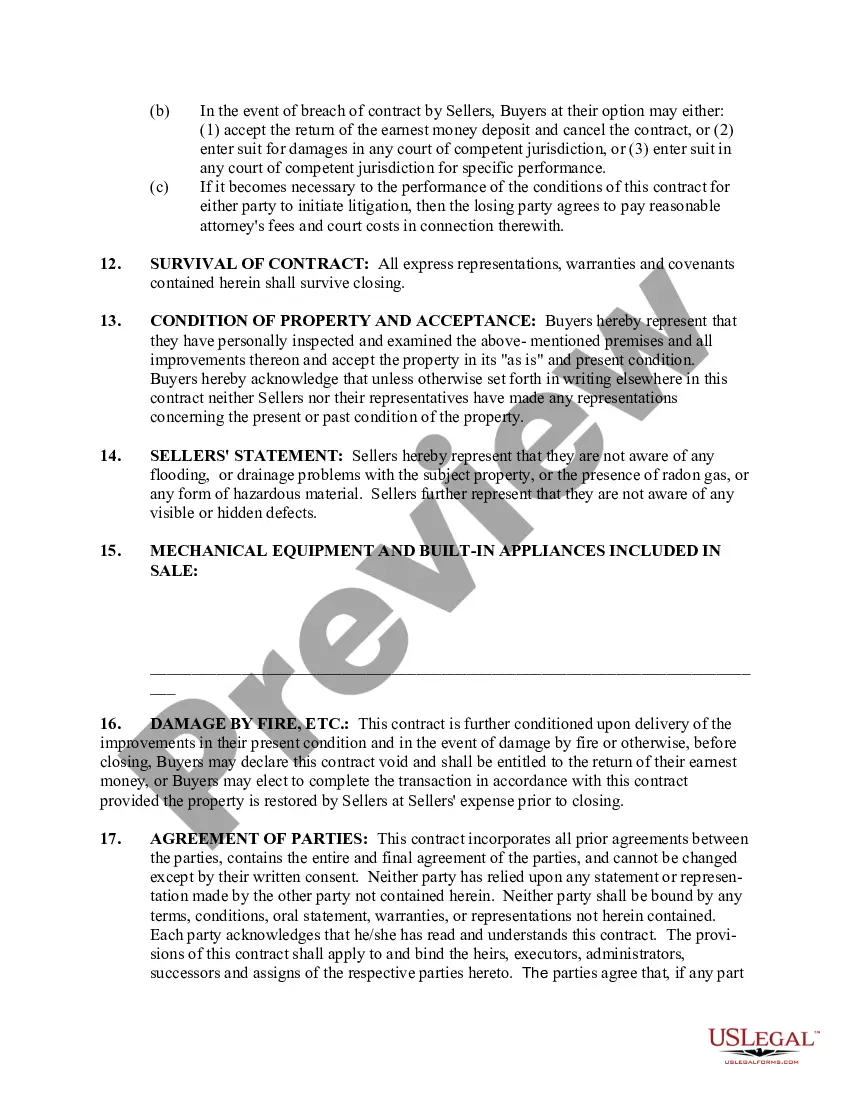
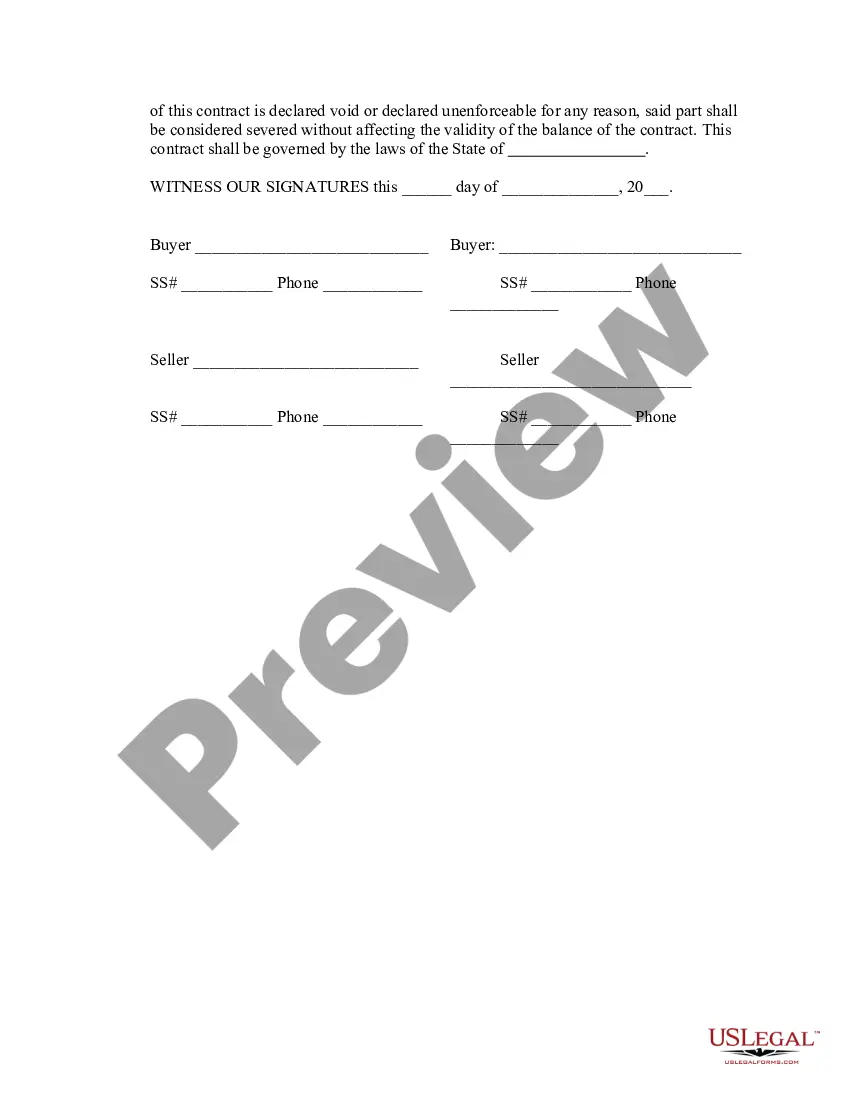
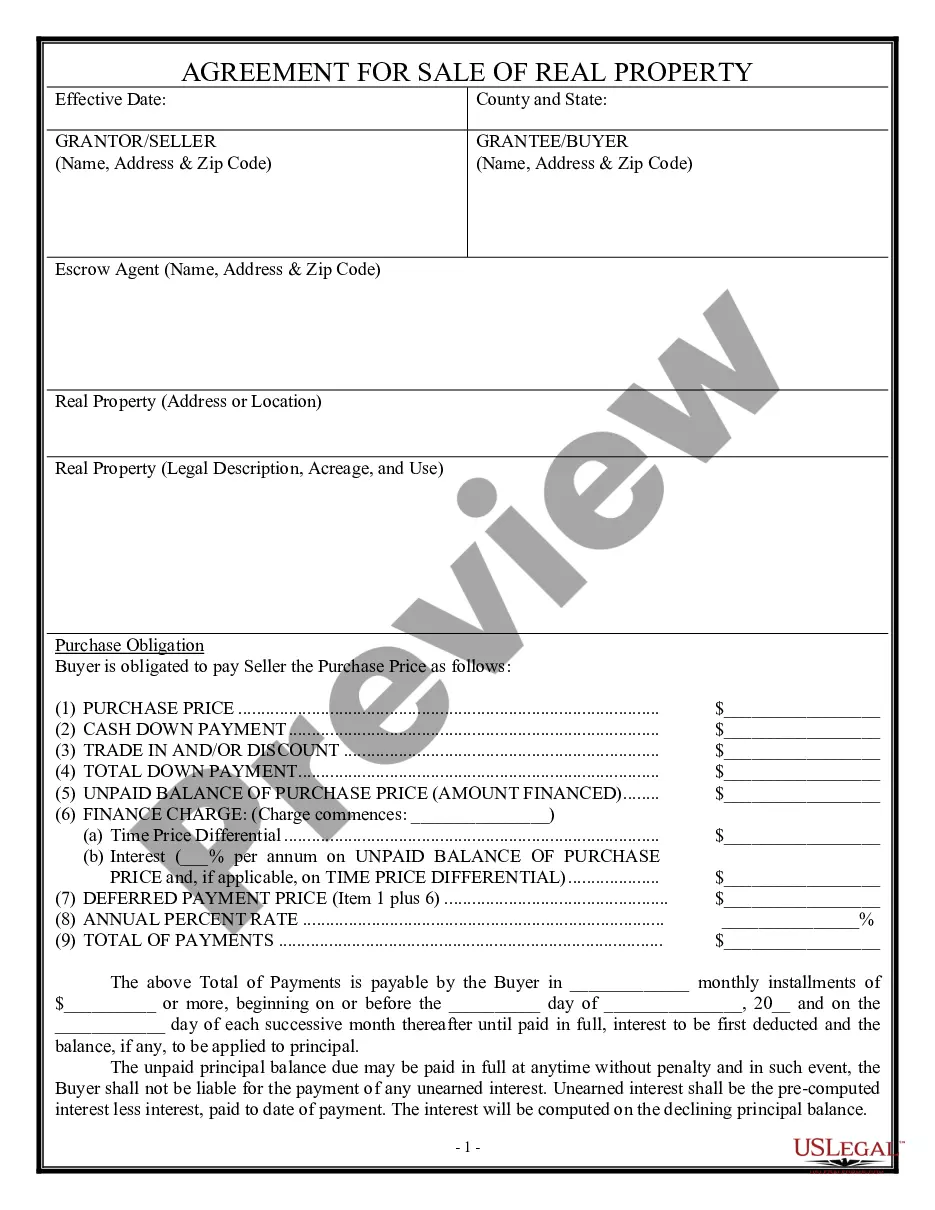
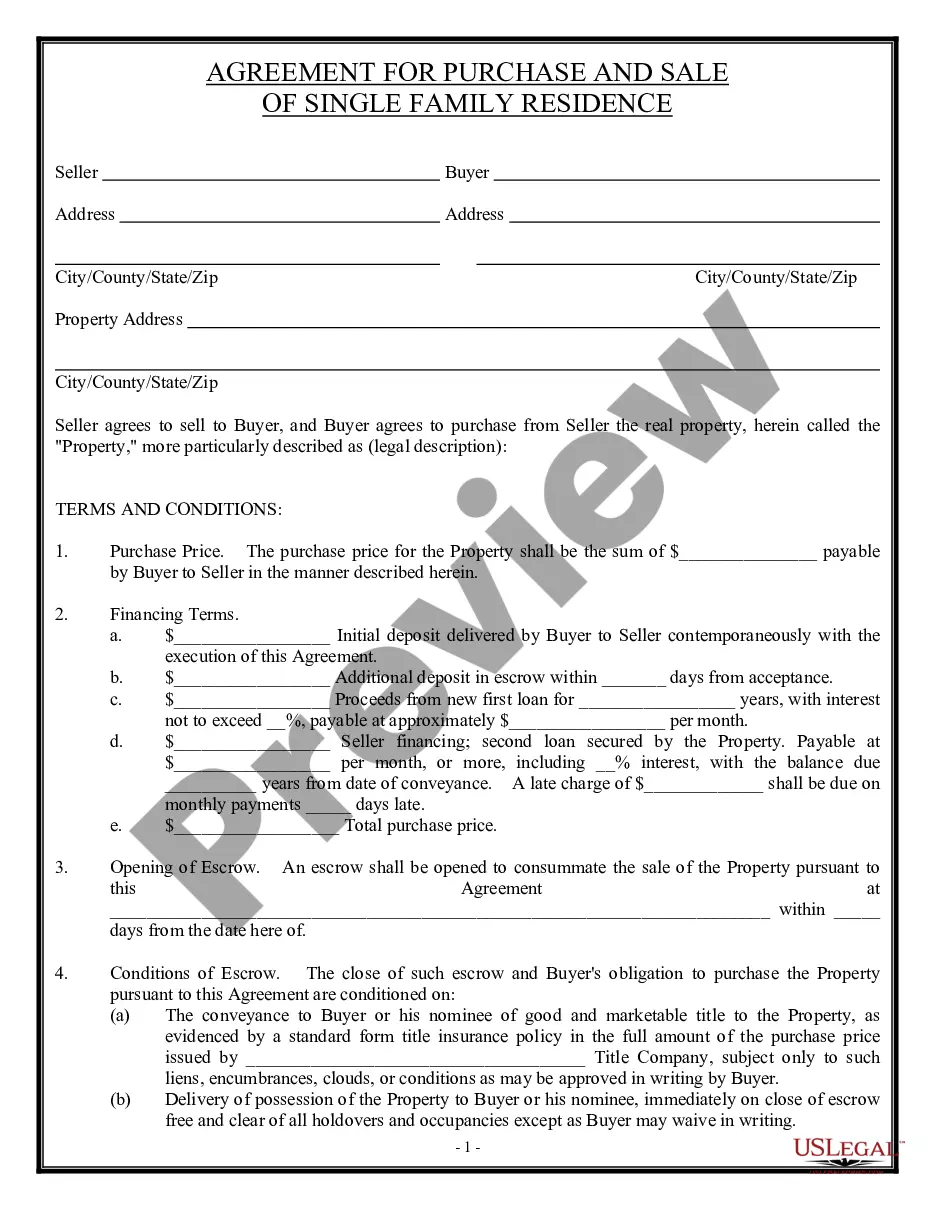
Get your form ready online
Our built-in tools help you complete, sign, share, and store your documents in one place.
Make edits, fill in missing information, and update formatting in US Legal Forms—just like you would in MS Word.
Download a copy, print it, send it by email, or mail it via USPS—whatever works best for your next step.
Sign and collect signatures with our SignNow integration. Send to multiple recipients, set reminders, and more. Go Premium to unlock E-Sign.
If this form requires notarization, complete it online through a secure video call—no need to meet a notary in person or wait for an appointment.
We protect your documents and personal data by following strict security and privacy standards.

Make edits, fill in missing information, and update formatting in US Legal Forms—just like you would in MS Word.

Download a copy, print it, send it by email, or mail it via USPS—whatever works best for your next step.

Sign and collect signatures with our SignNow integration. Send to multiple recipients, set reminders, and more. Go Premium to unlock E-Sign.

If this form requires notarization, complete it online through a secure video call—no need to meet a notary in person or wait for an appointment.

We protect your documents and personal data by following strict security and privacy standards.
Looking for another form?







Form popularity
FAQ
No matter what the circumstance, a buyer and seller can agree to terminate the agreement. The termination may be accompanied by a payment from one party to the other, or no payment. If parties can agree to transfer real estate, they can agree to not do so.
What is the most important document at closing and why? The deed is the most important document because it transfers the property to the purchaser.
Pennsylvania laws: Remote Online Notary and Remote Online Closings are legal in PA, however, there are a few counties where the recorder of deeds has extra rules or may not yet accept RON documents.
A seller must disclose to a buyer all known material defects about property being sold that are not readily observable. This disclosure statement is designed to assist the seller in complying with disclosure requirements and to assist the buyer in evaluating the property being considered.
Pennsylvania sellers of homes and individual inium units must, by law but with some exceptions, advise potential buyers of the property about "known material defects" that are not readily observable, including structural problems, hazardous substances, and more, before the sale is completed.
Sellers are required to disclose property information to the realtor and potential buyers based on state and local laws. A disclosure document details a property's condition and what might negatively affect its value. Sellers who willfully conceal information can be sued and potentially convicted of a crime.
Do you have to report a death in your home while selling real estate in Pennsylvania? Pennsylvania supreme court ruled in Milliken v Jacano that psychological stigma is not considered a material defect. Since this ruling, agents and sellers are not required to disclose death on property.
The closing process in Pennsylvania involves multiple stages, starting from the acceptance of the offer to the final transfer of the property. The process typically spans 30 to 45 days, though it can vary based on individual circumstances.
Most Common Disclosures in Real Estate Natural Hazards Disclosure. First on the list is the natural hazards disclosure. Market Conditions Advisory (MCA) Market Conditions Advisory, also known as MCA, covers items more financial in nature. State Transfer Disclosure. Local Transfer Disclosure. Megan's Law Disclosures.
Federal Exclusion of Long-Term Capital Gains Ownership test: You have owned the home for at least two years before the sale. Use test: You must show proof of occupancy, meaning you have lived in the home and used it as your primary residence for at least two years before the sale.
