Closing Property Title With Mortgage In Pennsylvania
Description





Get your form ready online
Our built-in tools help you complete, sign, share, and store your documents in one place.
Make edits, fill in missing information, and update formatting in US Legal Forms—just like you would in MS Word.
Download a copy, print it, send it by email, or mail it via USPS—whatever works best for your next step.
Sign and collect signatures with our SignNow integration. Send to multiple recipients, set reminders, and more. Go Premium to unlock E-Sign.
If this form requires notarization, complete it online through a secure video call—no need to meet a notary in person or wait for an appointment.
We protect your documents and personal data by following strict security and privacy standards.

Make edits, fill in missing information, and update formatting in US Legal Forms—just like you would in MS Word.

Download a copy, print it, send it by email, or mail it via USPS—whatever works best for your next step.

Sign and collect signatures with our SignNow integration. Send to multiple recipients, set reminders, and more. Go Premium to unlock E-Sign.

If this form requires notarization, complete it online through a secure video call—no need to meet a notary in person or wait for an appointment.

We protect your documents and personal data by following strict security and privacy standards.
Looking for another form?



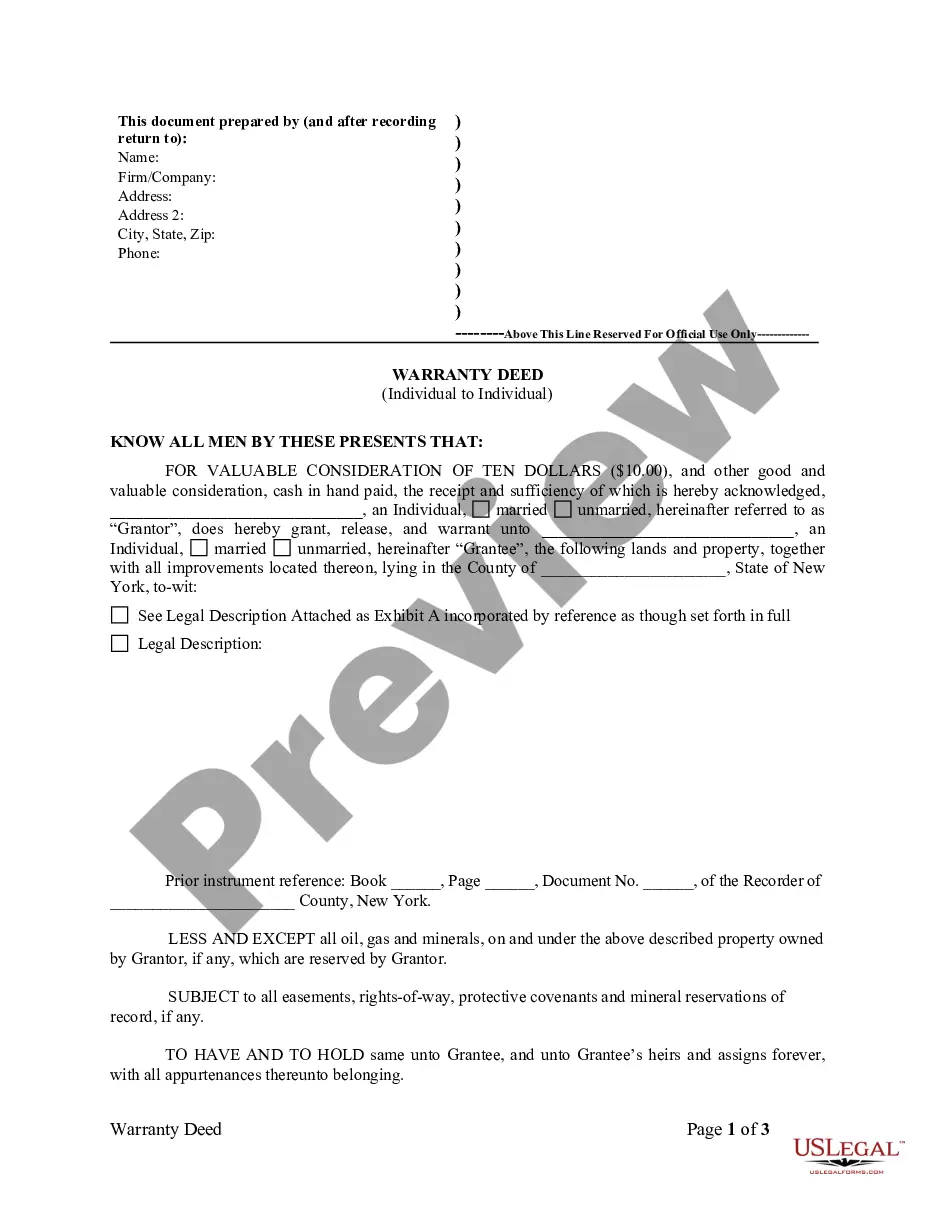
Form popularity
FAQ
Choose the Right Title Company in PA In Pennsylvania, the buyer typically has the privilege of choosing the title company. This arrangement gives buyers more control over a critical aspect of the real estate transaction.
Deed Transfers in Pennsylvania Determine the deed option you are using. Download and fill out the appropriate forms. Fill out the realty transfer tax forms. Sign the deed in front of a notary public. File the transfer with the office of the Recorder of Deeds.
The simple answer is - no - you do not need an attorney to buy or sell a home in Pennsylvania.
What is the most important document at closing and why? The deed is the most important document because it transfers the property to the purchaser.
While the state does not require you to have a real estate attorney, it's smart to hire one for a for-sale-by-owner transaction anyway. You'll need to complete a seller's disclosure form, which includes details about the property history and any past damage.
An estate attorney can provide advice, determine whether Administration will be required, and explain what procedures will be involved. If you choose to not consult an attorney to represent you through Estate Administration, you may file Pro Se (on one's own behalf) to be named personal representative.