Closure Any Property Formula In Ohio
Description

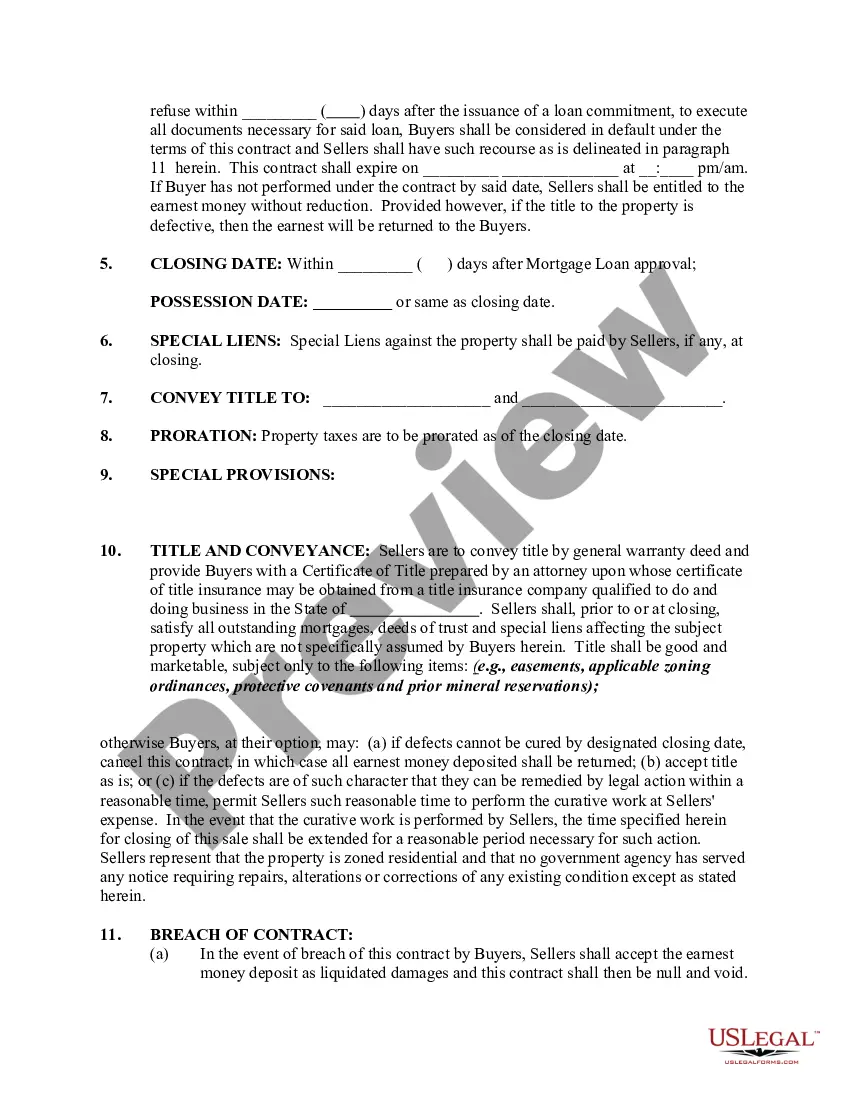
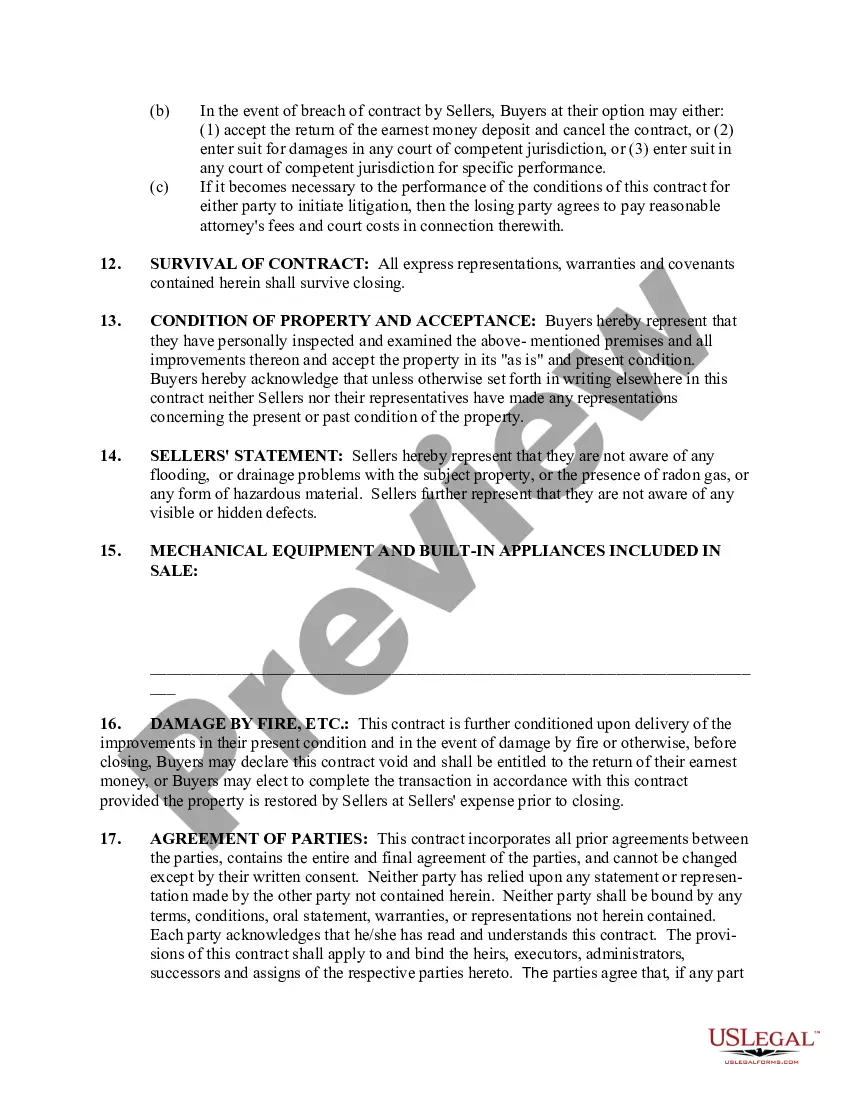
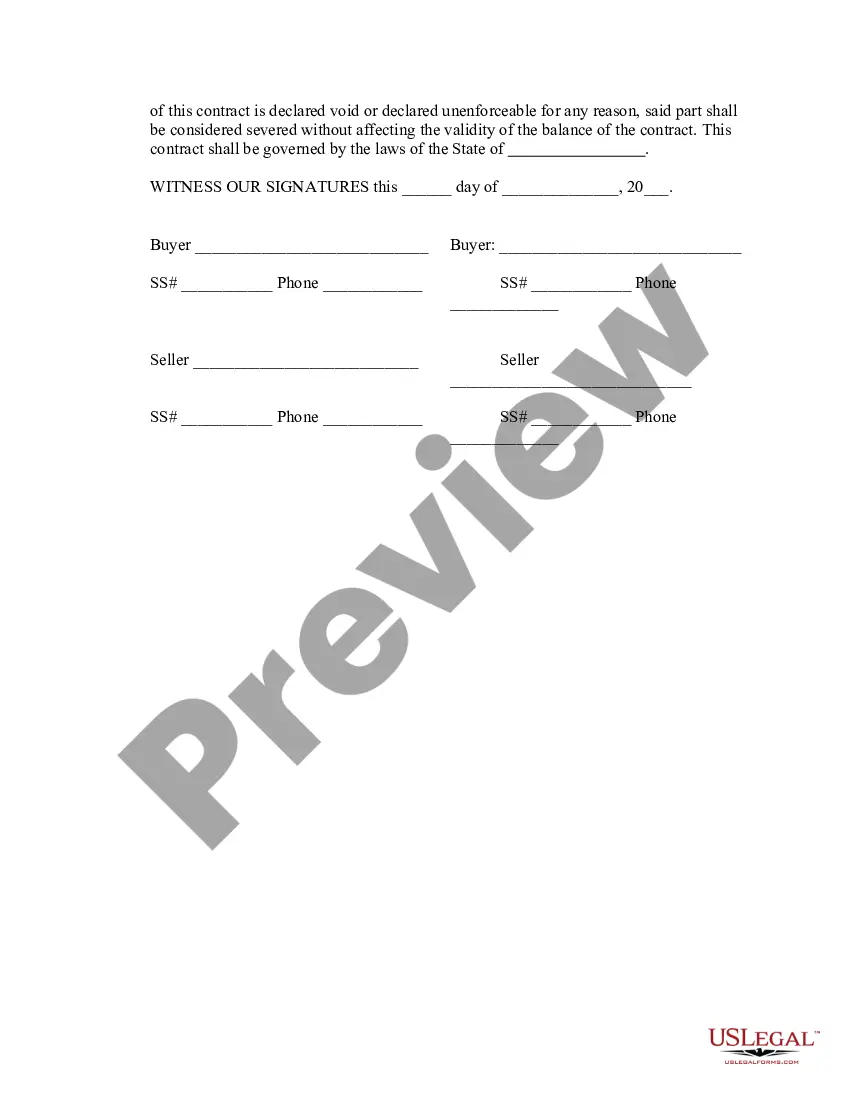
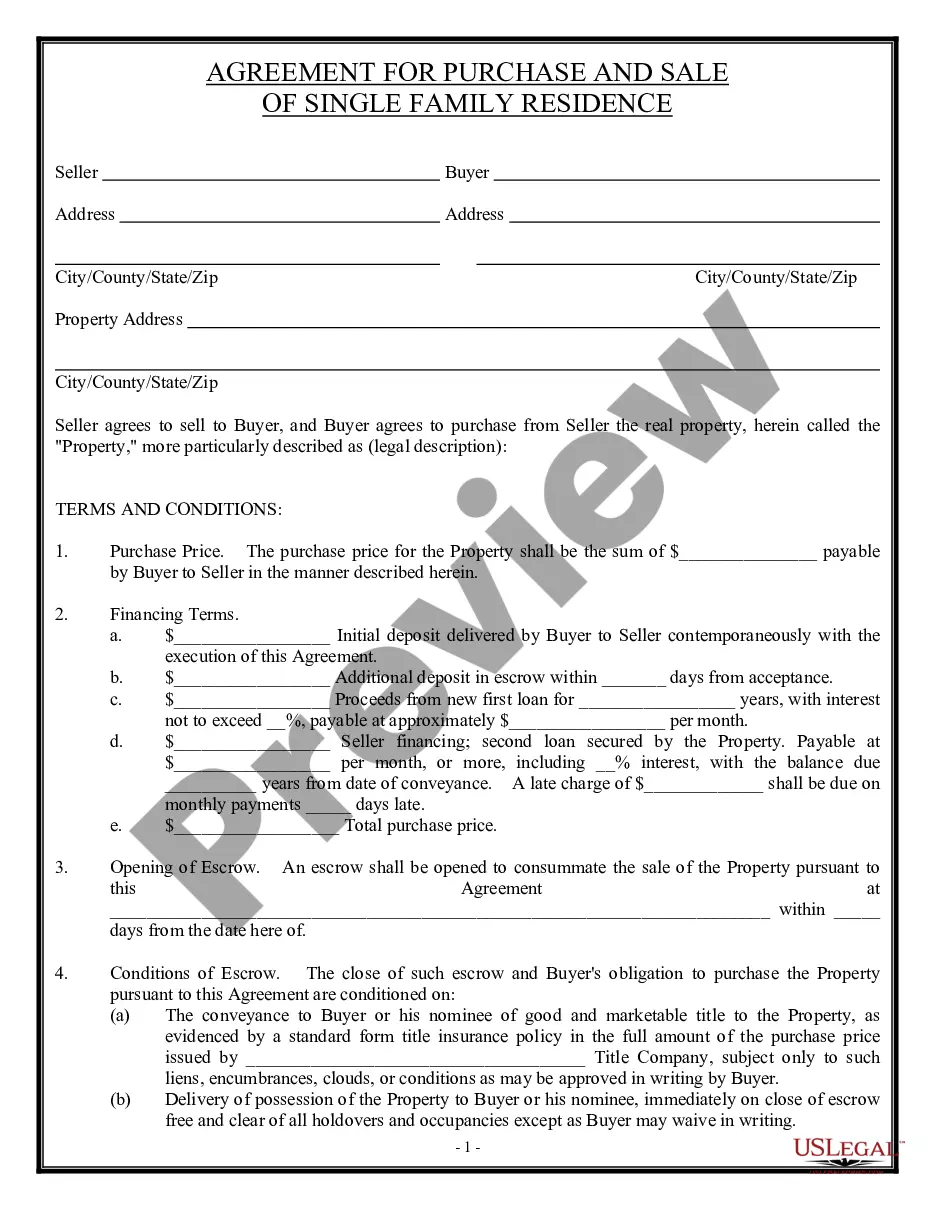
Get your form ready online
Our built-in tools help you complete, sign, share, and store your documents in one place.
Make edits, fill in missing information, and update formatting in US Legal Forms—just like you would in MS Word.
Download a copy, print it, send it by email, or mail it via USPS—whatever works best for your next step.
Sign and collect signatures with our SignNow integration. Send to multiple recipients, set reminders, and more. Go Premium to unlock E-Sign.
If this form requires notarization, complete it online through a secure video call—no need to meet a notary in person or wait for an appointment.
We protect your documents and personal data by following strict security and privacy standards.

Make edits, fill in missing information, and update formatting in US Legal Forms—just like you would in MS Word.

Download a copy, print it, send it by email, or mail it via USPS—whatever works best for your next step.

Sign and collect signatures with our SignNow integration. Send to multiple recipients, set reminders, and more. Go Premium to unlock E-Sign.

If this form requires notarization, complete it online through a secure video call—no need to meet a notary in person or wait for an appointment.

We protect your documents and personal data by following strict security and privacy standards.
Looking for another form?

Form popularity
FAQ
On average, homes in Ohio sit on the market for 64 days, and it typically takes 35 days to close once an offer has been accepted.
Sellers do not usually need to be present at an Ohio closing. Normally, the buyers will sign the final documents at the office of their title company or escrow agent (though much of the signing can also be done virtually) and pick up the keys.
A seller who cannot appear may complete a BMV Power of Attorney form, authorizing another party to sign on their behalf before the notary. If presented with a title that has already been signed by the seller, and the seller is not present, you cannot proceed.
The seller gives the buyer a credit for the tax proration, which represents the taxes that would be due on the day of closing if the county sent a bill for taxes that day.
Mortgage Interest Proration Using the bankers' year method (360 days), the daily interest rate is calculated by dividing the monthly interest by 30 days (since each month is considered to have 30 days). So, $1,200 / 30 = $40 per day. The proration amount for the buyer's 15 days of ownership would be $40 x 15 = $600.
The proration method bases overhead allocation on your enterprise's actual total overhead. With this method, the sum of all amounts is charged to overhead projects . A project , phase , or task assumes its proportionate share of the overhead pool.
In subscription billing, there are two main types of prorations: partial month and partial year.
Ohio home buyers spend $4,223 on average in closing. These are out-of-pocket expenses you need to finance, buy, and own your home. Buyer closing costs largely depend on the location and can add up to several thousand dollars in some areas of the Buckeye State.