Closure Any Property For Division In Ohio
Description

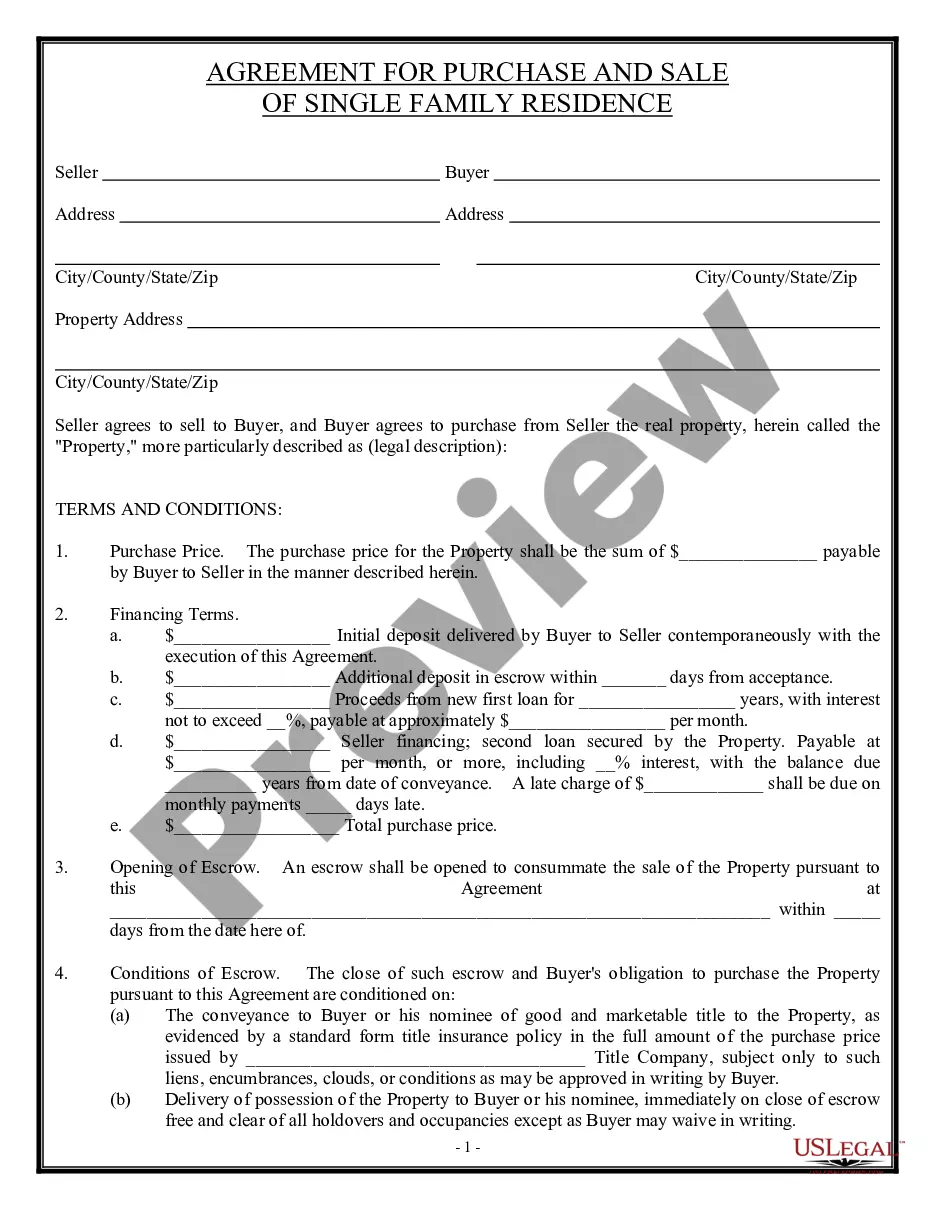
Get your form ready online
Our built-in tools help you complete, sign, share, and store your documents in one place.
Make edits, fill in missing information, and update formatting in US Legal Forms—just like you would in MS Word.
Download a copy, print it, send it by email, or mail it via USPS—whatever works best for your next step.
Sign and collect signatures with our SignNow integration. Send to multiple recipients, set reminders, and more. Go Premium to unlock E-Sign.
If this form requires notarization, complete it online through a secure video call—no need to meet a notary in person or wait for an appointment.
We protect your documents and personal data by following strict security and privacy standards.

Make edits, fill in missing information, and update formatting in US Legal Forms—just like you would in MS Word.

Download a copy, print it, send it by email, or mail it via USPS—whatever works best for your next step.

Sign and collect signatures with our SignNow integration. Send to multiple recipients, set reminders, and more. Go Premium to unlock E-Sign.

If this form requires notarization, complete it online through a secure video call—no need to meet a notary in person or wait for an appointment.

We protect your documents and personal data by following strict security and privacy standards.
Looking for another form?







Form popularity
FAQ
Ohio is an equitable division state, which means that in a divorce, marital property is divided equitably between spouses. The court makes informed decisions based on specific circumstances to reach the most reasonable and fair outcome.
Under equitable distribution, the court will consider several factors when dividing marital property: If you have been married for at least ten years. Both party's assets and liabilities. Both party's incomes and taxes.
Yes, the court will default to a 50/50 split of marital assets unless one spouse has a significant need for an unequal split. For example if a spouse is disabled and cannot work.
Prenuptial and Post-nuptial Agreements One of the most effective ways to protect your assets from divorce in Ohio is through pre-nuptial agreements or post-nuptial agreements. A pre-nuptial agreement is signed before the marriage and outlines how assets will be divided in the event of a divorce.
Ohio is an equitable division state, which means that, when determining the division of property, the judge starts from the presumption that property will be divided equally.
Ohio is an equitable division state, which means that, when determining the division of property, the judge starts from the presumption that property will be divided equally. The judge will listen to arguments from each spouse as to why a different allocation of property might be more equitable.
Under equitable distribution, the court will consider several factors when dividing marital property: If you have been married for at least ten years. Both party's assets and liabilities. Both party's incomes and taxes.
Only one spouse can afford the home: they will typically keep it. Neither spouse can afford the home: the home is sold and proceeds are divided equally. Both spouses can and want to keep the home: they will need to negotiate through a divorce lawyer and/or the court.
Ohio isn't a community property state. Instead, Ohio follows what's known as the "equitable distribution" model for dividing assets and debts during a divorce. However, unlike many other states that use this model, Ohio requires judges to divide a couple's marital property equally, unless that would be unfair.
Yes, the court will default to a 50/50 split of marital assets unless one spouse has a significant need for an unequal split. For example if a spouse is disabled and cannot work.
