Closing Any Property Without Permission In Oakland
Description

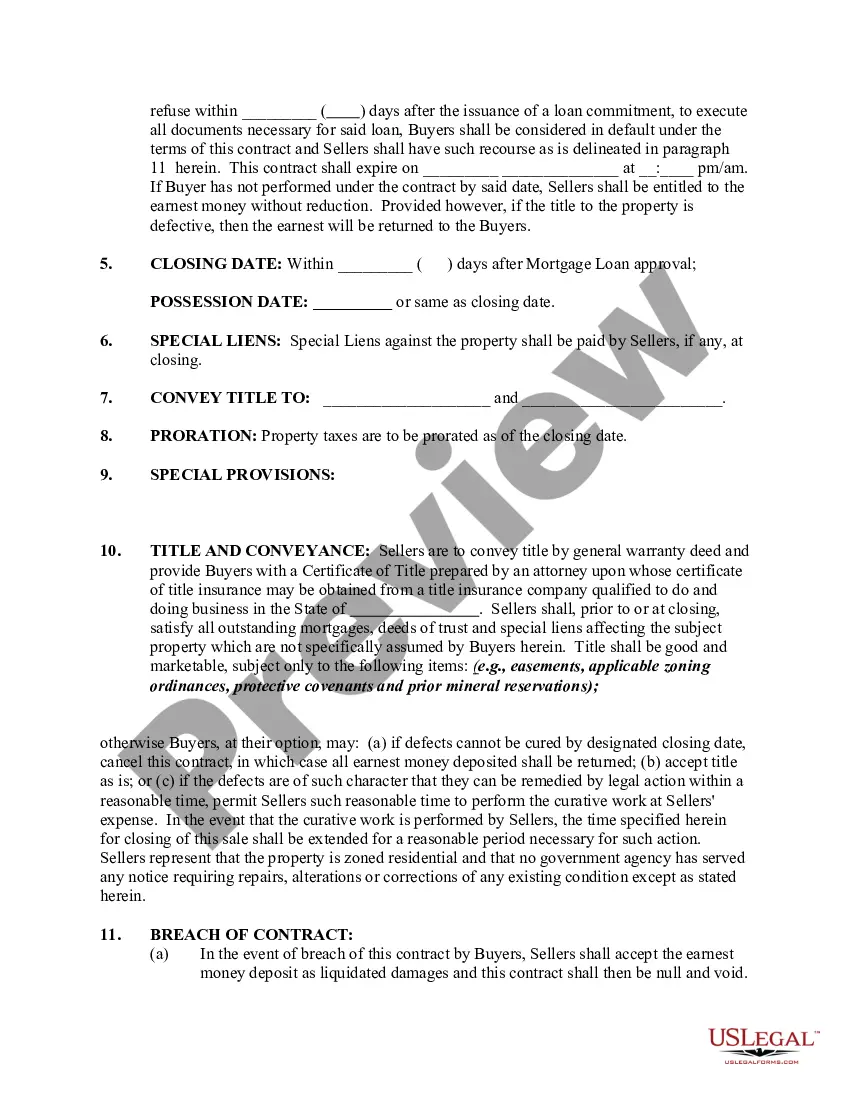
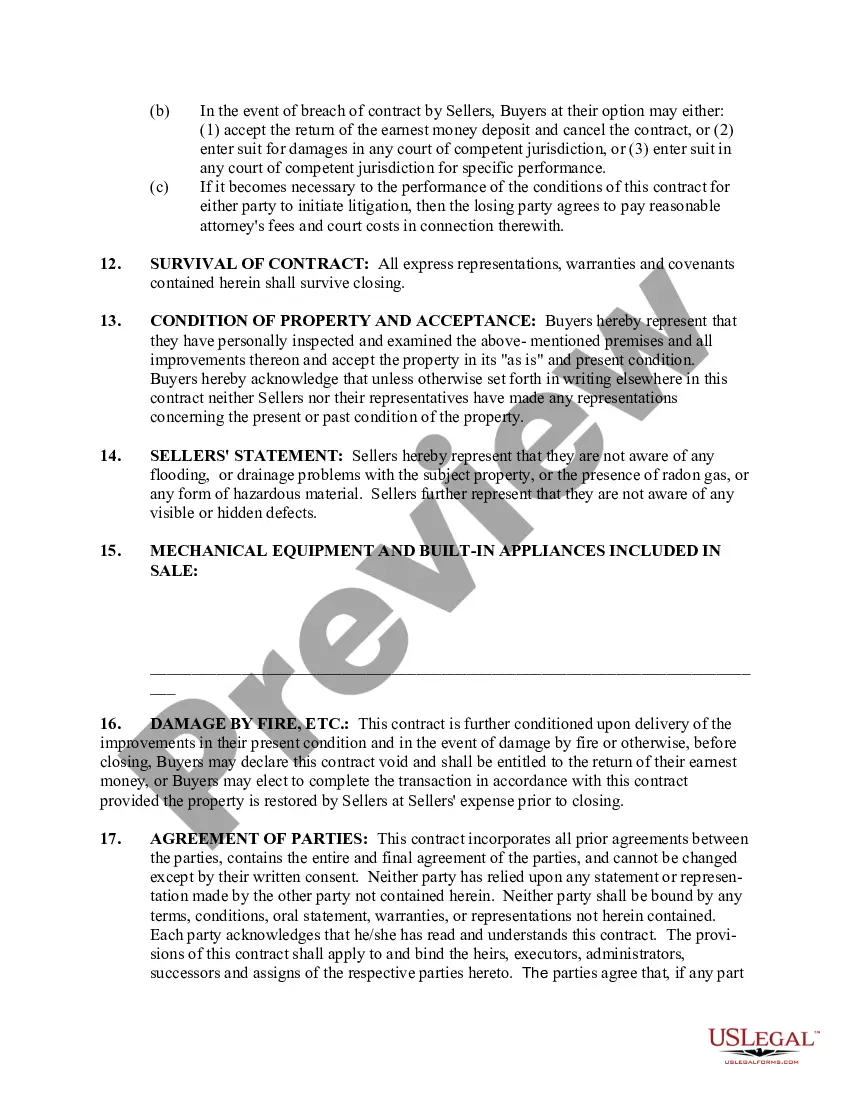
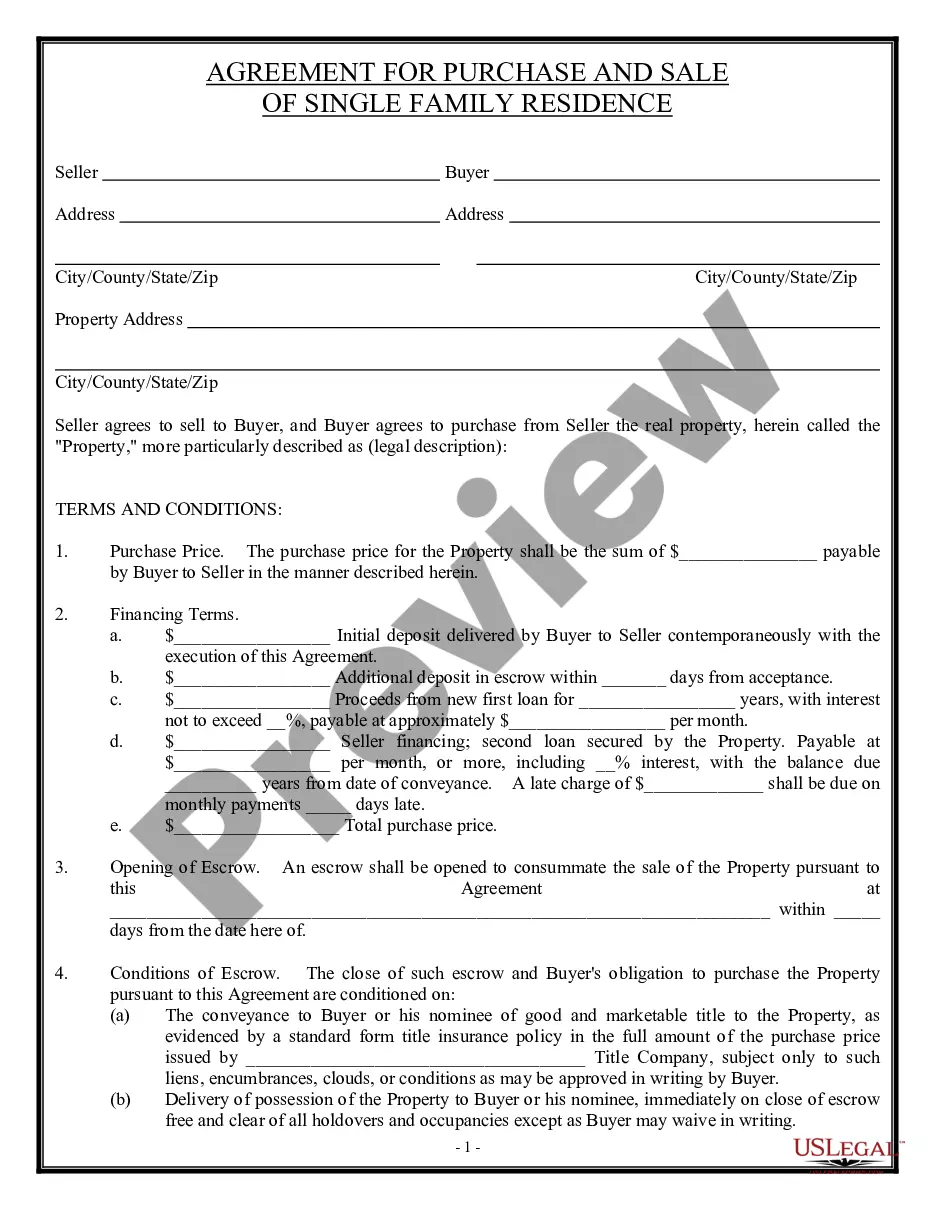
Get your form ready online
Our built-in tools help you complete, sign, share, and store your documents in one place.
Make edits, fill in missing information, and update formatting in US Legal Forms—just like you would in MS Word.
Download a copy, print it, send it by email, or mail it via USPS—whatever works best for your next step.
Sign and collect signatures with our SignNow integration. Send to multiple recipients, set reminders, and more. Go Premium to unlock E-Sign.
If this form requires notarization, complete it online through a secure video call—no need to meet a notary in person or wait for an appointment.
We protect your documents and personal data by following strict security and privacy standards.

Make edits, fill in missing information, and update formatting in US Legal Forms—just like you would in MS Word.

Download a copy, print it, send it by email, or mail it via USPS—whatever works best for your next step.

Sign and collect signatures with our SignNow integration. Send to multiple recipients, set reminders, and more. Go Premium to unlock E-Sign.

If this form requires notarization, complete it online through a secure video call—no need to meet a notary in person or wait for an appointment.

We protect your documents and personal data by following strict security and privacy standards.
Looking for another form?



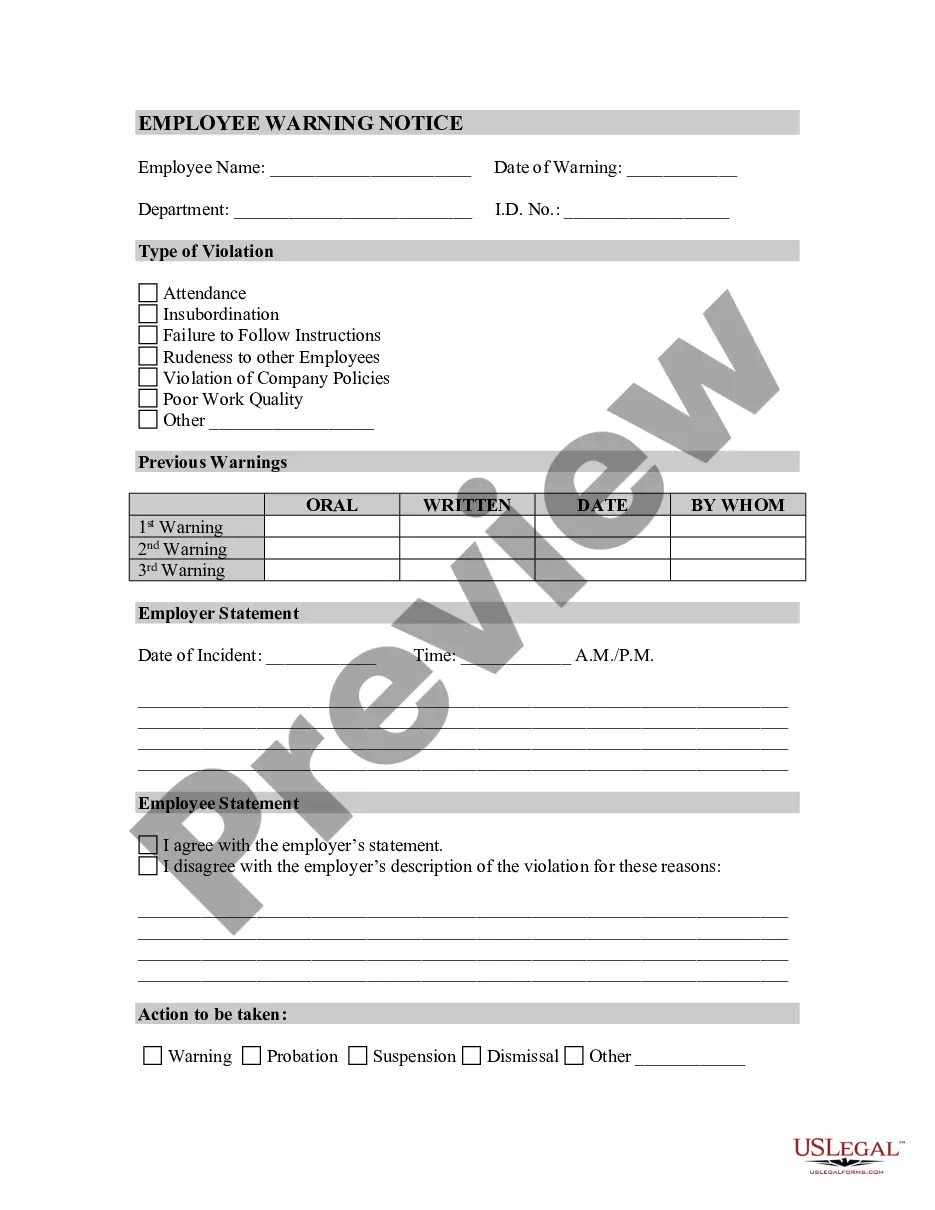
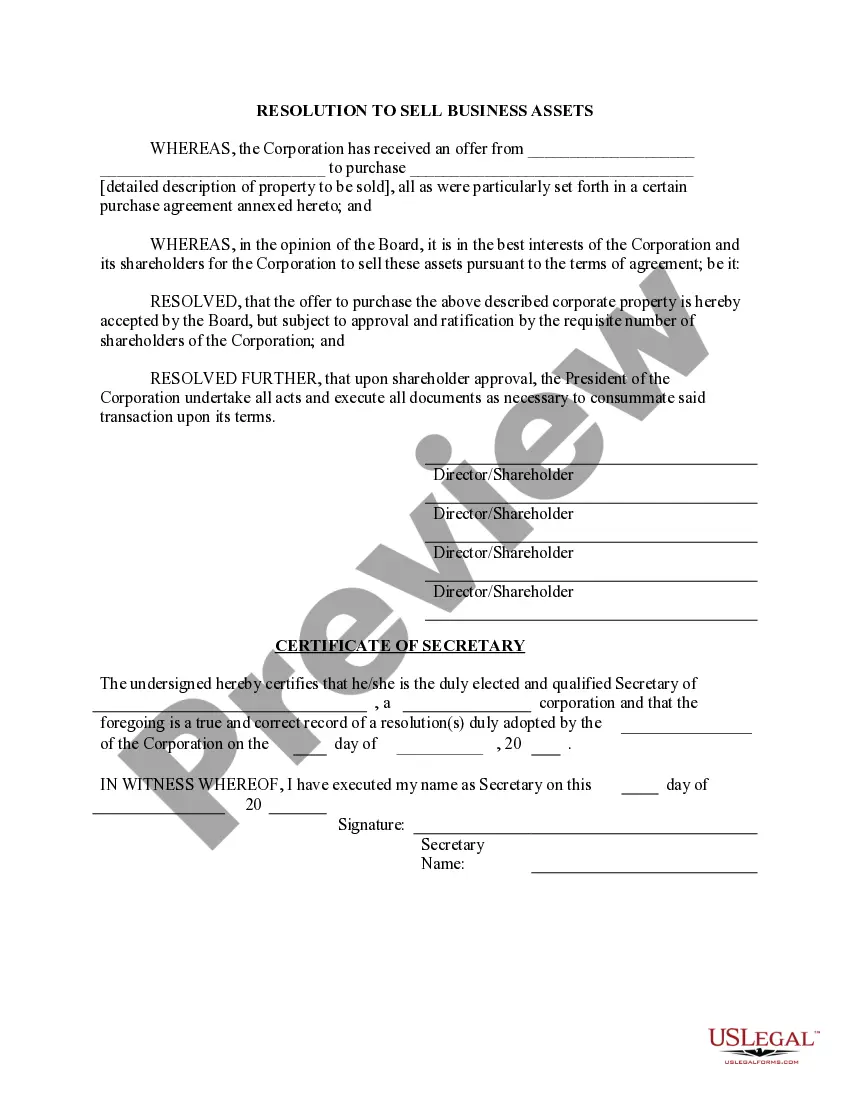
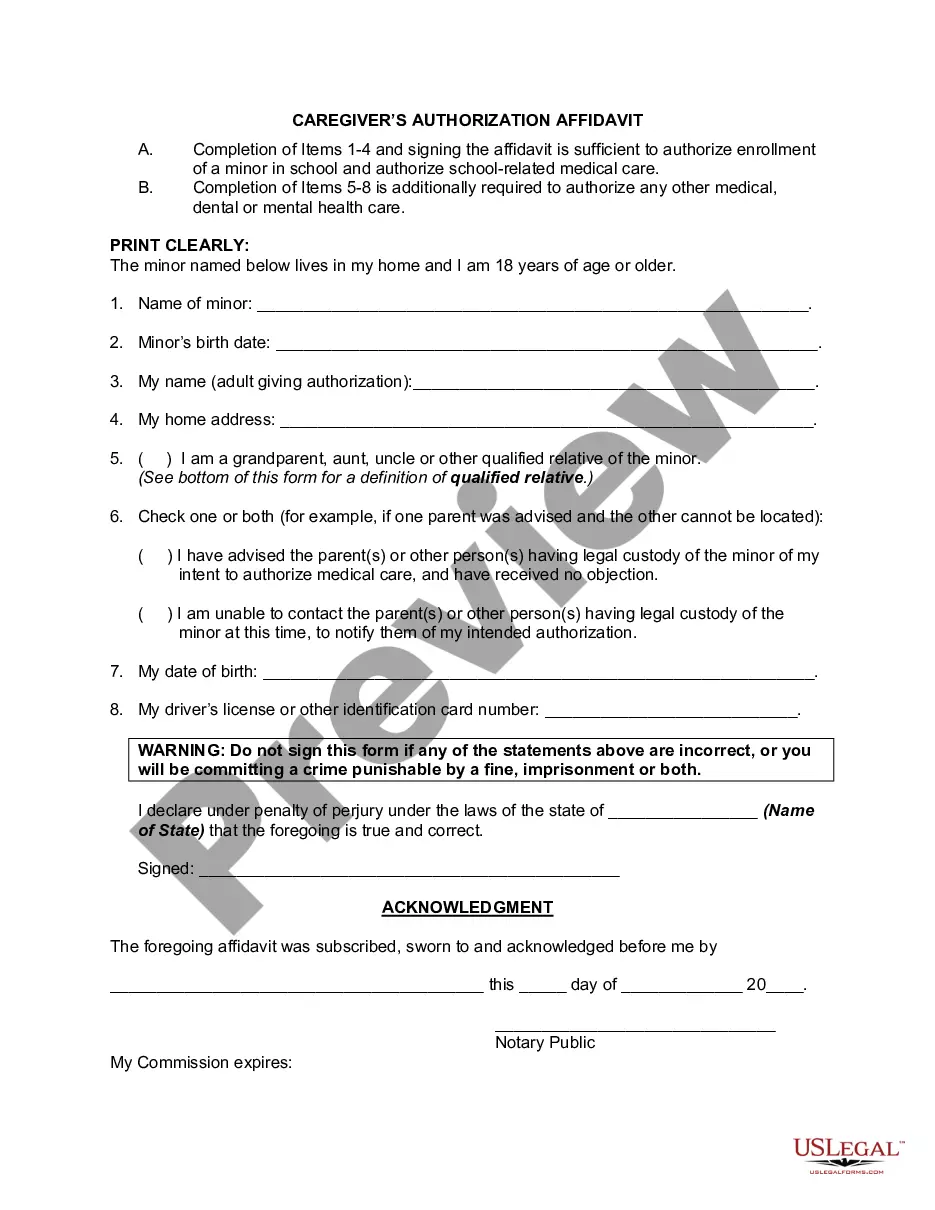
Form popularity
FAQ
The Ellis Act is a state law that allows landlords to evict residential tenants in order to go out of the rental business. This right is afforded to rental housing providers even though general public policy is to keep residents housed so long as their tenancy is in good standing.
After the landlord gives you the Notice it can take 30-45 days, or longer, for the eviction case to end. If you lose the case, the judge can order you to move out of your home. Select any part to learn more, get step-by-step instructions, and download the forms you'll need.
The whole procedure to legally evict tenant takes around 1 to 3 months time period varies from case to case. The whole procedure includes the sending of legal notice by landlord to tenant till eviction of tenant from property. But if the case is critical some time it exceeds 3 months time period too.
Just Cause Required for Eviction. The Just Cause for Eviction Ordinance prohibits a property owner from terminating a tenancy without good or just cause. All units covered by the Rent Adjustment Program are also covered under the Just Cause for Eviction Ordinance.
Examples of different types of Notices 3-day Notice to Quit means your landlord thinks you did something very serious to violate the lease and you must move out within 3 days. 30-day or 60-day Notice to Quit means your landlord is ending your lease and you must move out by the deadline.
The Tenant Protection Ordinance (“TPO”) provides tenants legal recourse if they are harassed by the property owner. The TPO is meant to deter harassment by property owners. The TPO provides civil remedies for violations.
If your tenant won't fix the problem or move out, you'll have to go through the court to get an order for them to move out. The eviction process can take 30 - 45 days, or longer. The time starts from when you have eviction court forms delivered to your tenant to the time they must move out.
(a) Whenever necessary to make an inspection or to enforce any of the provisions of this chapter, or whenever the code enforcement officer has reasonable cause to believe that there exists in any building or upon any property any unlawful condition of prohibited activity which makes such building or property unsafe, ...
Before the Board imposes Cease and Desist Orders or financial penalties for water rights violations, we alert violators of the problem and give them the opportunity to comply. This alert is officially called a Notice of Violation or NOV. Many violators require no further enforcement action beyond an NOV.