Closing Property Title Without Paying Taxes In North Carolina
Description

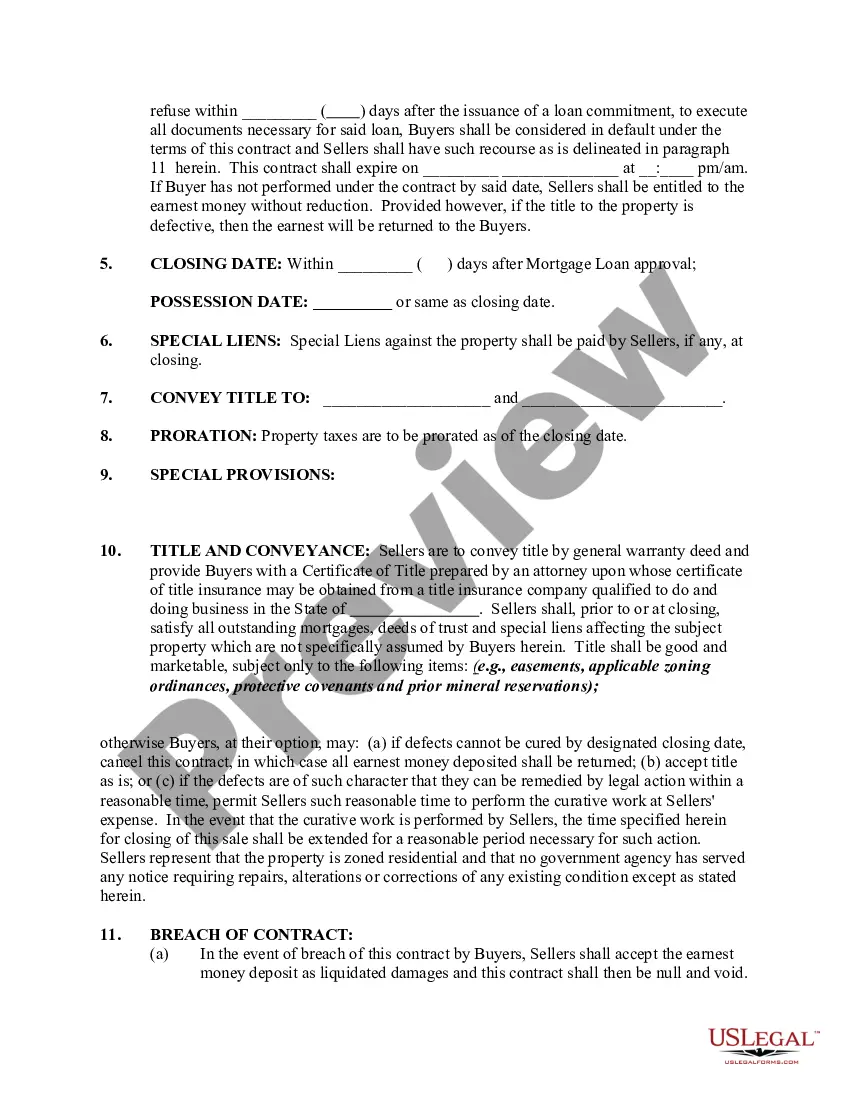
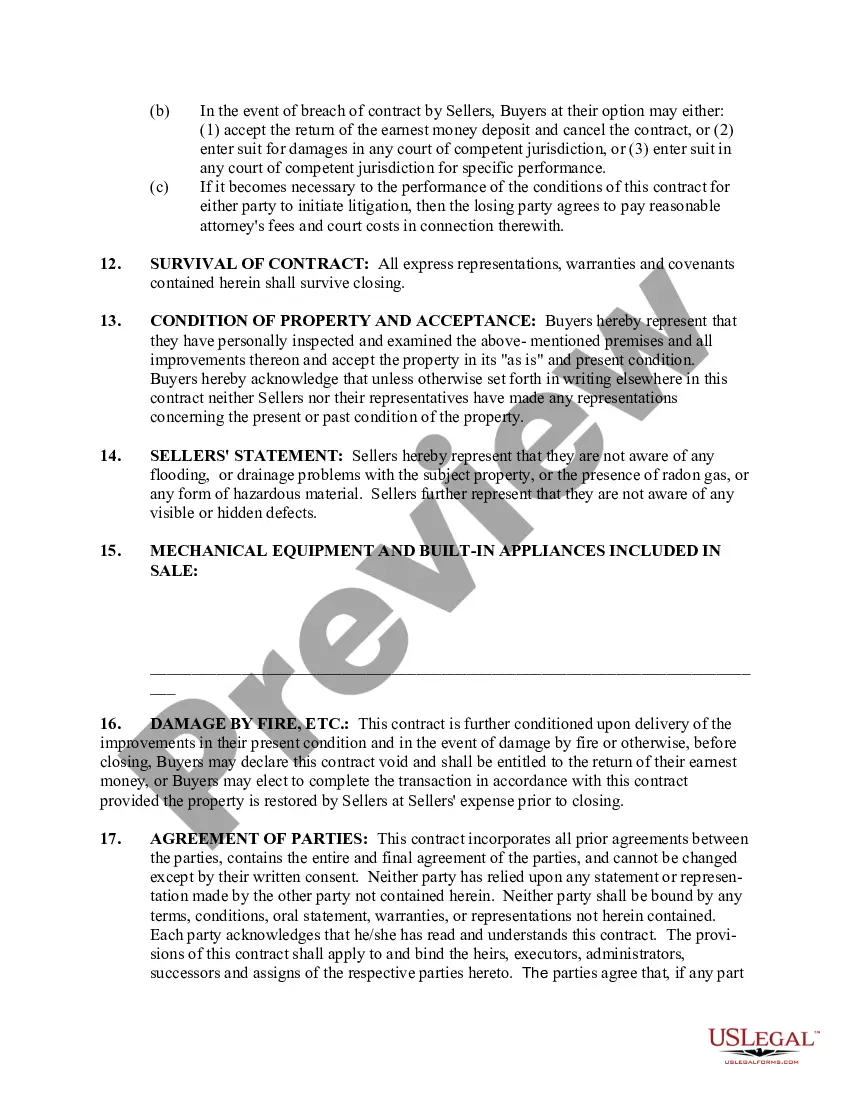
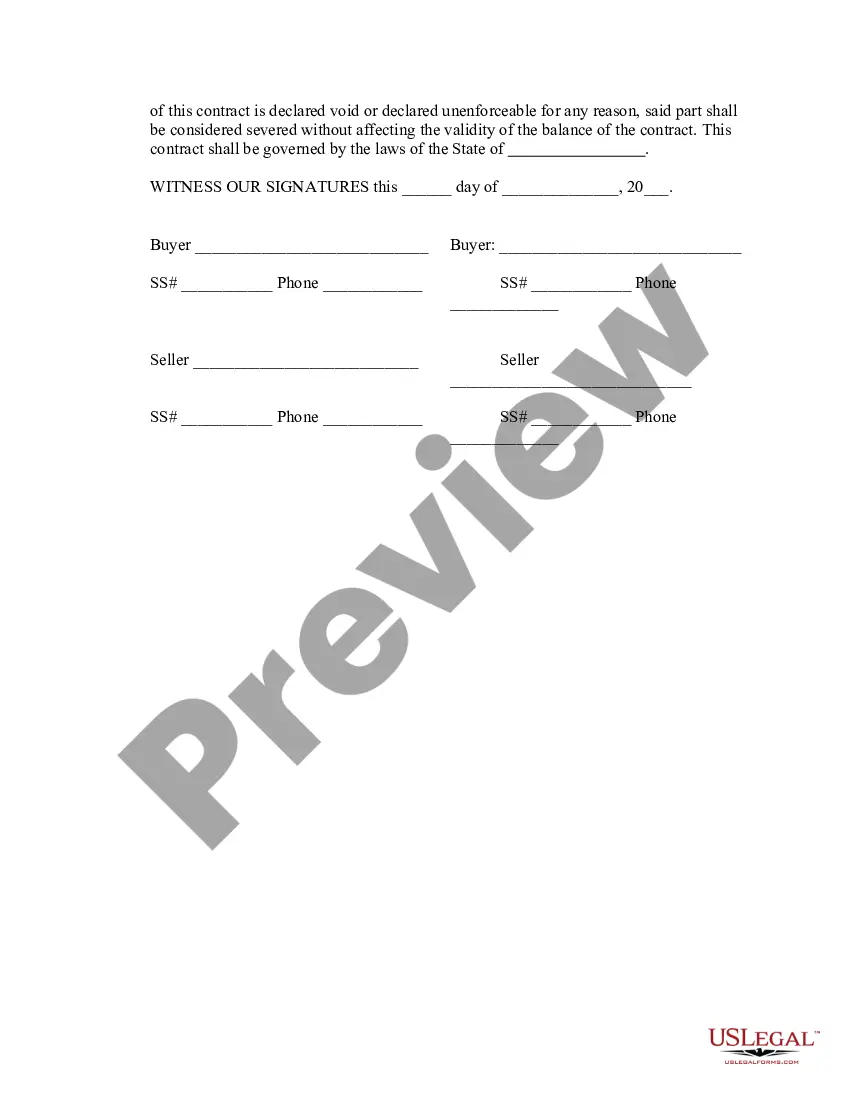
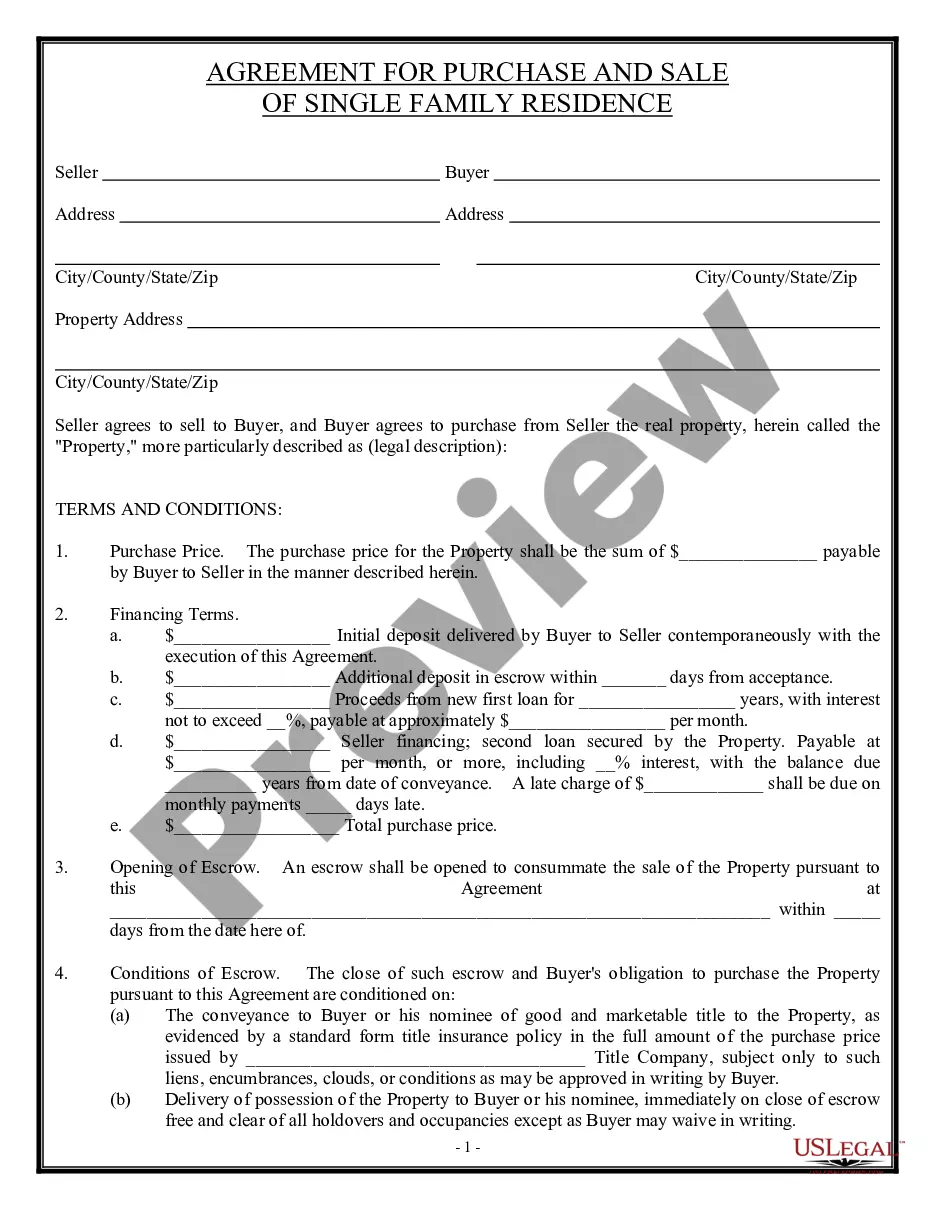
Get your form ready online
Our built-in tools help you complete, sign, share, and store your documents in one place.
Make edits, fill in missing information, and update formatting in US Legal Forms—just like you would in MS Word.
Download a copy, print it, send it by email, or mail it via USPS—whatever works best for your next step.
Sign and collect signatures with our SignNow integration. Send to multiple recipients, set reminders, and more. Go Premium to unlock E-Sign.
If this form requires notarization, complete it online through a secure video call—no need to meet a notary in person or wait for an appointment.
We protect your documents and personal data by following strict security and privacy standards.

Make edits, fill in missing information, and update formatting in US Legal Forms—just like you would in MS Word.

Download a copy, print it, send it by email, or mail it via USPS—whatever works best for your next step.

Sign and collect signatures with our SignNow integration. Send to multiple recipients, set reminders, and more. Go Premium to unlock E-Sign.

If this form requires notarization, complete it online through a secure video call—no need to meet a notary in person or wait for an appointment.

We protect your documents and personal data by following strict security and privacy standards.
Looking for another form?







Form popularity
FAQ
North Carolina transfer tax exemptions There are circumstances where there is no transfer tax needed. Some of these are deeds of gift, foreclosure deeds, deeds from local, state, or federal government, and certain leases with a term of fewer than 10 years.
Unless otherwise provided by contract, property taxes on the real property being sold shall be prorated between the seller and buyer of the real property on a calendar‑year basis.
Prorations are always the same dollar amount entered as a debit to one party and as a credit to the other party. The statement is true. Prorations are entered on the Closing Disclosure as double entries; a debit to one party and a credit to the other party.
Instead, it taxes all capital gains as ordinary income, using the same rates and brackets as the regular state income tax: North Carolina is one of the states with a flat income tax rate, so no matter the amount of taxable ordinary income, the state tax rate will always be 4.25%.
No, paying someone else's taxes does not give legal ownership of the property. 3. When are foreclosure sales? The Notice of Sale will be posted on our website, at the Haywood County Justice Center, and at the Haywood County Tax Collections office located in the Historic Courthouse prior to the sale.
Property tax exclusions are available for qualifying elderly and disabled residents. Income must not exceed $37,900. Application deadline is June 1. North Carolina allows property tax exclusions for senior adults and disabled individuals.
The first $45,000 of appraised value of the residence is excluded from taxation. There is no age requirement and no income requirement.
North Carolina defers a portion of the property taxes on the appraised value of a permanent residence owned and occupied by a North Carolina resident who has owned and occupied the property at least five years, is at least 65 years of age or is totally and permanently disabled, and whose income does not exceed $56,850.
“What are the benefits?” The Homestead Exclusion allows you exemption of $25,000 or 50% of your home's value (whichever provides the most benefit). This only applies to your primary residence and is limited to 1 acre or less.