Closing Any Property Within The State In Minnesota
Description

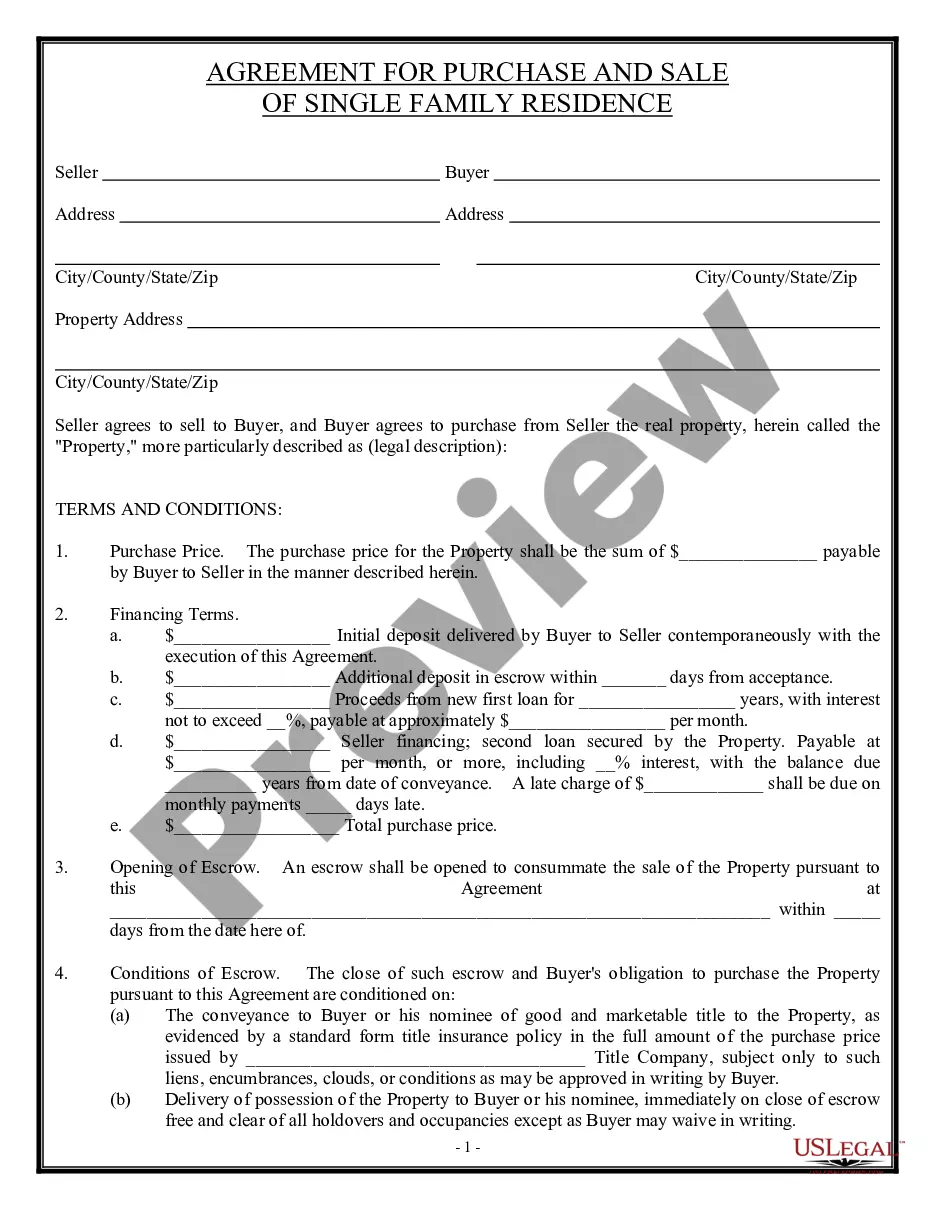
Get your form ready online
Our built-in tools help you complete, sign, share, and store your documents in one place.
Make edits, fill in missing information, and update formatting in US Legal Forms—just like you would in MS Word.
Download a copy, print it, send it by email, or mail it via USPS—whatever works best for your next step.
Sign and collect signatures with our SignNow integration. Send to multiple recipients, set reminders, and more. Go Premium to unlock E-Sign.
If this form requires notarization, complete it online through a secure video call—no need to meet a notary in person or wait for an appointment.
We protect your documents and personal data by following strict security and privacy standards.

Make edits, fill in missing information, and update formatting in US Legal Forms—just like you would in MS Word.

Download a copy, print it, send it by email, or mail it via USPS—whatever works best for your next step.

Sign and collect signatures with our SignNow integration. Send to multiple recipients, set reminders, and more. Go Premium to unlock E-Sign.

If this form requires notarization, complete it online through a secure video call—no need to meet a notary in person or wait for an appointment.

We protect your documents and personal data by following strict security and privacy standards.
Looking for another form?




Form popularity
FAQ
After the inspection contingency is removed, there is typically 4-6 weeks until the closing happens.
Sellers of Minnesota real estate must make a seller disclosure. Minnesota law requires that all sellers of residential property disclose to prospective buyers all “material facts” that could affect a buyer's use and enjoyment of the property.
Mortgage Pre-Approval Is a Good Idea. Open an Escrow Account. Title Search and Insurance. Hire an Attorney. Negotiate Closing Costs. Complete the Home Inspection. Get a Pest Inspection. Renegotiate the Offer.
In Minnesota, property taxes are usually split between the buyer and seller at closing. The seller pays the property's taxes for the time they owned the home before the sale.
In Minnesota, mortgage closing and other title transfer-related formalities can be performed online without the parties involved in a real estate deal having to be physically present for closing.
The closing process typically begins with reviewing and reconciling accounts to identify discrepancies and errors. Adjusting entries are then recorded to account for accruals, deferrals, depreciation, and other adjustments necessary to reflect the correct financial position.
