Closing Property Title Form Texas In Michigan
Description

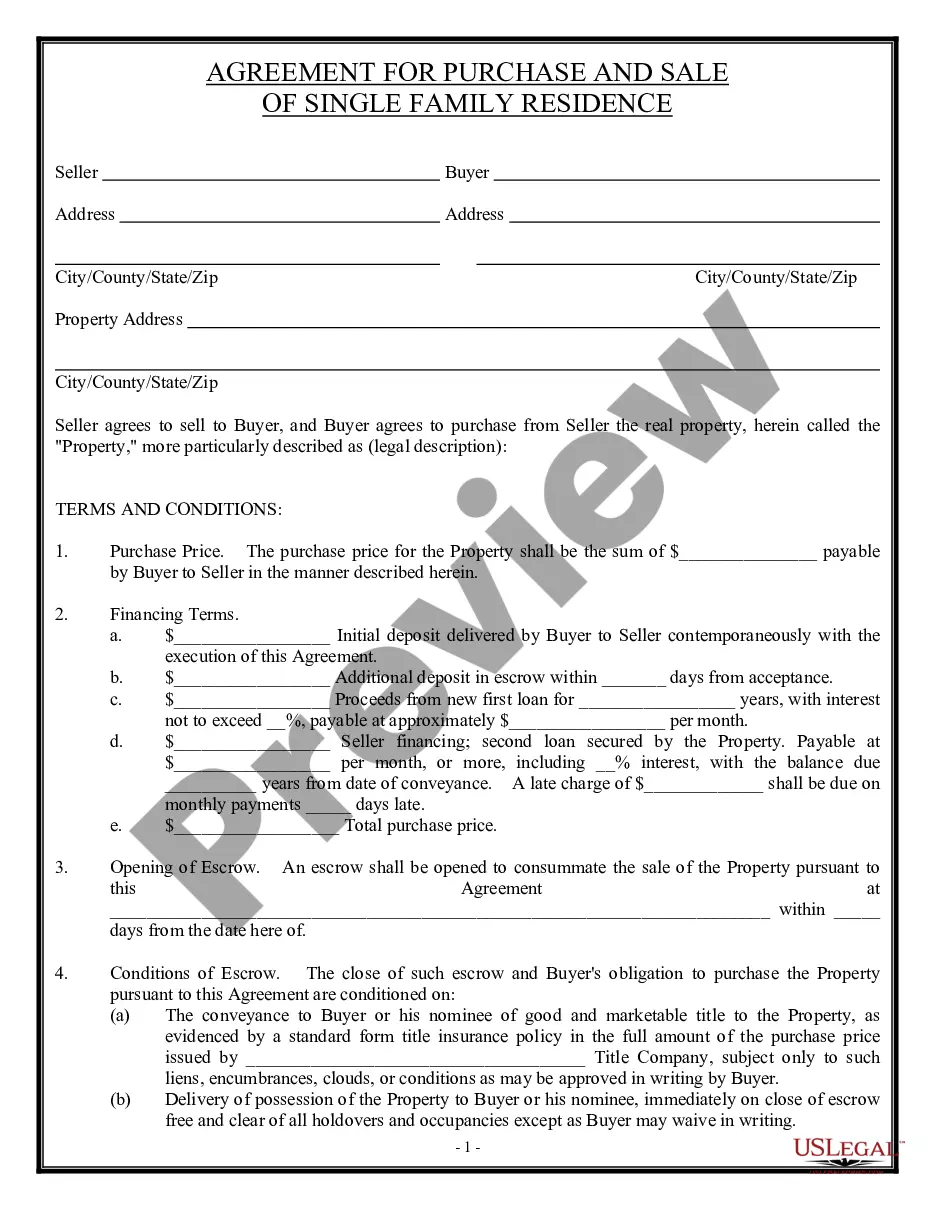
Get your form ready online
Our built-in tools help you complete, sign, share, and store your documents in one place.
Make edits, fill in missing information, and update formatting in US Legal Forms—just like you would in MS Word.
Download a copy, print it, send it by email, or mail it via USPS—whatever works best for your next step.
Sign and collect signatures with our SignNow integration. Send to multiple recipients, set reminders, and more. Go Premium to unlock E-Sign.
If this form requires notarization, complete it online through a secure video call—no need to meet a notary in person or wait for an appointment.
We protect your documents and personal data by following strict security and privacy standards.

Make edits, fill in missing information, and update formatting in US Legal Forms—just like you would in MS Word.

Download a copy, print it, send it by email, or mail it via USPS—whatever works best for your next step.

Sign and collect signatures with our SignNow integration. Send to multiple recipients, set reminders, and more. Go Premium to unlock E-Sign.

If this form requires notarization, complete it online through a secure video call—no need to meet a notary in person or wait for an appointment.

We protect your documents and personal data by following strict security and privacy standards.
Looking for another form?






Form popularity
FAQ
The title to a house is a legal concept that establishes your ownership of the property and gives you certain rights to it. The deed is a legal document that transfers ownership of a property from a seller to a buyer.
In order to conduct a property title search on your own without paying a lawyer or a title company, you should head to your county clerk's office. In Texas, each county clerk's office is responsible for keeping detailed property records – these records are public, and therefore available for you to view.
Who Chooses the Title Company? Seller's Preference: In many cases, especially in a seller's market, the seller may prefer to. Buyer's Input: In a buyer's market or in situations where the buyer has specific preferences, ... Mutual Agreement: Often, the buyer and seller come to a mutual agreement on which title.
Title companies in Texas perform crucial tasks in real estate transactions, ensuring a seamless closing process. They offer various services that protect all parties involved.
You may choose any title company you want; you don't have to use a company selected by a real estate agent, builder, or lender. Section 9 of the Real Estate Settlement Procedures Act (RESPA) prohibits sellers from conditioning the home sale on the use of a specific title insurance company.
TDI regulates title insurance under Texas Insurance Code, Title 11 and the Basic Manual of Rules, Rates and Forms for the Writing of Title Insurance in the State of Texas.
Sign and date your deed Sign and date the quitclaim deed in a notary's presence, then file it with the county Register of Deeds Office in the property's county, not the county where you live. Once the deed is filed and recorded, the transfer is deemed legal.
Affidavit must be filed by the new owner with the assessor for the city or township where the property is located within 45 days of the transfer. The information on this form is NOT CONFIDENTIAL.
Generally, the most efficient way for the transfer to happen is at death via a trust. The deed is titled within your family trust or transfer on death deed. The trust transfers the assets to the children at passing. Skips probate.
How it works Be open and honest with your family member. Discuss your reasons for transferring the property with your family member and to ensure that they are aware of the implications of the transfer. Seek professional advice. Get everything in writing. Complete Transfer.
