Sell Closing Property For Cash In Massachusetts
Description

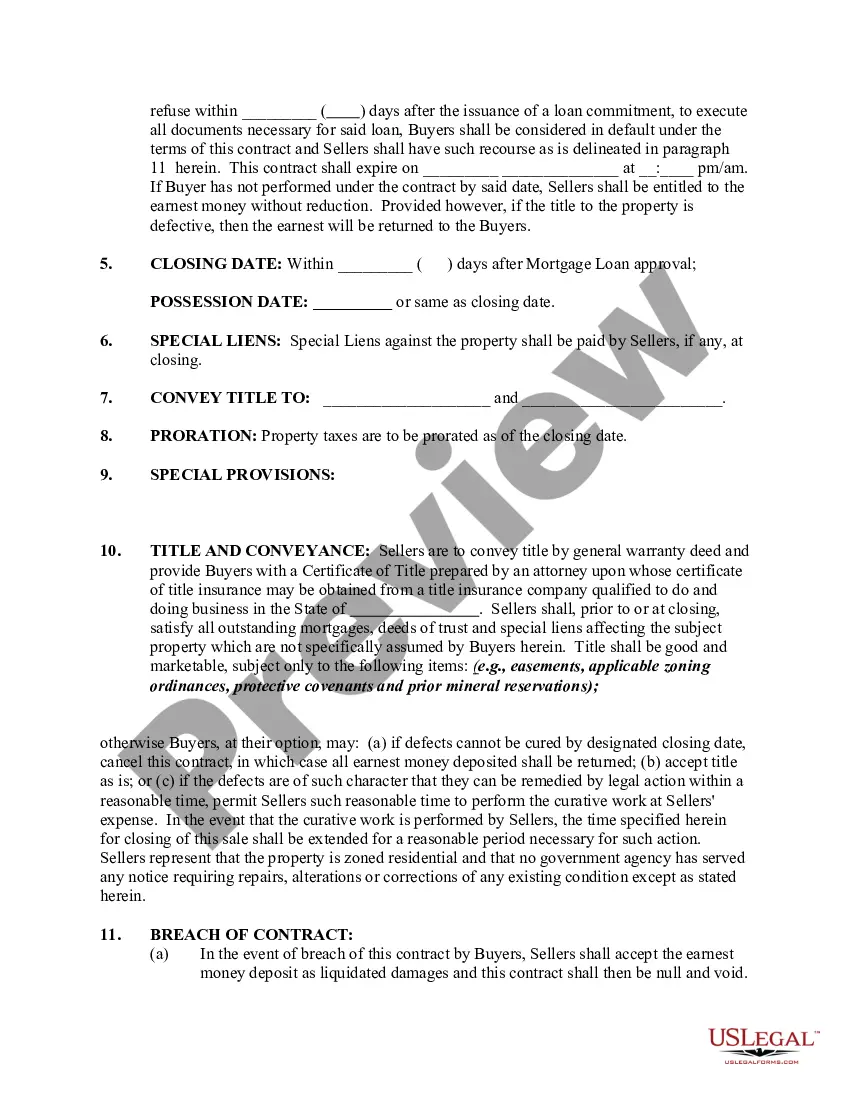
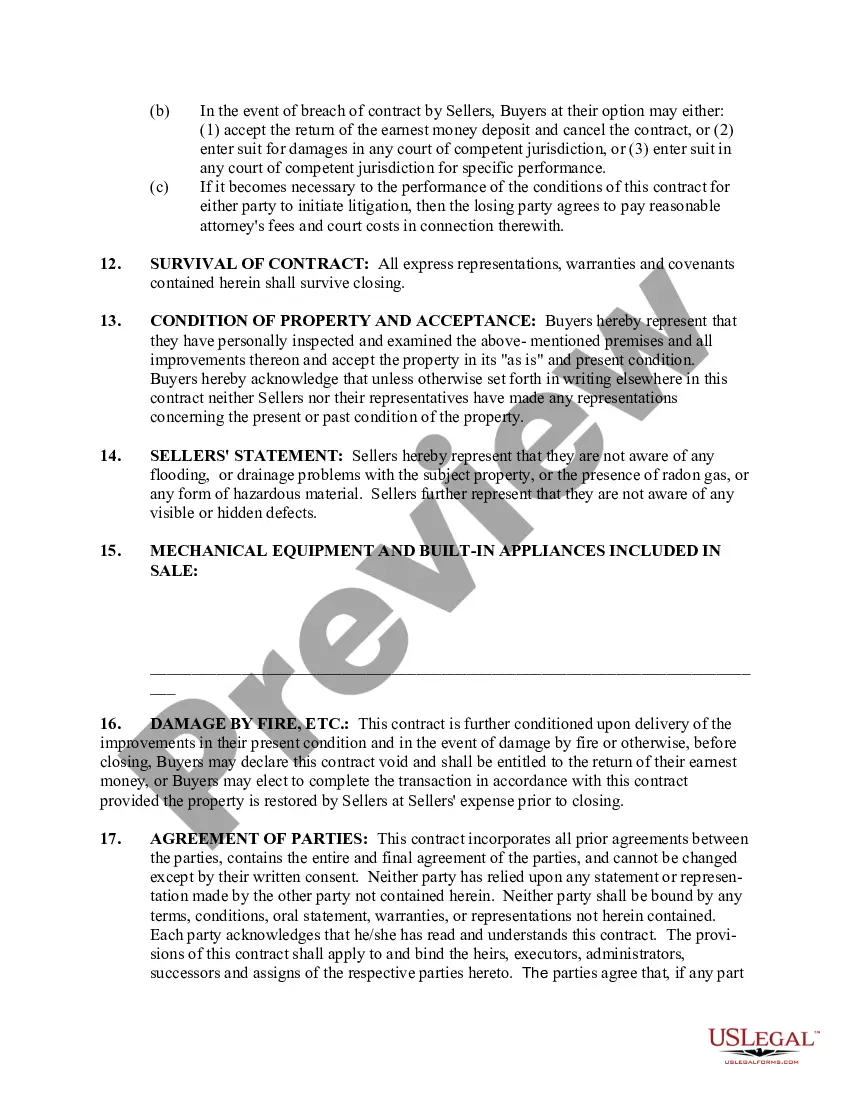
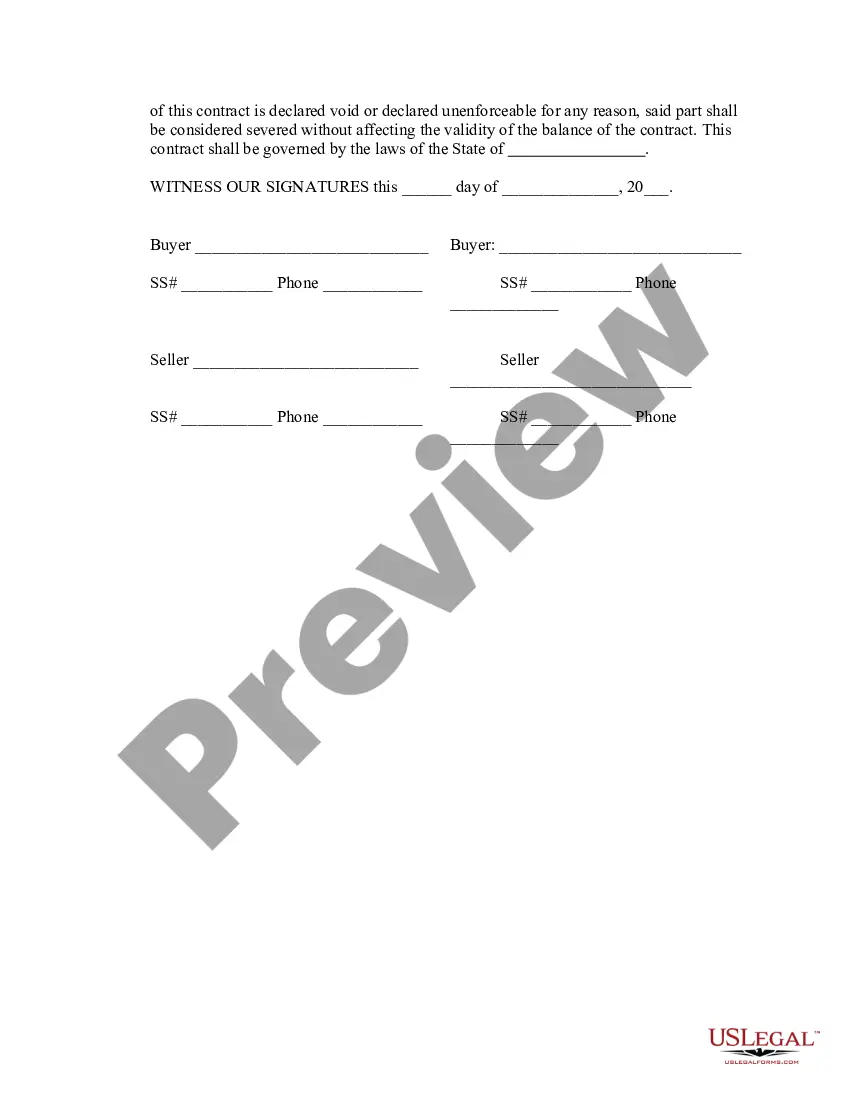
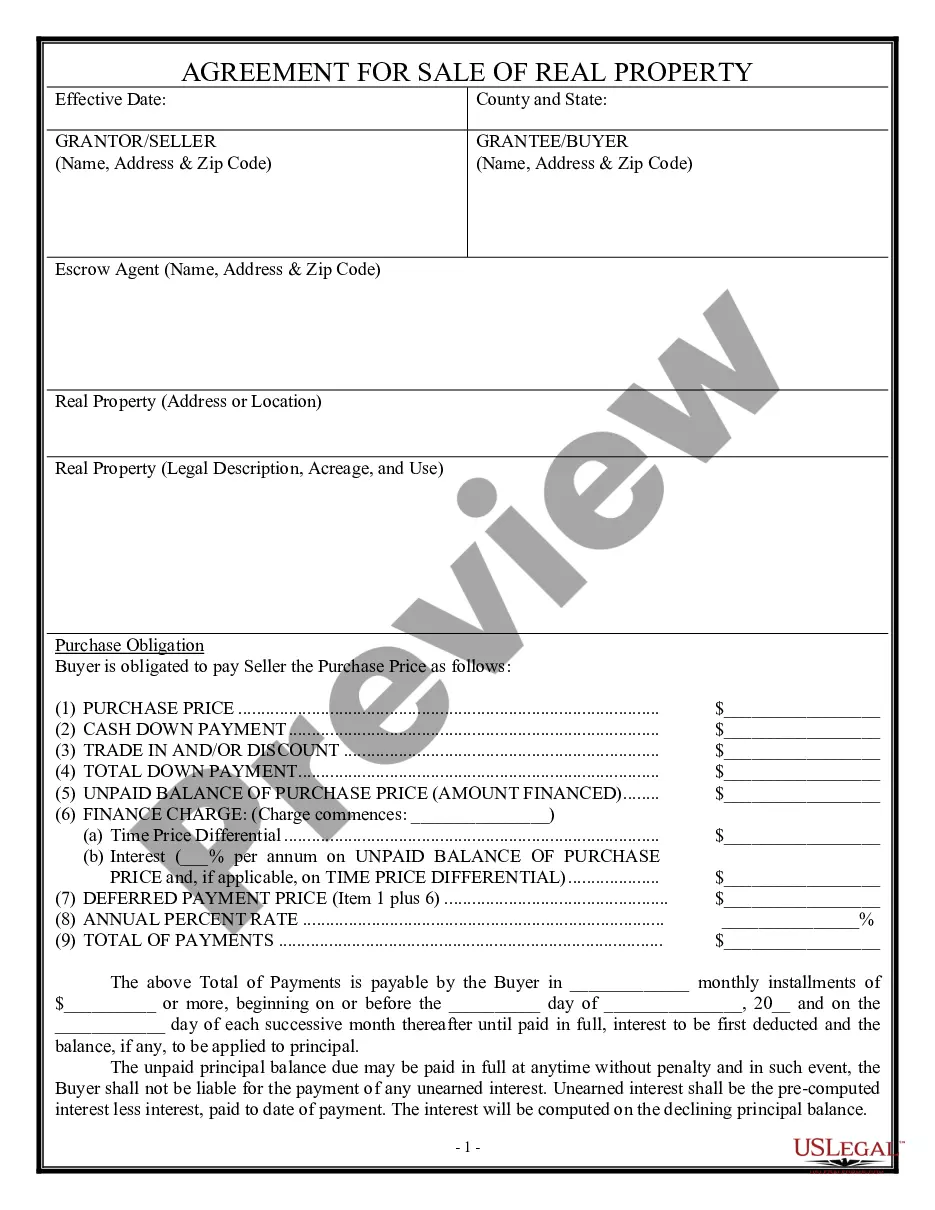
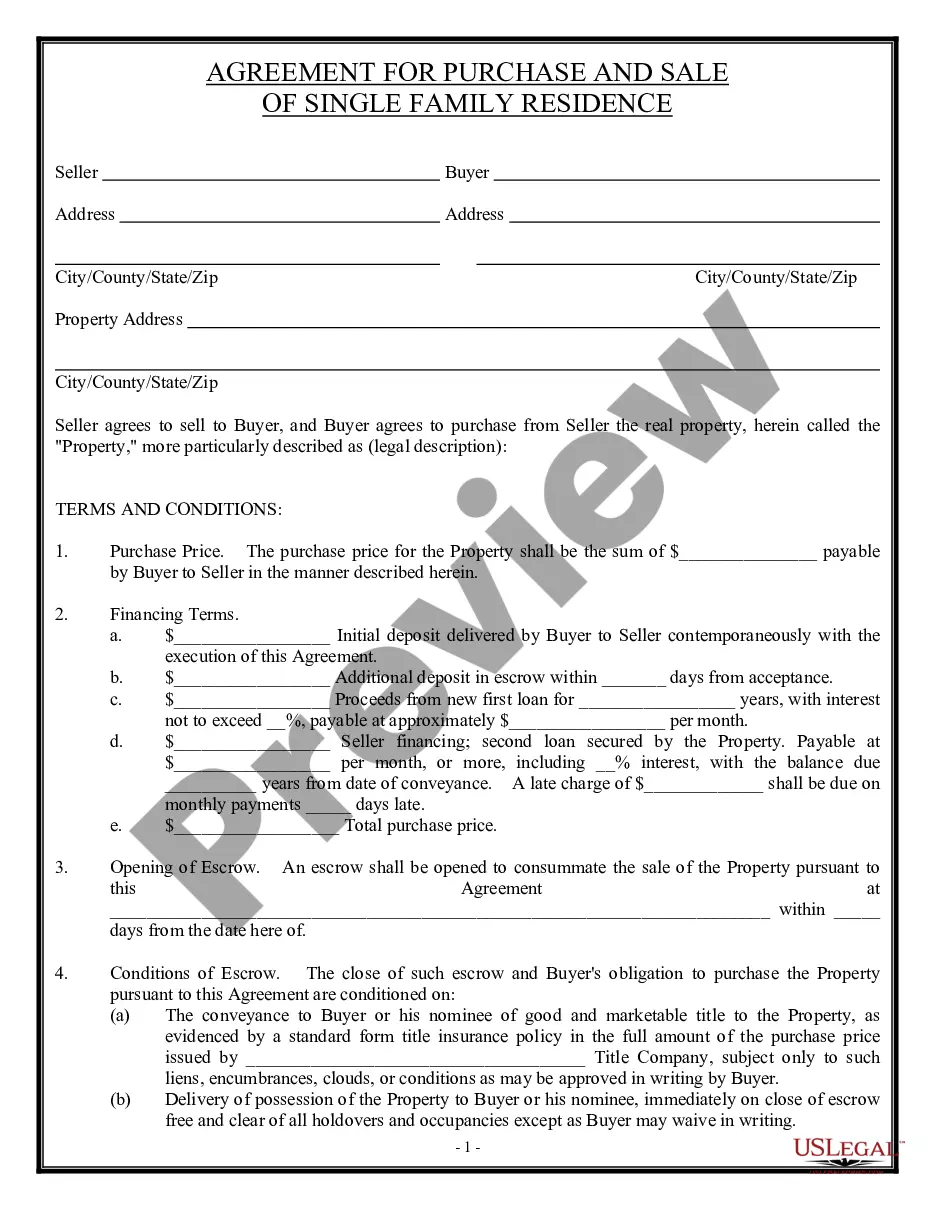
Get your form ready online
Our built-in tools help you complete, sign, share, and store your documents in one place.
Make edits, fill in missing information, and update formatting in US Legal Forms—just like you would in MS Word.
Download a copy, print it, send it by email, or mail it via USPS—whatever works best for your next step.
Sign and collect signatures with our SignNow integration. Send to multiple recipients, set reminders, and more. Go Premium to unlock E-Sign.
If this form requires notarization, complete it online through a secure video call—no need to meet a notary in person or wait for an appointment.
We protect your documents and personal data by following strict security and privacy standards.

Make edits, fill in missing information, and update formatting in US Legal Forms—just like you would in MS Word.

Download a copy, print it, send it by email, or mail it via USPS—whatever works best for your next step.

Sign and collect signatures with our SignNow integration. Send to multiple recipients, set reminders, and more. Go Premium to unlock E-Sign.

If this form requires notarization, complete it online through a secure video call—no need to meet a notary in person or wait for an appointment.

We protect your documents and personal data by following strict security and privacy standards.
Looking for another form?
Form popularity
FAQ
You don't have to use a real estate agent to sell your Massachusetts home, but managing the sale yourself can be quite demanding. Sellers who don't use an agent save on a listing agent's commission. However, they may still be responsible for paying the buyer's agent.
You don't have to use a real estate agent to sell your Massachusetts home, but managing the sale yourself can be quite demanding. Sellers who don't use an agent save on a listing agent's commission. However, they may still be responsible for paying the buyer's agent.
States that require attorney involvement or where attorney involvement is customary: Connecticut, Delaware, Georgia, Massachusetts, South Carolina, Vermont and West Virginia.
Massachusetts: In Massachusetts, the involvement of a closing attorney is commonly required for real estate closings. The attorney represents the buyer or the lender, conducts a title examination, prepares legal documents, and ensures compliance with state laws.
Negotiations can become heated, titles can be disputed and contracts can be broken. In fact, in an attempt to protect home buyers and sellers alike from these and other issues, the state of Massachusetts requires the presence of an attorney at real estate closings.
Sellers are required to disclose property information to the realtor and potential buyers based on state and local laws. A disclosure document details a property's condition and what might negatively affect its value. Sellers who willfully conceal information can be sued and potentially convicted of a crime.
Massachusetts is a buyer-beware state, which means Massachusetts doesn't require sellers to fill out a disclosure form.
If you're selling your home in Massachusetts, you legally do not have to disclose asbestos either, but you do have to disclose formaldehyde foam insulation and lead paint.
Although a disclosure statement is not required, the state does mandate the disclosure of two types of information to any prospective buyer: the existence and hazards of lead paint, and the presence of a septic system on the property. Sellers in Massachusetts must disclose the presence of lead to prospective buyers.
In most states, you must disclose any known mold issues when selling your home. In Massachusetts, that is not the case. Massachusetts is a Caveat Emptor state, which means “buyer beware.” Realtors, however, are held to much higher standards than home sellers.
