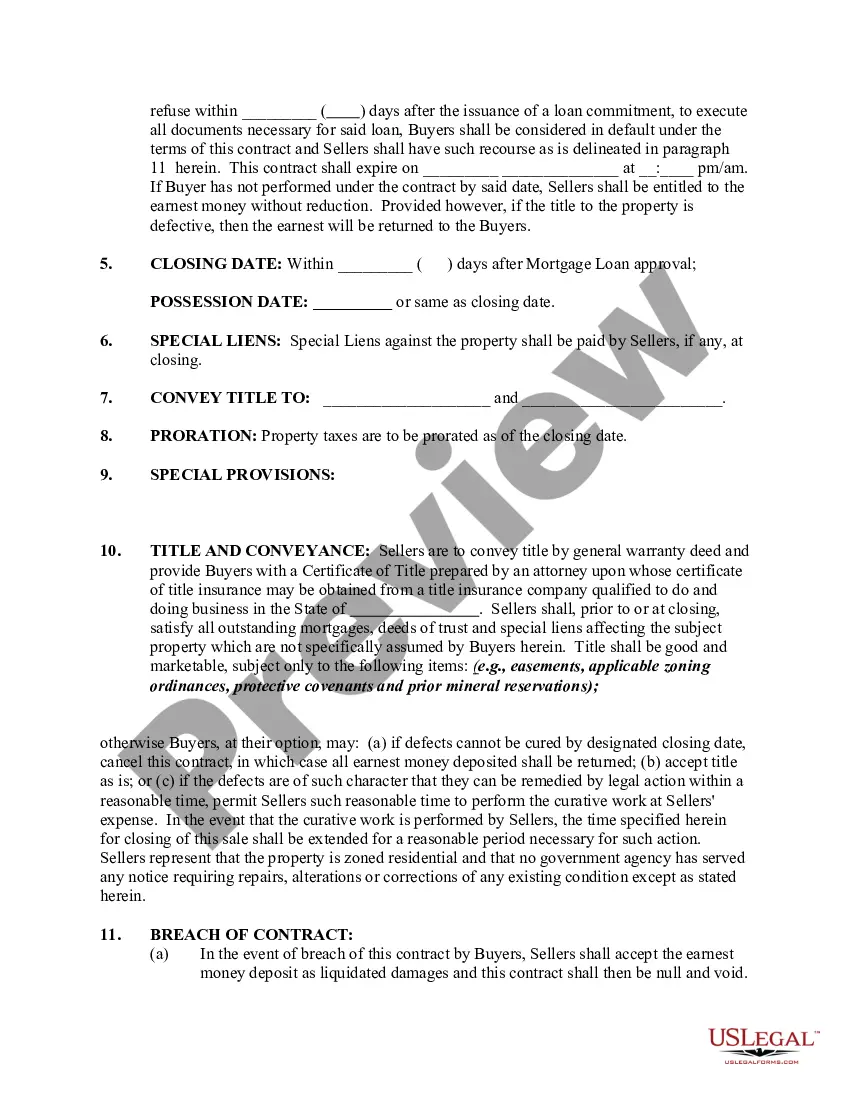
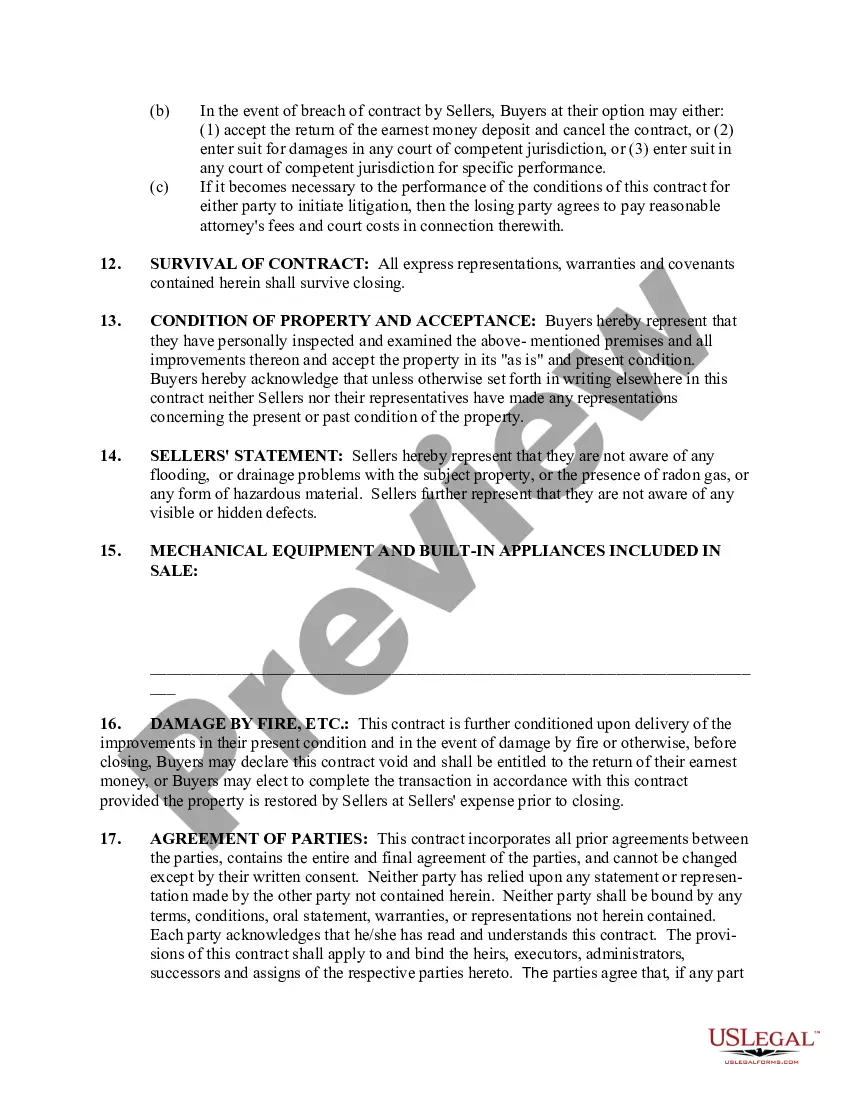
Closing Property Title For Married Couple In Maricopa
Description




Get your form ready online
Our built-in tools help you complete, sign, share, and store your documents in one place.
Make edits, fill in missing information, and update formatting in US Legal Forms—just like you would in MS Word.
Download a copy, print it, send it by email, or mail it via USPS—whatever works best for your next step.
Sign and collect signatures with our SignNow integration. Send to multiple recipients, set reminders, and more. Go Premium to unlock E-Sign.
If this form requires notarization, complete it online through a secure video call—no need to meet a notary in person or wait for an appointment.
We protect your documents and personal data by following strict security and privacy standards.

Make edits, fill in missing information, and update formatting in US Legal Forms—just like you would in MS Word.

Download a copy, print it, send it by email, or mail it via USPS—whatever works best for your next step.

Sign and collect signatures with our SignNow integration. Send to multiple recipients, set reminders, and more. Go Premium to unlock E-Sign.

If this form requires notarization, complete it online through a secure video call—no need to meet a notary in person or wait for an appointment.

We protect your documents and personal data by following strict security and privacy standards.
Looking for another form?










Form popularity
FAQ
First, search by your address or parcel number to locate your property. The current deed will be located under the "Deed Number" under the section "Owner Information". Once you locate your document, you may view an unofficial copy online. Select the colored box under the section "Pages" to view your document.
Arizona is a community property state, which means that all property acquired by either spouse during the marriage is considered to be jointly owned. Upon a divorce, it will be divided approximately equally.
These are the ways to take title in Arizona: Community Property, Community Property With Right Of Survivorship, Joint Tenancy With Right Of Survivorship, Tenancy In Common, Trust (With A Trustee), Sole And Separate Property, Corporation, General Partnership.
To take title as community property, the title holders must have a valid marriage. Each spouse holds an undivided one-half interest in the estate. One spouse cannot partition the property by selling his or her interest. The signatures of both spouses are required to convey title or encumber the property.
For instance, if you're married, the most common way to title your home is Tenancy by the Entirety (TBE). That endows survivorship rights, some creditor protection, and allows for transfers only with the consent of both spouses.
Tenancy by the entirety refers to a form of shared property ownership that is usually reserved only for married couples. A tenancy by the entirety permits spouses to jointly own property as a single legal entity. This means that each spouse has an equal and undivided interest in the property.
You will need to record a deed to add a name. The deed will need to contain the complete legal description of the parcel you wish to convey. We recommend you have the deed notarized prior to recording it with the county recorder's office.
To transfer ownership of a property to a relative in Arizona, it is necessary to complete and file a legal document known as a deed. The signed deed must then be recorded with the county's land records office where the property resides.
If the Estate has been fully administered and it is ready to be closed, file the original Closing Statement ing to the instructions above. Then send a copy of your conformed Closing Statement along with a note requesting that the hearing be canceled to the Commissioner assigned to your case.
Arizona law requires notarization for the deed to be valid. File with the County Recorder: Once notarized, the quitclaim deed must be filed with the county recorder's office where the property is located. This step is crucial as it makes the deed part of the public record and completes the transfer process.
