Sell Closing Property Without Consent In Hillsborough
Description

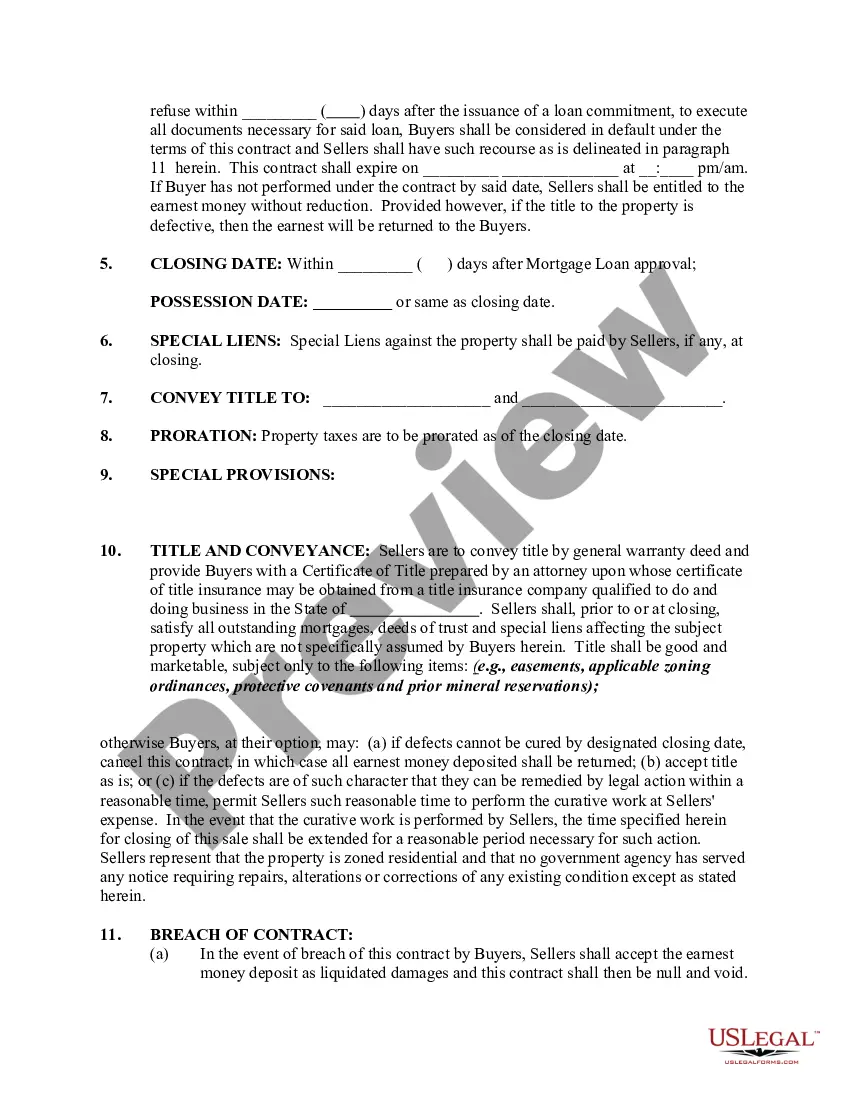
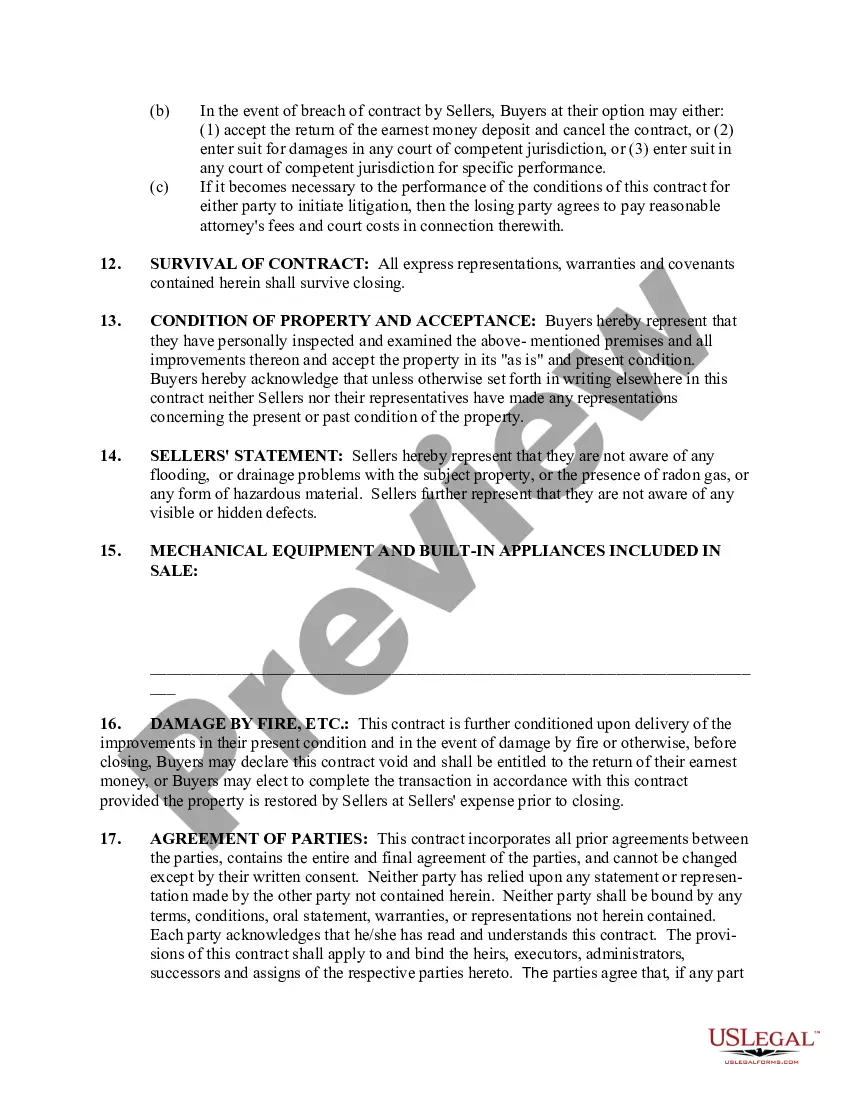
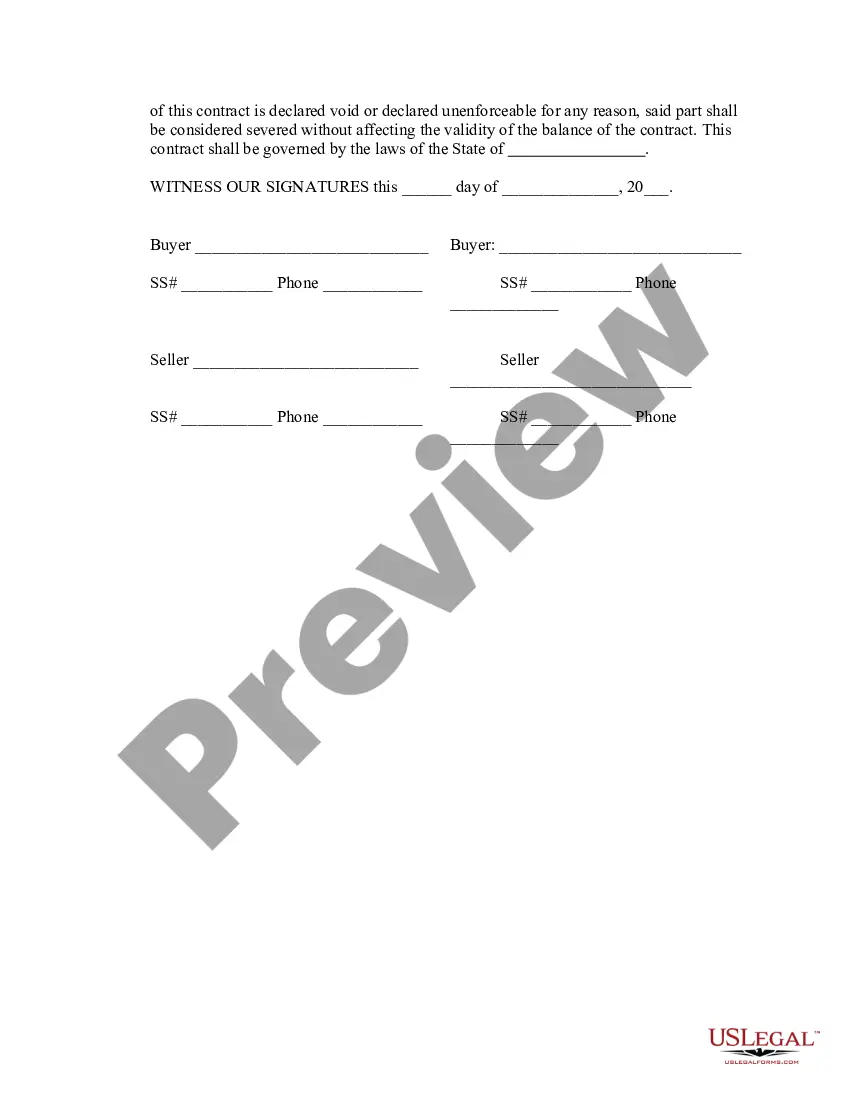
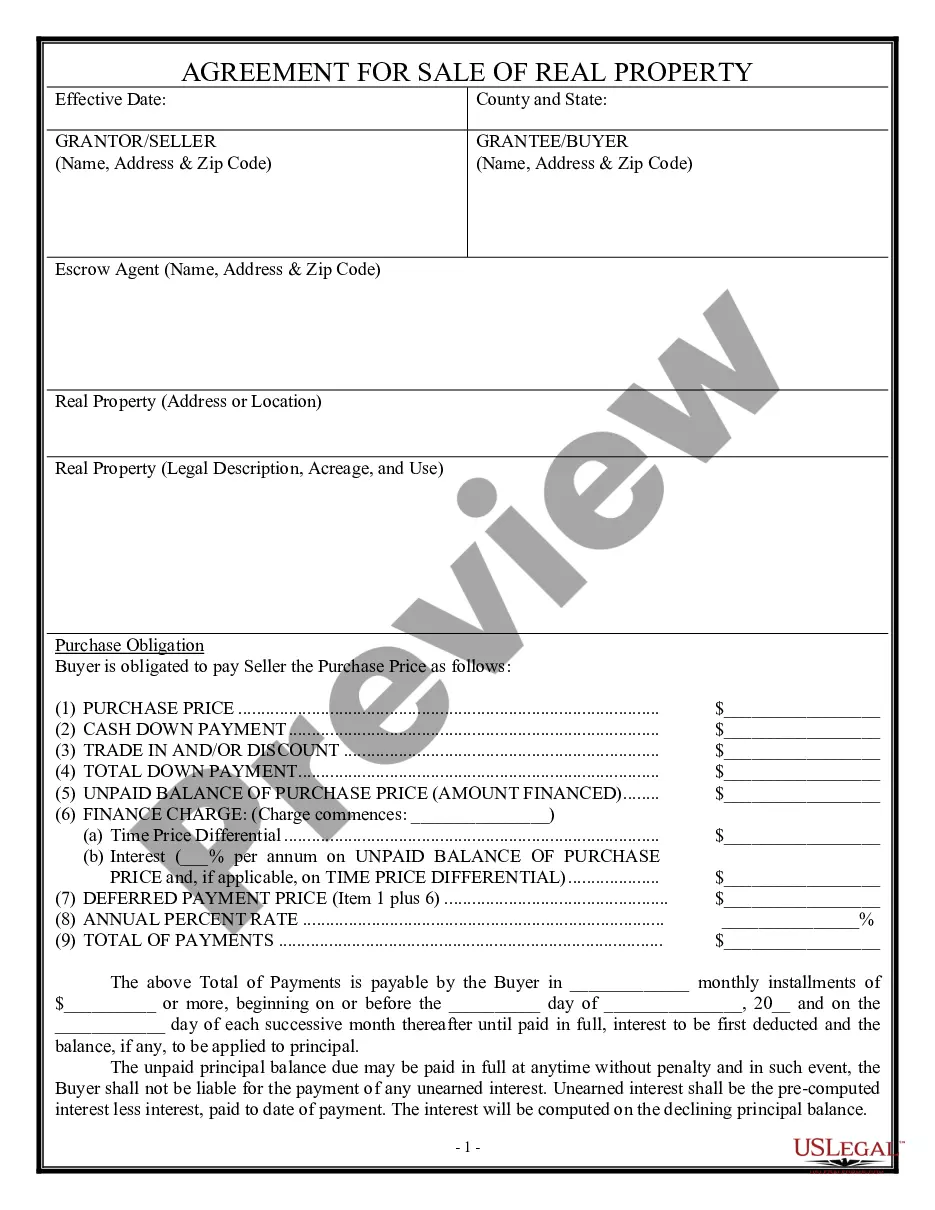
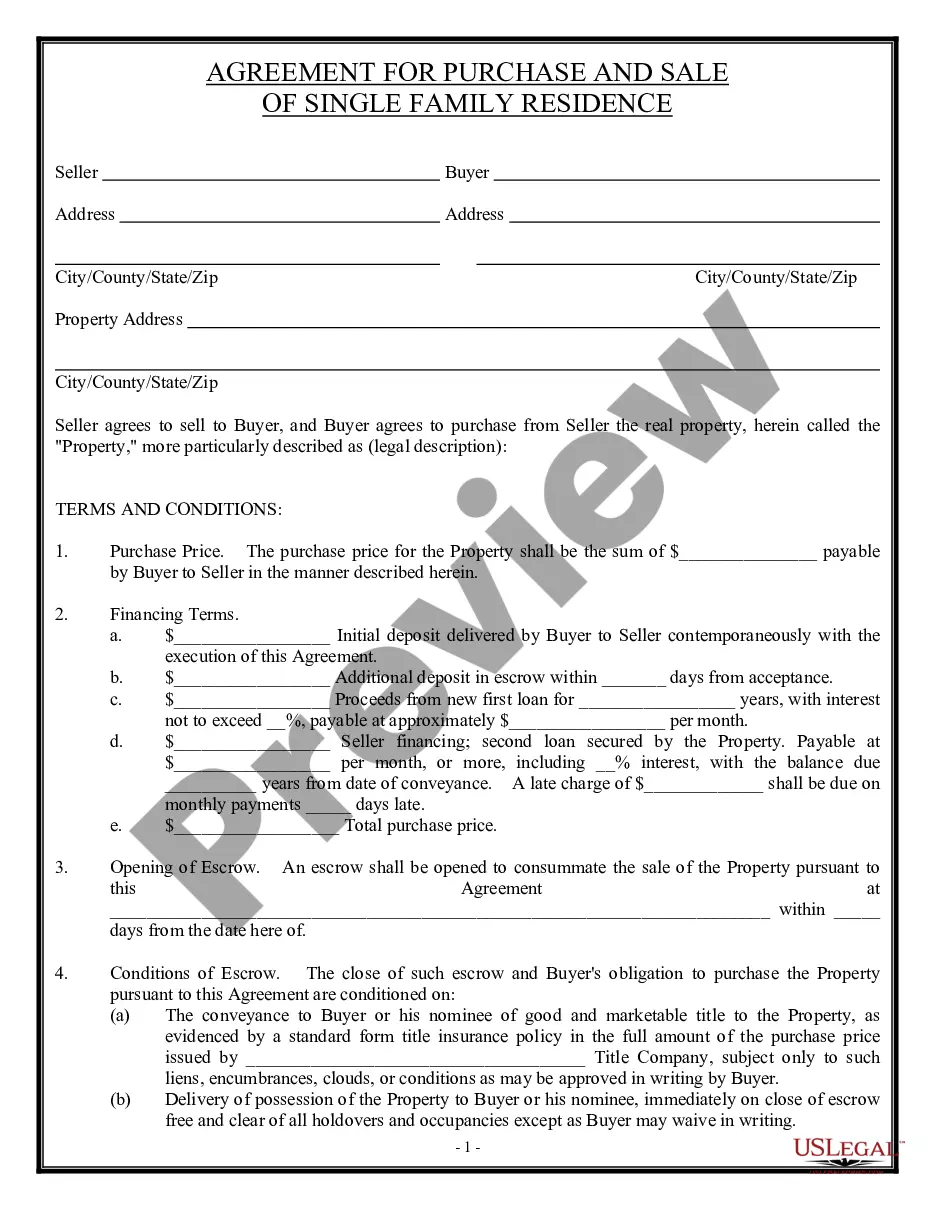
Get your form ready online
Our built-in tools help you complete, sign, share, and store your documents in one place.
Make edits, fill in missing information, and update formatting in US Legal Forms—just like you would in MS Word.
Download a copy, print it, send it by email, or mail it via USPS—whatever works best for your next step.
Sign and collect signatures with our SignNow integration. Send to multiple recipients, set reminders, and more. Go Premium to unlock E-Sign.
If this form requires notarization, complete it online through a secure video call—no need to meet a notary in person or wait for an appointment.
We protect your documents and personal data by following strict security and privacy standards.

Make edits, fill in missing information, and update formatting in US Legal Forms—just like you would in MS Word.

Download a copy, print it, send it by email, or mail it via USPS—whatever works best for your next step.

Sign and collect signatures with our SignNow integration. Send to multiple recipients, set reminders, and more. Go Premium to unlock E-Sign.

If this form requires notarization, complete it online through a secure video call—no need to meet a notary in person or wait for an appointment.

We protect your documents and personal data by following strict security and privacy standards.
Looking for another form?






Form popularity
FAQ
While Florida law does not mandate using an attorney to sell a residential dwelling, consulting a real estate attorney significantly impacts the outcome, so it is best not to go it alone. It can save you from the many pitfalls during the process and beyond.
The concept of homestead protection in Florida provides additional safeguards for primary residences. Under this protection, a spouse cannot sell or refinance a homestead property without the other spouse's consent, even if the property is only in one spouse's name.
In Lee County, FL, the Official Records Office of the Clerk of the Court and Comptroller can provide copies of deeds, liens, mortgages, easements, maps, and plats.
Identifying a lien If not known, verify owner of record by searching the owner name, address, or folio number of the property on the Property Appraiser's website. Check the property address for liens. Verify and obtain the lien information in the Clerk of Circuit Court Records.
If a person other than the owner attempts to sell the property, the transaction is considered illegal. This type of sale falls under fraudulent transactions and can be nullified under Philippine law. Even if the buyer was unaware that the seller was not the legitimate owner, the sale would still be void.
Online via an Official Records portal: Most Florida circuit clerk offices provide an Official Records Search portal on their websites, which interested persons can access to find liens on a property, including tax liens registered by taxing authorities.
In Florida, property is divided 50-50 if it is considered “marital property” – or property that was acquired by either spouse during the marriage.
The length of time you're married to your spouse can impact your divorce in Florida, but it won't guarantee that you get half of everything. While a judge will consider the length of marriage when determining how to divide your assets and if you or your spouse should receive alimony, every case is different.
Selling Assets Without Consent Can Be Considered Dissipation In Florida, “dissipation,” as covered under Florida Statute 61.075, happens when one spouse sells, spends damages, lends, or disposes of marital assets without the other spouse's knowledge or permission.
