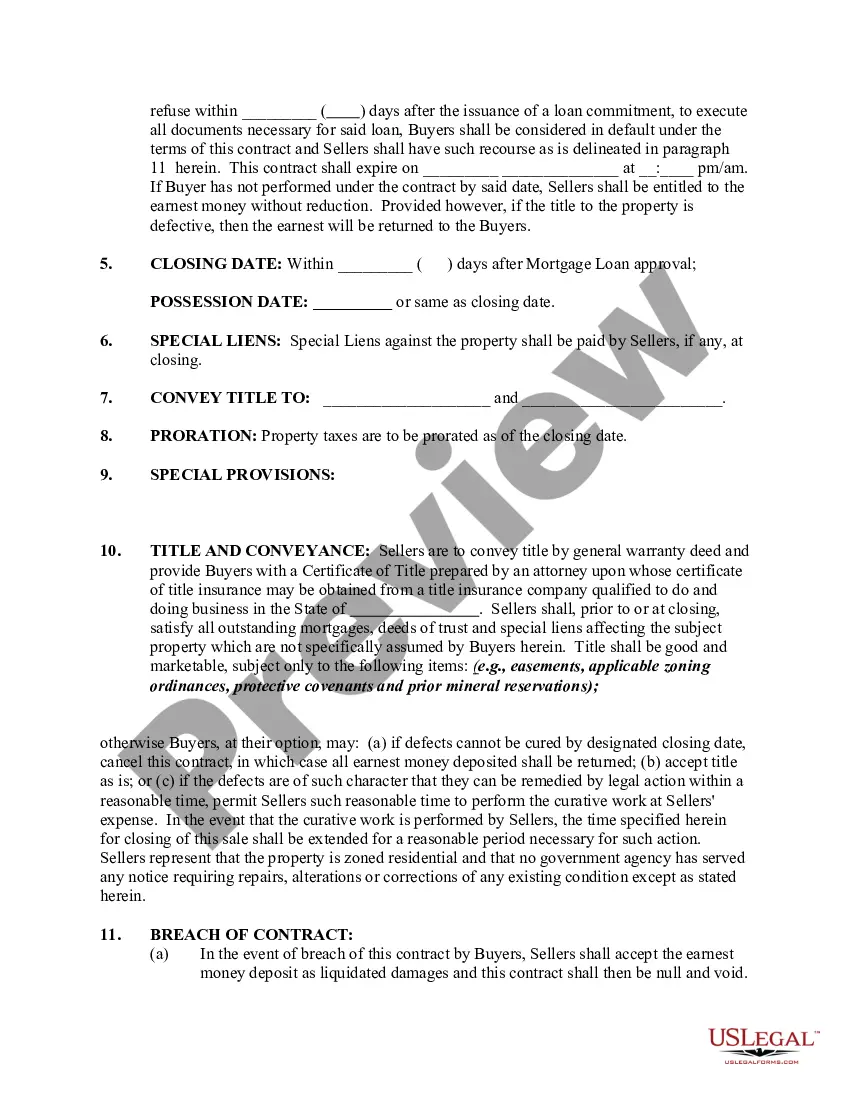
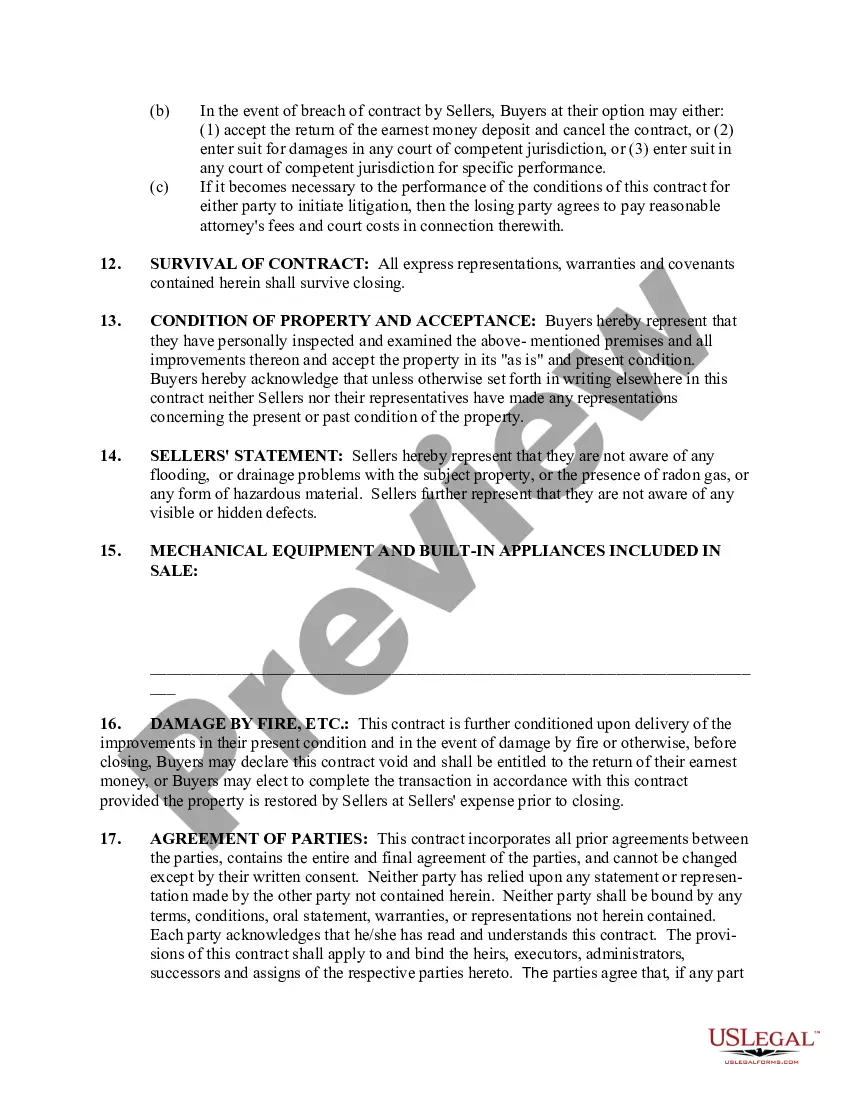
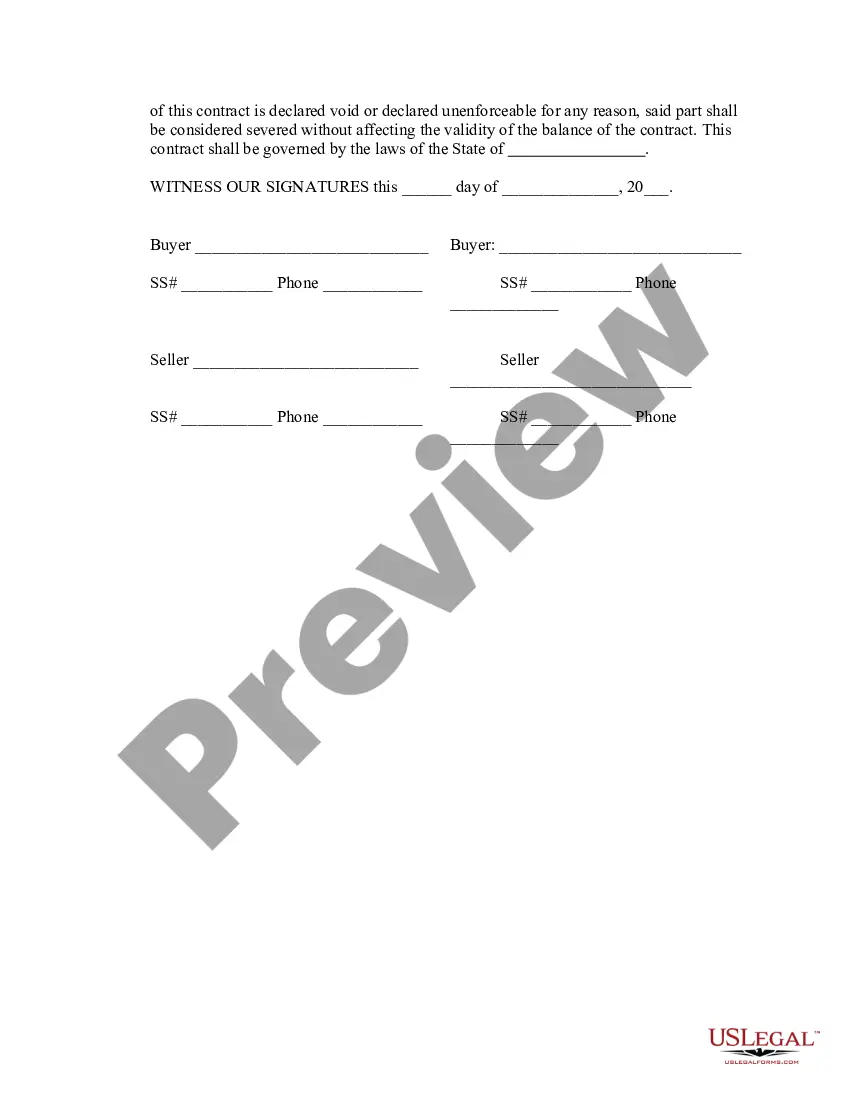
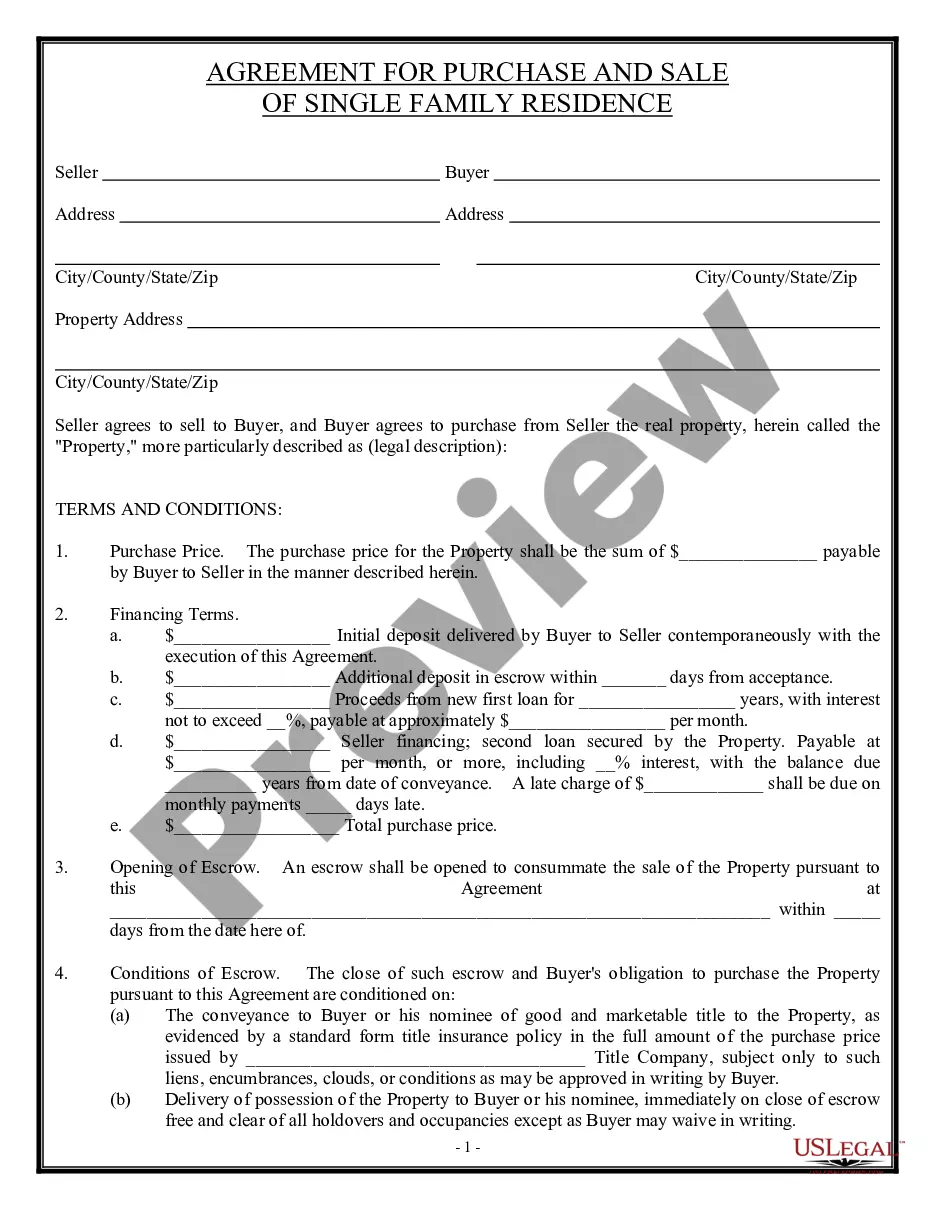
Closing Property Title With Mortgage In Harris
Description

Get your form ready online
Our built-in tools help you complete, sign, share, and store your documents in one place.
Make edits, fill in missing information, and update formatting in US Legal Forms—just like you would in MS Word.
Download a copy, print it, send it by email, or mail it via USPS—whatever works best for your next step.
Sign and collect signatures with our SignNow integration. Send to multiple recipients, set reminders, and more. Go Premium to unlock E-Sign.
If this form requires notarization, complete it online through a secure video call—no need to meet a notary in person or wait for an appointment.
We protect your documents and personal data by following strict security and privacy standards.

Make edits, fill in missing information, and update formatting in US Legal Forms—just like you would in MS Word.

Download a copy, print it, send it by email, or mail it via USPS—whatever works best for your next step.

Sign and collect signatures with our SignNow integration. Send to multiple recipients, set reminders, and more. Go Premium to unlock E-Sign.

If this form requires notarization, complete it online through a secure video call—no need to meet a notary in person or wait for an appointment.

We protect your documents and personal data by following strict security and privacy standards.
Looking for another form?










Form popularity
FAQ
A general warranty deed is the strongest deed because it offers the most protection. A quitclaim deed is usually the weakest deed because it offers the least amount of protection.
Transfers of real property must be in writing and notarized. Deeds should be recorded in the county where the property is located. To ensure a legal change to the property title, you'll want the services of an attorney. A qualified attorney will prepare and file the real estate transfer deed.
A major drawback of a contract for deed for buyers is that the seller retains the legal title to the property until the payment plan is completed. On one hand, this means that they're responsible for things like property taxes. On the other hand, the buyer lacks security and rights to their home.
Essential Deed Elements Legal capacity: The grantor must have the legal capacity to transfer the property, and the grantee must be capable of receiving the grant for the property.
When you own a home, the deed is the physical document that proves ownership. The title is the concept of legal ownership that the deed grants you. You can think of the deed as the document that transfers, or passes on, the title or the right to ownership. When you buy a home, you need both.
You may choose any title company you want; you don't have to use a company selected by a real estate agent, builder, or lender. Section 9 of the Real Estate Settlement Procedures Act (RESPA) prohibits sellers from conditioning the home sale on the use of a specific title insurance company.
Title – The legal right to ownership. Deed – The document transferring title from one party to another.
Go to the recorder's office or county clerk's office. You'll be able to get your deed and the satisfaction of mortgage. Those are the 2 docs you want.
Request paper copies of documents without the unofficial watermark in person at any Annex Location. by email to: Use our contact form and select 'Public Records' by mail to: Teneshia Hudspeth, Harris County Clerk. Attn: Public Records Department. P.O. Box 1525. Houston, TX. 77251. For Questions Call (713) 274-6390.
The short answer is: You, the homeowner, typically hold the deed to your house, even when you have a mortgage.
