Closing Any Property Without Permission In Harris
Description

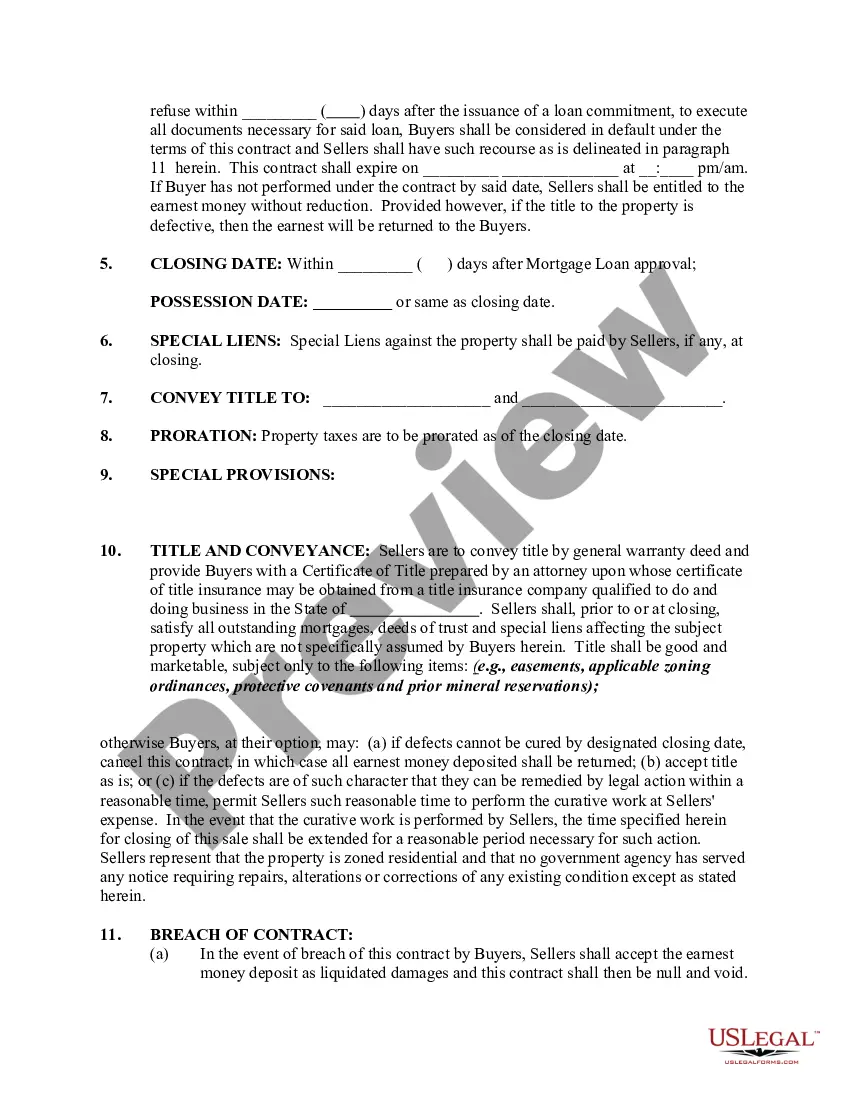
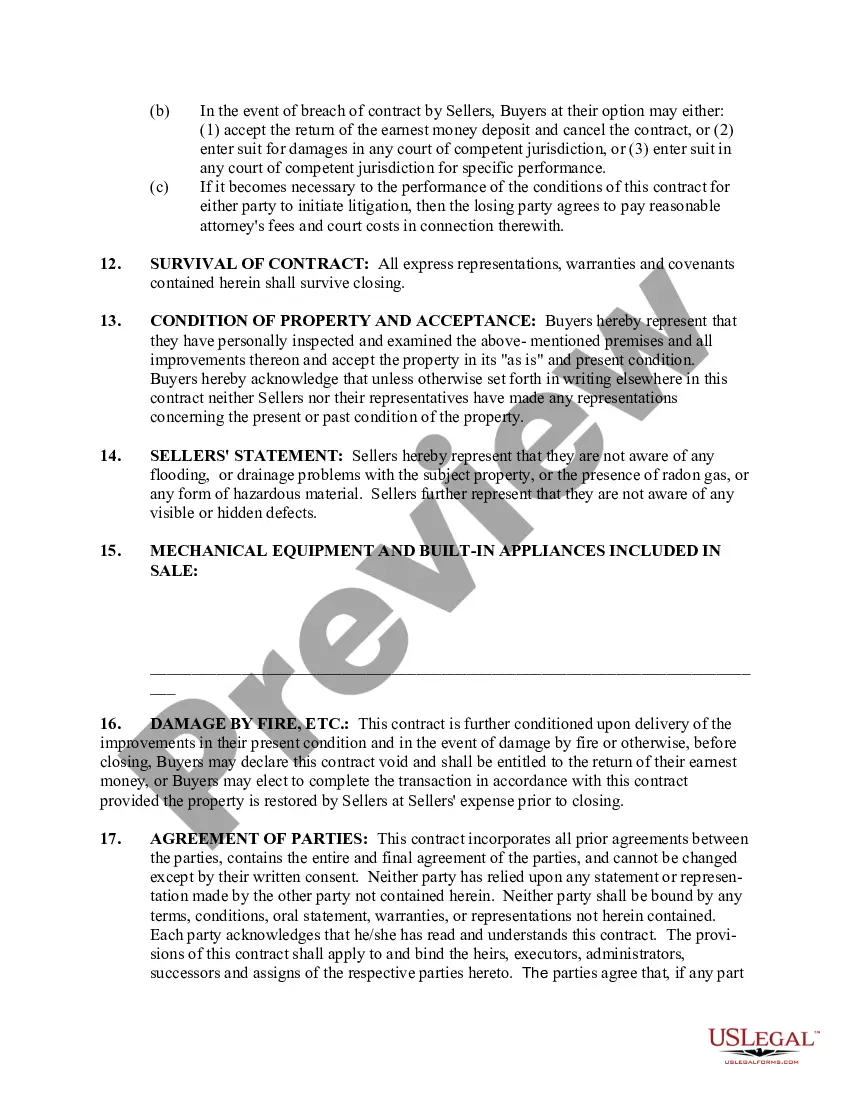

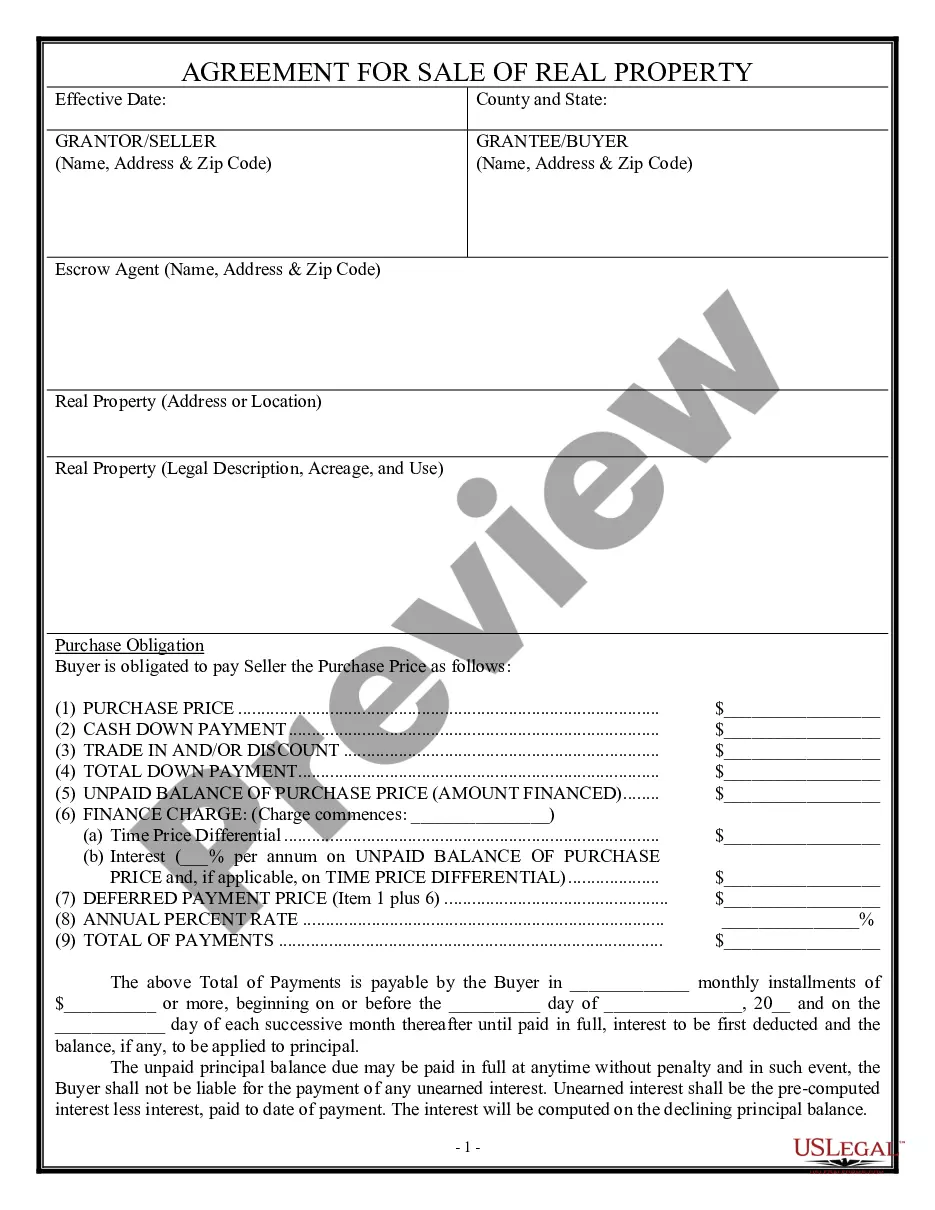
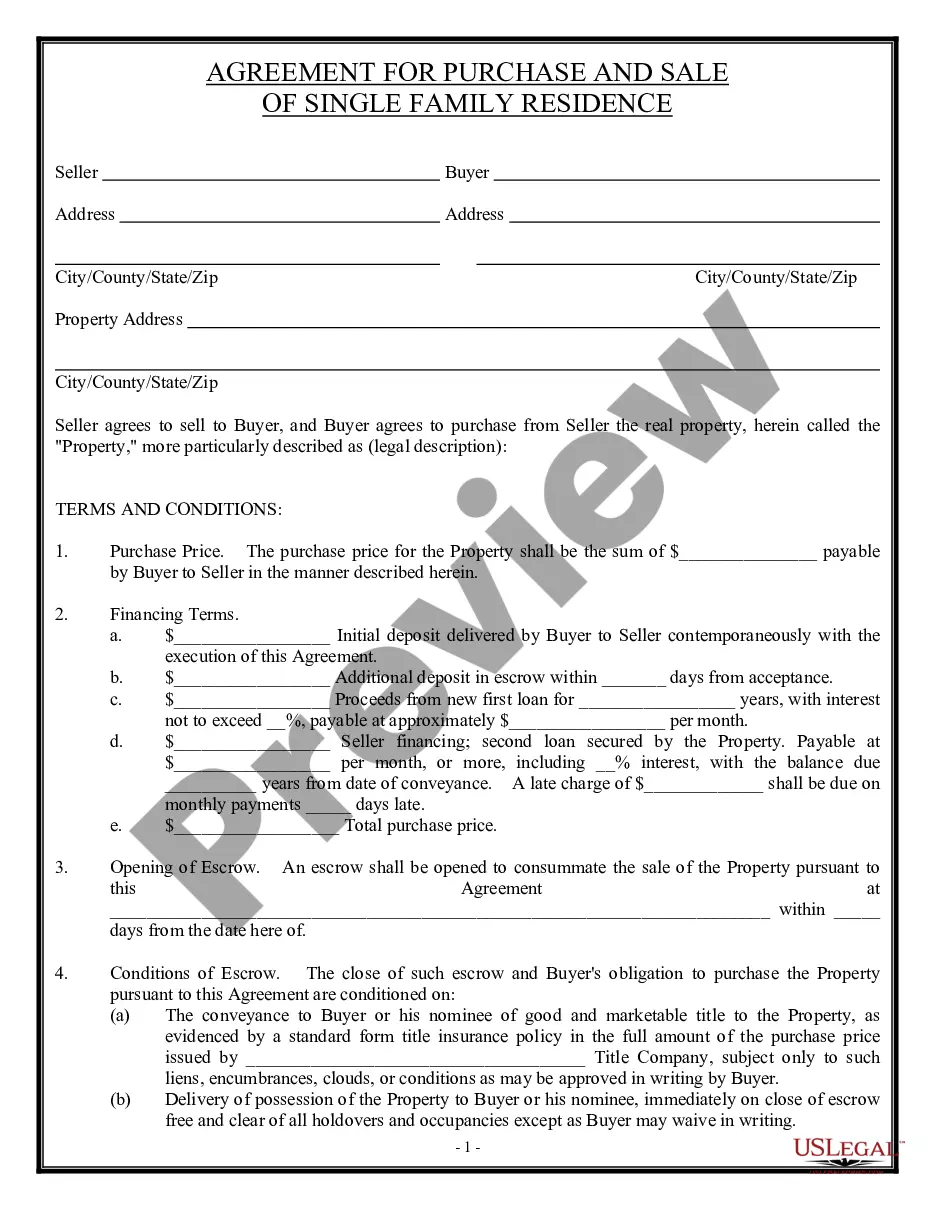
Get your form ready online
Our built-in tools help you complete, sign, share, and store your documents in one place.
Make edits, fill in missing information, and update formatting in US Legal Forms—just like you would in MS Word.
Download a copy, print it, send it by email, or mail it via USPS—whatever works best for your next step.
Sign and collect signatures with our SignNow integration. Send to multiple recipients, set reminders, and more. Go Premium to unlock E-Sign.
If this form requires notarization, complete it online through a secure video call—no need to meet a notary in person or wait for an appointment.
We protect your documents and personal data by following strict security and privacy standards.

Make edits, fill in missing information, and update formatting in US Legal Forms—just like you would in MS Word.

Download a copy, print it, send it by email, or mail it via USPS—whatever works best for your next step.

Sign and collect signatures with our SignNow integration. Send to multiple recipients, set reminders, and more. Go Premium to unlock E-Sign.

If this form requires notarization, complete it online through a secure video call—no need to meet a notary in person or wait for an appointment.

We protect your documents and personal data by following strict security and privacy standards.
Looking for another form?

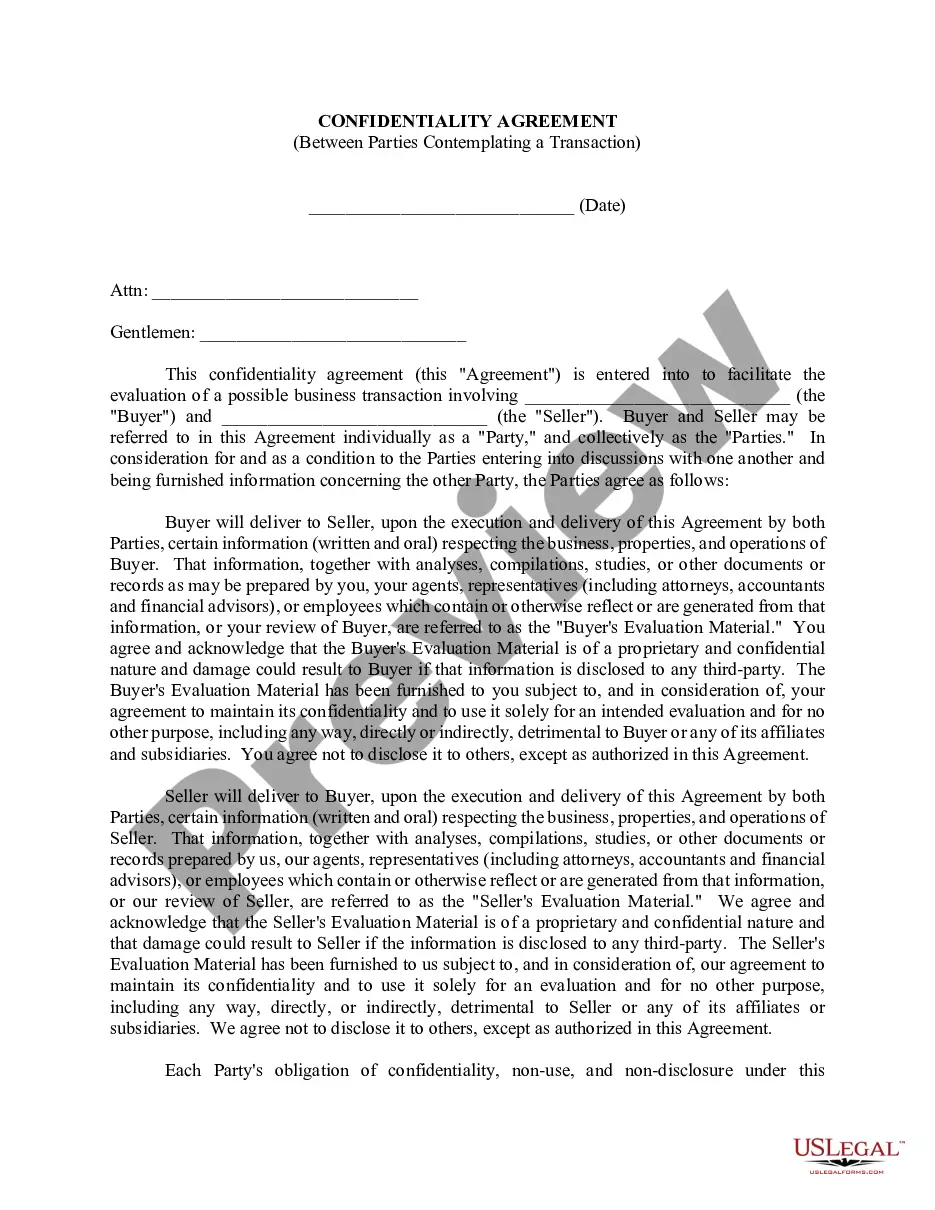

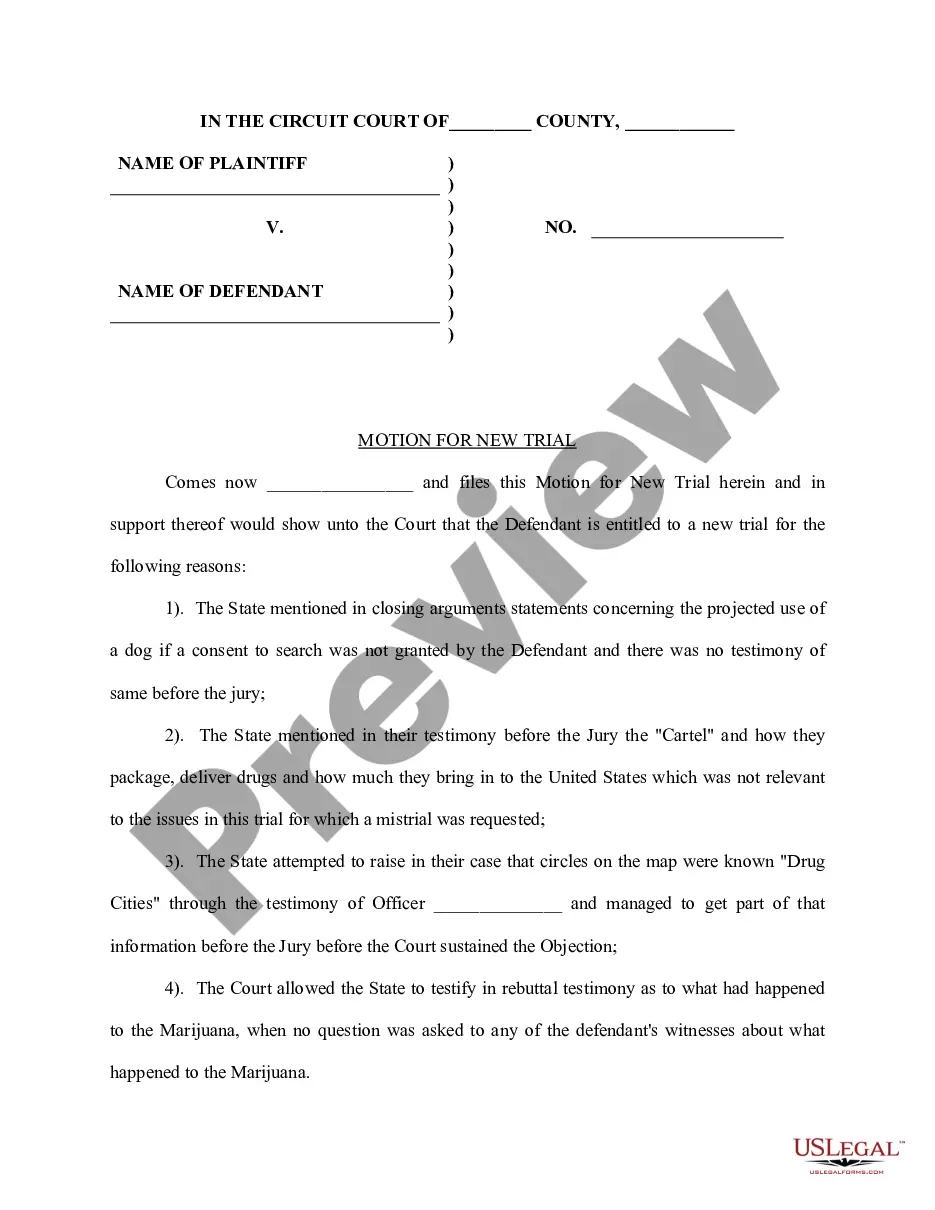

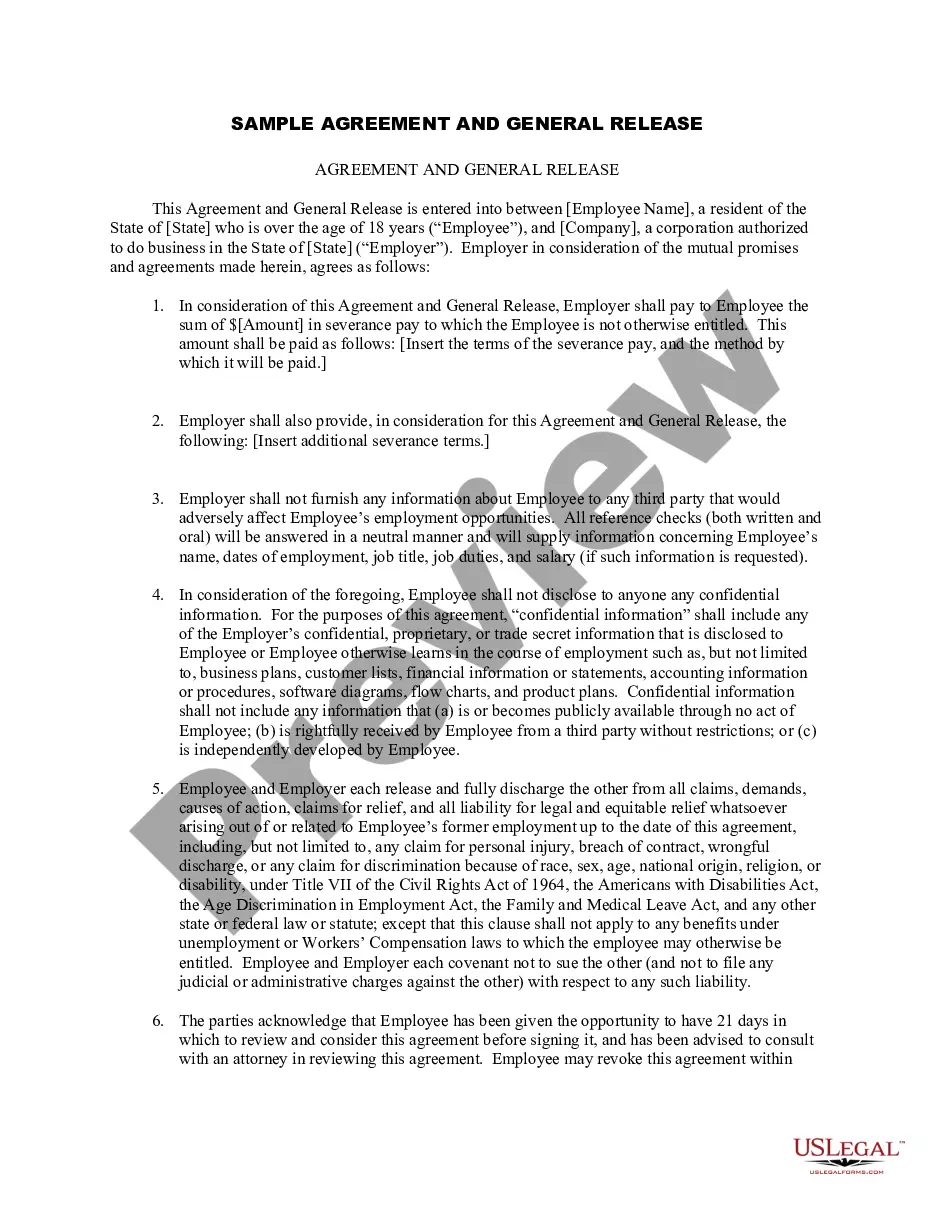

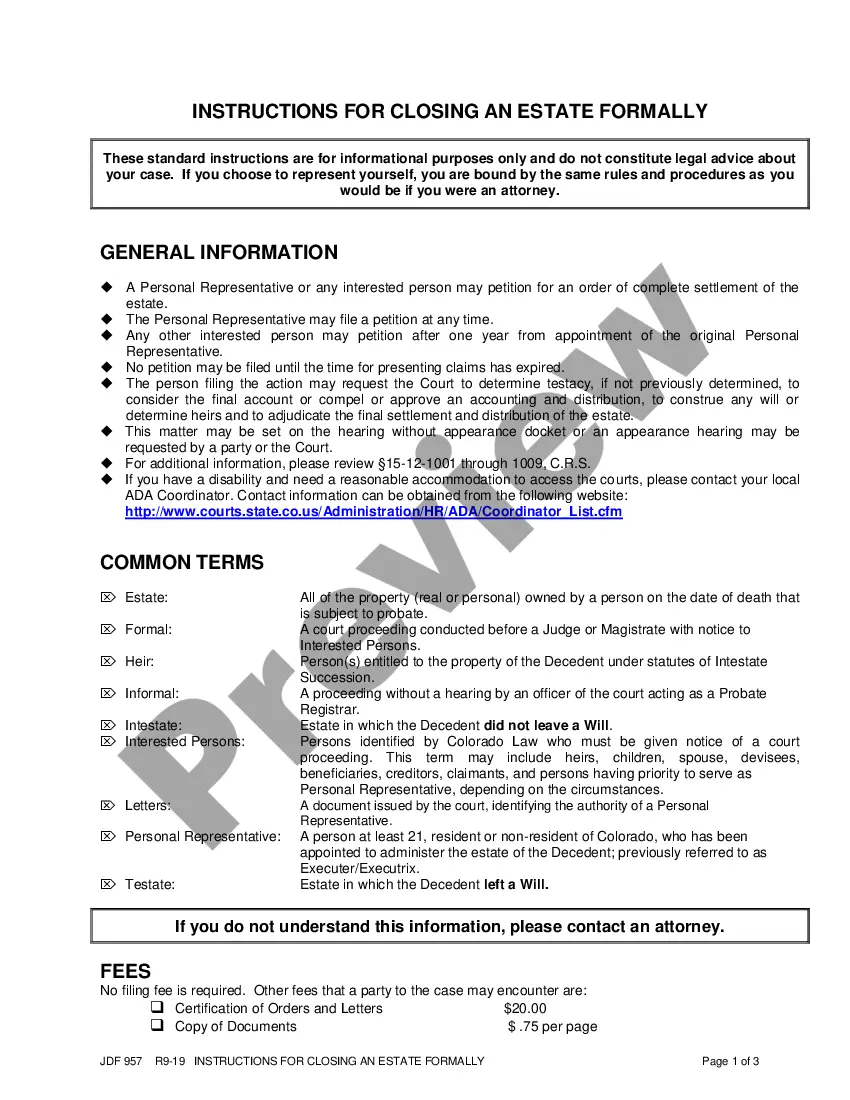


Form popularity
FAQ
You may say, ``I've enjoyed having you here, but I have some things I need to take care of right now.'' Let's plan to meet up again soon!'' It's nice and lets them know you're ready to relax without being overly direct.
Yes, you can ask them to leave your property unless they have a search warrant for the premises or an arrest warrant for someone residing there.
Fencing: a sturdy fence around your property to create a physical barrier. Landscaping: Use t bushes or dense shrubs to make it less inviting for individuals to linger. Motion-Activated Lights: bright lights that activate when someone approaches your property.
You are usually not required to give a guest a 30-day notice, no matter how long that person has lived in your home. Most of the time, you can sue to evict a guest as soon as you have asked the person to leave and they have refused to move out.
Trespassing is the act of entering private property or land without the owner's permission. Depending on local laws, trespassing can have both criminal and civil consequences. You, as an owner, could take legal action against the trespasser.
Theft is a crime that sometimes goes by the title "larceny." In general, theft occurs when someone takes and carries away someone else's property without permission and with the intent to permanently deprive the owner of it.
What Is “Phrogging”? “Phrogging” (pronounced like “frogging”) is when someone secretly lives in another person's home without their knowledge. The name comes from the idea of leapfrog, with the intruder hopping from place to place like a frog—whether that be someone's basement or attic or crawlspace.
In short, you cannot remove someone from a deed without their knowledge and express consent. Doing so without their consent can typically only be done through fraud or forgery, which is illegal. Further, an illegally-recorded deed is void and can easily be disputed and set aside by a court.
However, the most important documents in real estate are offers, agreements, and contracts between the buyer and seller.
Until a writ of possession is issued, the tenant can remain in their home. Step 1: Written Notice to Vacate. Unless the lease agreement says otherwise, the landlord must give the tenant at least 3 days to move out. Step 2: Filing of Eviction Suit. Step 3: Judgment. Step 4 (optional): Appeal. Step 5: Writ of Possession.
