Closing Any Property Without Permission In California
Description

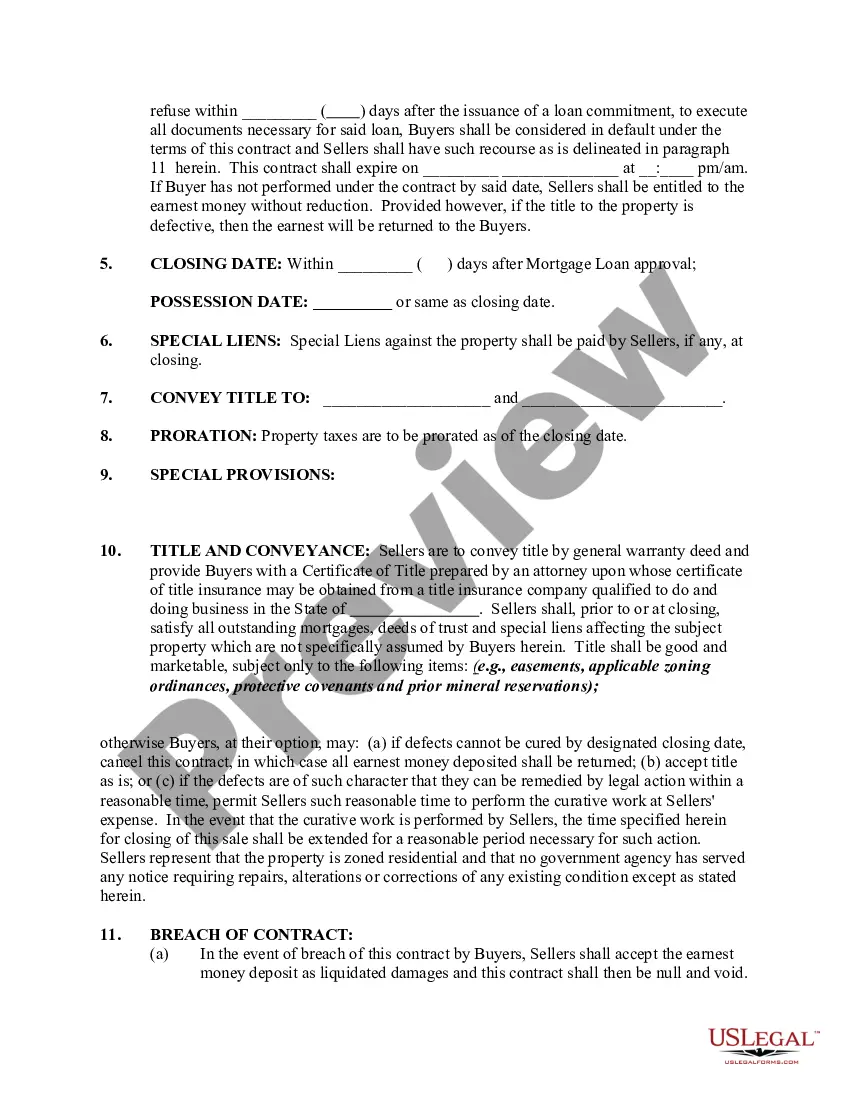
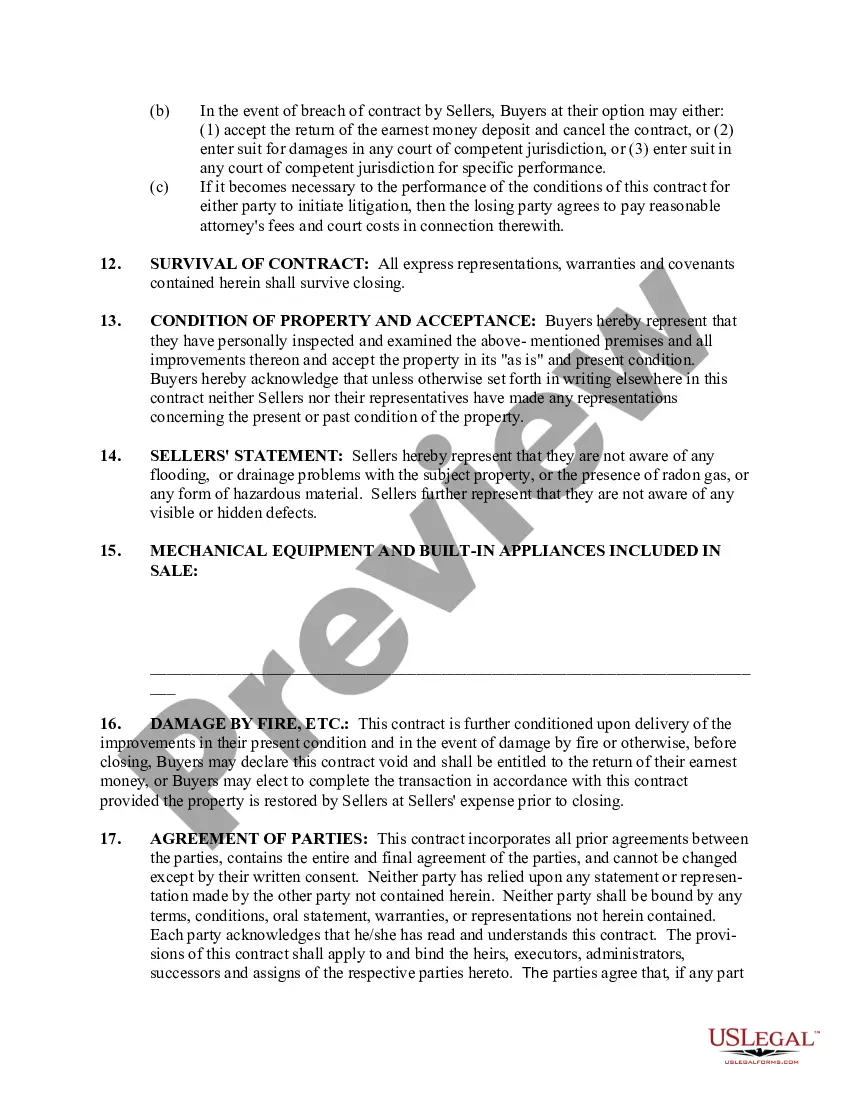
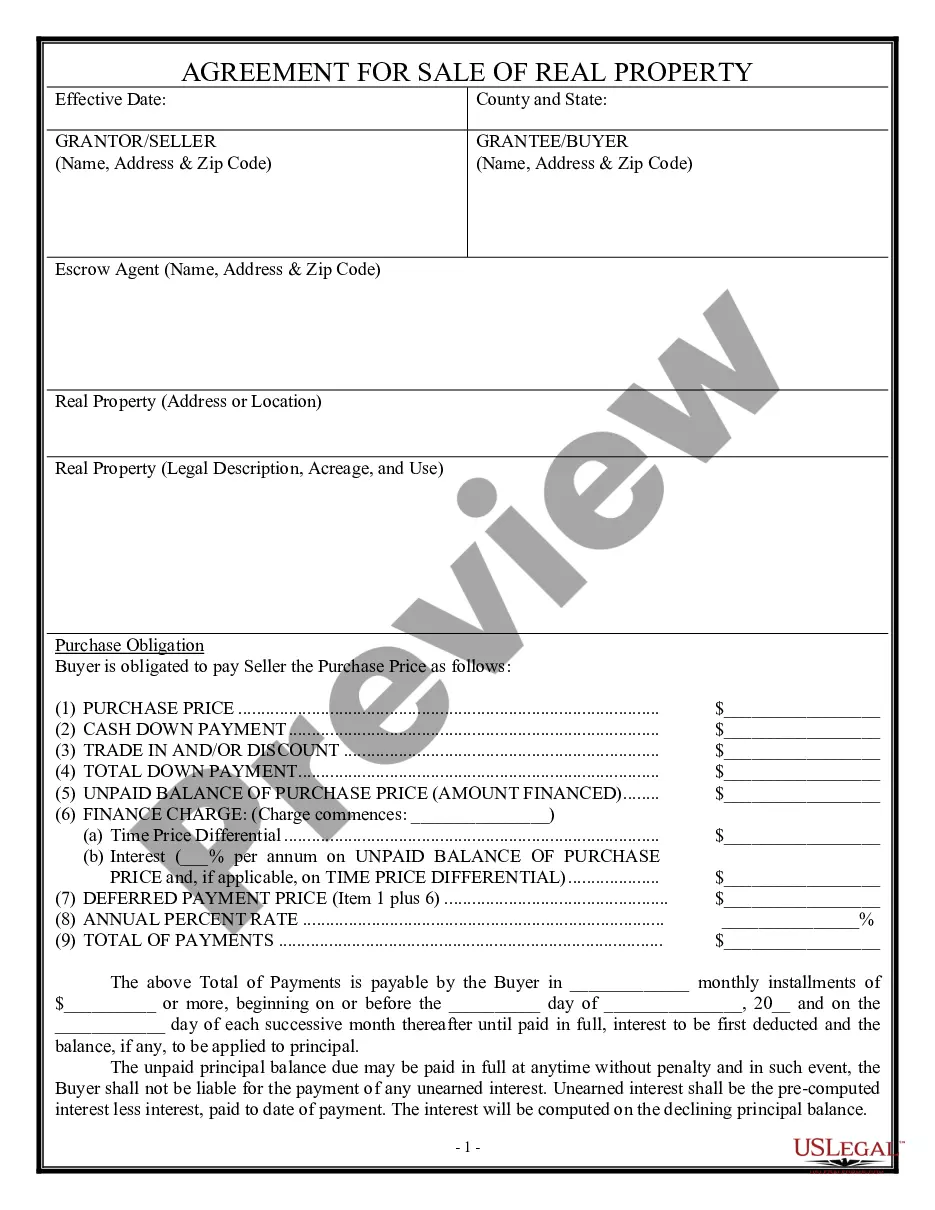
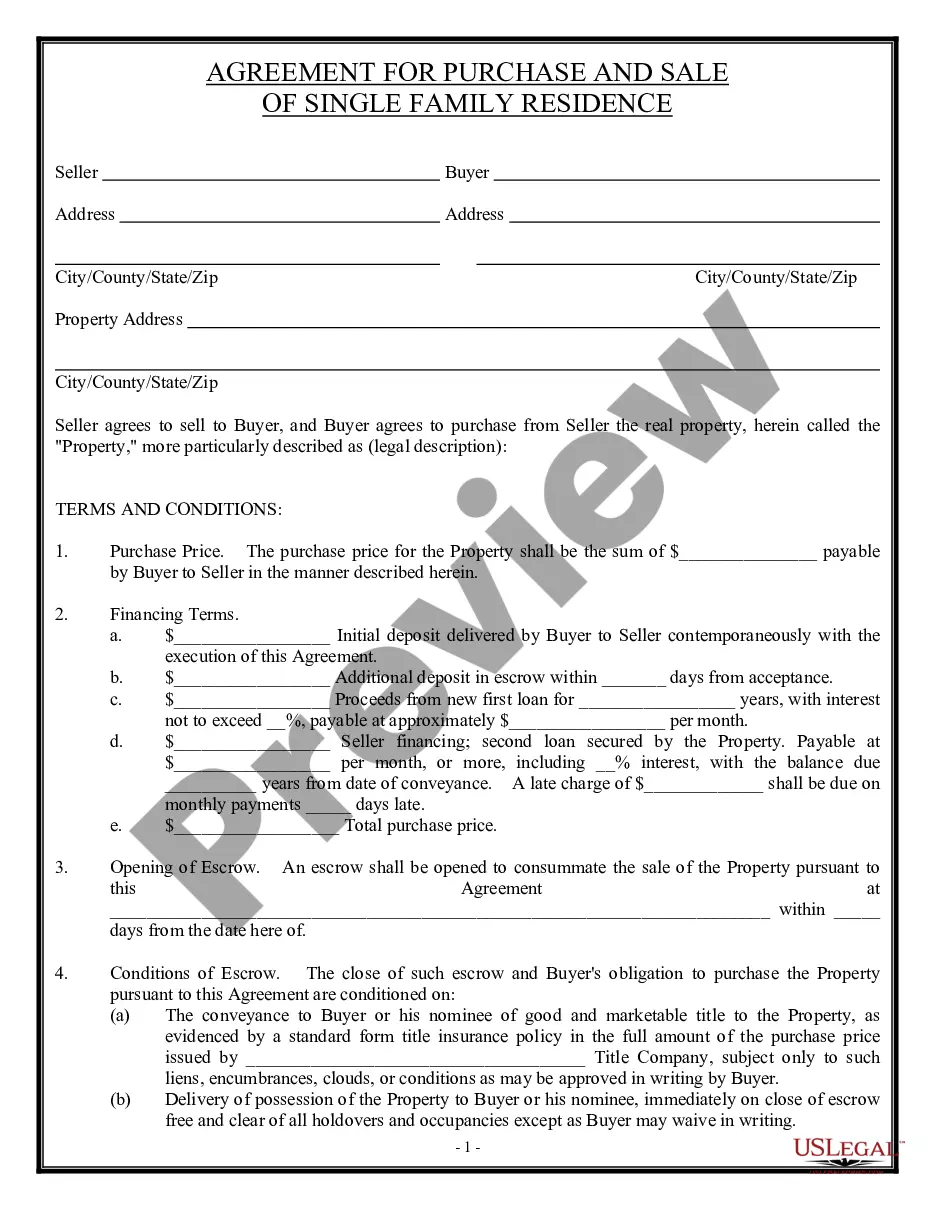
Get your form ready online
Our built-in tools help you complete, sign, share, and store your documents in one place.
Make edits, fill in missing information, and update formatting in US Legal Forms—just like you would in MS Word.
Download a copy, print it, send it by email, or mail it via USPS—whatever works best for your next step.
Sign and collect signatures with our SignNow integration. Send to multiple recipients, set reminders, and more. Go Premium to unlock E-Sign.
If this form requires notarization, complete it online through a secure video call—no need to meet a notary in person or wait for an appointment.
We protect your documents and personal data by following strict security and privacy standards.

Make edits, fill in missing information, and update formatting in US Legal Forms—just like you would in MS Word.

Download a copy, print it, send it by email, or mail it via USPS—whatever works best for your next step.

Sign and collect signatures with our SignNow integration. Send to multiple recipients, set reminders, and more. Go Premium to unlock E-Sign.

If this form requires notarization, complete it online through a secure video call—no need to meet a notary in person or wait for an appointment.

We protect your documents and personal data by following strict security and privacy standards.
Looking for another form?
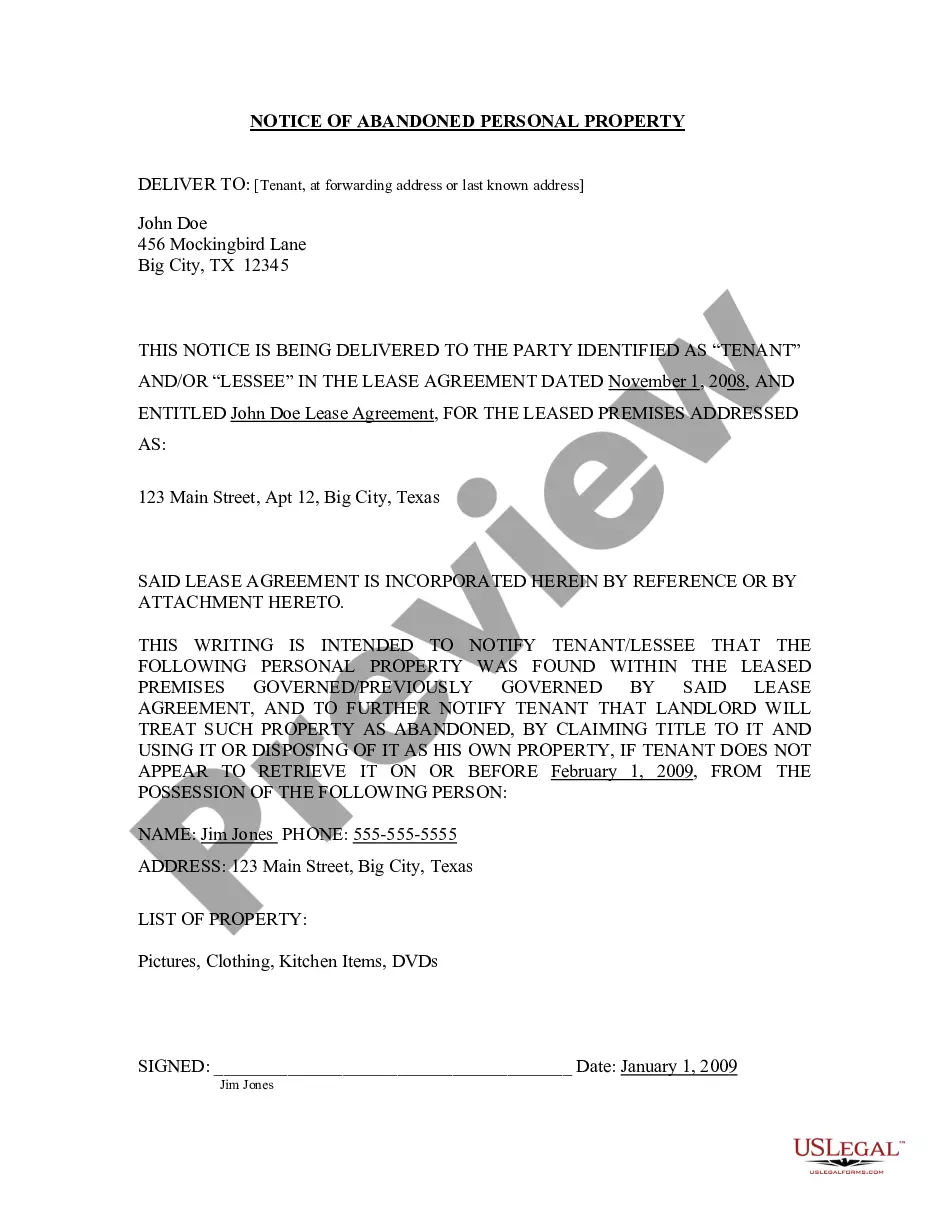
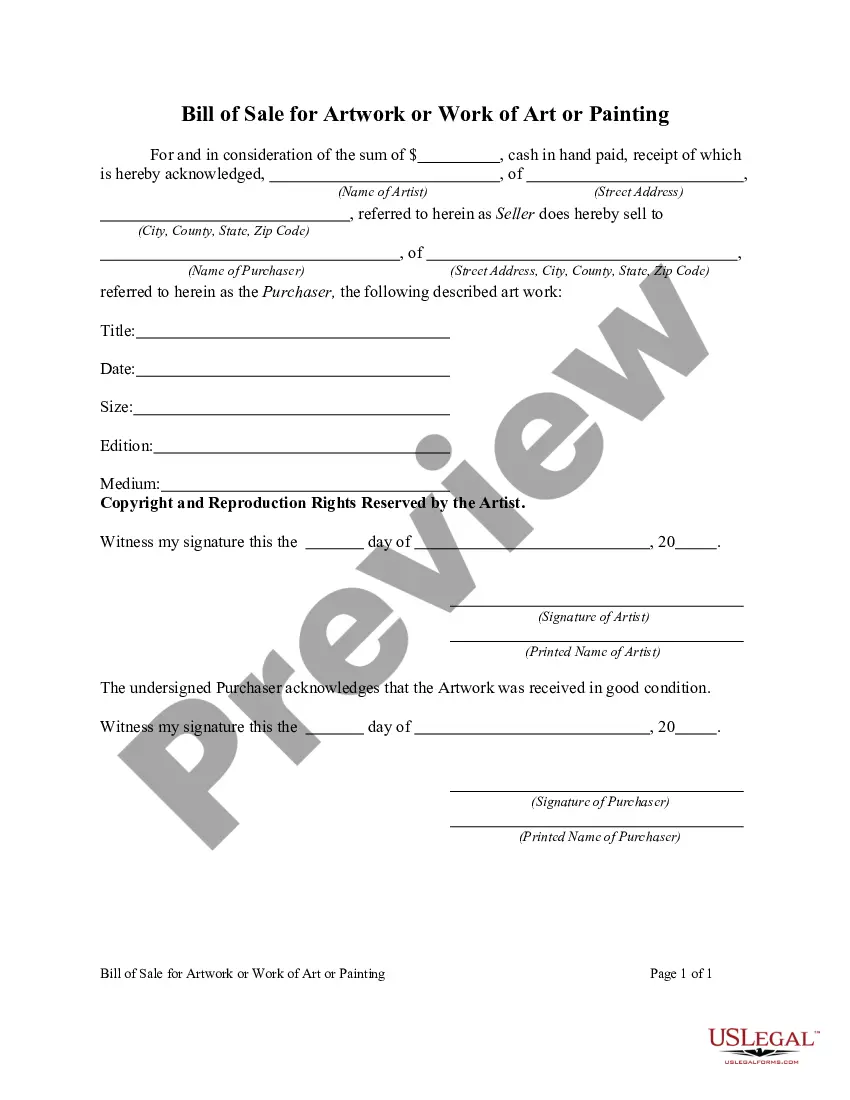

Form popularity
FAQ
Finally, there is a one-year statute of limitations. The statute of limitations for collecting debts in California is four years, but after the debtor passes away, there is a one-year limitation for collection efforts. This limitation will even apply if the deceased ran up massive medical debts before passing away.
How to handle creditors in California during probate. After your loved one dies, you will need to inform creditors of their death. From there, creditors have a time limit to submit claims and you will have to respond within a certain time frame. Overall in California, creditors have only one year to collect on a debt.
If you are named as a beneficiary, you should be able to transfer the property to yourself without going to probate court.
When a person dies, creditors can hold their estate and/or trust responsible for paying their outstanding debts. Similarly, creditors may be able to collect payment for the outstanding debts of beneficiaries from the distributions they receive from the trustee or executor/administrator.
Generally, in California creditors of a decedent's estate have up to one year (365 days) from the decedent's death to file a timely creditor claim. The claim must be filed inside an open probate court proceeding.
What must I do to close the estate? The Personal Representative must file a final account, report and petition for final distribution, have the petition set for hearing, give notice of the hearing to interested persons, and obtain a court order approving the final distribution.
Debt collectors may not be able to sue you to collect on old (time-barred) debts, but they may still try to collect on those debts. In California, there is generally a four-year limit for filing a lawsuit to collect a debt based on a written agreement.
A property owner in California enjoys a number of rights collectively known as the “bundle of rights.” These five rights associated with owning real property are: (1) possession; (2) control; (3) exclusion; (4) enjoyment and (5) disposition.
California Civil Code §1954 places limitations on a landlord's right to enter your apartment. One of the reasons a landlord can enter is to show your home to a prospective buyer. While tenants are generally required to allow viewings, they also have rights to privacy and peaceful enjoyment of their rental unit.
If the seller intentionally leaves personal property behind, it could be considered “abandoned.” That means you now own all that stuff, and you're on the hook for cleaning it out.
