Closing Any Property Within The State In California
Description

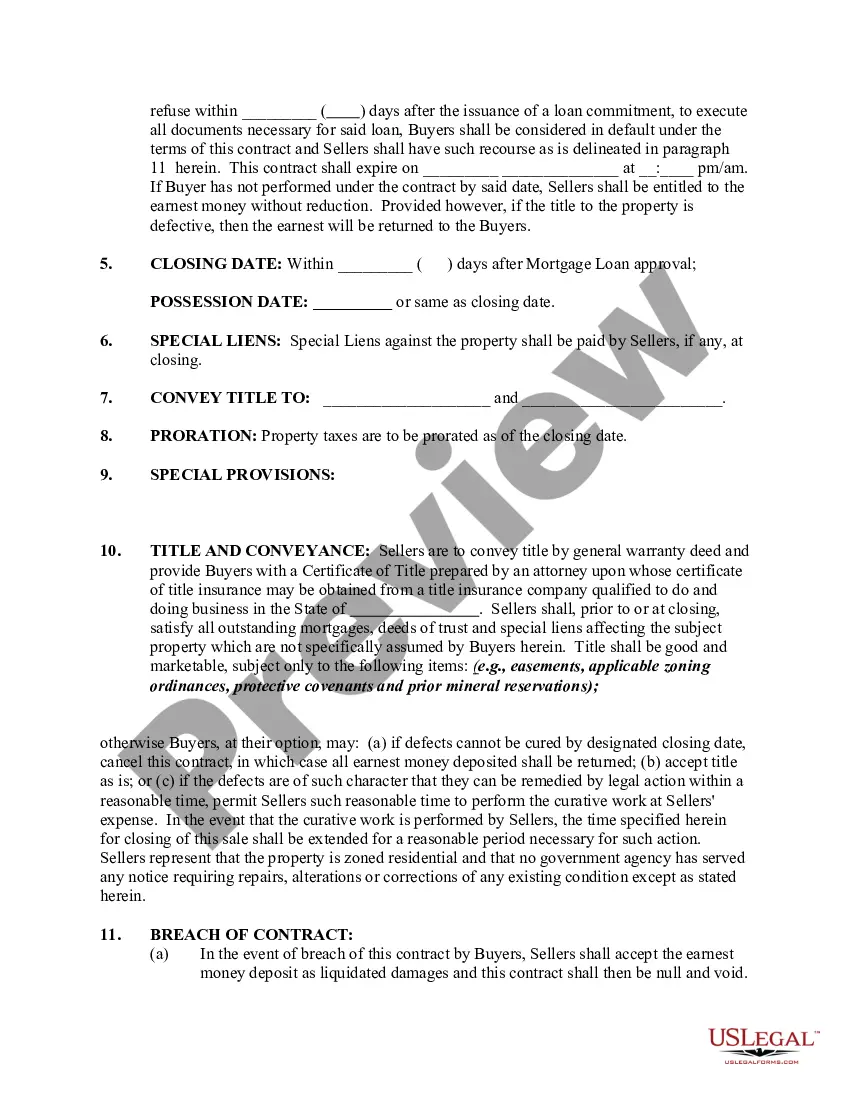
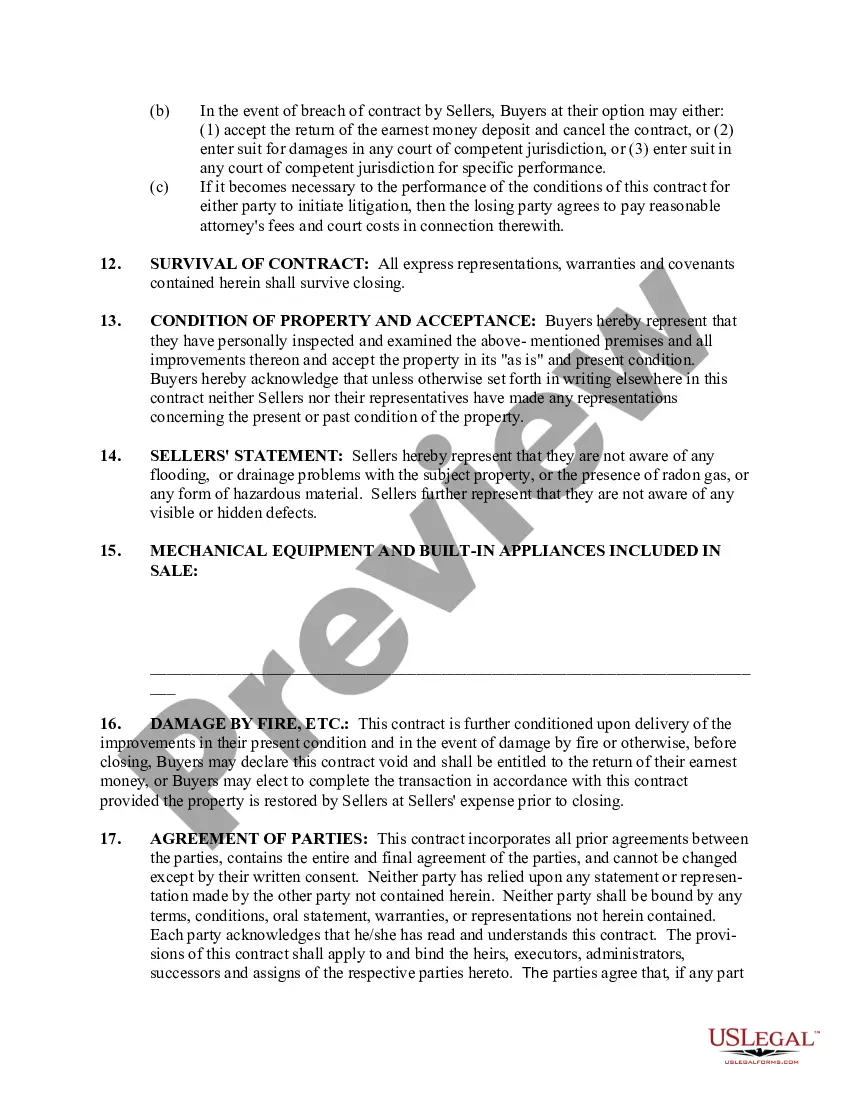
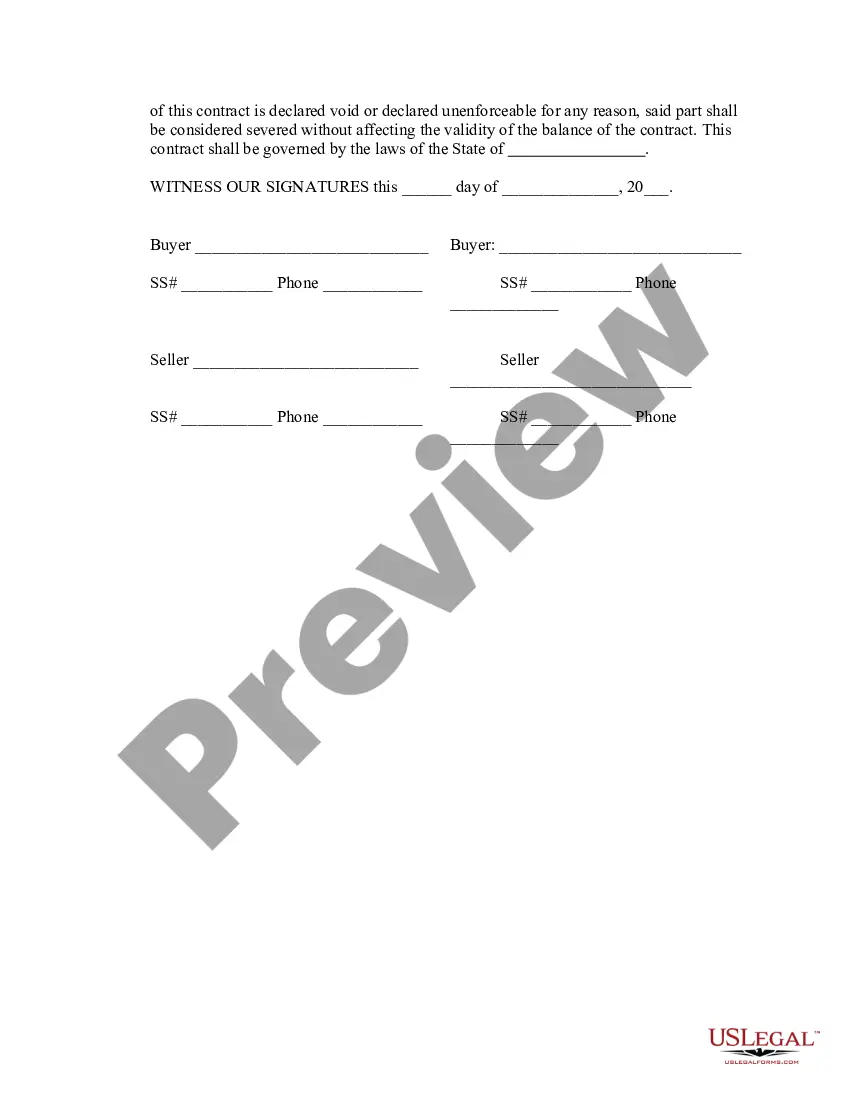
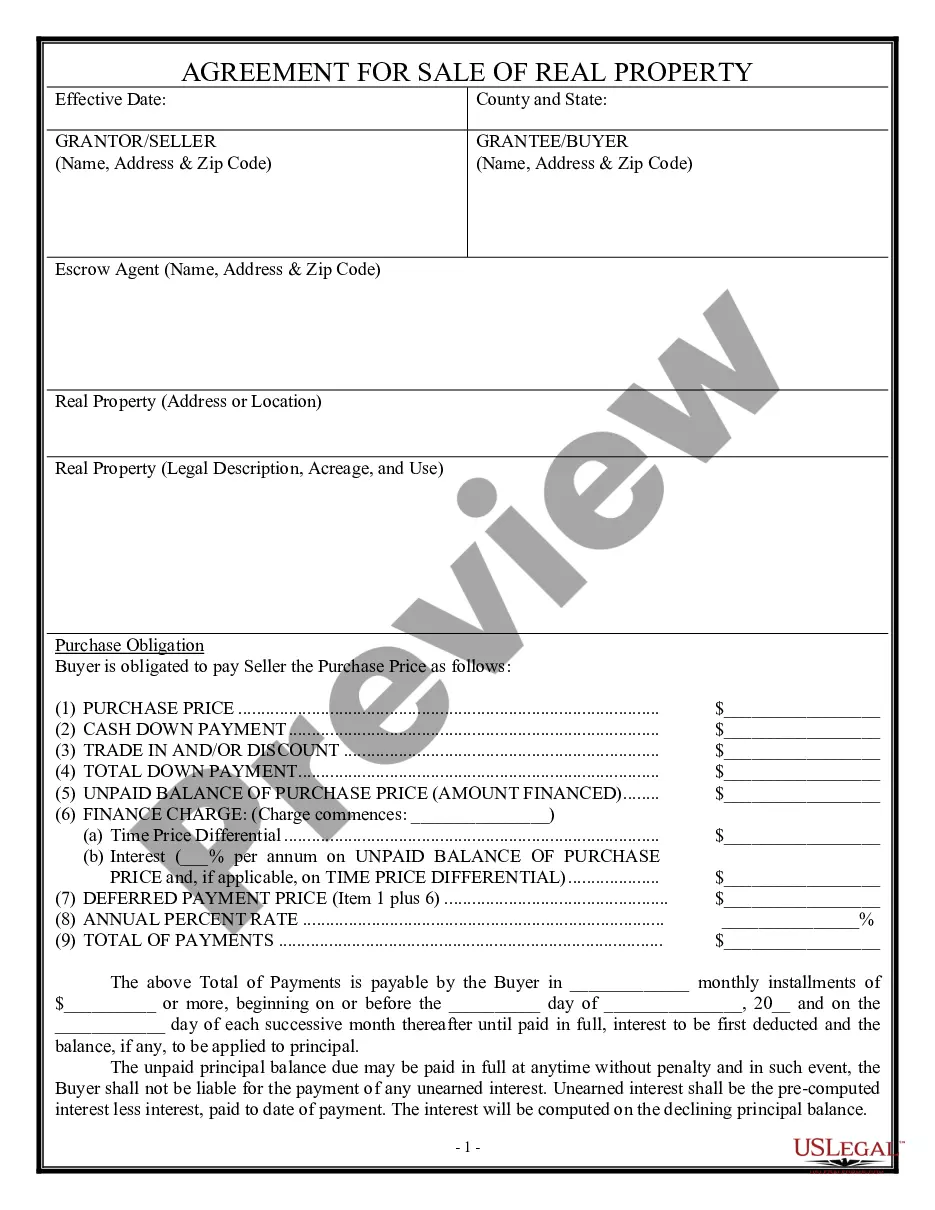
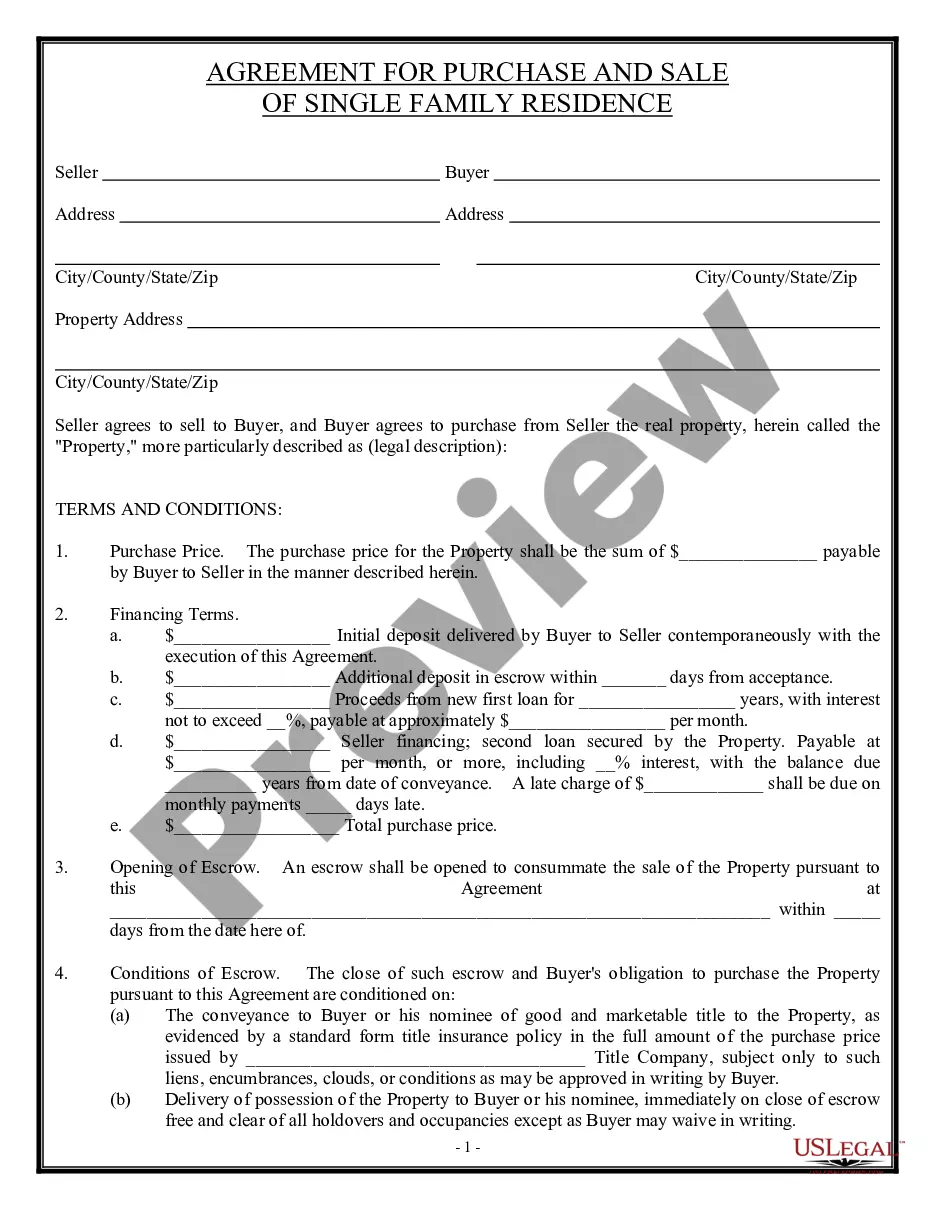
Get your form ready online
Our built-in tools help you complete, sign, share, and store your documents in one place.
Make edits, fill in missing information, and update formatting in US Legal Forms—just like you would in MS Word.
Download a copy, print it, send it by email, or mail it via USPS—whatever works best for your next step.
Sign and collect signatures with our SignNow integration. Send to multiple recipients, set reminders, and more. Go Premium to unlock E-Sign.
If this form requires notarization, complete it online through a secure video call—no need to meet a notary in person or wait for an appointment.
We protect your documents and personal data by following strict security and privacy standards.

Make edits, fill in missing information, and update formatting in US Legal Forms—just like you would in MS Word.

Download a copy, print it, send it by email, or mail it via USPS—whatever works best for your next step.

Sign and collect signatures with our SignNow integration. Send to multiple recipients, set reminders, and more. Go Premium to unlock E-Sign.

If this form requires notarization, complete it online through a secure video call—no need to meet a notary in person or wait for an appointment.

We protect your documents and personal data by following strict security and privacy standards.
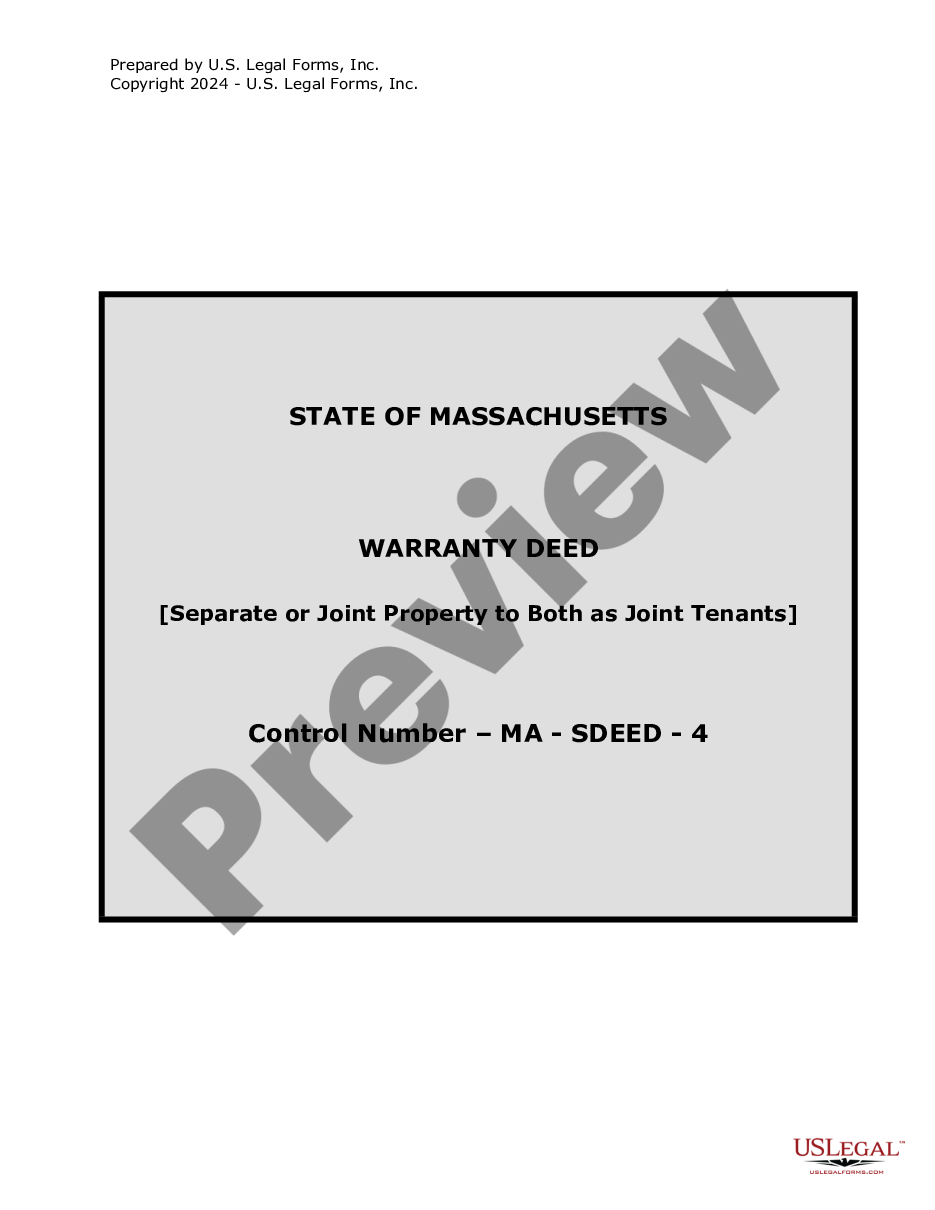
Looking for another form?






Form popularity
FAQ
How long does probate take? California law says the personal representative must complete probate within one year from the date of appointment, unless s/he files a federal estate tax. In this case, the personal representative can have 18 months to complete probate.
California generally requires for the executor to distribute assets within a year of being appointed, although there are many circumstances that can cause the executor to require more time, which they may be able to get by requesting an extension from the court.
In some cases, the probate process in California can take as little as nine months, but that is rare. It typically takes anywhere from half a year to eighteen months, and complicated cases may take as long as two years or more.
What must I do to close the estate? The Personal Representative must file a final account, report and petition for final distribution, have the petition set for hearing, give notice of the hearing to interested persons, and obtain a court order approving the final distribution.
The time it takes to settle an estate can vary depending on several factors, including the availability of the executor, the complexity of assets, and disputes between beneficiaries. Experts say that settling an estate can take six months to several years, depending on prior planning and simplicity of the assets.
In California, both parties sign their respective closing statements prior to the actual close date. Usually two, three days before we close the parties sign their closing documents. Then when it comes to closing the actual escrow, in California it's the title company that records the deed.
You Need Not Hire an Attorney, Although You Might Want To While some states require that an each party to a real estate transaction retain a lawyer to represent their interests at the closing, California does not.
How Long Does An Executor Have To Sell Property In California? In the Golden State, there's no hard and fast deadline for an executor to sell a property. However, they do need to keep things moving along with the estate's timely administration.
An order for final distribution in California probate is conclusive to the rights of heirs and devisees in a decedent's estate. The order also releases the personal representative from claims by heirs and devisees, unless, of course, there is fraud or misrepresentation present.
Not all estates need to go through formal probate. Depending on how the property is owned, and the type and amount of property, you may not need to go to court or you may be able to use a simpler court process.
