Closing Any Property Without Permission In Bronx
Description

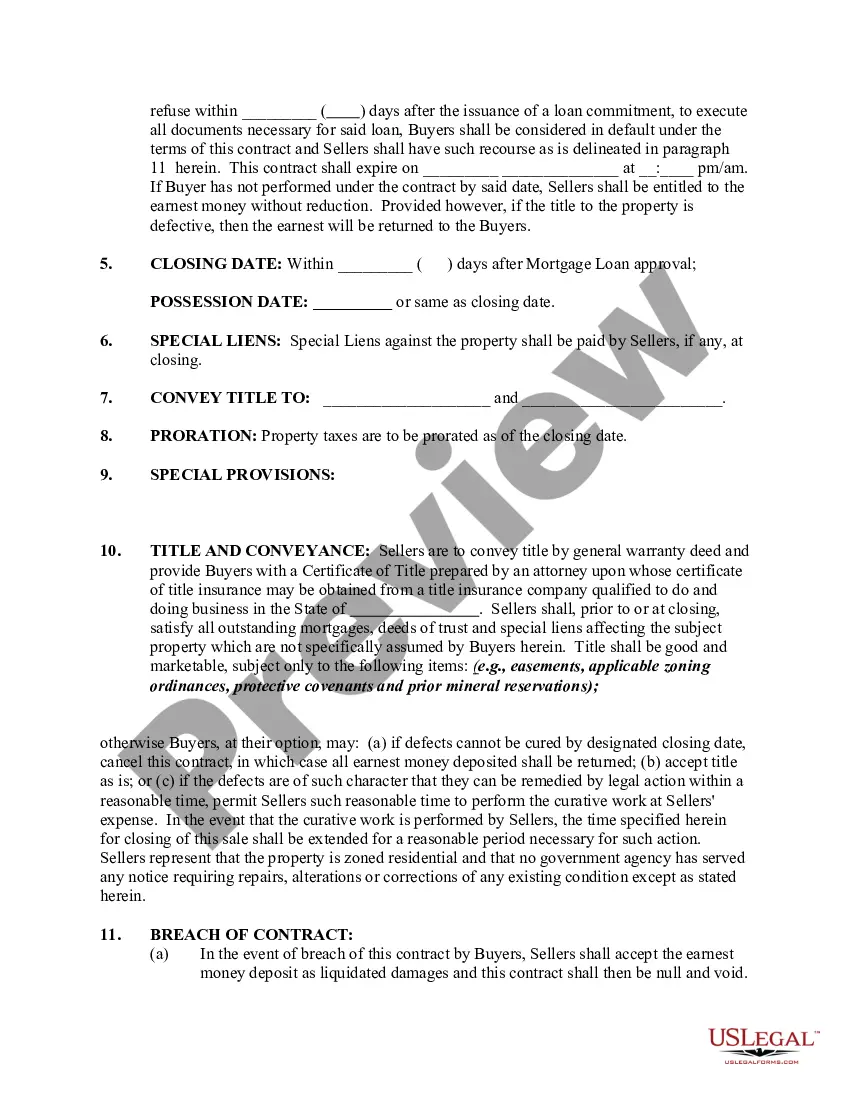
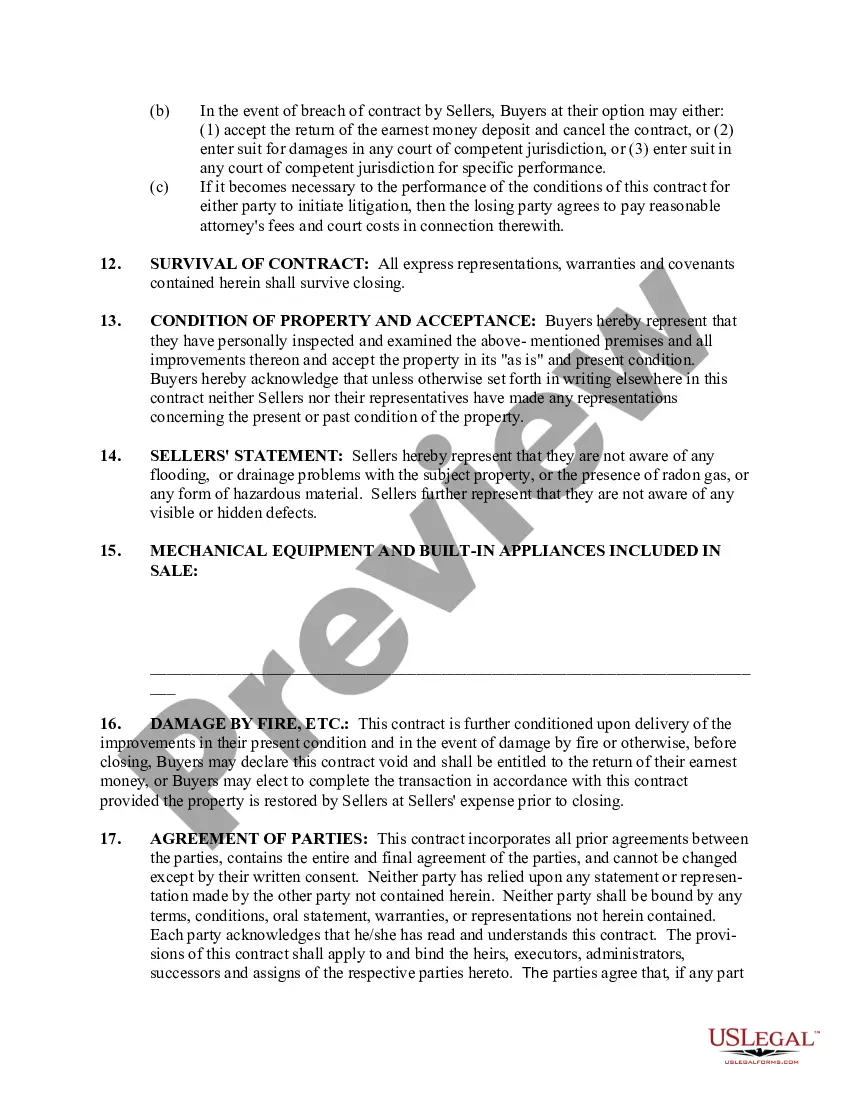
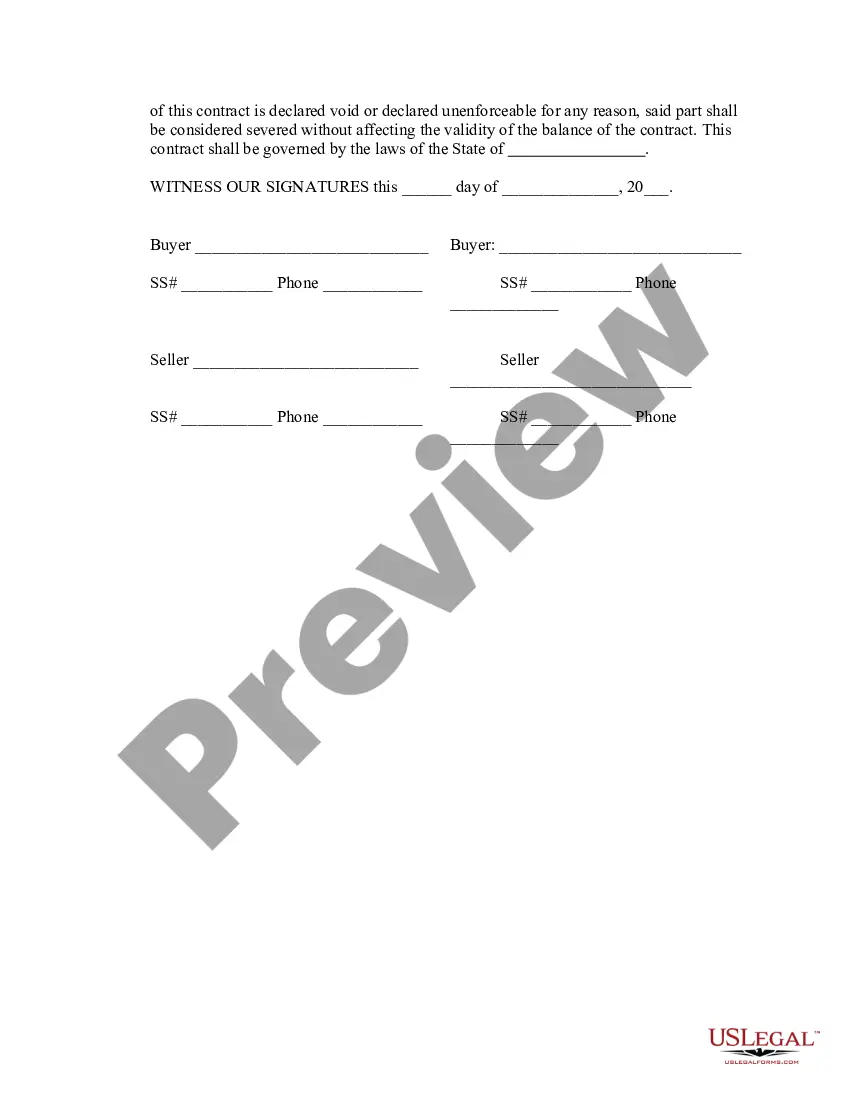
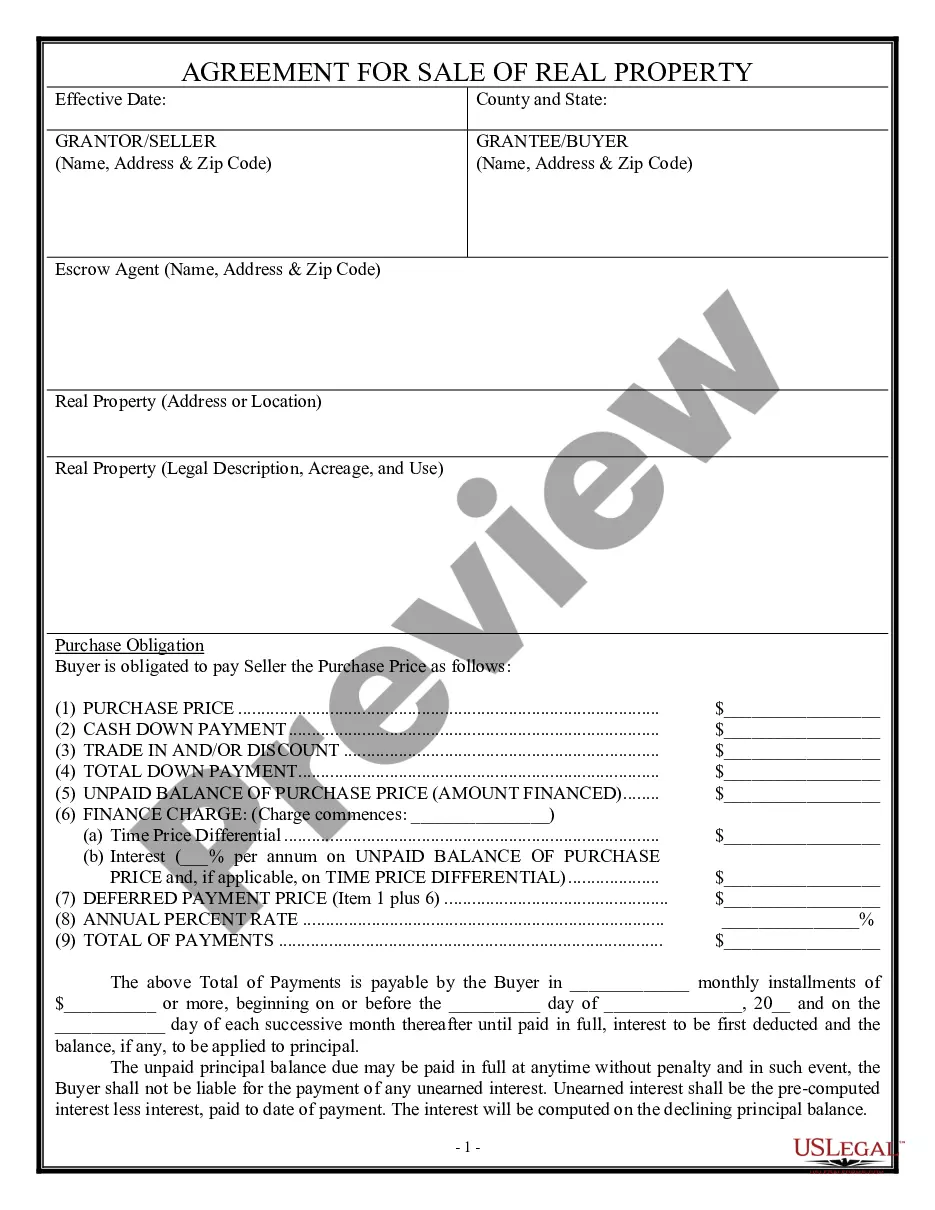
Get your form ready online
Our built-in tools help you complete, sign, share, and store your documents in one place.
Make edits, fill in missing information, and update formatting in US Legal Forms—just like you would in MS Word.
Download a copy, print it, send it by email, or mail it via USPS—whatever works best for your next step.
Sign and collect signatures with our SignNow integration. Send to multiple recipients, set reminders, and more. Go Premium to unlock E-Sign.
If this form requires notarization, complete it online through a secure video call—no need to meet a notary in person or wait for an appointment.
We protect your documents and personal data by following strict security and privacy standards.

Make edits, fill in missing information, and update formatting in US Legal Forms—just like you would in MS Word.

Download a copy, print it, send it by email, or mail it via USPS—whatever works best for your next step.

Sign and collect signatures with our SignNow integration. Send to multiple recipients, set reminders, and more. Go Premium to unlock E-Sign.

If this form requires notarization, complete it online through a secure video call—no need to meet a notary in person or wait for an appointment.

We protect your documents and personal data by following strict security and privacy standards.
Looking for another form?


Form popularity
FAQ
New York Tenant Eviction Process Timeline Providing a Notice14-90 calendar days Serving the Complaint 10-17 business days Tenant Response 10 or fewer business days Court Process 10-20 business days Final Move-out Period 14 business days or fewer
Good Cause Eviction is a New York State law that went into effect on April 20, 2024. It gives some tenants of unregulated (also known as “market rate”) homes in New York City new protections.
Bring the notice and any other papers that you have received from your landlord, including any rent receipts, to the court. To find out where to go in your county to try to stop or delay your eviction, refer to Locations. At the courthouse you will fill out an affidavit in support of an Order to Show Cause.
Landlords may not take the law into their own hands and evict a tenant by use of force or unlawful means. For example, a landlord cannot use threats of violence, remove a tenant's possessions, lock the tenant out of the apartment, or willfully discontinue essential services such as water or heat.
Landlords can evict tenants for specific legal reasons, including nonpayment of rent, lease violations, illegal activities, or refusal to vacate after lease expiration. However, landlords must follow NYC's eviction process, which requires serving the proper notice and obtaining a court order before removing a tenant.
If your agreement doesn't say anything about subletting You don't need your landlord's permission but it's usually best to let them know. If they don't want you to sublet your home, your landlord can get a court order to end your tenancy, evict your subtenant and stop you from moving back in.
New York landlords must follow a strict legal process for evictions, which includes serving proper notices, filing a court action, and obtaining a court order before an eviction can take place. Self-help measures such as changing locks or physically removing a tenant are illegal.
Property records are public. People may use these records for background information on purchases, mortgages, asset searches, and other legal and financial transactions. Reviewing these documents is not necessarily the same as a title search.
This legislation aims to prevent landlords from evicting tenants without a valid reason, such as nonpayment of rent, lease violations, or illegal activities. The law also imposes limits on rent increases deemed unreasonable and provides tenants with the right to challenge those increases in court.
