Closure Any Property Formula In Alameda
Description

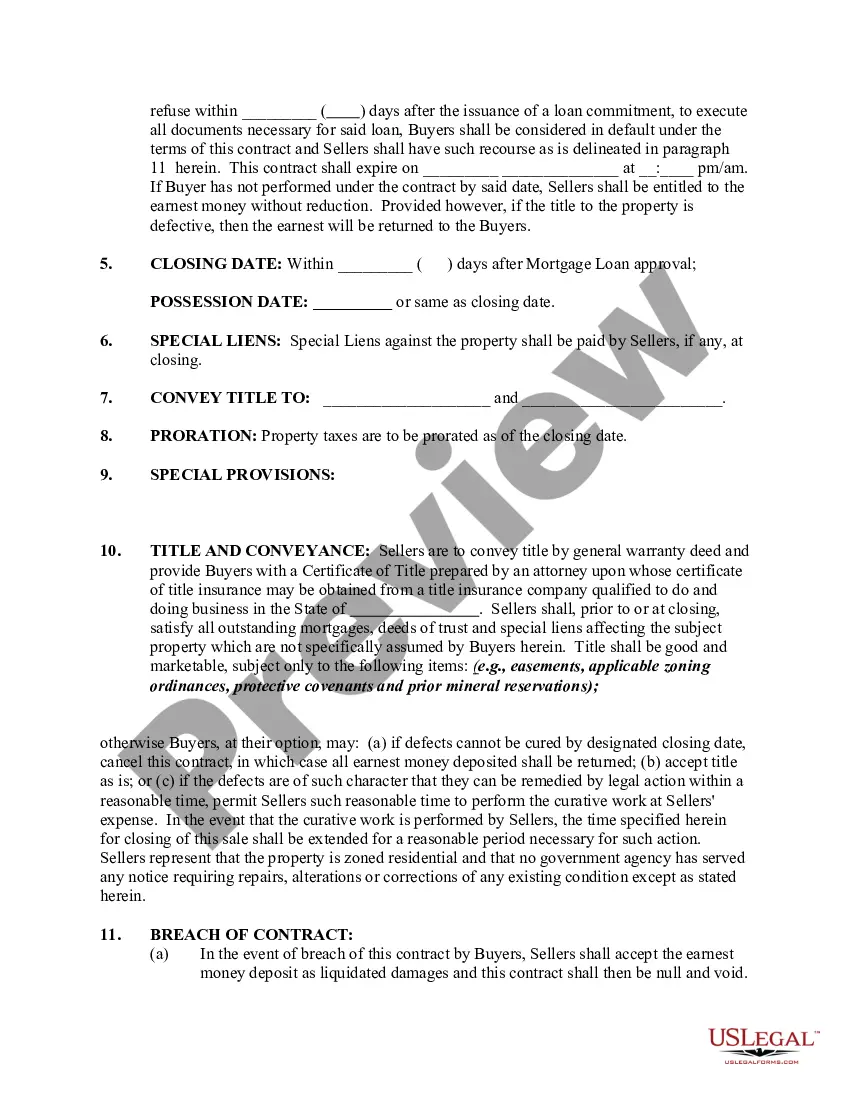
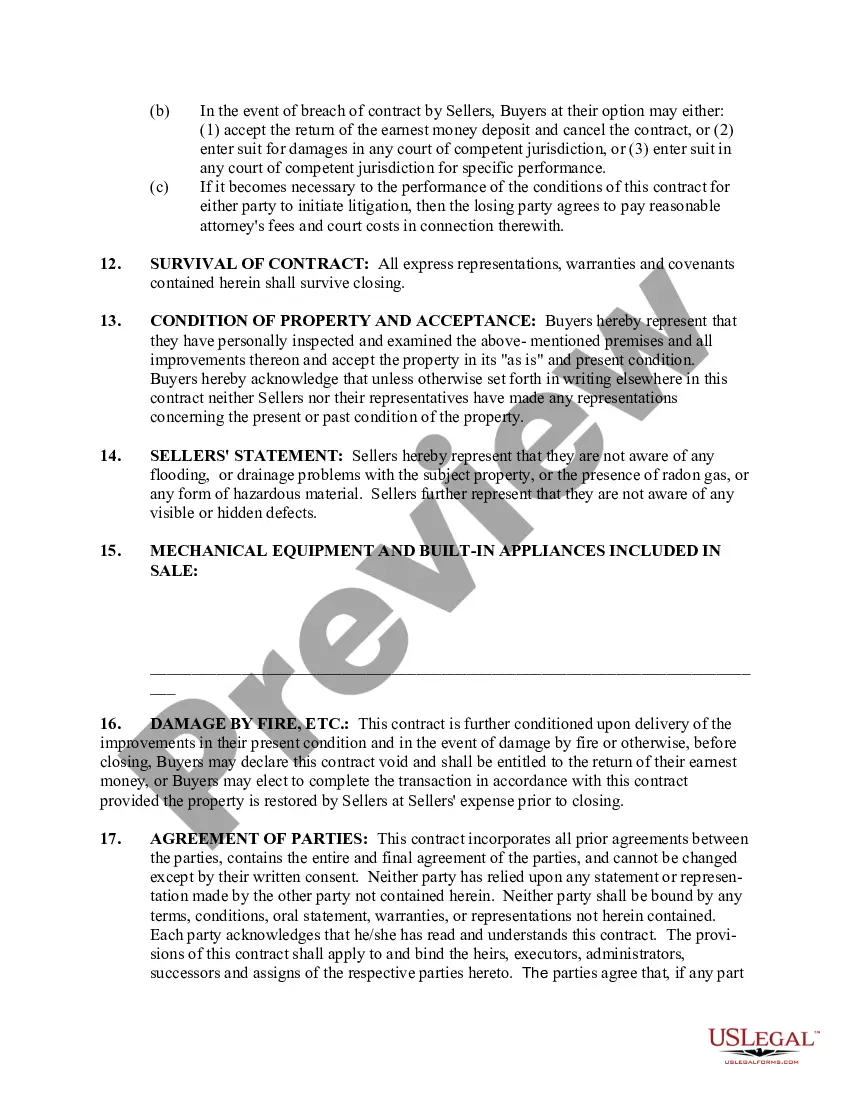
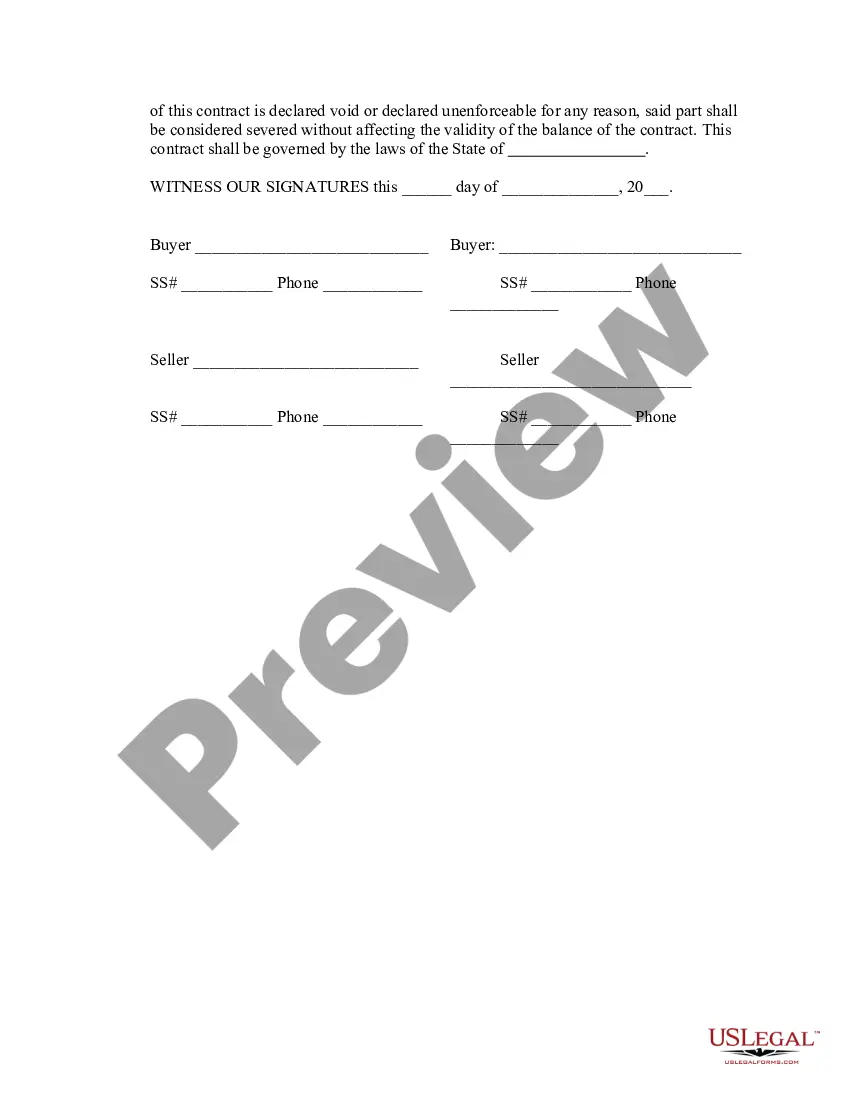
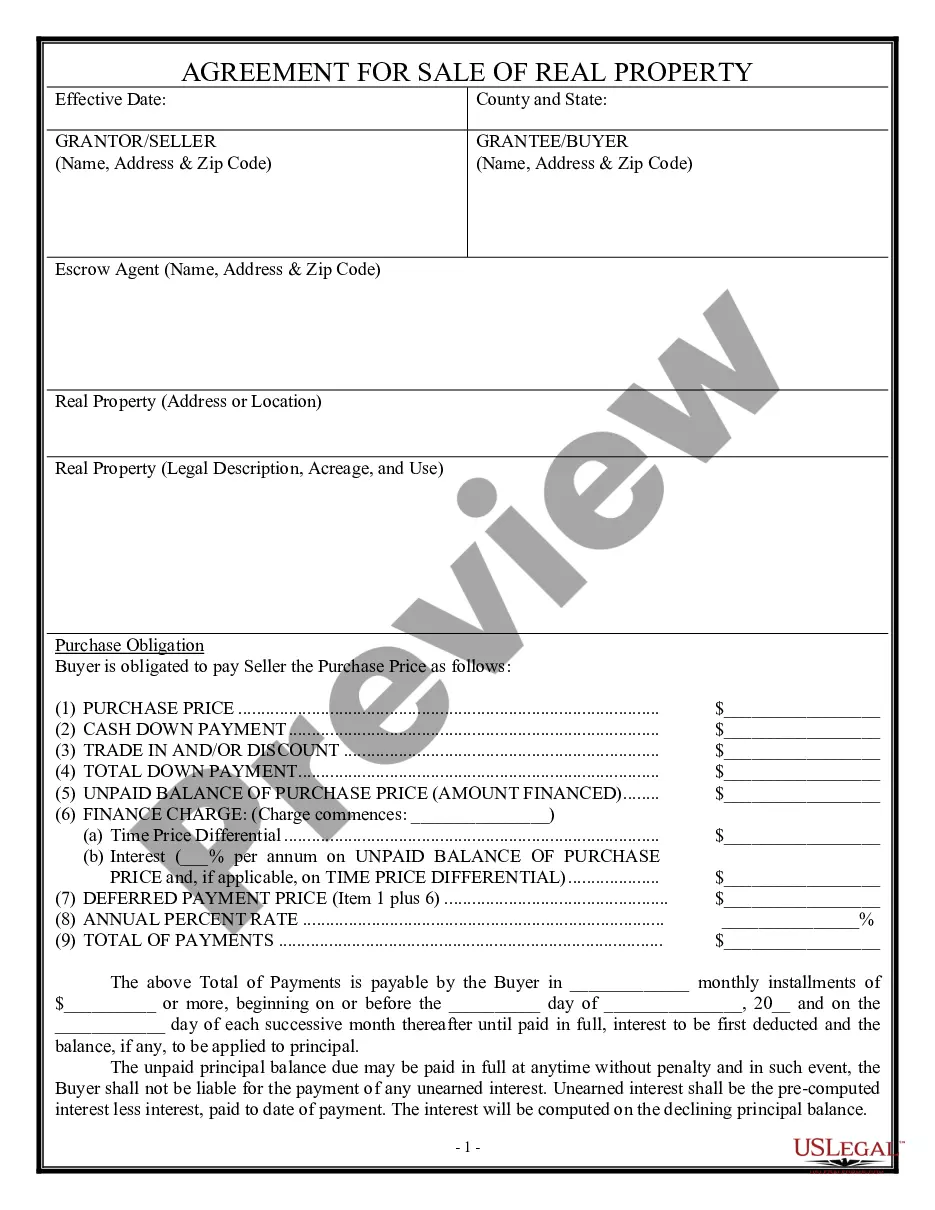
Get your form ready online
Our built-in tools help you complete, sign, share, and store your documents in one place.
Make edits, fill in missing information, and update formatting in US Legal Forms—just like you would in MS Word.
Download a copy, print it, send it by email, or mail it via USPS—whatever works best for your next step.
Sign and collect signatures with our SignNow integration. Send to multiple recipients, set reminders, and more. Go Premium to unlock E-Sign.
If this form requires notarization, complete it online through a secure video call—no need to meet a notary in person or wait for an appointment.
We protect your documents and personal data by following strict security and privacy standards.

Make edits, fill in missing information, and update formatting in US Legal Forms—just like you would in MS Word.

Download a copy, print it, send it by email, or mail it via USPS—whatever works best for your next step.

Sign and collect signatures with our SignNow integration. Send to multiple recipients, set reminders, and more. Go Premium to unlock E-Sign.

If this form requires notarization, complete it online through a secure video call—no need to meet a notary in person or wait for an appointment.

We protect your documents and personal data by following strict security and privacy standards.
Looking for another form?








Form popularity
FAQ
In California, all properties are subject to a basic tax rate of 1% based on their assessed value. This value is set by the county assessor when the property is bought or newly built. For example, if your assessment is $500,000, the basic property tax you owe would be $5,000 annually.
Alameda sales tax details The minimum combined 2025 sales tax rate for Alameda, California is 10.75%. This is the total of state, county, and city sales tax rates. The California sales tax rate is currently 6.0%. The Alameda sales tax rate is 0.5%.
How much is property tax on a $300000 house in California? The property tax on a $300,000 house in California would be approximately $2,310 per year. This is based on the average effective property tax rate of 0.77%.
Proposition 13 also limits the amount of taxes that can be charged to an owner of locally assessed property to 1 percent of the property's taxable value, plus any voter approved bonded indebtedness, service fees, improvement bonds, and special assessments.
The order of priority is any surviving spouse or domestic partner, then a child, then a grandchild, then a parent, and then a sibling.
An order for final distribution in California probate is conclusive to the rights of heirs and devisees in a decedent's estate. The order also releases the personal representative from claims by heirs and devisees, unless, of course, there is fraud or misrepresentation present.
What must I do to close the estate? The Personal Representative must file a final account, report and petition for final distribution, have the petition set for hearing, give notice of the hearing to interested persons, and obtain a court order approving the final distribution.
A final distribution of estate letter is a document that marks the end of probate. This letter officially communicates to beneficiaries about how the deceased person's property has been shared among them. The executor or personal representative usually drafts and hands out this letter.
Final distribution is the final step in closing a probate where all of the heirs and beneficiaries receive the assets owed to them from the estate and title is transferred to their name.
