Closing Property Title Without In Alameda
Description

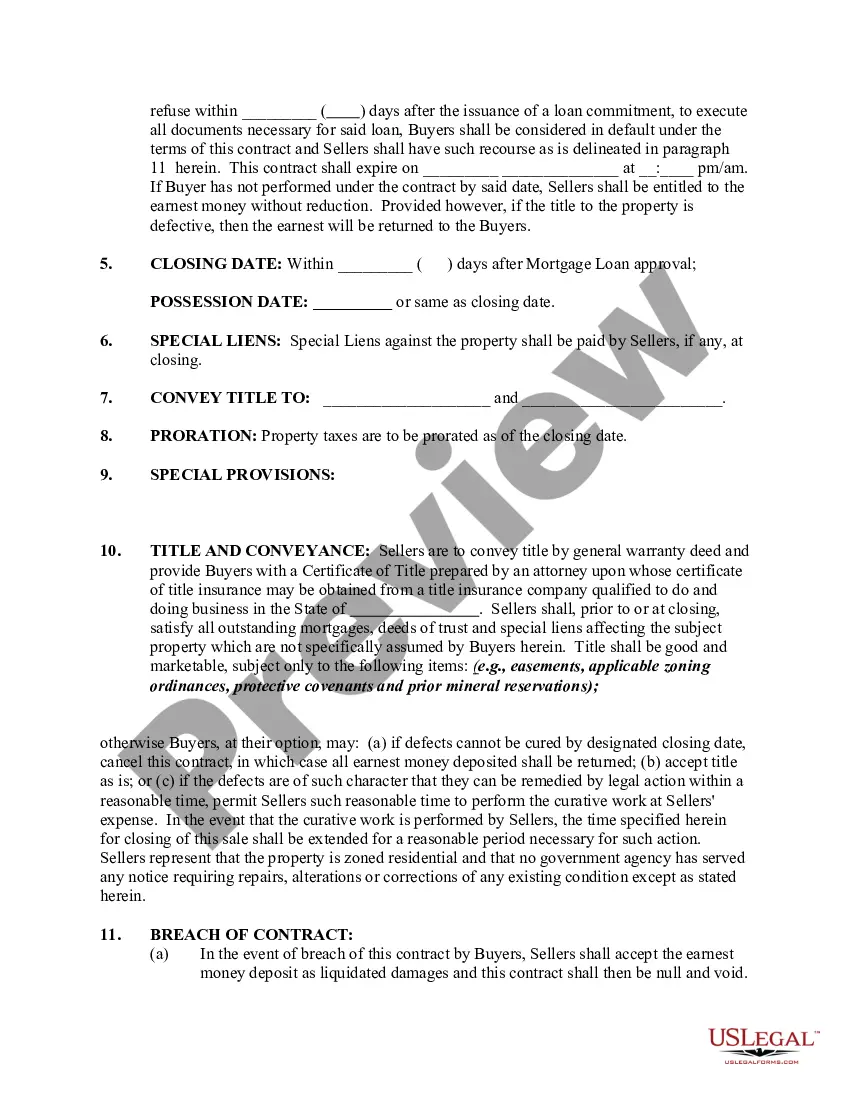
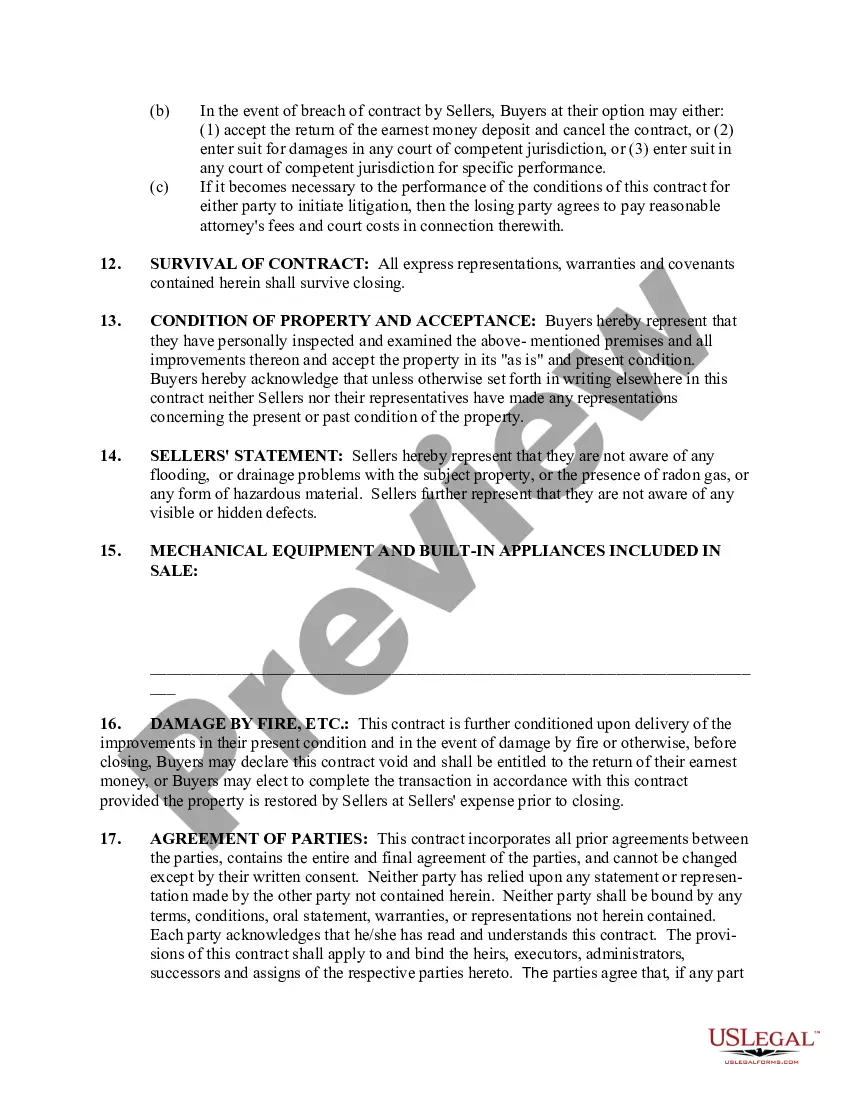
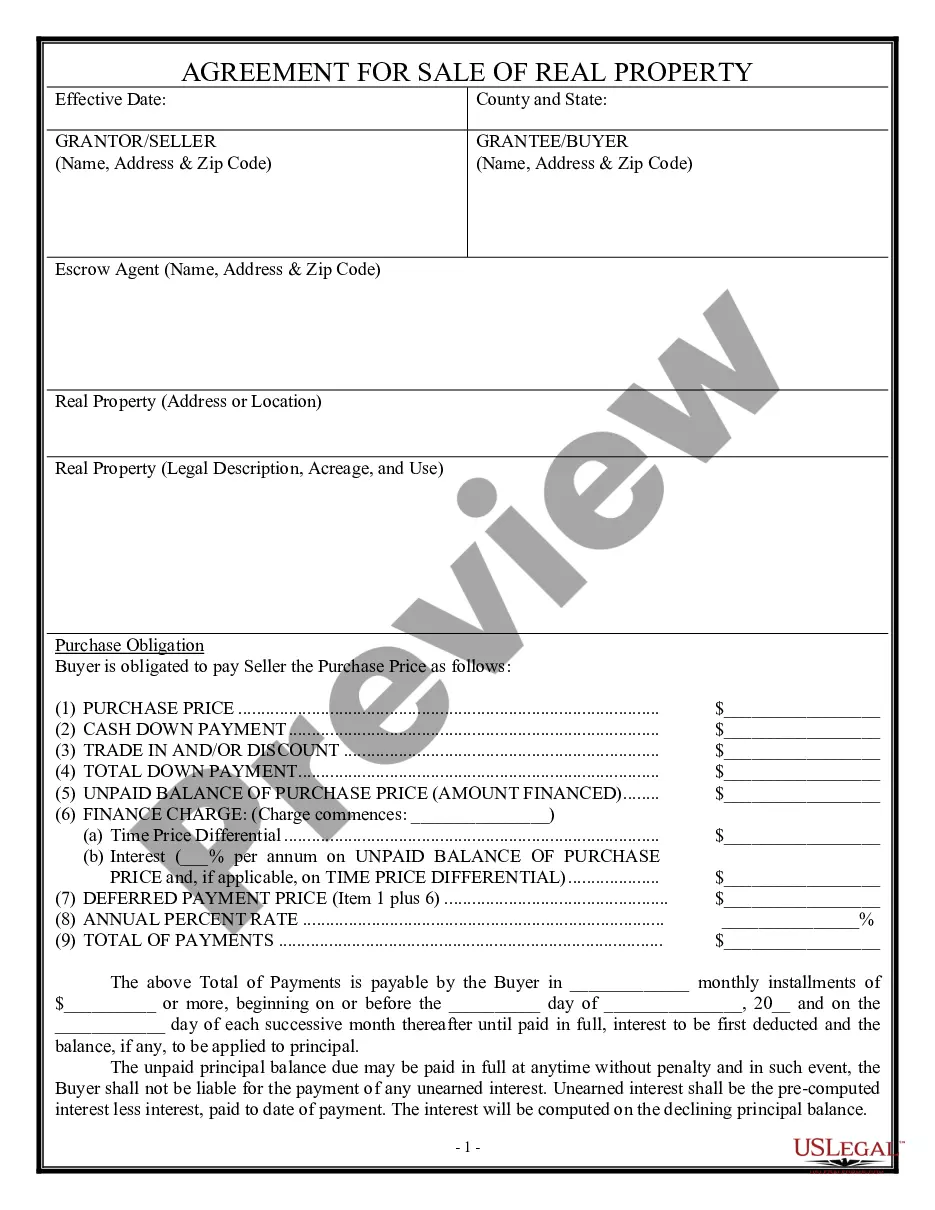
Get your form ready online
Our built-in tools help you complete, sign, share, and store your documents in one place.
Make edits, fill in missing information, and update formatting in US Legal Forms—just like you would in MS Word.
Download a copy, print it, send it by email, or mail it via USPS—whatever works best for your next step.
Sign and collect signatures with our SignNow integration. Send to multiple recipients, set reminders, and more. Go Premium to unlock E-Sign.
If this form requires notarization, complete it online through a secure video call—no need to meet a notary in person or wait for an appointment.
We protect your documents and personal data by following strict security and privacy standards.

Make edits, fill in missing information, and update formatting in US Legal Forms—just like you would in MS Word.

Download a copy, print it, send it by email, or mail it via USPS—whatever works best for your next step.

Sign and collect signatures with our SignNow integration. Send to multiple recipients, set reminders, and more. Go Premium to unlock E-Sign.

If this form requires notarization, complete it online through a secure video call—no need to meet a notary in person or wait for an appointment.

We protect your documents and personal data by following strict security and privacy standards.
Looking for another form?










Form popularity
FAQ
– Quitclaim Deed: This deed transfers the grantor's interest in the property without any warranties or guarantees. It is often used for transfers between family members where the grantor may not want to warrant the current status of title.
In Southern California, the seller customarily pays the premium for title insurance. It has been the practice in Northern California that the buyer customarily pays the premium for title insurance, or occasionally the premium is split between buyer and seller.
An order for final distribution in California probate is conclusive to the rights of heirs and devisees in a decedent's estate. The order also releases the personal representative from claims by heirs and devisees, unless, of course, there is fraud or misrepresentation present.
How Long Does An Executor Have To Sell Property In California? In the Golden State, there's no hard and fast deadline for an executor to sell a property. However, they do need to keep things moving along with the estate's timely administration.
What must I do to close the estate? The Personal Representative must file a final account, report and petition for final distribution, have the petition set for hearing, give notice of the hearing to interested persons, and obtain a court order approving the final distribution.
Recent Changes to the Law Obtain a certified death certificate and copy of the TOD deed. Send notice to the legal heirs. Who are the “legal heirs?” Fill out the Affidavit of Death, including Notice to Heirs (do not sign) Sign the Affidavit in front of a notary. Record the Affidavit at the County Recorders' office.
Not all estates need to go through formal probate. Depending on how the property is owned, and the type and amount of property, you may not need to go to court or you may be able to use a simpler court process.
Ing to California law the personal administrator of an estate must complete the probate process within one year from the date of their appointment, unless required to file a federal estate tax. In these types of situations, the maximum length of probate is 18 months.
The specifics on who pays the transfer tax in Alameda County are sometimes up for negotiation, but usually the buyer pays.