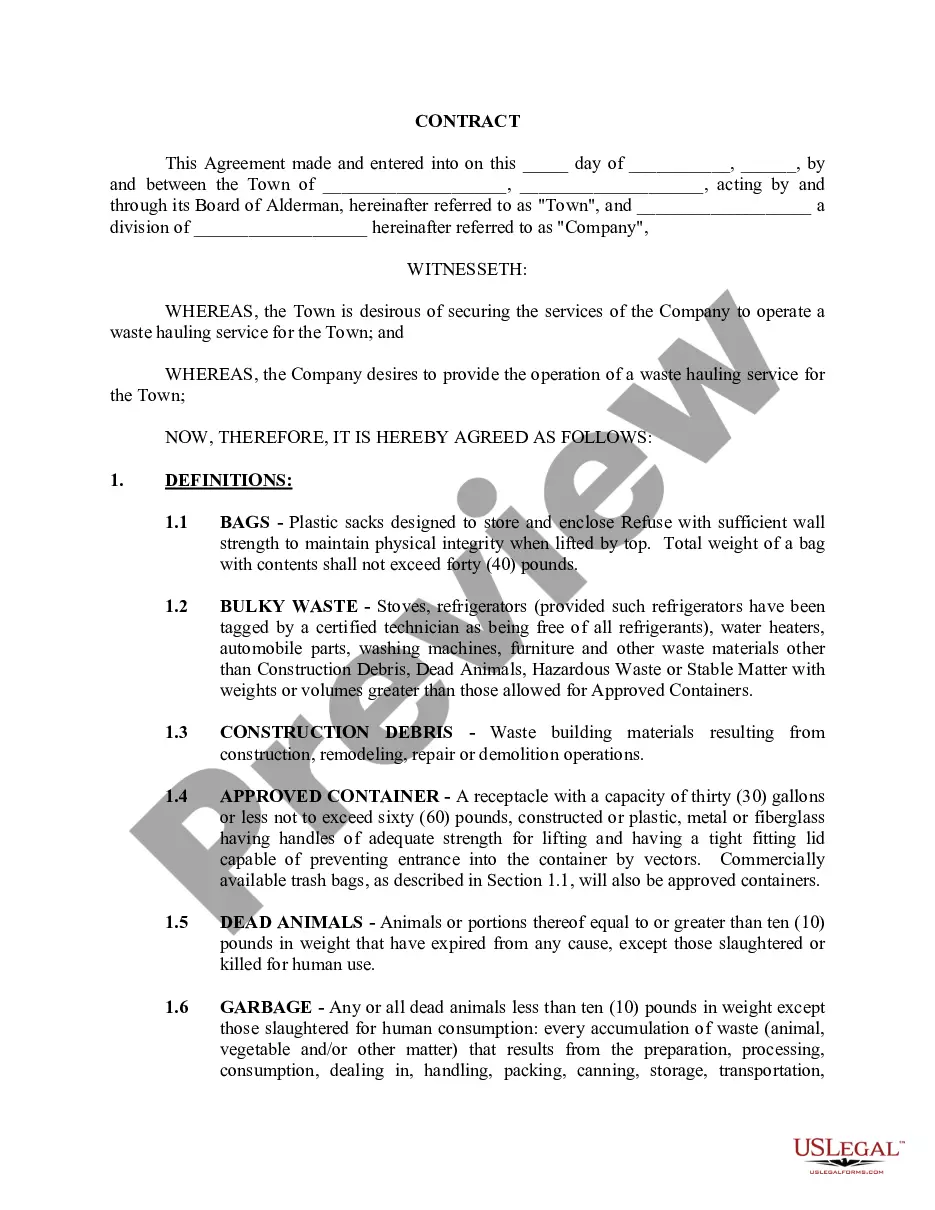
Contract For Hauling Services In North Carolina
Description

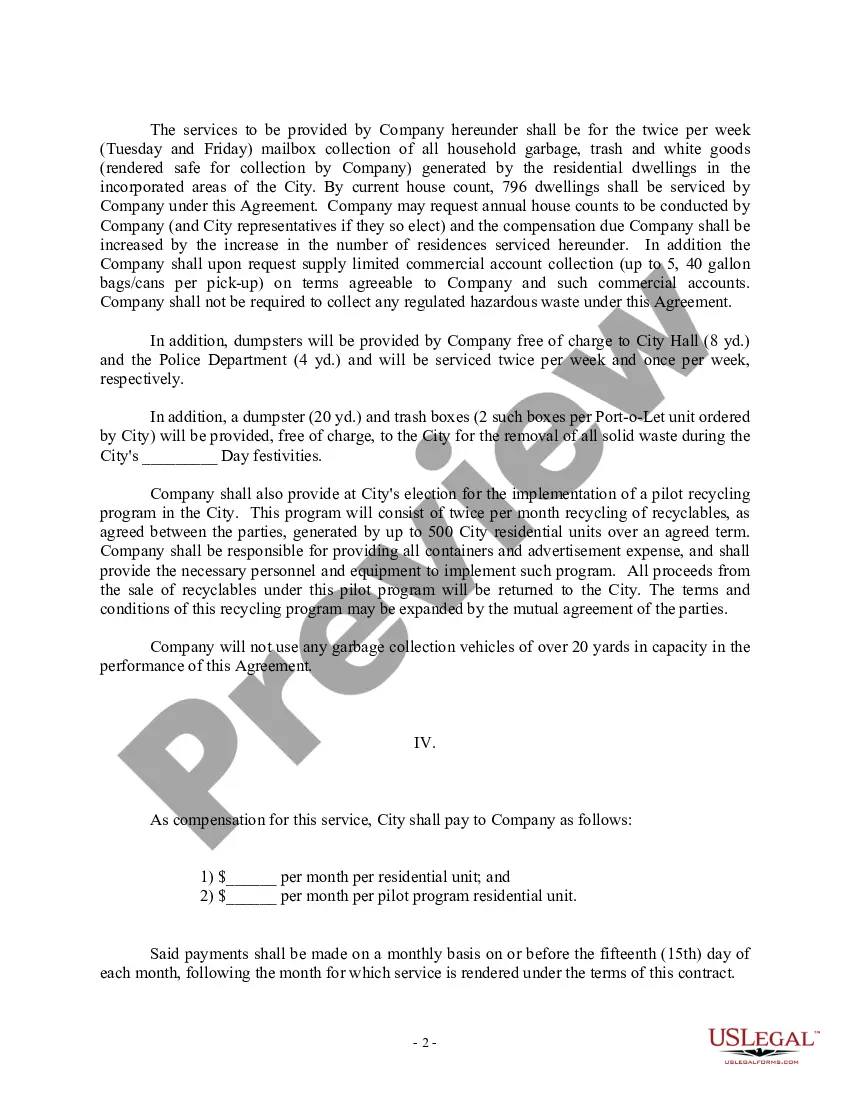
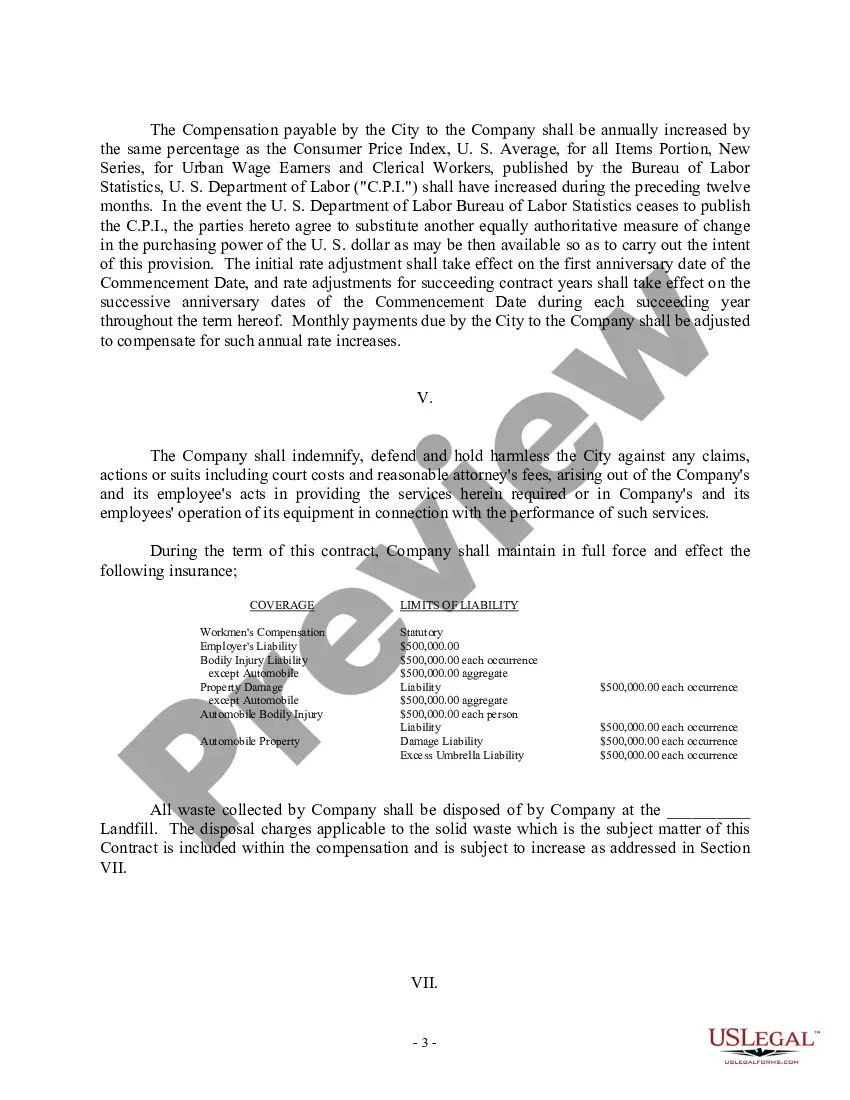
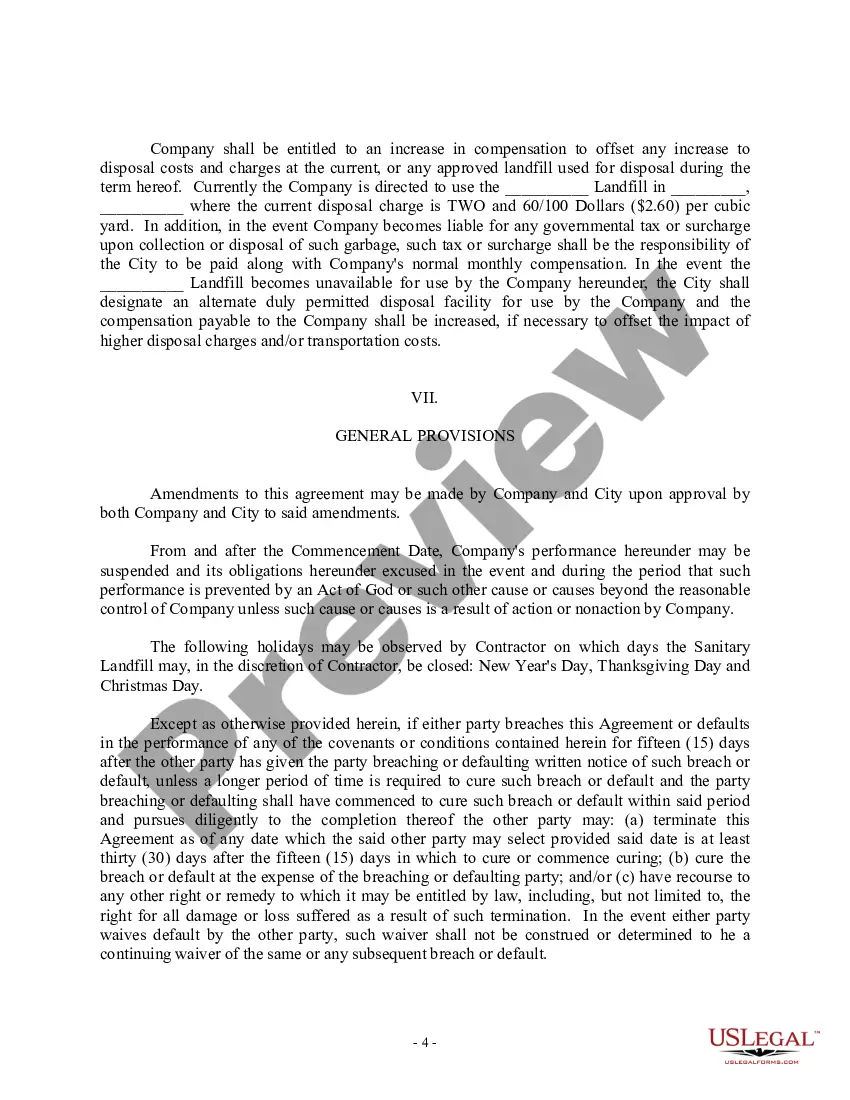
Get your form ready online
Our built-in tools help you complete, sign, share, and store your documents in one place.
Make edits, fill in missing information, and update formatting in US Legal Forms—just like you would in MS Word.
Download a copy, print it, send it by email, or mail it via USPS—whatever works best for your next step.
Sign and collect signatures with our SignNow integration. Send to multiple recipients, set reminders, and more. Go Premium to unlock E-Sign.
If this form requires notarization, complete it online through a secure video call—no need to meet a notary in person or wait for an appointment.
We protect your documents and personal data by following strict security and privacy standards.

Make edits, fill in missing information, and update formatting in US Legal Forms—just like you would in MS Word.

Download a copy, print it, send it by email, or mail it via USPS—whatever works best for your next step.

Sign and collect signatures with our SignNow integration. Send to multiple recipients, set reminders, and more. Go Premium to unlock E-Sign.

If this form requires notarization, complete it online through a secure video call—no need to meet a notary in person or wait for an appointment.

We protect your documents and personal data by following strict security and privacy standards.
Looking for another form?






Form popularity
FAQ
A contract will normally be created every time a haulier agrees to carry goods for another business. Haulage Contracts. A contract exists when an offer has been made and accepted ― there is no requirement for it to be in writing. Verbal Contracts.
How to Start an NEMT Business in North Carolina: A Comprehensive Guide Step 1: Conduct Market Research. Step 2: Develop a Business Plan. Step 3: Choose a Legal Structure and Register Your Business. Step 4: Obtain Necessary Licenses and Permits. Step 5: Acquire Vehicles and Equipment. Step 6: Secure Insurance Coverage.
The 2012 North Carolina Gen- eral Assembly changed General Statue 20-101 requiring North Carolina commercial motor vehicles operating exclusively in North Carolina to register for an USDOT number.
Key requirements involve regular safety inspections for all commercial vehicles, ensuring drivers possess a valid Commercial Driver's License (CDL) with necessary medical and background checks, and maintaining detailed records of vehicle maintenance, driver qualifications, and other compliance-related documentation.
How to Apply for a DOT Number Step 1: Gather Required Documents. Step 2: Complete the FMCSA's Unified Registration. Step 3: Begin the DOT Number Application. Step 4: Select Your DOT Cargo Classification. Step 5: Complete and Sign the Application.
Before submitting your registration application, you'll need to obtain a USDOT number. You may also need to show proof of payment for the Heavy Vehicle Use Taxes (HVUT form 2290) if your vehicle weighs more than 55,000 pounds. Additionally, you must register with the IFTA (International Fuel Tax Agreement).
To pull something heavy slowly and with difficulty: They hauled the boat out of the water.
Trucking contracts are legally binding agreements between trucking carriers and their shippers that outline the terms and conditions of transportation services. These contracts establish the rights, obligations, and responsibilities of both parties involved in the shipping and delivering of goods or freight.
Haulage is the business of transporting goods by road or rail between suppliers and large consumer outlets, factories, warehouses, or depots. This includes everything humans might wish to move in bulk – from vegetables and other foodstuffs, to clothes, ore, coal, and other supplies.
