Junk Removal Contract Template With Payment Plans In Alameda
Description

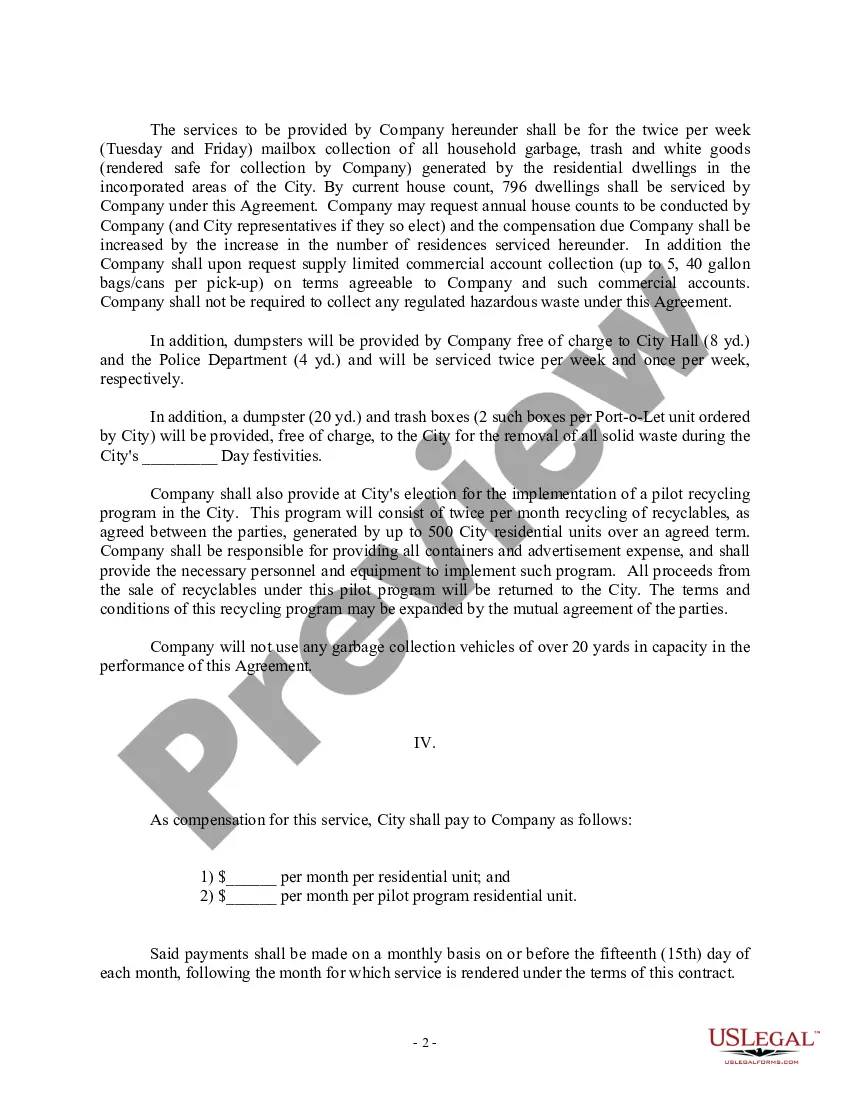
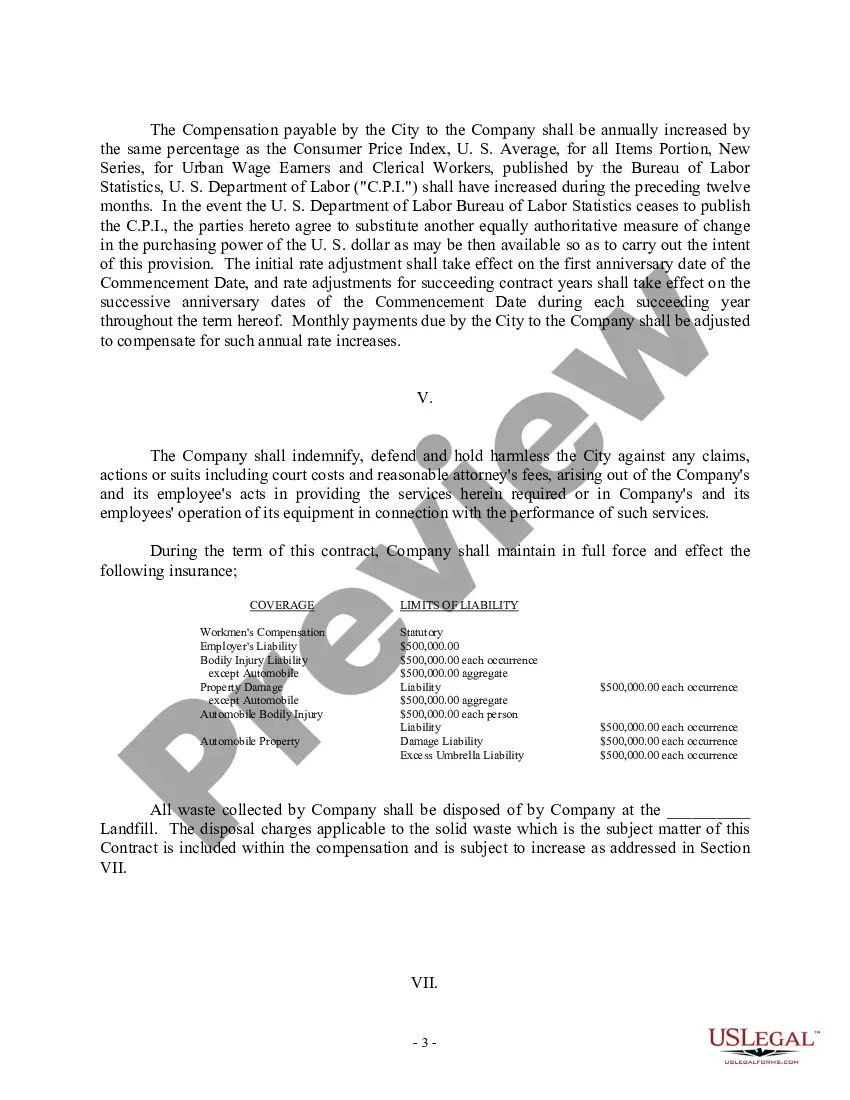
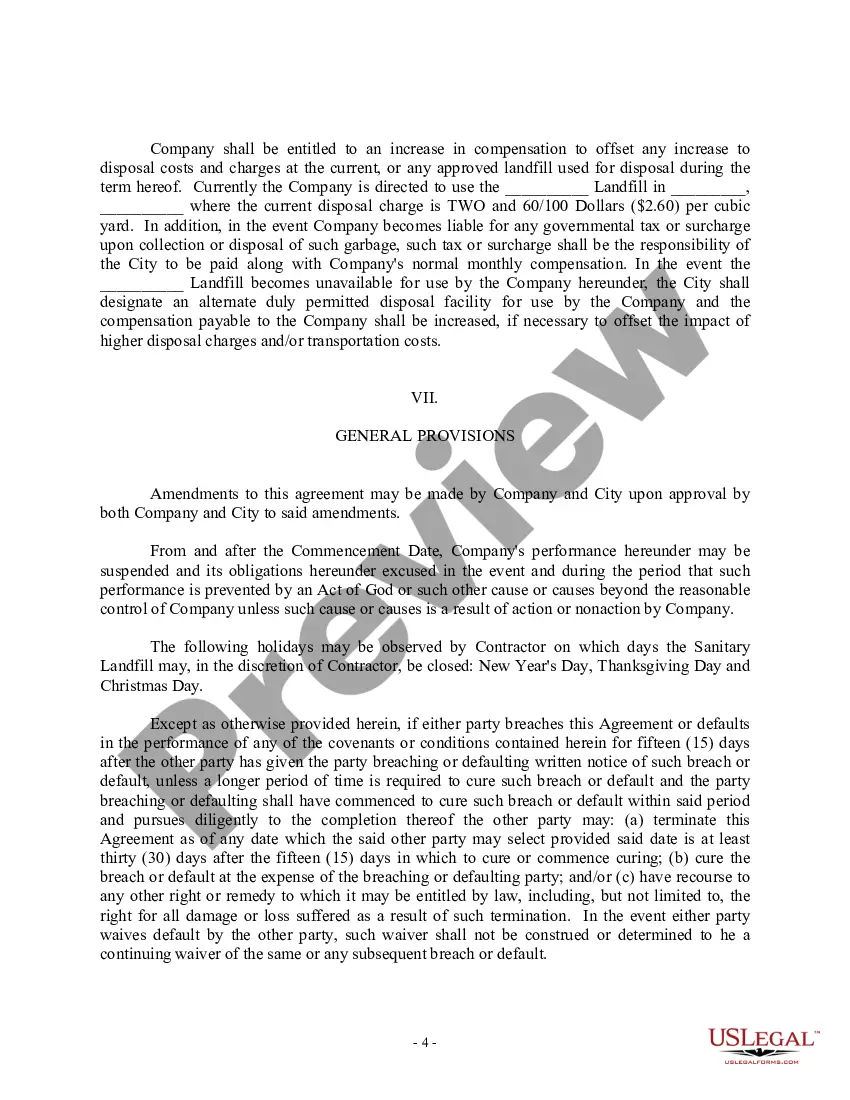
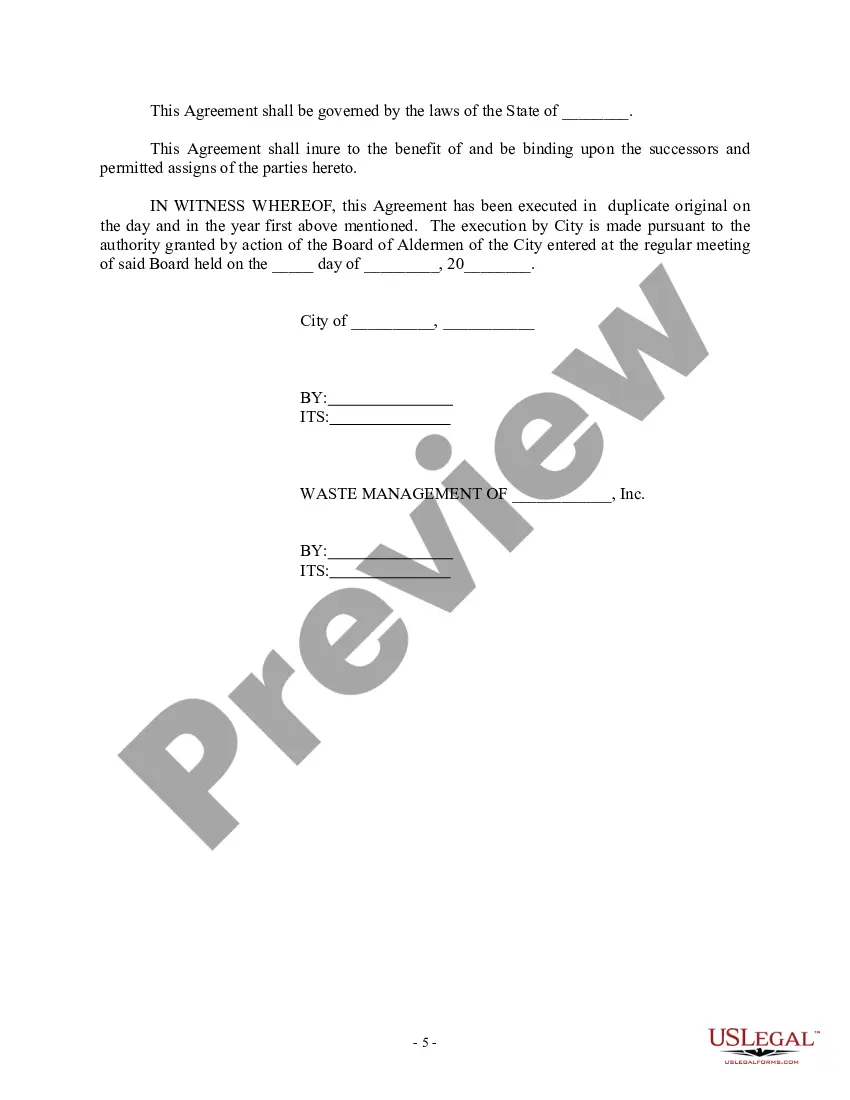
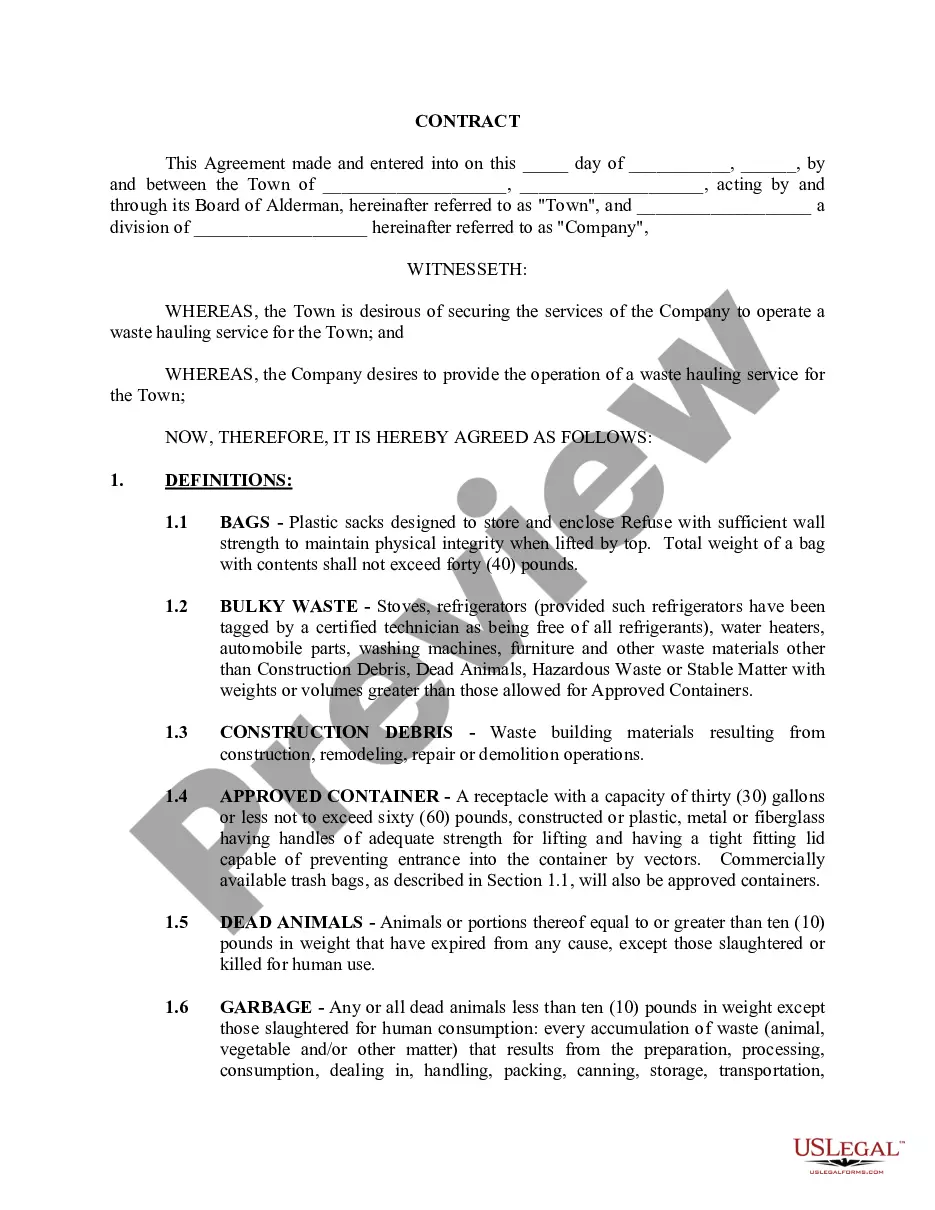
Get your form ready online
Our built-in tools help you complete, sign, share, and store your documents in one place.
Make edits, fill in missing information, and update formatting in US Legal Forms—just like you would in MS Word.
Download a copy, print it, send it by email, or mail it via USPS—whatever works best for your next step.
Sign and collect signatures with our SignNow integration. Send to multiple recipients, set reminders, and more. Go Premium to unlock E-Sign.
If this form requires notarization, complete it online through a secure video call—no need to meet a notary in person or wait for an appointment.
We protect your documents and personal data by following strict security and privacy standards.

Make edits, fill in missing information, and update formatting in US Legal Forms—just like you would in MS Word.

Download a copy, print it, send it by email, or mail it via USPS—whatever works best for your next step.

Sign and collect signatures with our SignNow integration. Send to multiple recipients, set reminders, and more. Go Premium to unlock E-Sign.

If this form requires notarization, complete it online through a secure video call—no need to meet a notary in person or wait for an appointment.

We protect your documents and personal data by following strict security and privacy standards.
Looking for another form?








Form popularity
FAQ
Solid-waste management, the collecting, treating, and disposing of solid material that is discarded because it has served its purpose or is no longer useful.
California State law, SB 1383, aims to keep food and other compostable materials ("organics") out of landfills to reduce emissions that contribute to climate change. In Alameda County, the law is implemented and enforced under the Organics Reduction and Recycling Ordinance.
The 5 R's: Refuse, Reduce, Reuse, Repurpose, Recycle.
~US EPA. Waste reduction (consuming less and/or throwing away less) is also referred to as pollution prevention, source reduction and pre-recycling and results in a reduction in the amount and/or toxicity of waste generated.
Waste reduction or source reduction is the practice of preventing waste by decreasing or eliminating the amount of materials initially used. Some examples of waste reduction include purchasing products in bulk quantities rather than single servings, like cereal or potato chips.
Solid waste reduction assessments are performed to develop techniques to avoid the generation of solid waste and develop methods to recycle or reuse waste products, reducing the material going to landfills.
