Garbage Collection Contract Template With Api In Alameda
Description

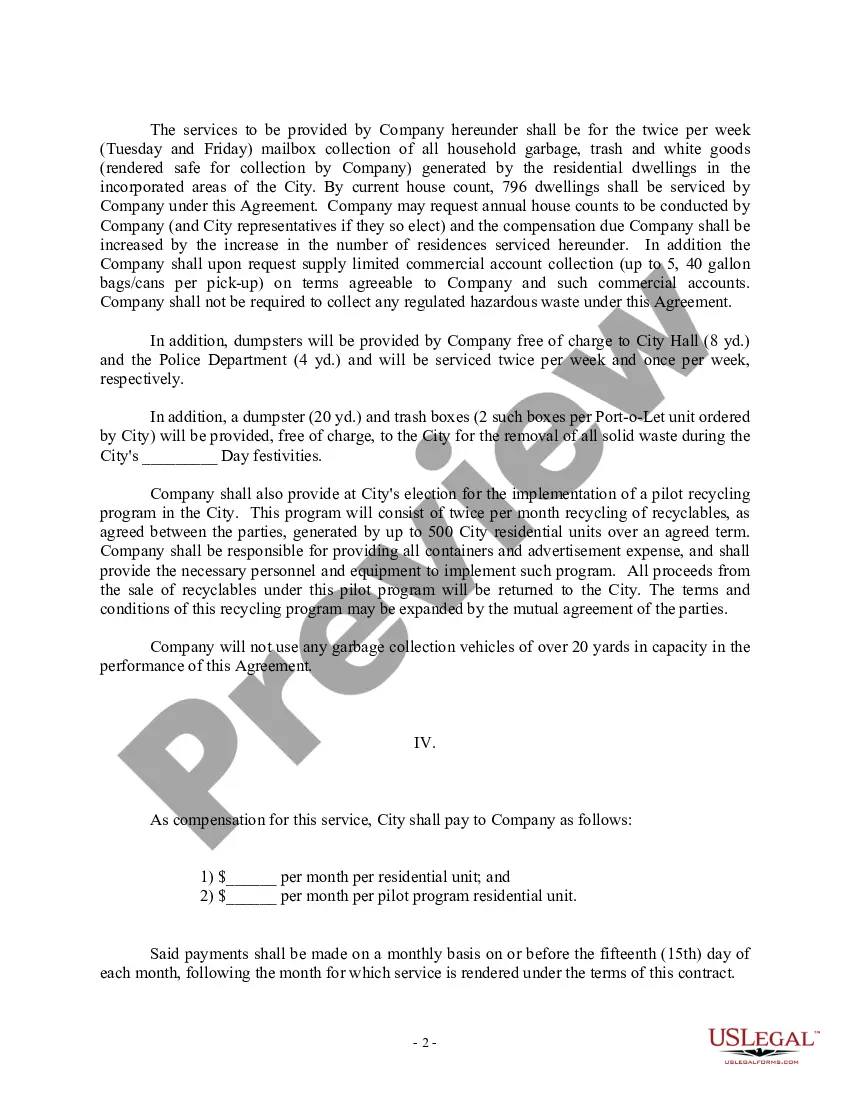
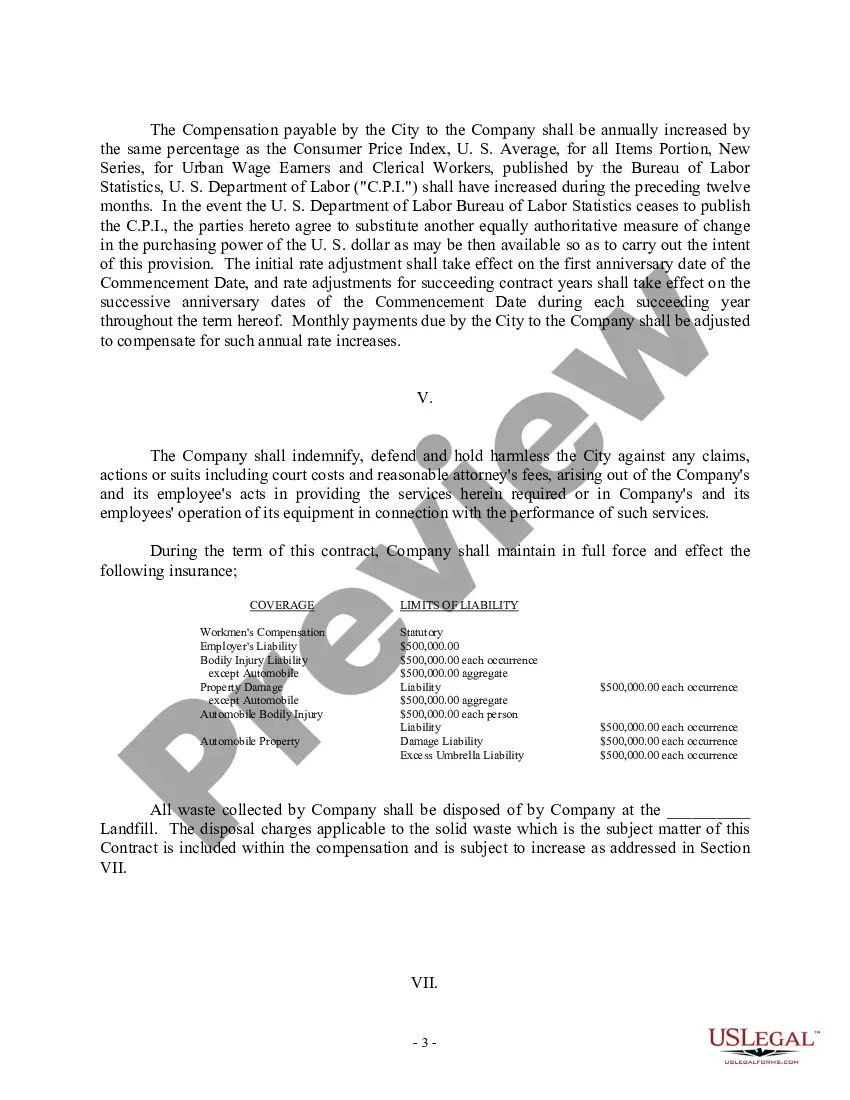
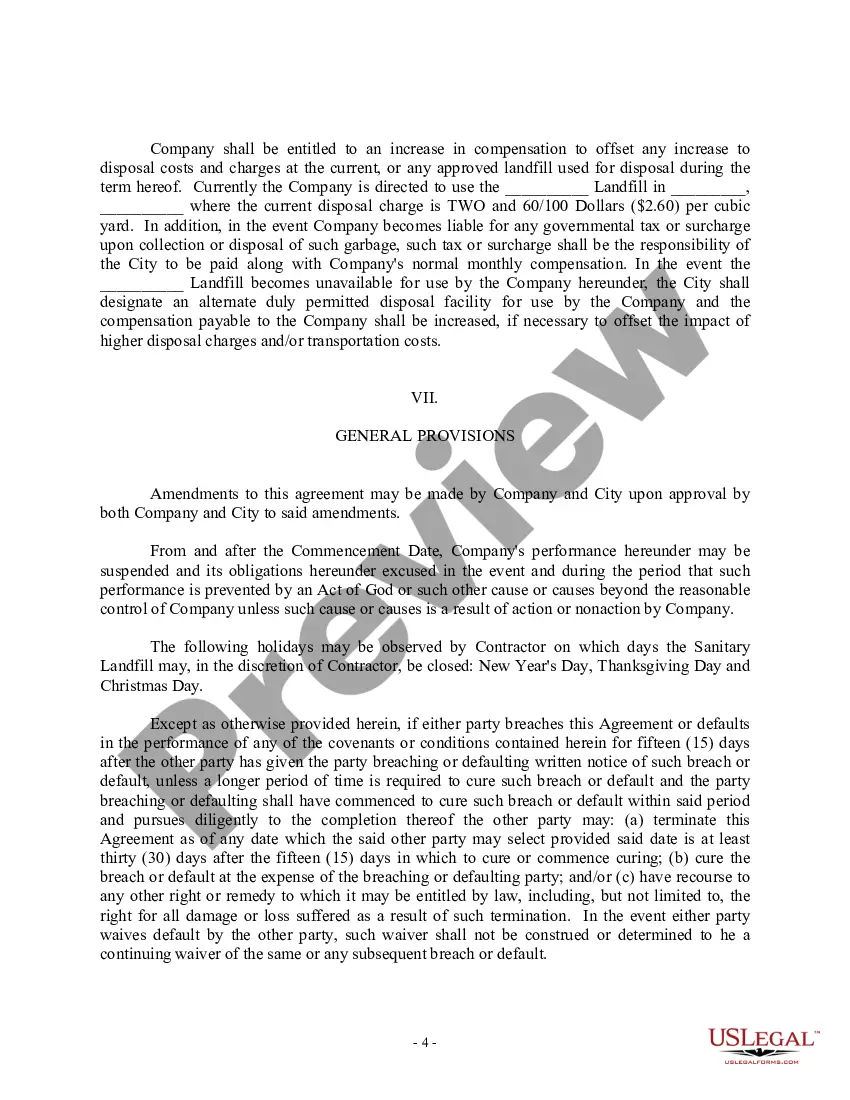
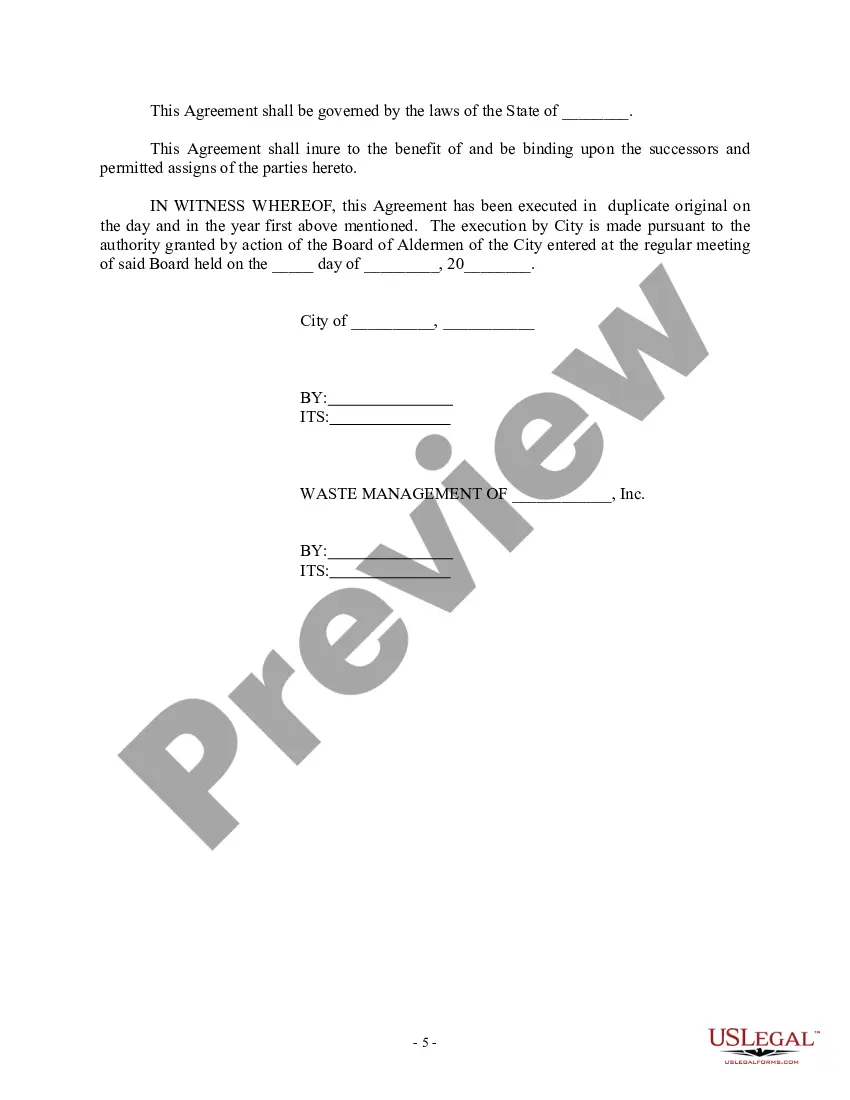
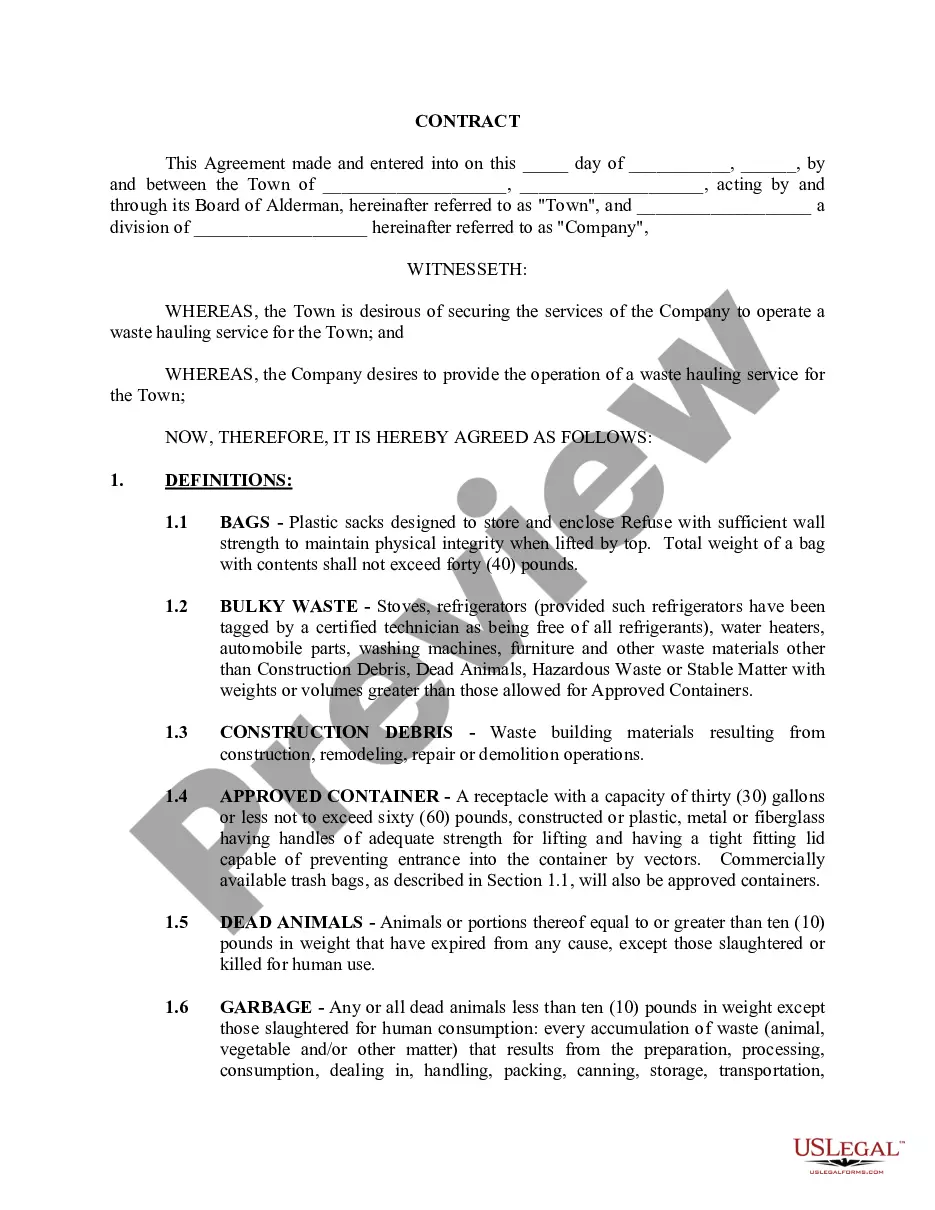
Get your form ready online
Our built-in tools help you complete, sign, share, and store your documents in one place.
Make edits, fill in missing information, and update formatting in US Legal Forms—just like you would in MS Word.
Download a copy, print it, send it by email, or mail it via USPS—whatever works best for your next step.
Sign and collect signatures with our SignNow integration. Send to multiple recipients, set reminders, and more. Go Premium to unlock E-Sign.
If this form requires notarization, complete it online through a secure video call—no need to meet a notary in person or wait for an appointment.
We protect your documents and personal data by following strict security and privacy standards.

Make edits, fill in missing information, and update formatting in US Legal Forms—just like you would in MS Word.

Download a copy, print it, send it by email, or mail it via USPS—whatever works best for your next step.

Sign and collect signatures with our SignNow integration. Send to multiple recipients, set reminders, and more. Go Premium to unlock E-Sign.

If this form requires notarization, complete it online through a secure video call—no need to meet a notary in person or wait for an appointment.

We protect your documents and personal data by following strict security and privacy standards.
Looking for another form?







Form popularity
FAQ
Organic recycling refers to a closed loop activity where natural materials are converted from organic waste to energy, gas, water, and biomass. In the United States, organic waste accounts for nearly 30% of the total waste generated each year.
Organic waste like fruit and vegetable peelings, grass clippings, wood chippings and tea bags can be recycled by: composting - organic waste can be recycled into compost which can be used by farms or gardening businesses.
About the Mandatory Recycling Ordinance The ordinance requires the recycling service to be sufficient to handle the amount of recyclable material as well as the composting collection service to be sufficient to handle the amount of food scraps and food-soiled paper generated at the location.
California State law, SB 1383, aims to keep food and other compostable materials ("organics") out of landfills to reduce emissions that contribute to climate change. In Alameda County, the law is implemented and enforced under the Organics Reduction and Recycling Ordinance.
General Information. The SB 1383 regulations require that jurisdictions conduct education and outreach on organics recycling to all residents, businesses (including those that generate edible food that can be donated) haulers, solid waste facilities, and local food banks and other food recovery organizations.
