Boat Dock Rental Agreement Fort Lauderdale In Suffolk
Description
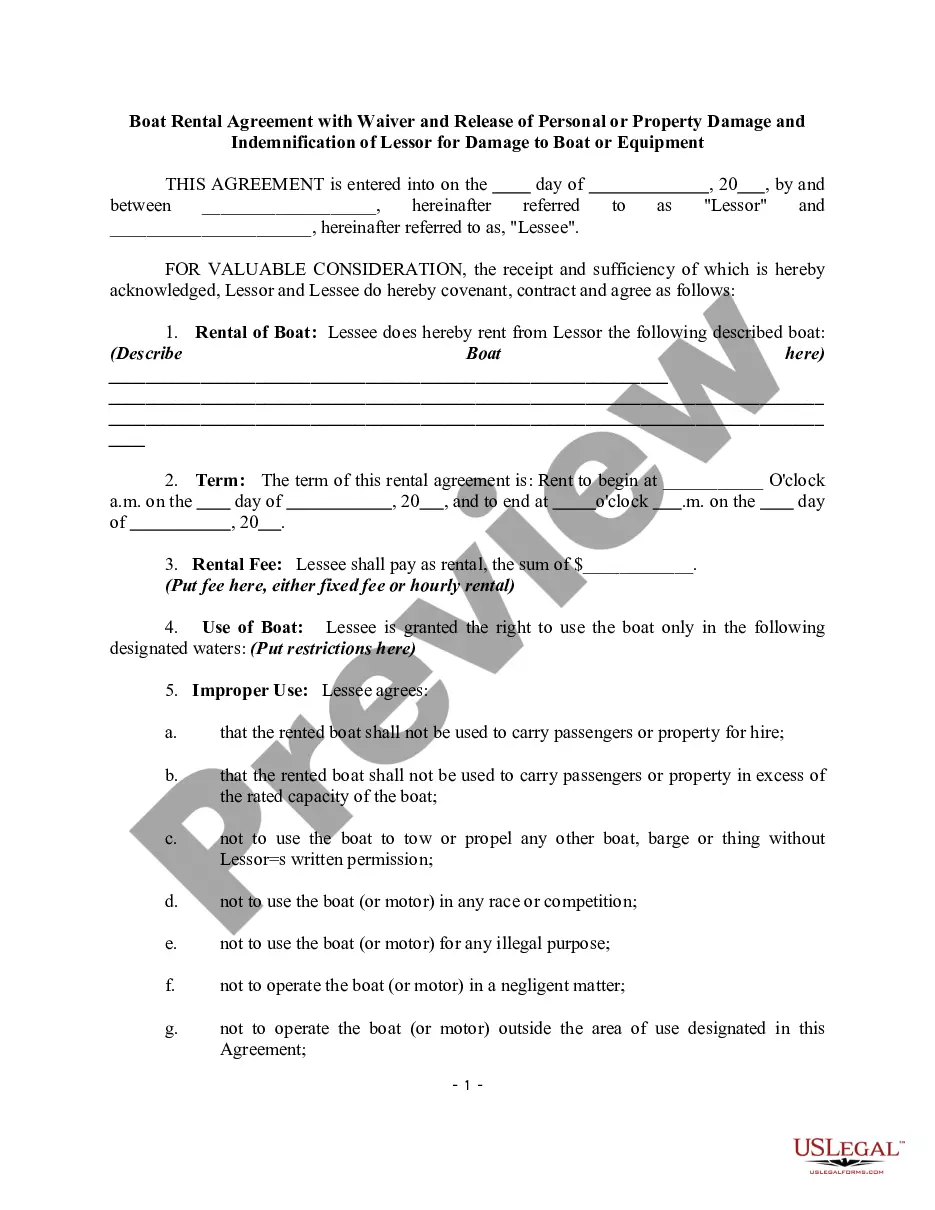
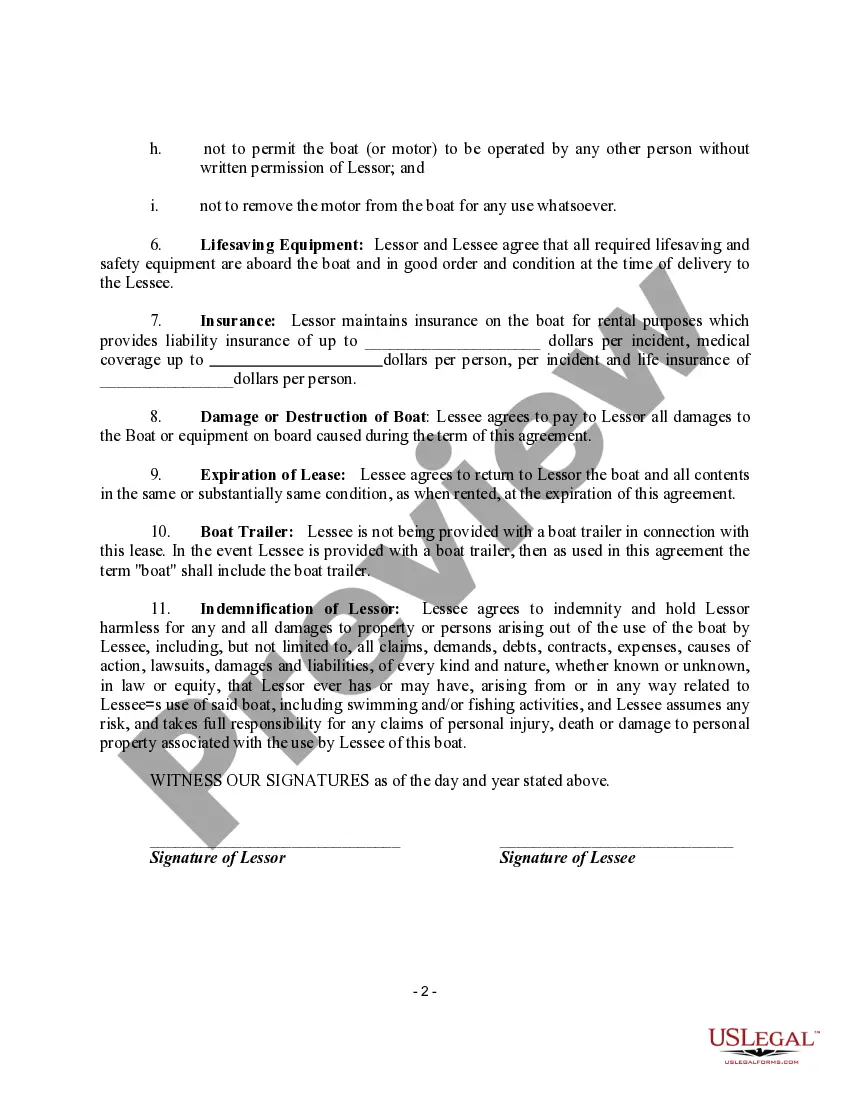
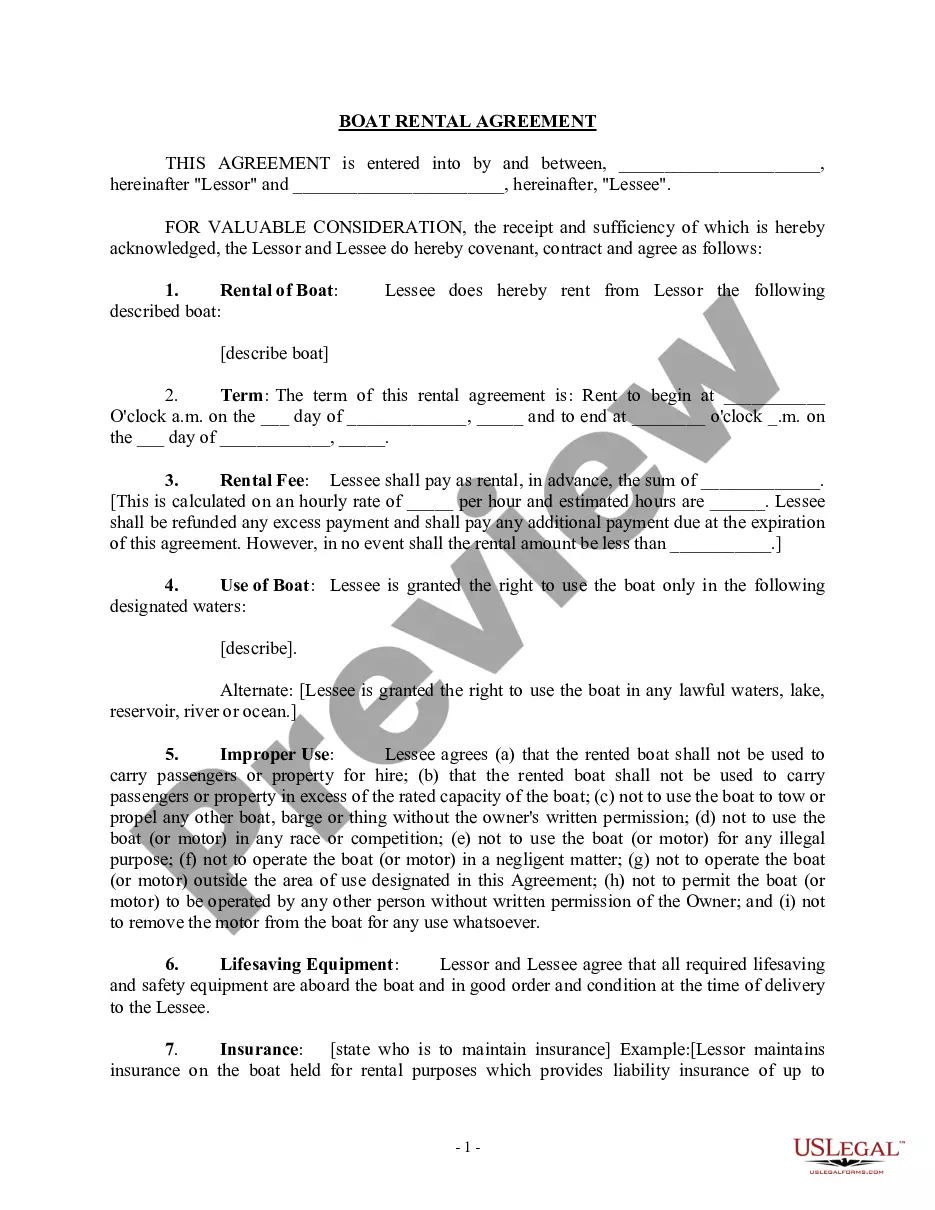
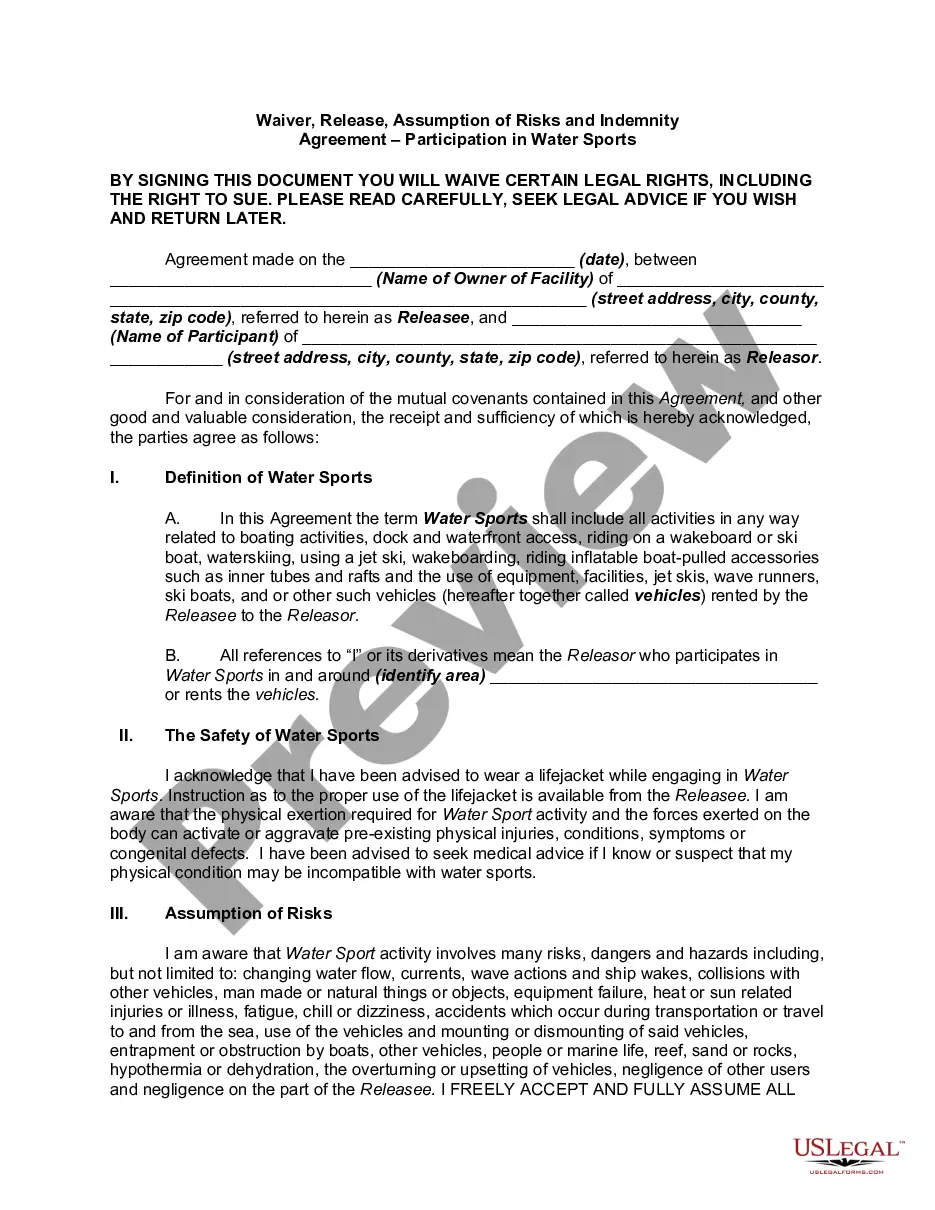
Get your form ready online
Our built-in tools help you complete, sign, share, and store your documents in one place.
Make edits, fill in missing information, and update formatting in US Legal Forms—just like you would in MS Word.
Download a copy, print it, send it by email, or mail it via USPS—whatever works best for your next step.
Sign and collect signatures with our SignNow integration. Send to multiple recipients, set reminders, and more. Go Premium to unlock E-Sign.
If this form requires notarization, complete it online through a secure video call—no need to meet a notary in person or wait for an appointment.
We protect your documents and personal data by following strict security and privacy standards.

Make edits, fill in missing information, and update formatting in US Legal Forms—just like you would in MS Word.

Download a copy, print it, send it by email, or mail it via USPS—whatever works best for your next step.

Sign and collect signatures with our SignNow integration. Send to multiple recipients, set reminders, and more. Go Premium to unlock E-Sign.

If this form requires notarization, complete it online through a secure video call—no need to meet a notary in person or wait for an appointment.

We protect your documents and personal data by following strict security and privacy standards.
Looking for another form?

Form popularity
FAQ
Homeowners that already have some handyman skills may be able to build their own dock if it's a smaller floating dock. However, building a dock isn't an easy process, especially if you don't have experience with waterfront structures. More often than not, the best route is to hire a professional.
You don't need to obtain permits if: The activities meet the thresholds dictated by the Florida Statute (FS) or the Florida Administrative Code (FAC). The dock doesn't exceed 500 square feet over the water. The dock is not more than 1,000 square feet total.
SINGLE-FAMILY DOCK STANDARDS AND CRITERIA Dock shall extend out no more than to a depth of -4 feet MLW. If water depth is -4 feet MLW at bulkhead, dock length from bulkhead is limited to 25 feet. Decking must ensure maximum light .
Setbacks. Every waterway in Fort Lauderdale has specified setbacks for docking a boat. Setbacks are calculated from the property line at the bow and stern sides of the vessel. Typical setbacks are 5 feet or 10 feet from each end.
Docks typically last around 20-30 years at most, and if there has been little maintenance done in that time, then it's probably necessary replacement rather than repair. all docks are not made alike, and the dock materials and craftmanship will greatly influence the lifespan of your dock.
So this starboard turn a little kick of engine just to get it to swing. Now my Stern's going to portMoreSo this starboard turn a little kick of engine just to get it to swing. Now my Stern's going to port. And then as I'm about parallel with the dock I'm going to roll the wheel. All.
Boat docks serve as the interface between land and water, providing a stable platform for accessing your vessel. While they may not offer the same level of enclosure as boat slips, docks are versatile and can accommodate various watercraft, from small fishing boats to large yachts.
