Boat Contract With Us In San Bernardino
Description

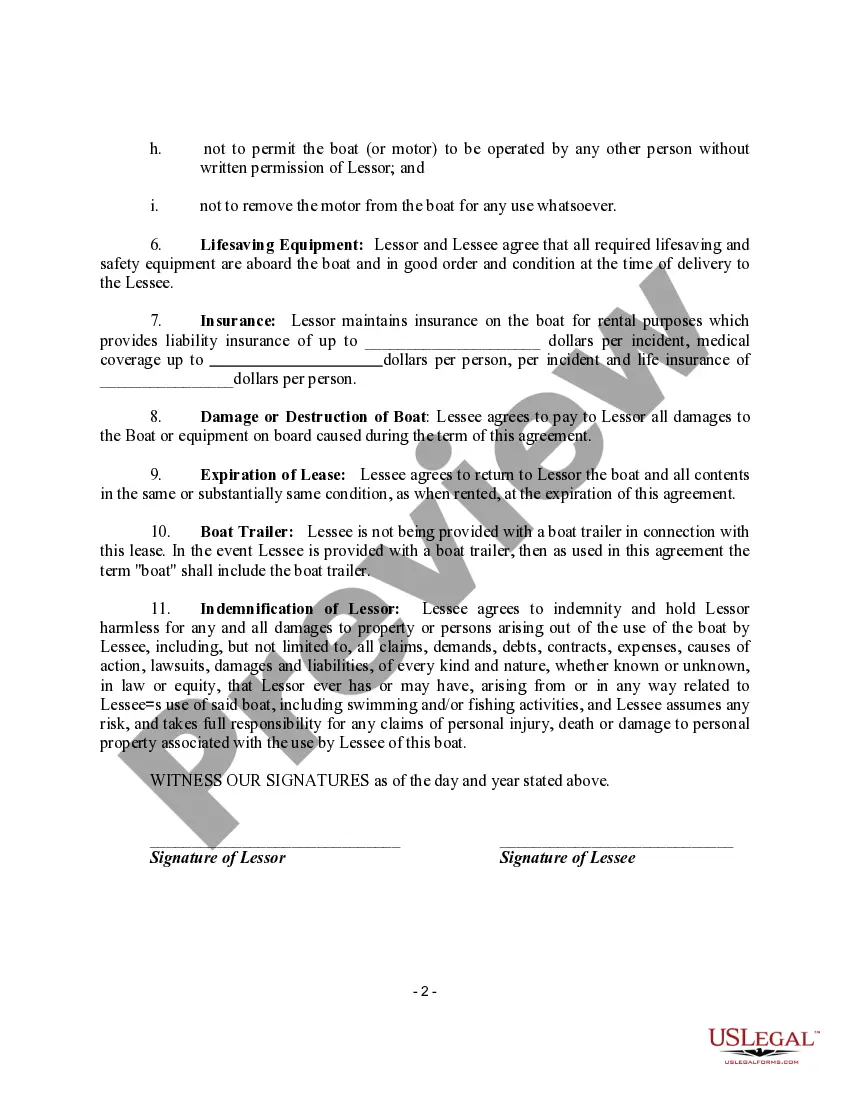
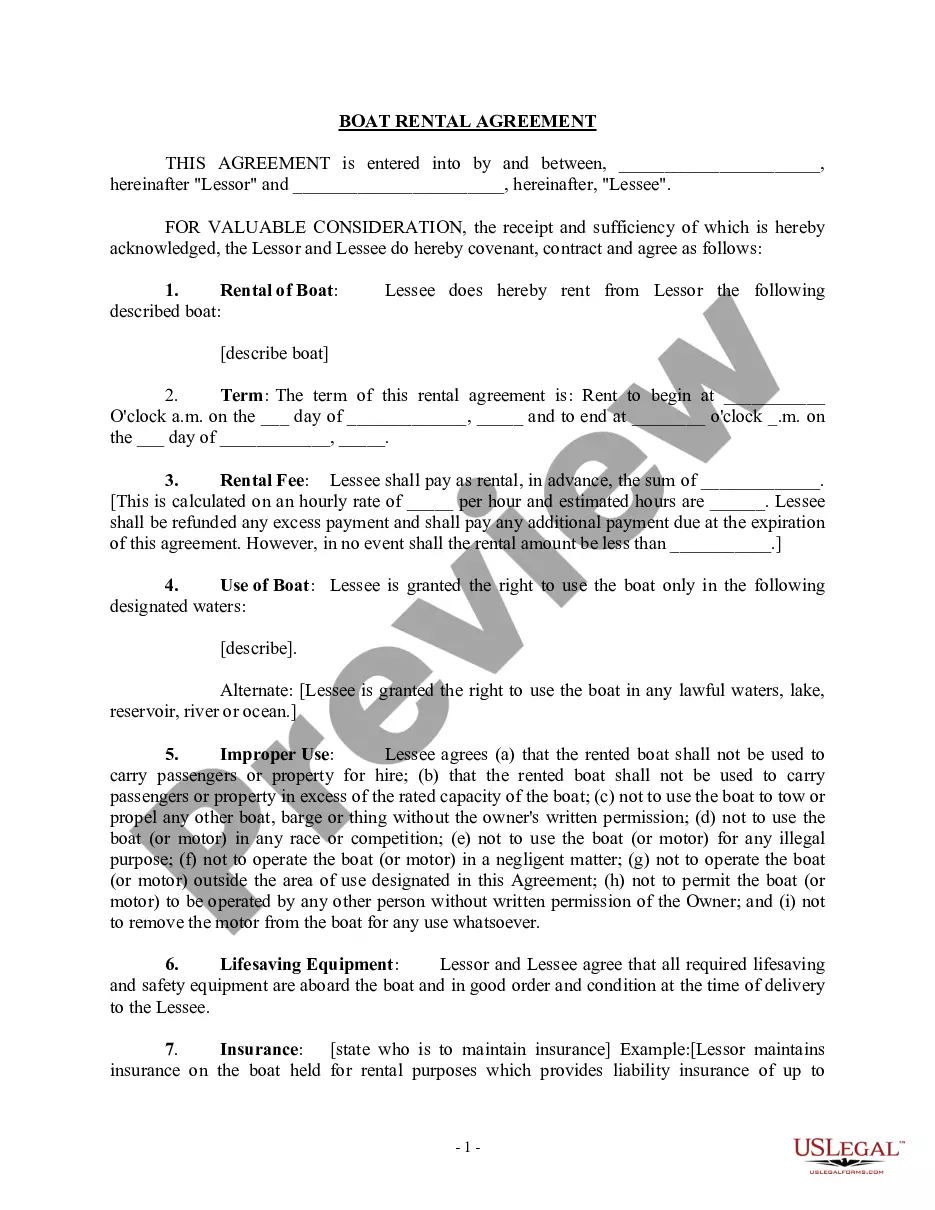
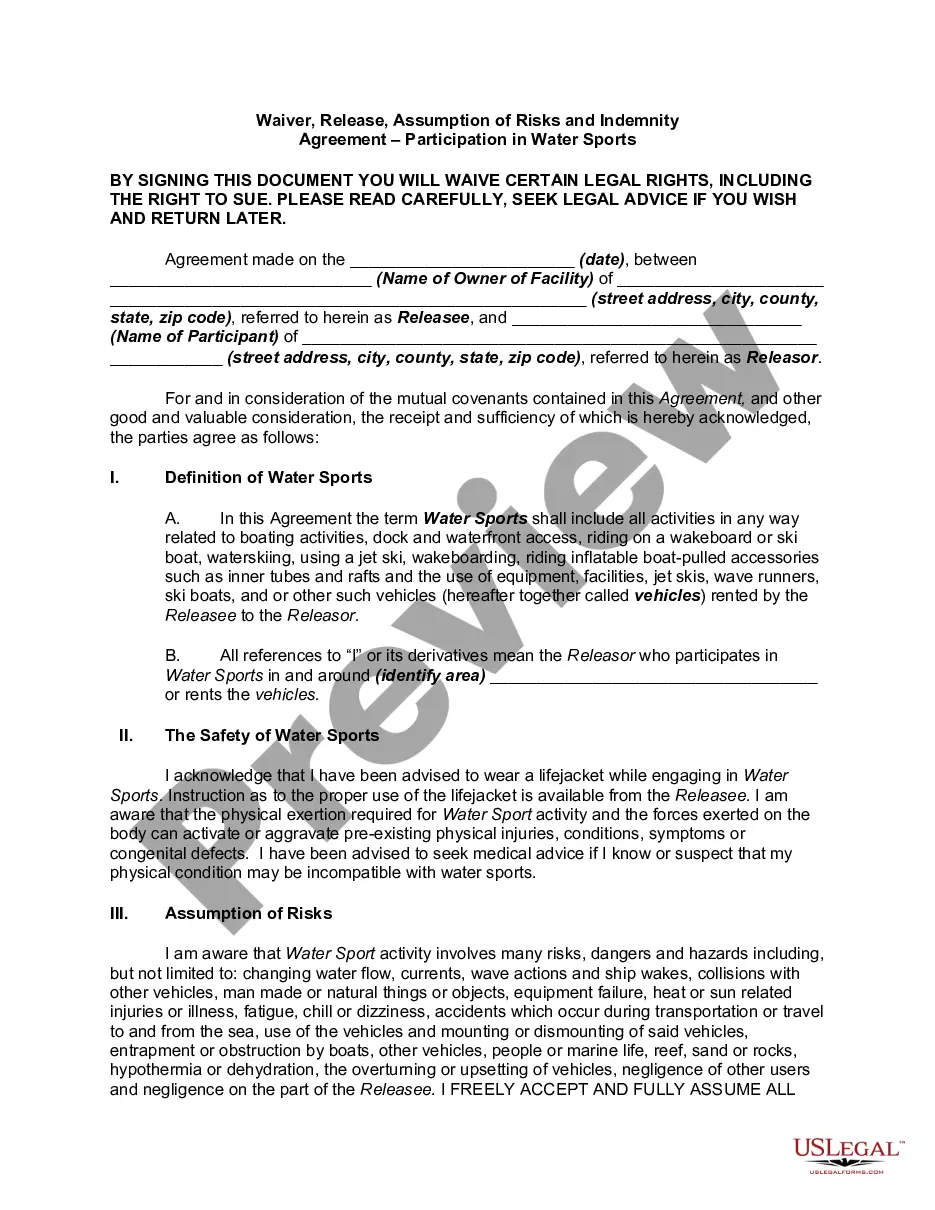
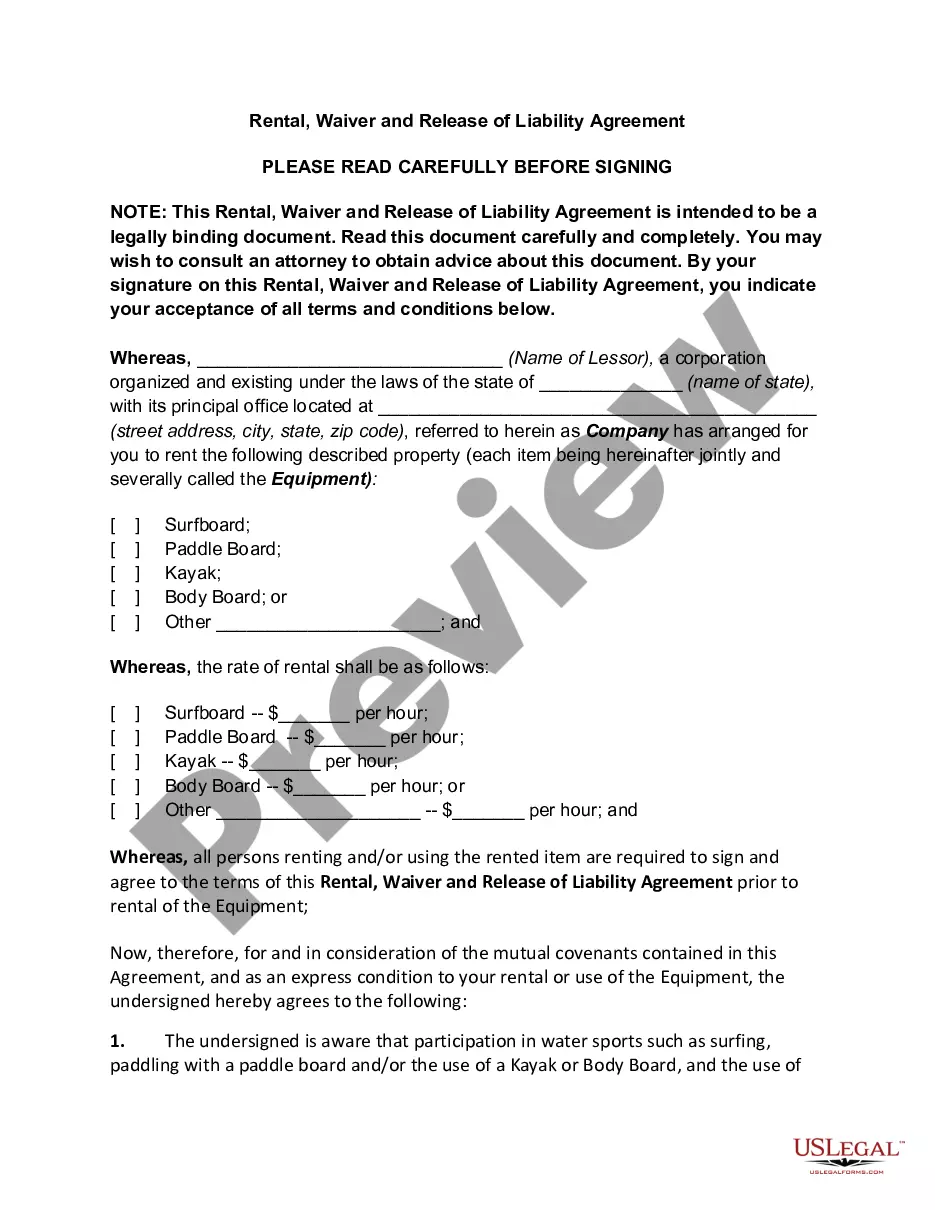
Get your form ready online
Our built-in tools help you complete, sign, share, and store your documents in one place.
Make edits, fill in missing information, and update formatting in US Legal Forms—just like you would in MS Word.
Download a copy, print it, send it by email, or mail it via USPS—whatever works best for your next step.
Sign and collect signatures with our SignNow integration. Send to multiple recipients, set reminders, and more. Go Premium to unlock E-Sign.
If this form requires notarization, complete it online through a secure video call—no need to meet a notary in person or wait for an appointment.
We protect your documents and personal data by following strict security and privacy standards.

Make edits, fill in missing information, and update formatting in US Legal Forms—just like you would in MS Word.

Download a copy, print it, send it by email, or mail it via USPS—whatever works best for your next step.

Sign and collect signatures with our SignNow integration. Send to multiple recipients, set reminders, and more. Go Premium to unlock E-Sign.

If this form requires notarization, complete it online through a secure video call—no need to meet a notary in person or wait for an appointment.

We protect your documents and personal data by following strict security and privacy standards.
Looking for another form?






Form popularity
FAQ
Property that is owned and occupied as your principal place of residence as of the lien date (January 1st) may qualify for an exemption of $7,000 of assessed value. Contact the Assessor for details about the exemption.
How do I get one? A. You can print a duplicate tax bill from this web site, or call (909) 387-8308 and speak to one of our tax specialists.
The median property tax rate in San Bernardino, CA is 1.32%, considerably higher than both the national median of 0.99% and the California state median of 1.21%. With the median home value in San Bernardino, the typical annual property tax bill reaches $2,589, which is just below the national median of $2,690.
Most marinas require an application for you to move aboard permanently. In some areas, liveaboards aren't permitted or there are long waiting lists. Liveaboard slip fees are usually higher and your insurance rates may increase if your boat becomes your primary residence.
Shasta Lake, Calif. About: Lake Shasta is one of the top houseboat-friendly lakes in America, with many people living full-time in their boats along the shore. It's also the third-largest body of water in California, following the Salton Sea and Lake Tahoe, and covers a whopping 30,000 acres.
Some don't allow it at all and others require a certain size such as 35 feet. All have their own unique rules and are different, offering different amenities such as pools, community rooms and underground parking. The yacht clubs are often a place of choice for living aboard.
Is it legal to live on a boat? It is, provided you get the right mooring. If you already have a leisure mooring for your boat, you'll be allowed to spend holidays and weekends onboard, but can't live there full-time. To make your boat your home you'll need to find a residential mooring.
To register your boat/vessel, you will need: A completed Application for Vessel Certificate of Number (BOAT 101) form. Proof of ownership, such as the original California Certificate of Ownership (title) or the out-of-state title (if it is currently registered in another state). Applicable fees.
Who is exempt from California boating license. A person operating a rental vessel. A person operating a vessel while under the direct supervision of a person 18 years of age or older who is in possession of a California Boater Card.
To register, head to the DMV and submit: A Completed Application for Title or Registration (Form REG 343). The Vehicle's Out-of-State Title. The Vehicle's Out-of-State Registration. Proof of Insurance. A Valid Smog Certificate. Payment for Fees (see "Fees" below).
